Free visual inspection and a written scope of work before any mitigation begins - photos, moisture readings, and drying logs go in your claim file
The scope we write is the scope we bill. Anything new gets shown to you, in writing, before we touch it.
 Before
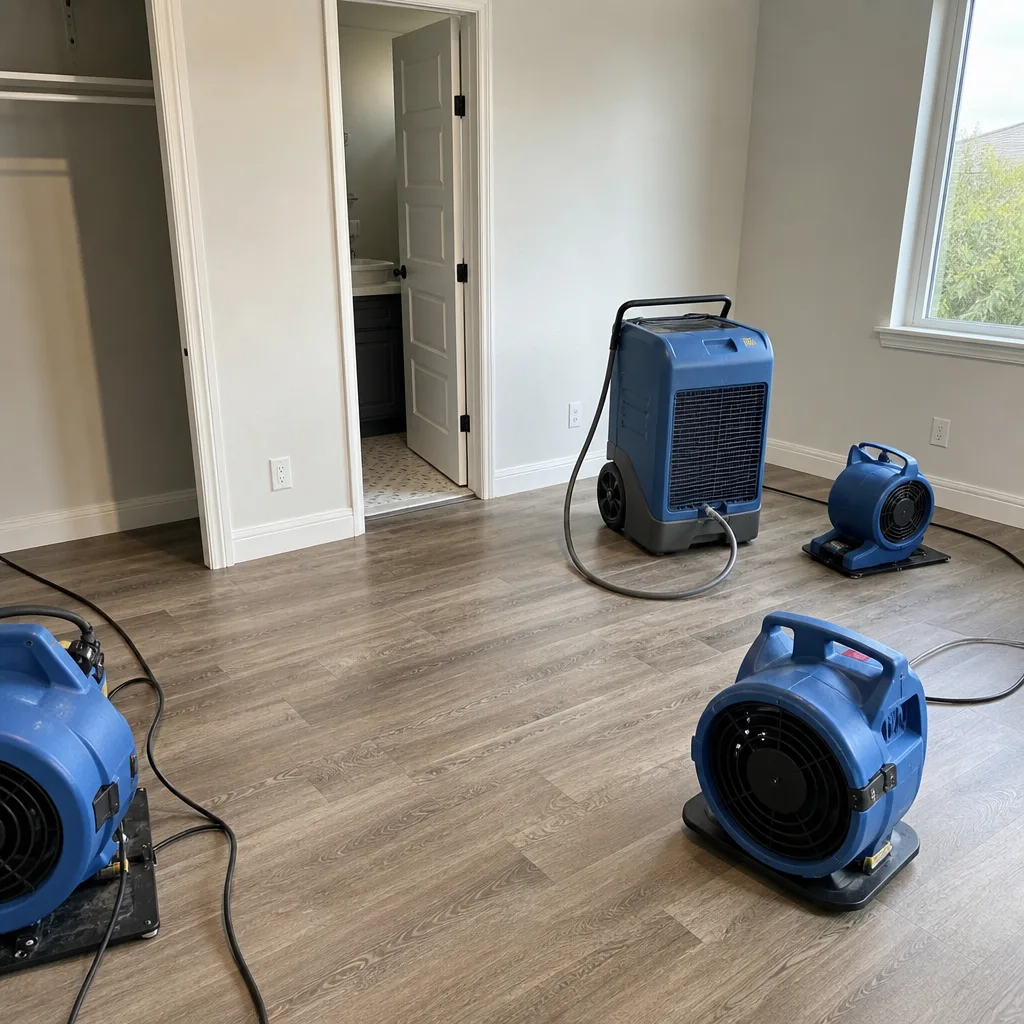 After
After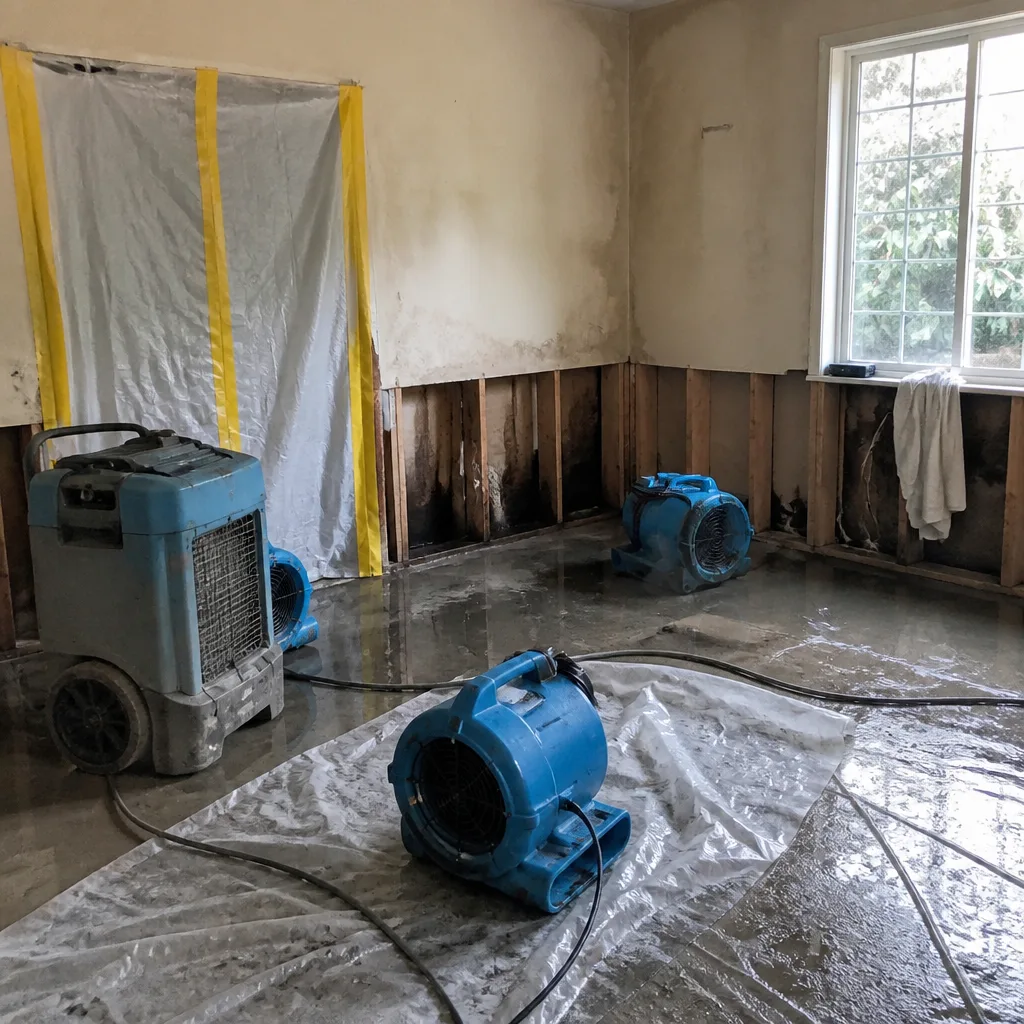 Before
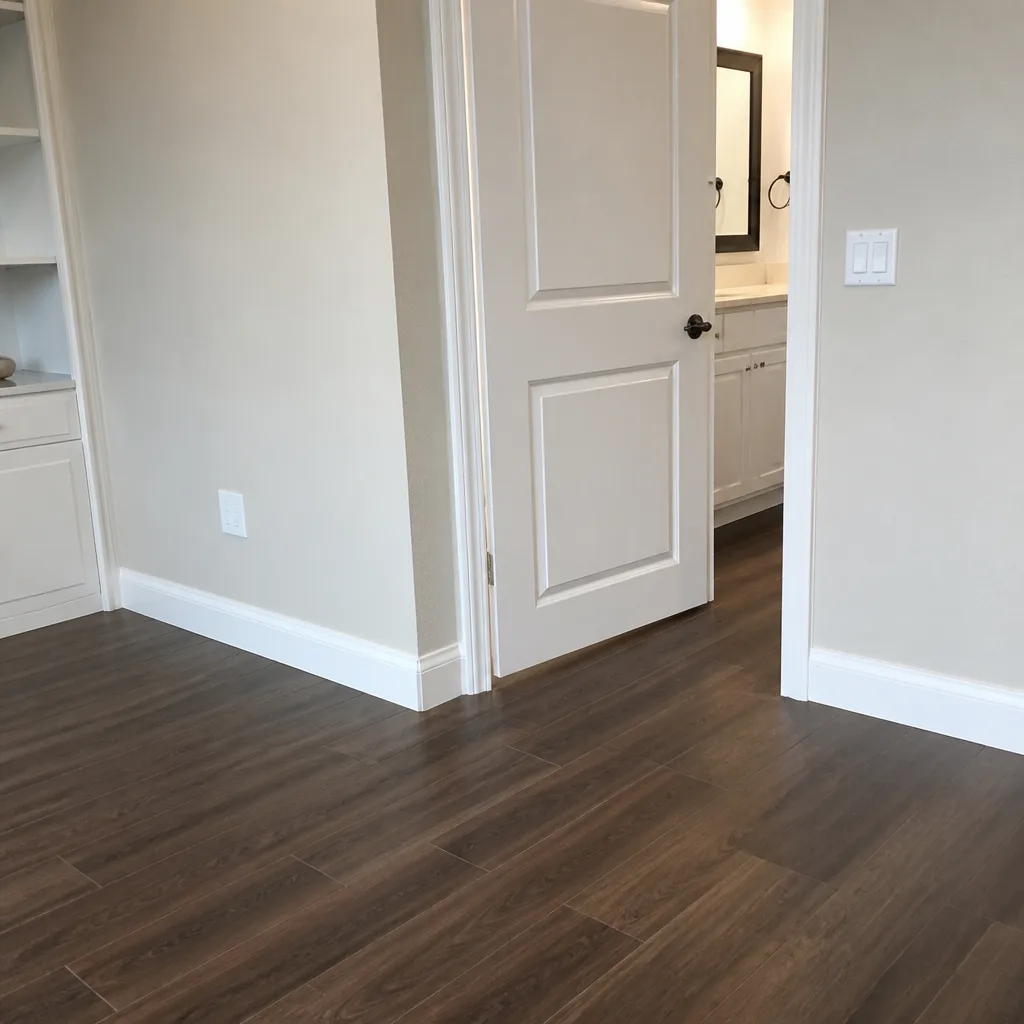 After
After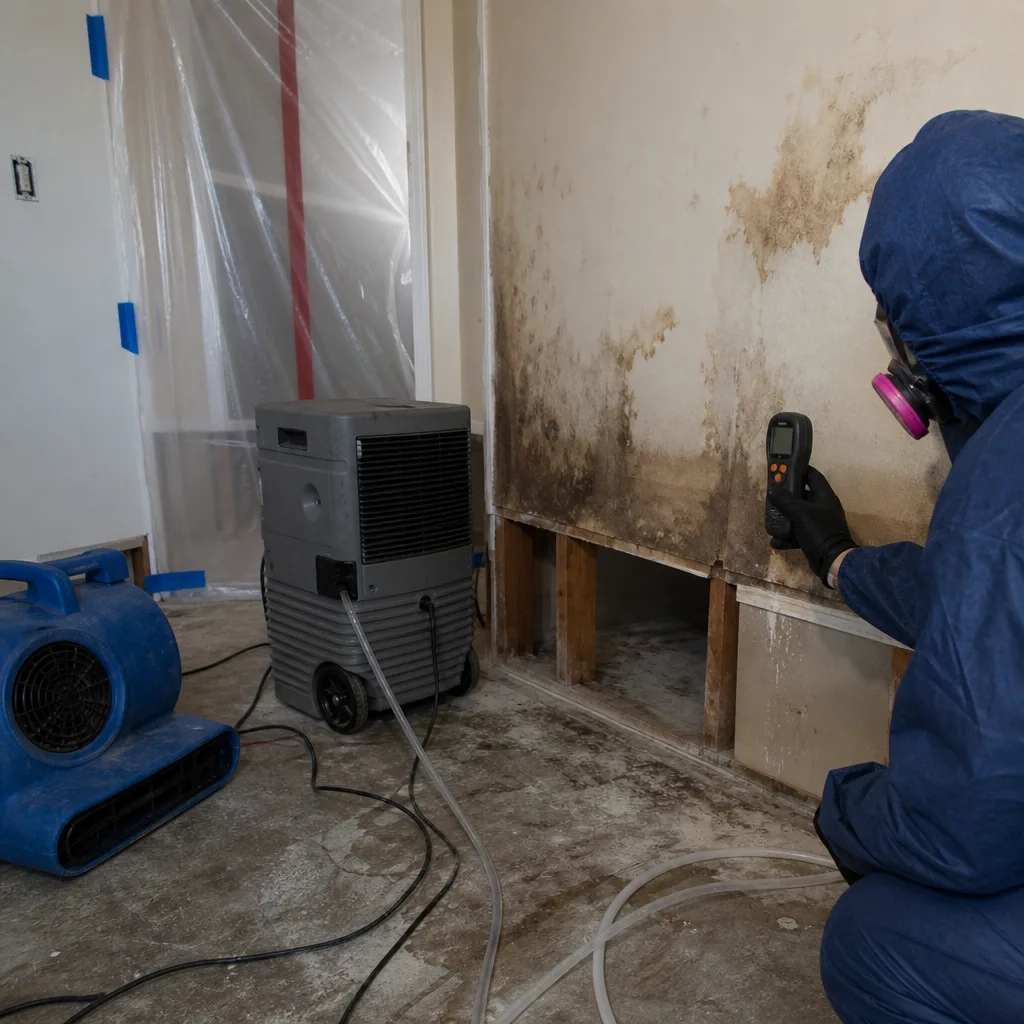 Before
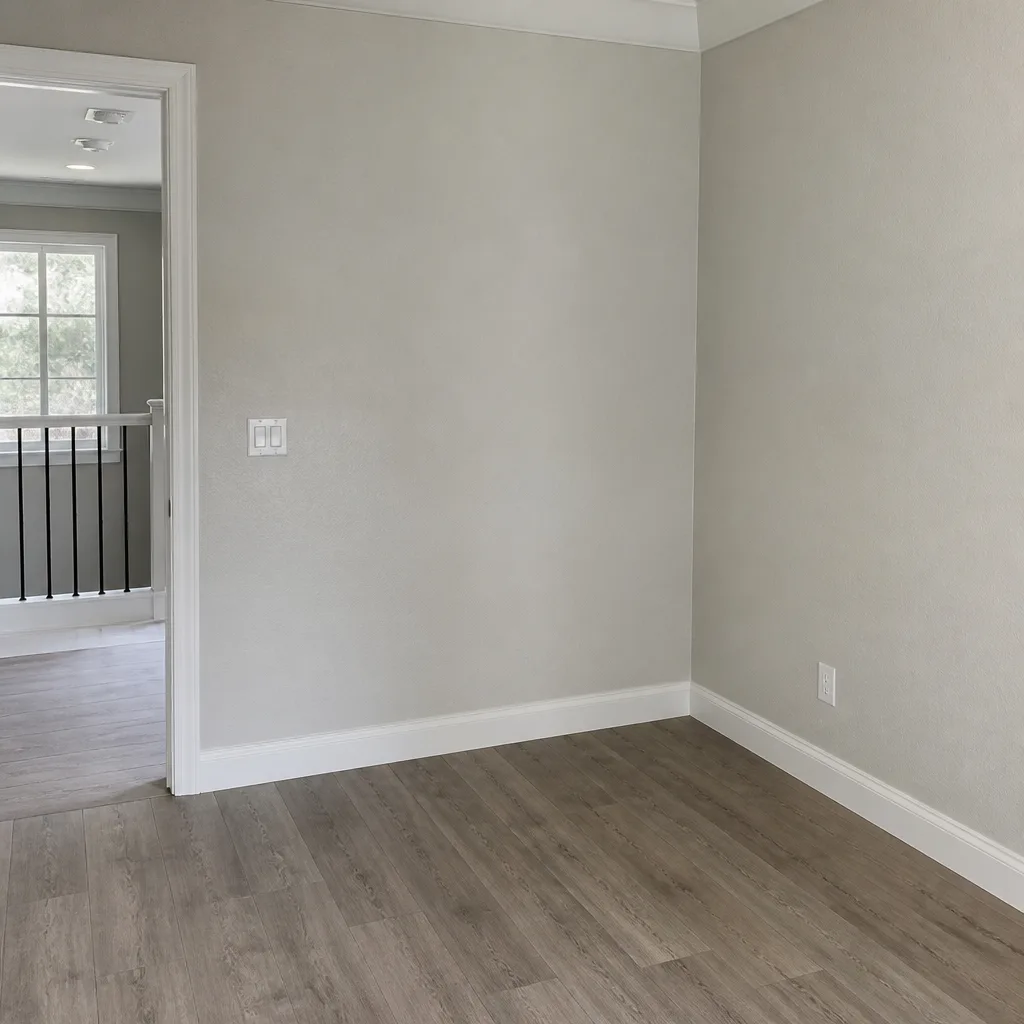 After
After24/7 Emergency Mold Remediation in Laguna Niguel
Mold remediation in Laguna Niguel typically costs $1,800-$6,500 depending on affected square footage and whether the source is category 1, 2, or 3 water intrusion. Most containment and remediation projects begin within 45 minutes of your call. Call (657) 212-2570 now - a live person answers, 24 hours a day, every day.
The first hour matters because mold colonies establish on wet organic material in 24 to 48 hours. In Laguna Niguel’s canyon-adjacent neighborhoods, where post-fire debris flows and winter rains saturate crawl spaces and below-grade garages, that clock starts the moment water crosses the threshold. We dispatch crews from our Los Angeles office with containment materials, HEPA air scrubbers, and moisture detection equipment already loaded. Every Laguna Niguel job opens with a free visual inspection, a written price before any work starts, and a photo record that begins on arrival.
Understanding Mold Remediation Severity in Laguna Niguel Properties
Mold severity in Laguna Niguel is driven by three factors: the category of water that introduced it, the porosity of affected materials, and how long the moisture condition persisted undetected. Category 1 water - clean supply line breaks - presents the lowest mold risk if dried within 72 hours. Category 2 water, or gray water from appliance drains or sump failures, carries organic load that accelerates colonization. Category 3 water, including sewage backup and post-fire debris flow from hydrophobic soil runoff in the Aliso Creek watershed, demands full antimicrobial remediation plus structural material removal.
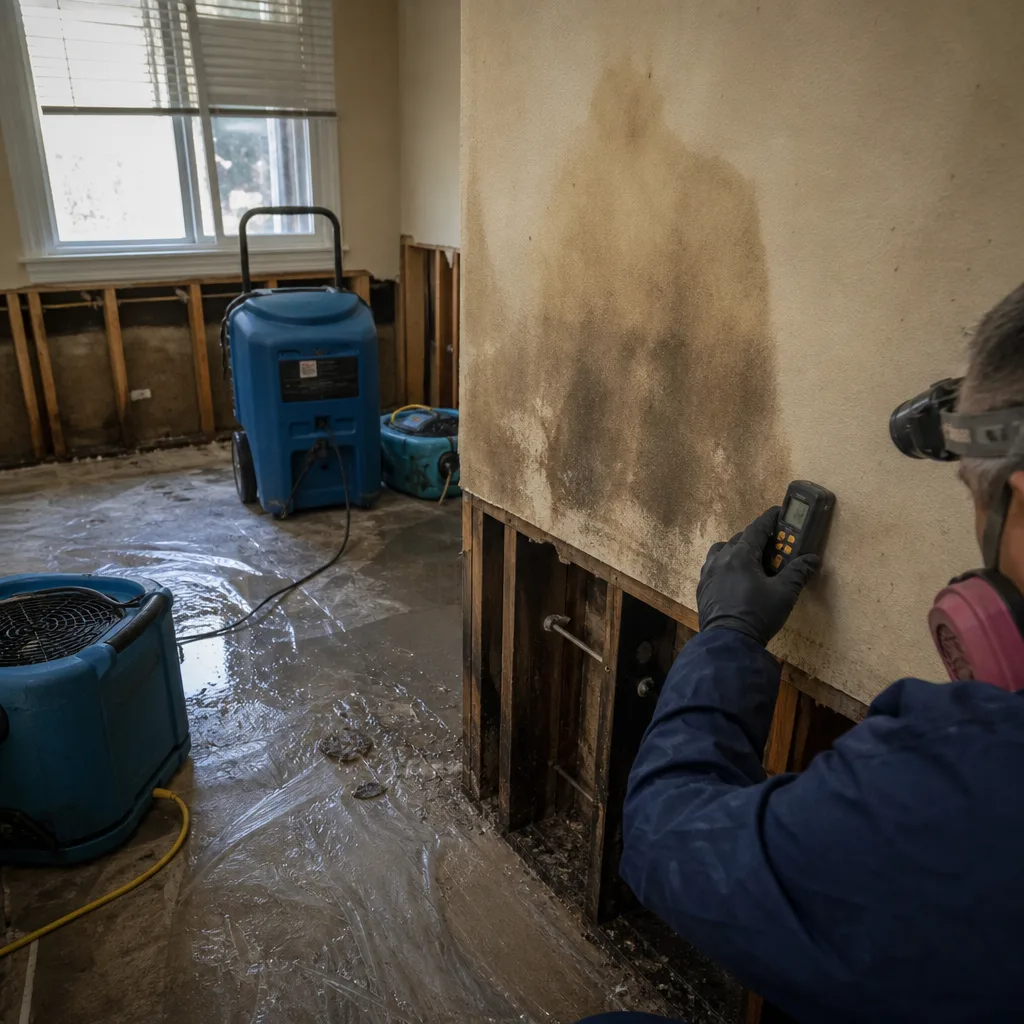
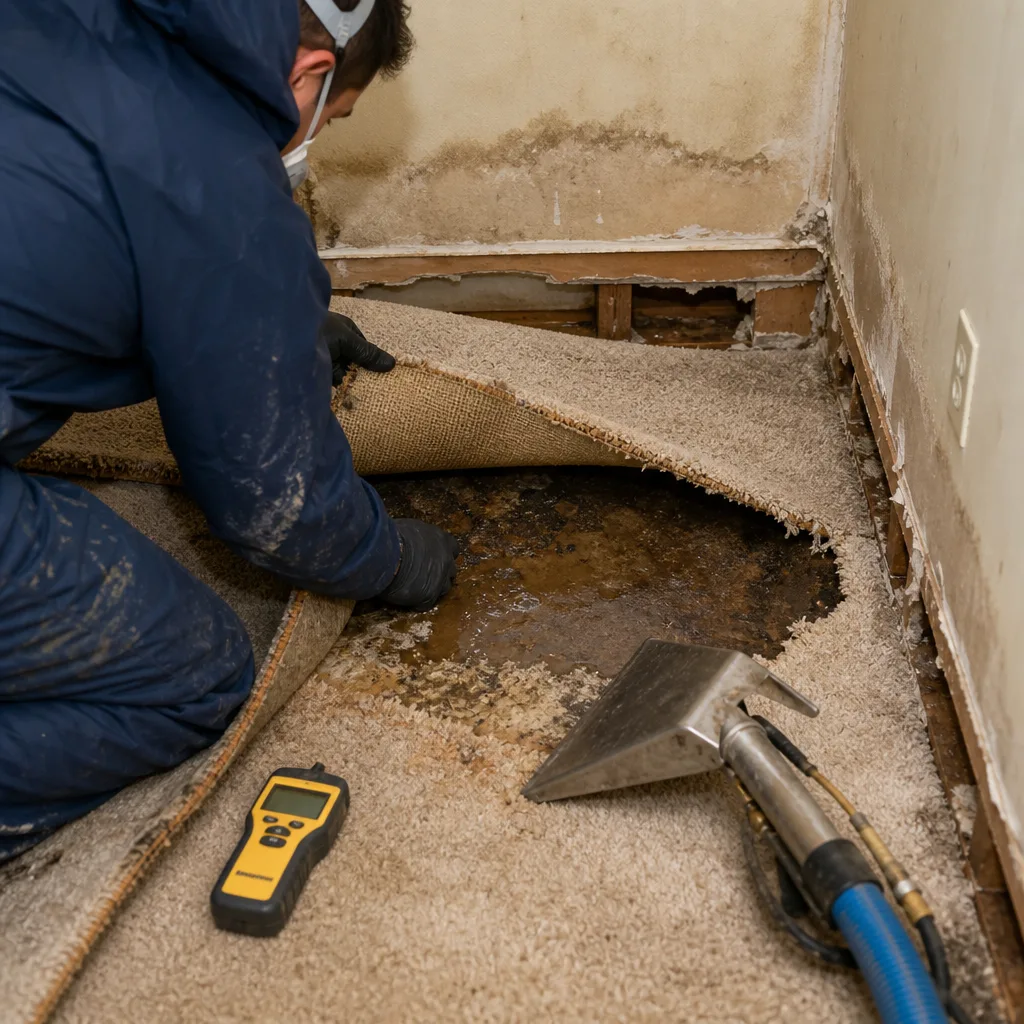
Laguna Niguel’s housing stock intensifies these risks. The city’s planned-community build-out from the late 1960s through the mid-1990s left thousands of wood-frame stucco homes with original single-pane windows, aging moisture barriers, and hillside drainage systems now past their functional life. Water wicks into wall cavities through failed window seals, travels along slab edges in canyon-facing lots, and pools in crawl spaces where it remains hidden until musty odors or visible colonization appear. Our crews use thermal imaging to locate this hidden saturation, then moisture map every affected assembly with calibrated hygrometers before writing the scope.
Why Laguna Niguel Property Owners Choose DryMark Restoration Irvine
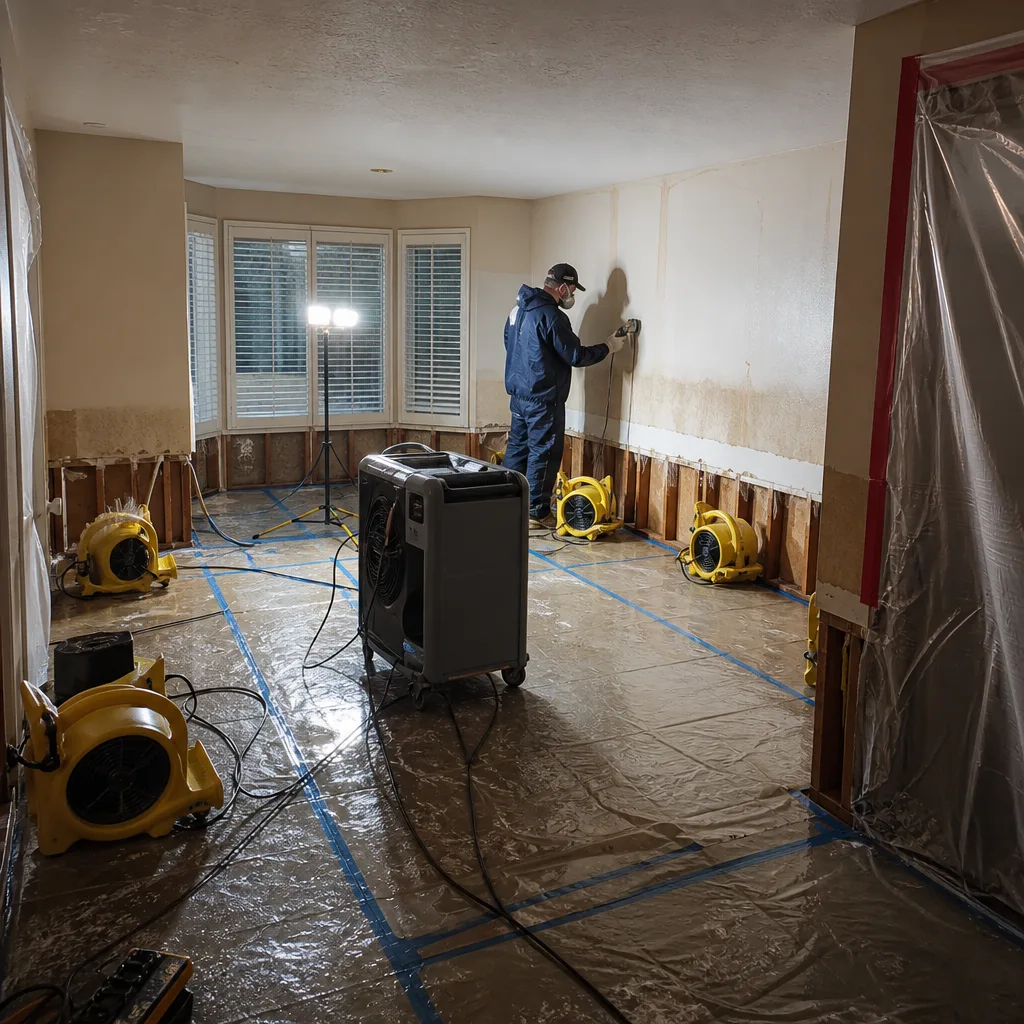
- 45-minute response commitment to Laguna Niguel addresses - crews are staged and rolling with containment gear, not calling around for availability.
- 24/7 live answer by a real person, never an automated system or voicemail tree; your call is documented and dispatched immediately.
- IICRC-certified crews holding WRT (Water Damage Restoration Technician), AMRT (Applied Microbial Remediation Technician), and FSRT (Fire and Smoke Restoration Technician) credentials - the full certification stack for Laguna Niguel’s fire-then-flood damage cycle.
- Free visual inspection with moisture mapping included; you receive a written price before any work starts, every time, with no exceptions.
- Direct insurance billing with photo-documented drying logs and line-item scopes that adjusters recognize and pay without dispute.
- One team from mold containment through structural drying to reconstruction - no handoffs between contractors that lose documentation or delay clearance testing.
 Before
 After
AfterOur Mold Remediation Process
1. Inspection & Assessment
We moisture map the full affected area using thermal imaging and penetrating hygrometers, identify the water category and source, and photograph every surface before anything is disturbed. In Laguna Niguel canyon homes, this includes attic insulation inspection for fire-season ash infiltration and crawl space assessment for drainage failure.
2. Containment & Air Filtration
Polyethylene containment barriers seal the work zone under negative air pressure. HEPA air scrubbers run continuously during remediation, capturing 99.97% of particles 0.3 microns and larger - critical in Laguna Niguel homes where fire ash and mold spores may coexist.
3. Moisture Source Elimination & Structural Drying
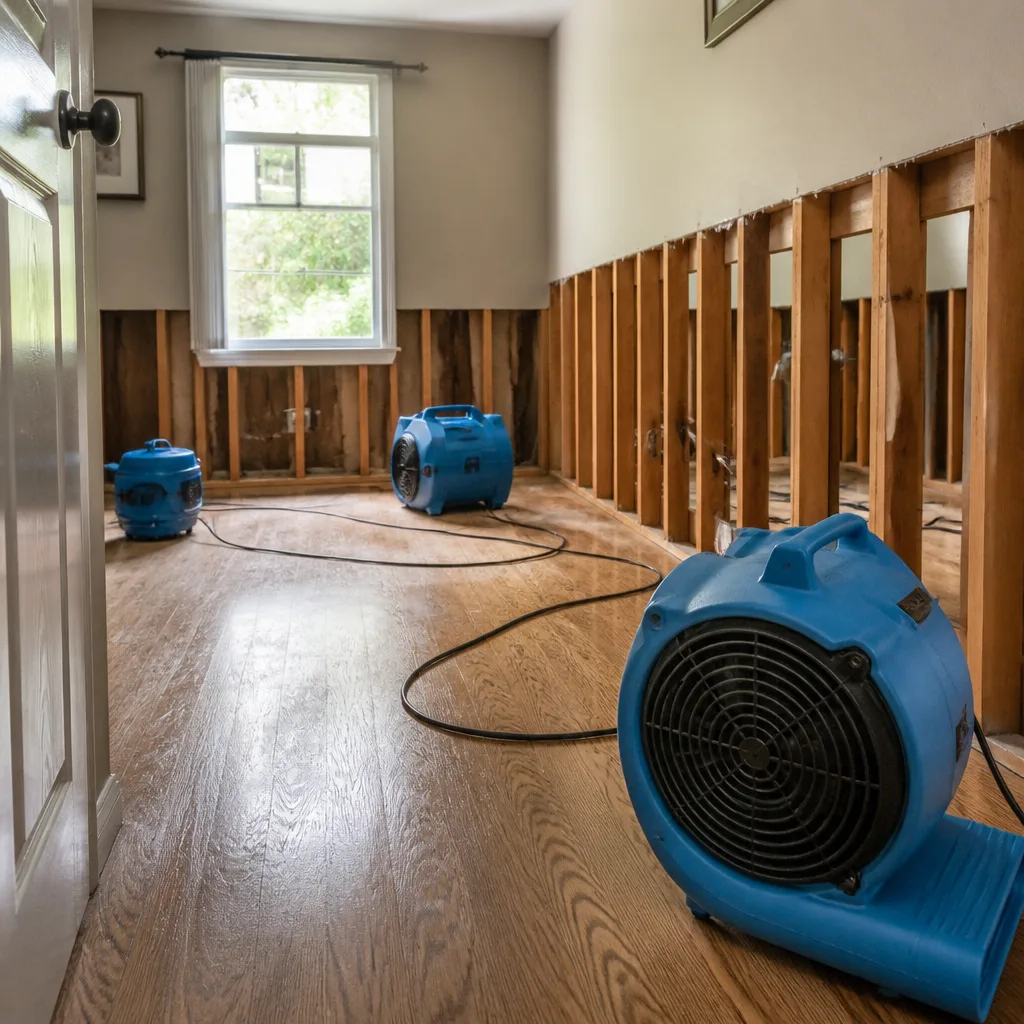
We stop the water intrusion, then deploy Dri-Eaz and Phoenix dehumidifiers with Injectidry cavity drying systems to reduce vapor pressure differential and pull moisture from wall cavities and subfloor assemblies. Daily psychrometric readings document progress in a drying log your adjuster can follow.
4. Cleaning & Antimicrobial Treatment
Non-salvageable porous materials are removed per IICRC S520 standards. Remaining hard surfaces receive HEPA vacuuming followed by antimicrobial application. Attic spaces with smoke particulate infiltration get full remediation with HEPA fogging, not surface wiping.
5. Air Quality Restoration & Clearance Testing
Post-remediation air sampling verifies spore counts at or below outdoor baseline levels. We run XPOWER air movers during final HEPA filtration to restore breathable air quality, particularly important in Laguna Niguel’s tightly sealed older homes where particulate lingers.
6. Repairs & Moisture Control Upgrades
Our reconstruction team repairs removed drywall, subfloor, and insulation, then installs moisture barriers, drainage improvements, or vapor retarders as needed. Every repair carries the 365-Day Done Right Promise under The Haven Standard.
Need Emergency Mold Remediation in Laguna Niguel Now?
Crews minutes away, answering live 24 hours a day. The sooner we start, the less it costs.
Working With Your Insurance Company
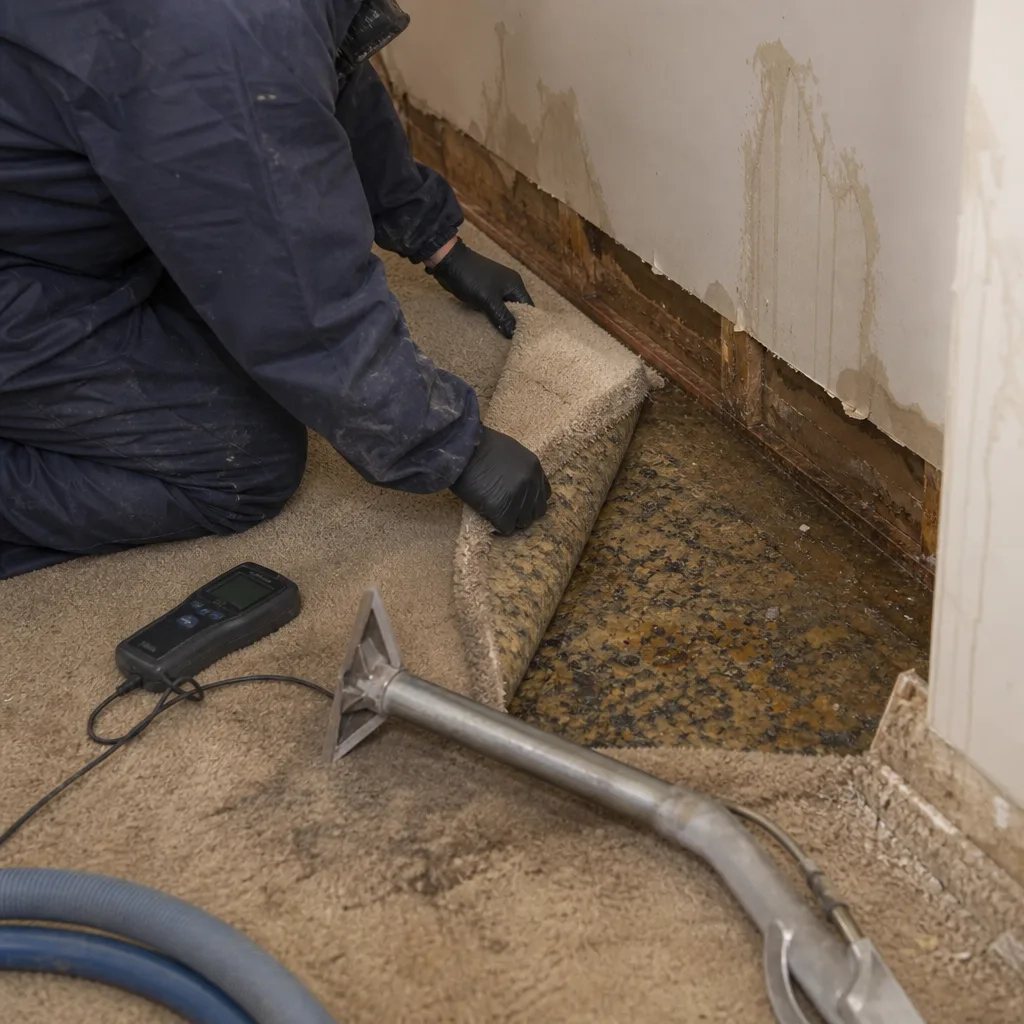
Insurance claims for mold damage fail when documentation is incomplete or the scope is written in language adjusters reject. We eliminate that failure mode from the first hour. Our technician photographs every affected surface, records moisture content percentages by room and material, and maintains a daily drying log that tracks vapor pressure, relative humidity, and temperature - the psychrometric data that proves drying progress to your carrier.
We write estimates to Xactimate standards, the pricing database most insurers use, and coordinate directly with your adjuster so you are not translating between contractor and carrier. Our Mold Remediation team has handled claims for every major carrier writing policies in Orange County.
What We Provide Your Insurer
- Thorough documentation of the loss
- Photos of all damage, room by room
- Moisture readings and drying logs
- A detailed, line-item scope of work
- Direct coordination with your carrier
Built for Laguna Niguel’s Loss Calendar
Laguna Niguel’s mold season does not follow a simple calendar. It follows the two-phase damage cycle of the wildland-urban interface. September through November brings Santa Ana winds channeling through Aliso and Wood Canyons, pushing embers and fine ash into attic vents and eaves. Even ember-resistant vents pass particulate small enough to contaminate insulation. Then December through March, winter rains hit hydrophobic soil on fire-denuded hillsides, producing debris flows that overwhelm hillside drainage and push water into crawl spaces and below-grade garages.
The marine layer that moderates Laguna Niguel’s temperatures also sustains humidity in enclosed spaces. A crawl space with failed drainage that stays above 60% relative humidity for 48 hours will support active mold growth even without standing water. Summer brings the opposite problem: rapid humidity drops from Santa Ana events crack wood framing and compromise window seals, creating intrusion paths for the next rain. Our crews plan for this cycle. We inspect for ash infiltration during fire season assessments, and we verify drainage function before winter. Laguna Niguel properties need both fire-smoke and water-mold capability - we carry both.
Mold Remediation Across Laguna Niguel’s Neighborhoods
Canyon Crest and the neighborhoods off La Paz Road sit closest to the wilderness park interface. Here, 1970s-era wood-frame stucco homes on sloped lots face the full two-phase cycle. We regularly find failed hillside drainage sending water into crawl spaces, and attic insulation compromised by prior fire-season ash. The remediation scope in these areas almost always includes both crawl space treatment and attic air quality restoration.
Beacon Hill and the tracts near Crown Valley Parkway represent the denser, flatter interior of the city’s planned community build-out. These homes share the aging moisture barrier and single-pane window problems, but without the hillside drainage failures. Mold here typically originates from slab-edge intrusion, failed shower pans in original bathrooms, or slow supply line leaks behind stucco. The work is more contained, often limited to specific wall assemblies and bathroom subfloors.
El Niguel Heights and the area around Laguna Niguel Regional Park offer larger lots with more variation in construction era, but the same core housing stock. Pool equipment failures and irrigation line breaks are common moisture sources in these neighborhoods, saturating exterior walls and creating category 2 water conditions that accelerate mold risk. We moisture map outward from the obvious leak to find hidden wicking in wall cavities.
The townhome concentrations near Alicia Parkway and Marina Hills Drive present their own pattern: shared walls mean moisture migration between units, and HOA-managed exterior maintenance often delays moisture barrier repairs. We coordinate with property management and document cross-unit moisture readings to establish scope and liability clearly.
Specialized Mold Remediation Services We Offer in Laguna Niguel
Mold Inspection & Testing
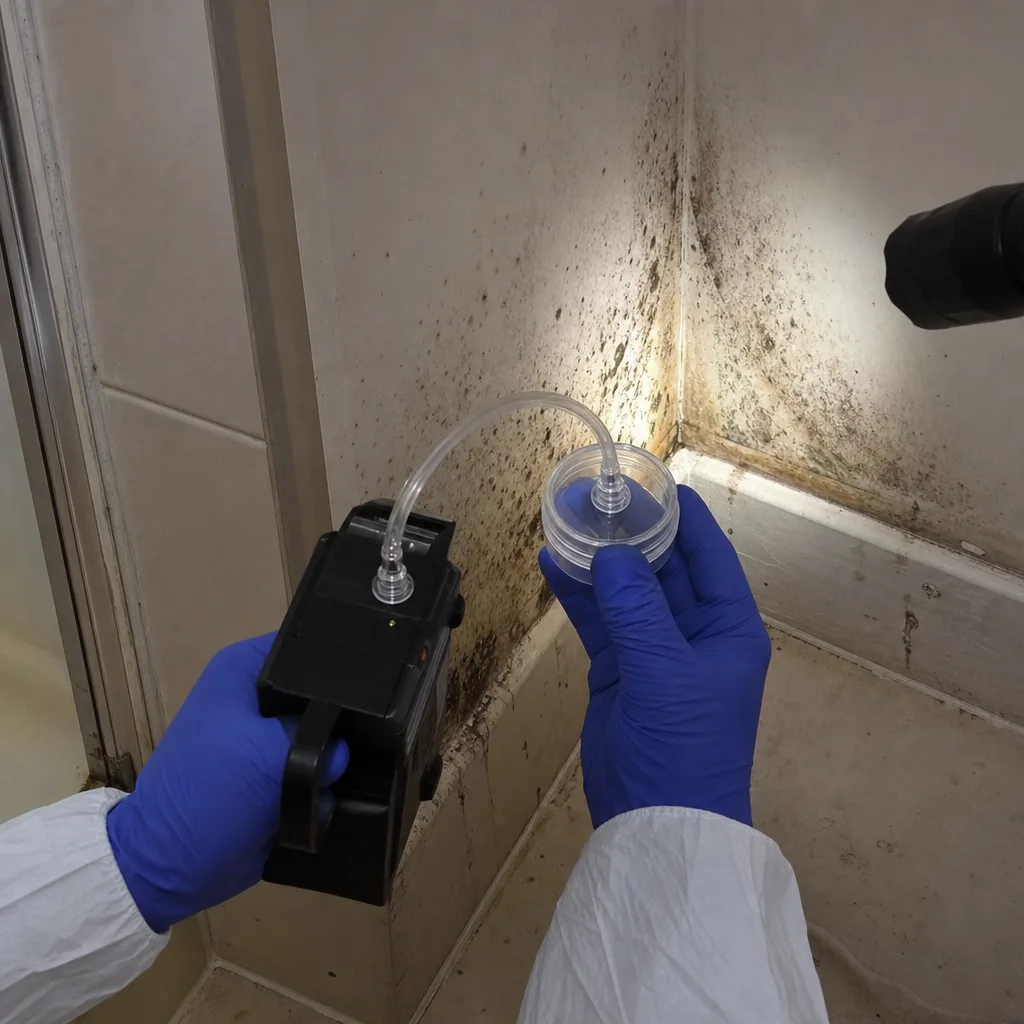
Our inspections begin with thermal imaging and penetrating moisture meters, not guesswork. In Laguna Niguel’s older housing stock, we pay particular attention to slab edges, window perimeters, and original bathroom wet areas where slow leaks have often been active for months. Air sampling and surface swab testing are available when visible colonization is absent but occupant symptoms or musty odors suggest hidden growth. You receive a written report with moisture readings, photo documentation, and a recommended scope before any remediation work is proposed.
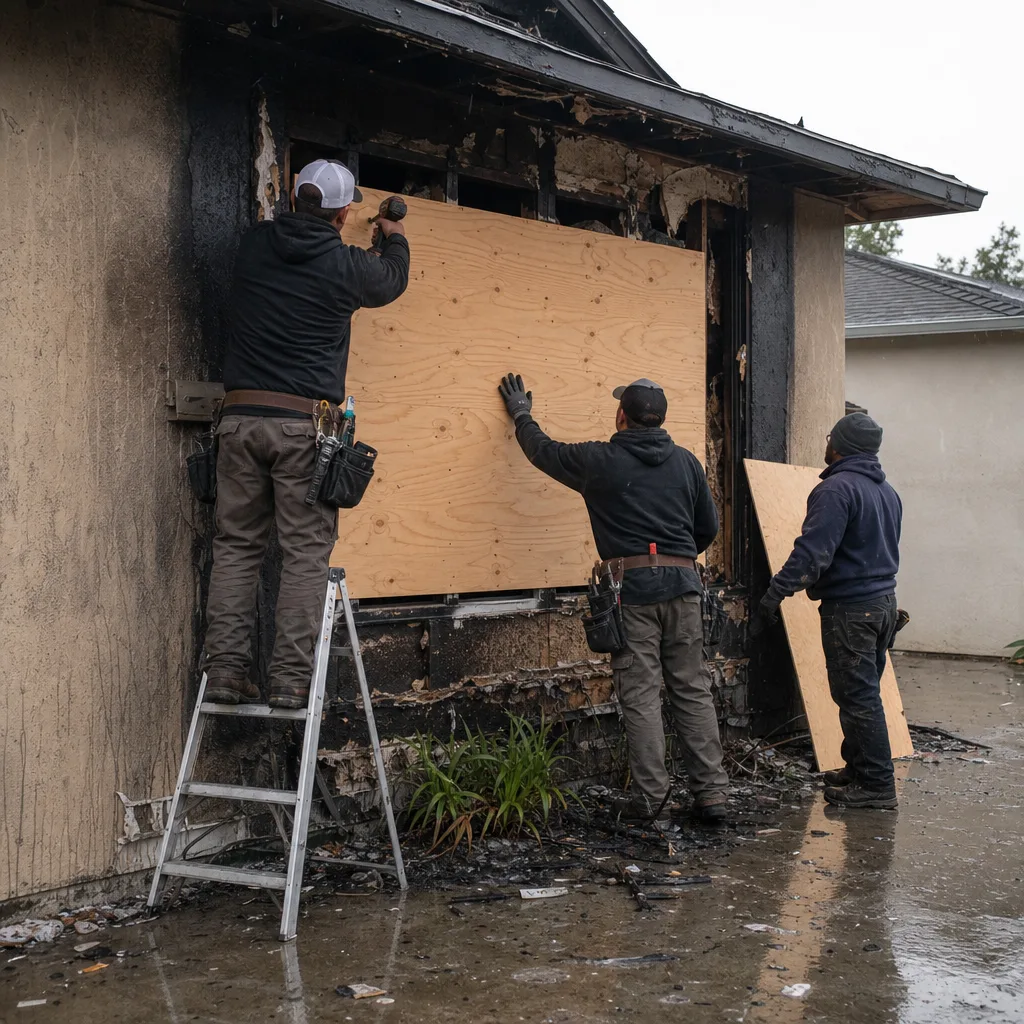
Mold Removal
Removal follows IICRC S520 standards for containment, negative air pressure, and proper disposal of contaminated materials. In Laguna Niguel, this often means removing fire-ash-contaminated attic insulation alongside mold-affected drywall or subfloor. We do not encapsulate active colonization - we remove it, treat the substrate, and verify clearance before reconstruction begins.
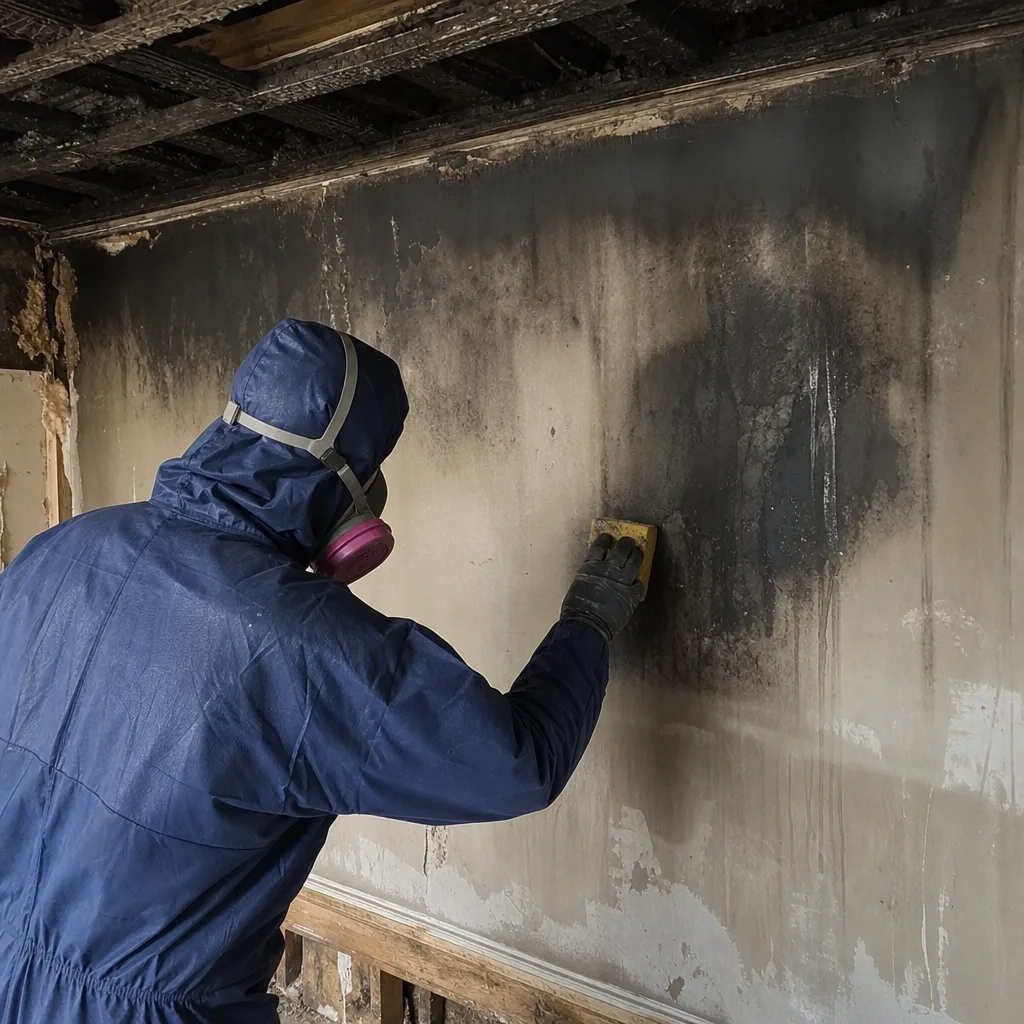
Black Mold Remediation
Stachybotrys chartarum and other toxigenic species require enhanced containment and PPE protocols. These colonies typically indicate chronic water intrusion, not a single event. In Laguna Niguel canyon homes, we find black mold in crawl spaces with sustained drainage failure and in wall cavities behind original stucco where moisture barriers have degraded. The remediation addresses both the biological contamination and the moisture condition that permitted it.
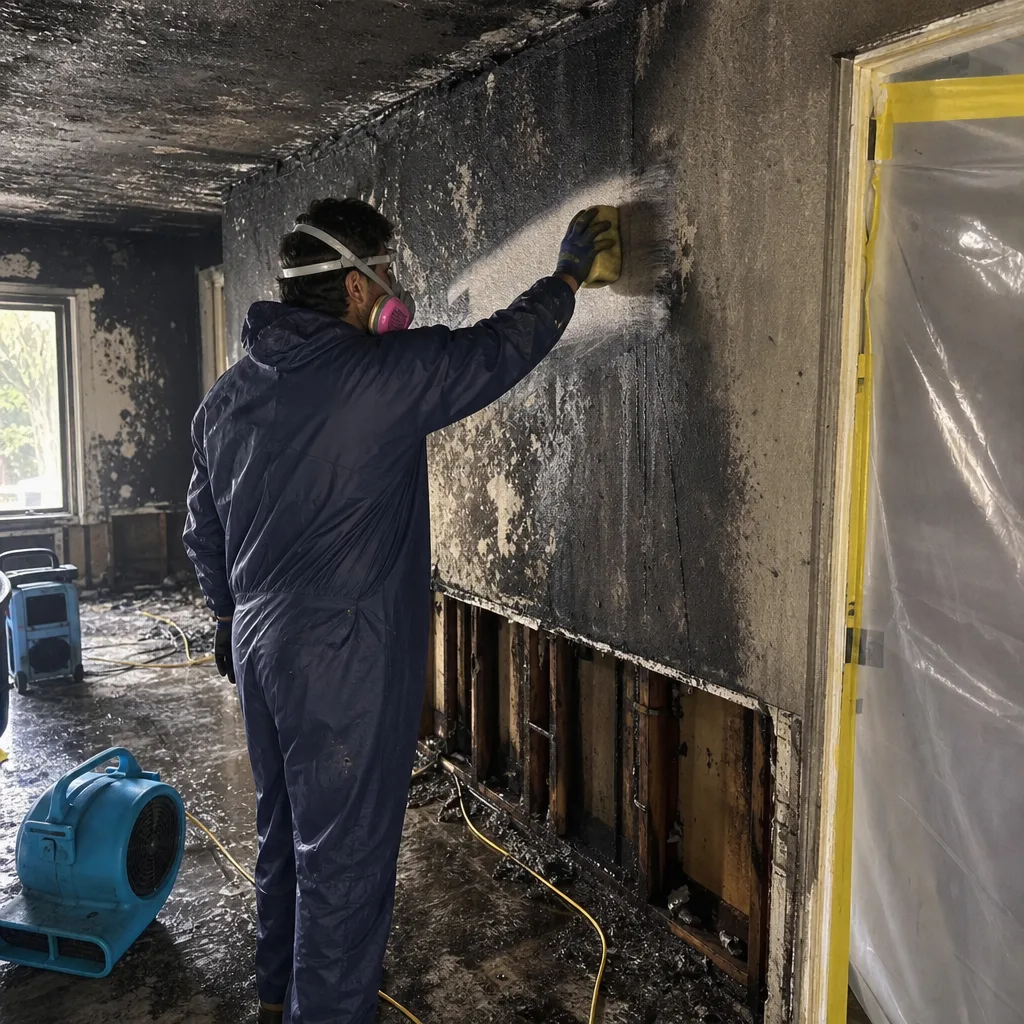
Air Quality Restoration
Post-remediation air quality is verified through spore trap sampling and visual inspection of HVAC components. In Laguna Niguel’s tightly constructed older homes, we often recommend duct cleaning and register sealing as part of air quality restoration, particularly after attic remediation where disturbed particulate may have entered the supply system. HEPA filtration runs until laboratory results confirm clearance.
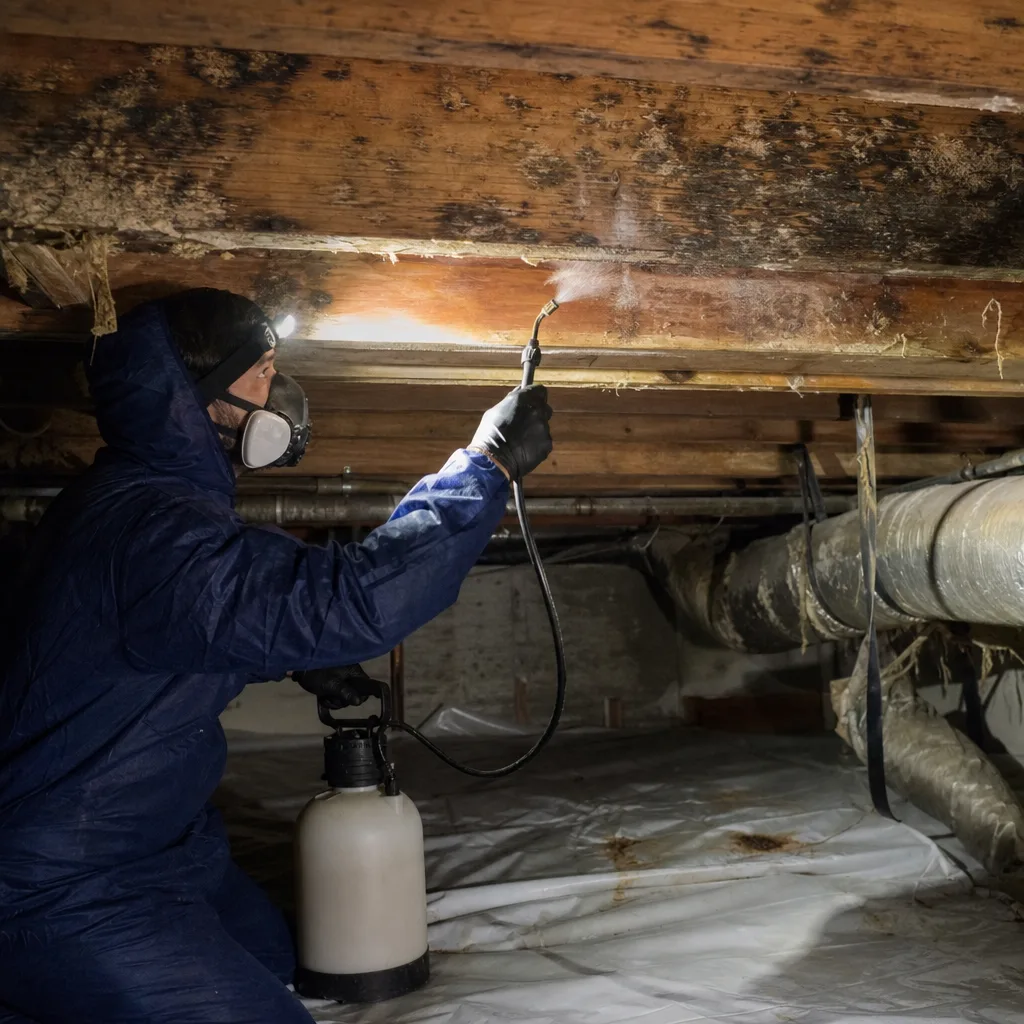
Crawl Space Treatment
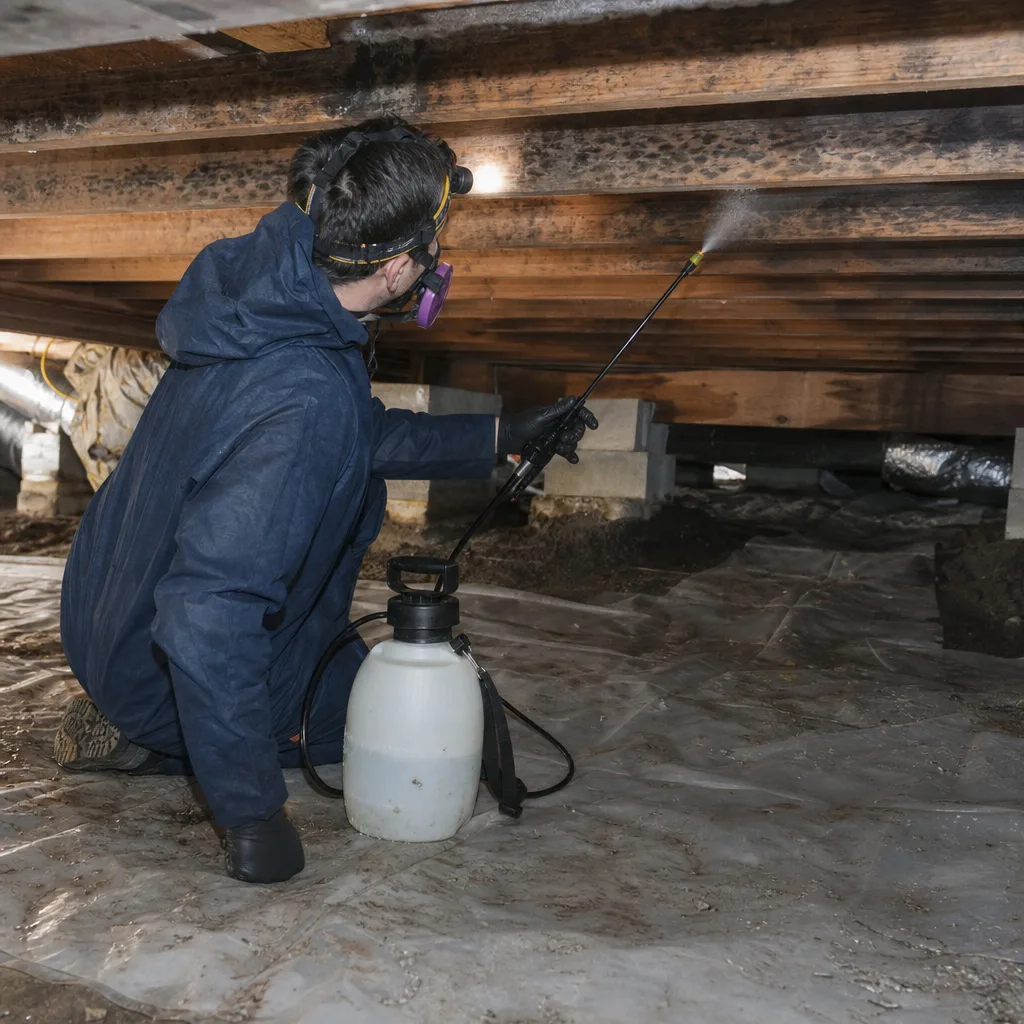
Laguna Niguel’s hillside crawl spaces are the most underestimated mold risk in the city. Post-fire debris flows, failed perimeter drains, and hydrophobic soil runoff create standing water and sustained humidity. Our crawl space treatment includes water extraction, structural drying with Injectidry systems, antimicrobial application to framing, vapor barrier installation, and drainage correction recommendations. We document moisture content in the crawl space framing before and after - the number that proves the job to your adjuster.
What happens when you call
- 1
A real person answersNo phone trees - you reach a local pro.
- 2
You get an upfront price rangeHonest numbers before anyone is dispatched.
- 3
A background-checked tech heads outLicensed & insured, dispatched right away.
- 4
You approve before work beginsNothing starts until you say go.
Mold Remediation Costs in Laguna Niguel, CA
| Service | Typical Range in Laguna Niguel |
|---|---|
| Visual inspection with moisture mapping | Free |
| Contained area remediation (under 100 sq ft) | $1,800 - $3,200 |
| Moderate remediation (100-300 sq ft, single room/area) | $3,200 - $5,500 |
| Extensive remediation (300+ sq ft, multiple areas) | $5,500 - $12,000+ |
| Crawl space treatment with drainage correction | $4,500 - $8,500 |
| Attic remediation with HEPA fogging | $3,500 - $7,000 |
| Air quality testing (post-remediation clearance) | $350 - $650 |
What moves the price: the category of water involved, the square footage of affected and contaminated material, whether structural elements like subfloor or framing require removal, and whether fire-season ash contamination adds attic work to a crawl space or interior job. Category 3 water always increases scope because porous materials must be removed, not cleaned. Insurance typically covers mold remediation when the moisture source is a sudden, documented event - supply line breaks, appliance failures, or fire-suppression water. Long-term maintenance issues - failed drainage that was never repaired, ongoing window leaks - may be excluded. We review your policy language and document the loss origin to support coverage where it applies. Haven Standard, Clause 1: your written price before work begins, with no scope additions once the crew is inside.
We Also Serve Cities Near Laguna Niguel
Our crews respond throughout south Orange County from the same staging - Aliso Viejo for the flatland HOA communities with their own moisture barrier aging patterns, Laguna Beach for coastal humidity and salt-air corrosion of window systems, Laguna Hills for the mixed-era housing stock along the 5 corridor, and Ladera Ranch for newer construction with its own set of builder-grade waterproofing failures. Each city gets the same documentation standard and the same live-answer dispatch.
Serving Laguna Niguel, CA - Our Local Coverage Area
We’re based in the Laguna Niguel area and know this community well. Use the map below to see our service coverage - if you’re nearby, we can almost certainly help.
Laguna Niguel Mold Remediation Questions, Answered
Why do Laguna Niguel homes near Aliso and Wood Canyons Wilderness Park get mold problems more often than nearby flatland communities?
The wildland-urban interface creates a two-phase damage cycle unique to canyon-edge properties: Santa Ana winds drive fire-season ash and smoke particulate into attic insulation through vents, then winter rains on hydrophobic, fire-denuded soil produce debris flows that push water into crawl spaces and below-grade garages. The same property can face both contamination types in a single year, and each phase introduces moisture or organic material that feeds mold growth. Flatland communities in Mission Viejo or Aliso Viejo do not experience this combined fire-then-flood cycle. Call (657) 212-2570 for a free inspection if your canyon-edge home has faced either phase.
After a fire season in Laguna Niguel, do I really need full attic remediation or can I just clean the visible surfaces?
Surface cleaning leaves fine ash and smoke particulate embedded in attic insulation, which then releases odor and can support mold growth when humidity rises. We have found that even ember-resistant vents pass particulate small enough to contaminate blown-in insulation throughout the attic space. Full attic remediation includes HEPA vacuuming of all surfaces, removal of contaminated insulation, antimicrobial treatment of framing, and HEPA fogging before new insulation is installed. This is the scope that passes post-remediation air quality testing and satisfies insurer documentation requirements. Call (657) 212-2570 for a written scope and price.
How fast does mold start growing after water gets into my Laguna Niguel crawl space?
Mold colonization begins on wet organic materials in 24 to 48 hours at temperatures between 60 and 80 degrees Fahrenheit. Laguna Niguel’s coastal climate keeps temperatures in this range year-round, and the marine layer sustains humidity in enclosed crawl spaces even when outdoor relative humidity drops. After a debris flow or drainage failure, the clock starts immediately. Our 45-minute response commitment exists to begin extraction, establish containment, and start structural drying before colonization takes hold. Call (657) 212-2570 - estimates are free.
What’s the difference between category 1, 2, and 3 water when it comes to mold risk in my Laguna Niguel home?
Category 1 water comes from a clean source - broken supply lines, overflowing sinks without contaminants - and presents mold risk primarily if drying is delayed beyond 72 hours. Category 2 water, or gray water, carries organic load from dishwashers, washing machines, or sump failures that accelerates mold growth; porous materials in contact for more than 48 hours typically require removal. Category 3 water, including sewage backup and post-fire debris flow from the Aliso Creek watershed, is grossly contaminated; all porous materials must be removed, and antimicrobial remediation is mandatory. The category determines both the remediation protocol and what your insurer will cover. We test and document water category on every Laguna Niguel job.
How do you prevent mold from coming back after remediation in a Laguna Niguel canyon-edge home?
Prevention requires addressing both the moisture source and the building envelope conditions that allowed it. In canyon-edge homes, this means verifying hillside drainage function, repairing or replacing failed moisture barriers, sealing intrusion paths at single-pane windows or stucco cracks, and maintaining crawl space humidity below 60% through vapor barriers and proper ventilation. We document our moisture control recommendations in writing and can implement them as part of reconstruction. The 365-Day Done Right Promise covers our remediation and repair work if conditions recur. Call (657) 212-2570 to discuss moisture control for your specific property.
How long does mold remediation typically take in Laguna Niguel?
Contained, single-area remediation typically requires 3 to 5 days from containment setup through clearance testing. Multi-area jobs with crawl space and attic work extend to 7 to 10 days. Drying time depends on vapor pressure differential, material porosity, and whether we can establish adequate dehumidification in enclosed spaces. We do not rush clearance testing - laboratory results confirming spore counts at or below outdoor baseline are required before we release containment. Daily drying logs document progress so you and your adjuster know exactly where the job stands.
Can my family stay in the home during mold remediation?
Occupancy depends on the remediation area, the species present, and whether HVAC systems are affected. For contained single-room jobs with no duct contamination, residents often remain in unaffected areas. For whole-attic remediation, extensive crawl space work, or toxigenic species like Stachybotrys, we recommend temporary relocation until clearance testing is complete. We discuss this during the free inspection and include occupancy recommendations in your written scope. Your safety and the validity of our clearance testing depend on following this guidance.
What certifications do your Laguna Niguel mold remediation technicians hold?
Our lead technicians hold IICRC WRT (Water Damage Restoration Technician), AMRT (Applied Microbial Remediation Technician), and FSRT (Fire and Smoke Restoration Technician) certifications. The AMRT credential specifically covers mold remediation protocols, containment, and clearance standards. FSRT is critical in Laguna Niguel given the fire-then-flood damage cycle. All technicians are background-checked, licensed, and insured, with license numbers documented on every job. Equipment is maintained to manufacturer specifications and operated per IICRC, RIA, and IFA standards. Call (657) 212-2570 to verify credentials or schedule service.
We got a call from a homeowner off La Paz Road in the Canyon Crest area whose 1970s-era wood-frame stucco home had fine ash infiltrated into the attic insulation from the prior fire season, and then winter rains pushed water into the crawl space through a failing hillside drainage system. After moisture mapping and moisture readings confirmed elevated content in the crawl space framing, we set containment, ran HEPA air scrubbers, performed full attic remediation with antimicrobial treatment, and used Injectidry and Dri-Eaz equipment for structural drying with drying logs documented throughout. The homeowner was relieved we caught it before mold colonized the wet framing - mold can begin growing on wet drywall within 24 to 48 hours, and that clock had already started.
Written by Alicia Brennan, Owner at Back to Dry Restoration, serving Laguna Niguel since 2011.
Mold Remediation in Nearby Areas