
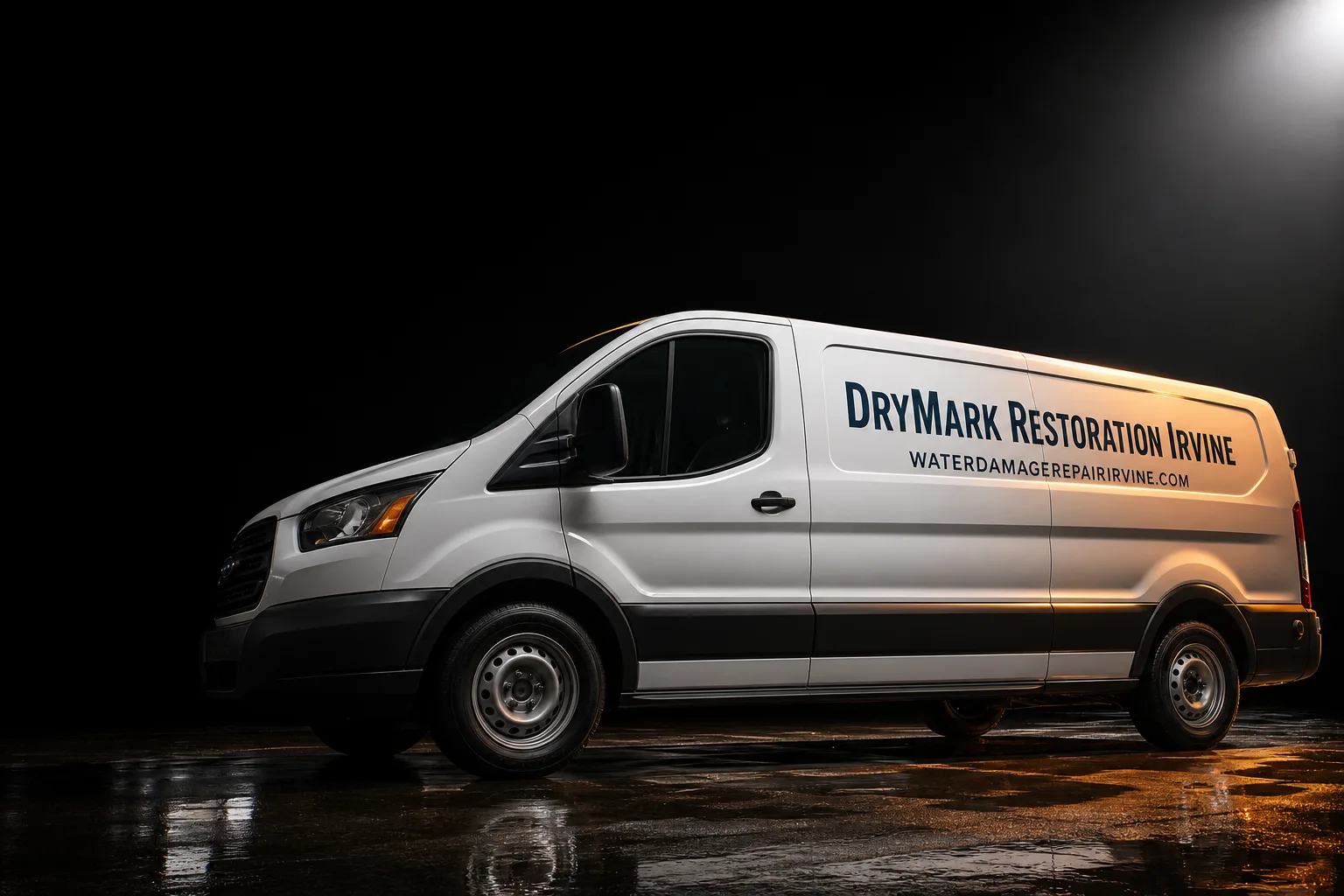
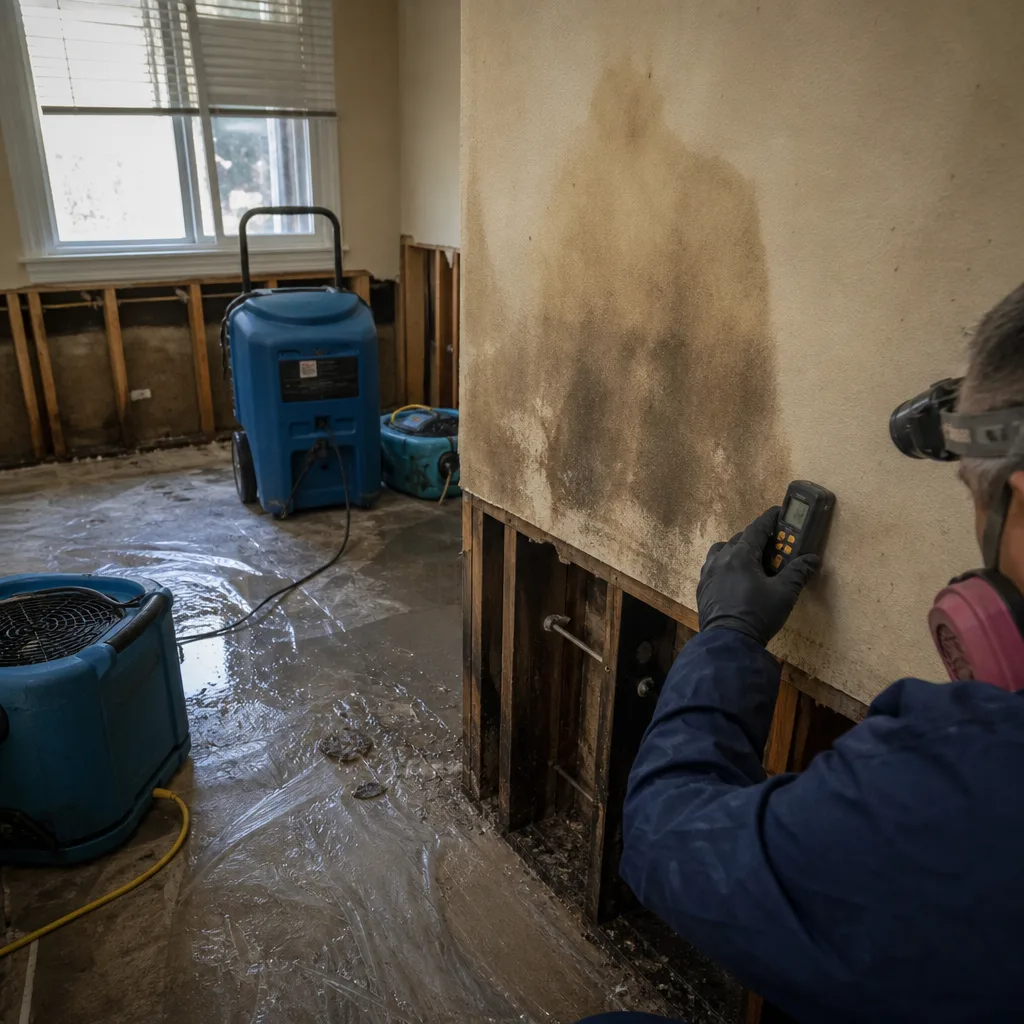
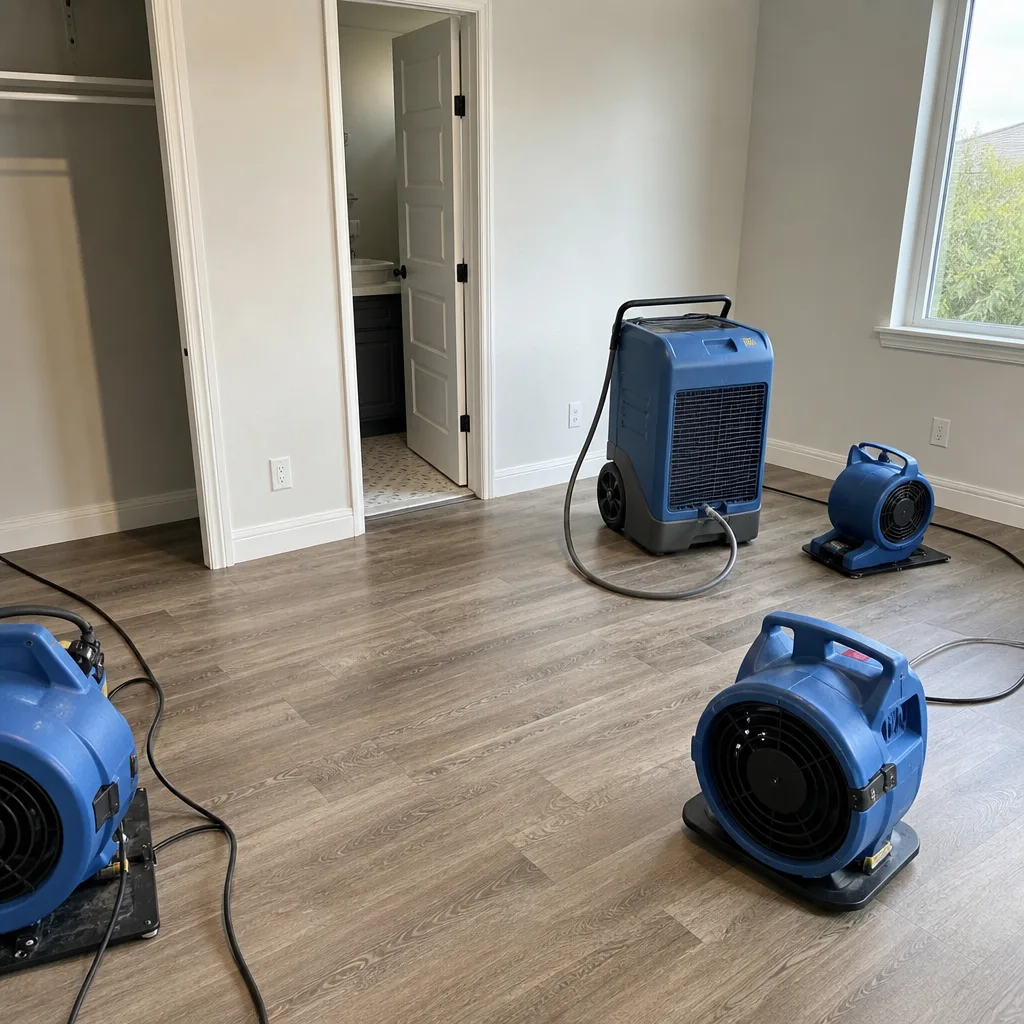
Free visual inspection and a written scope of work before any mitigation begins - photos, moisture readings, and drying logs go in your claim file
The scope we write is the scope we bill. Anything new gets shown to you, in writing, before we touch it.
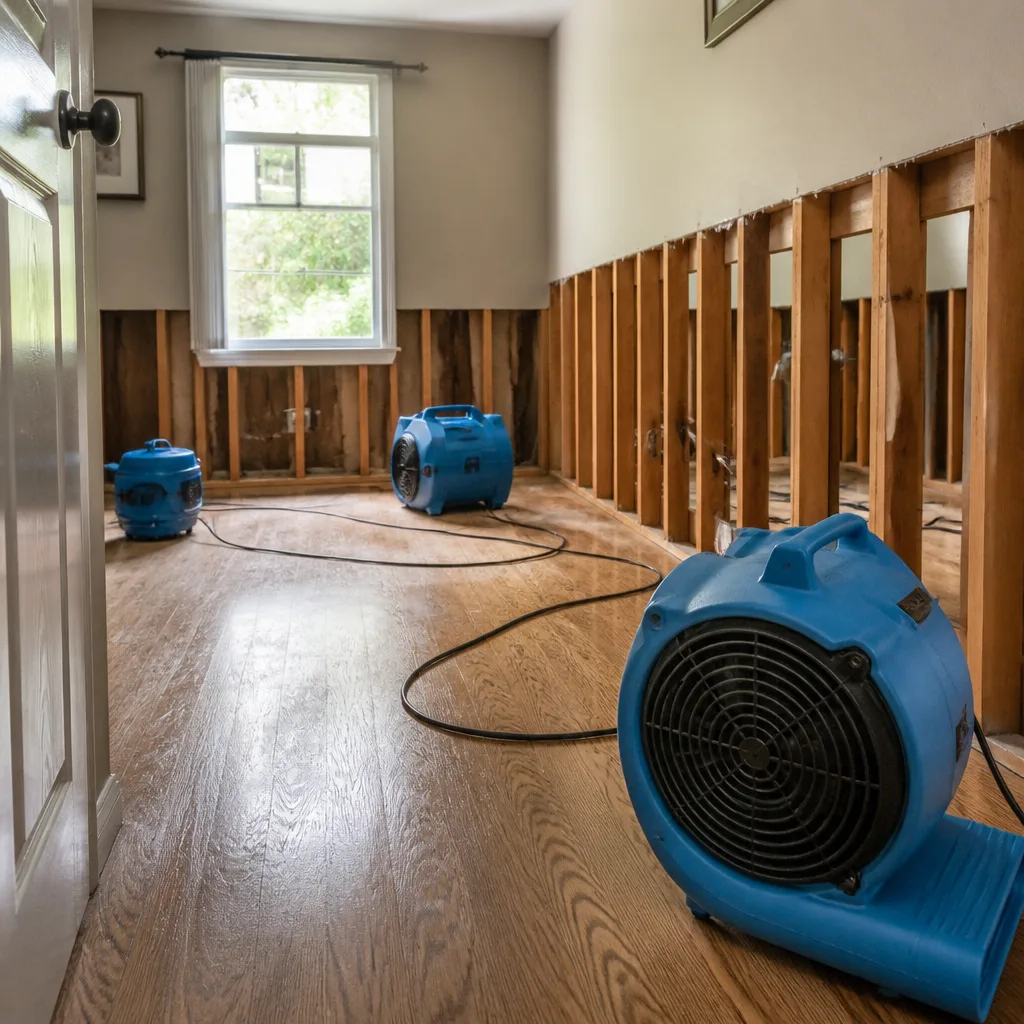
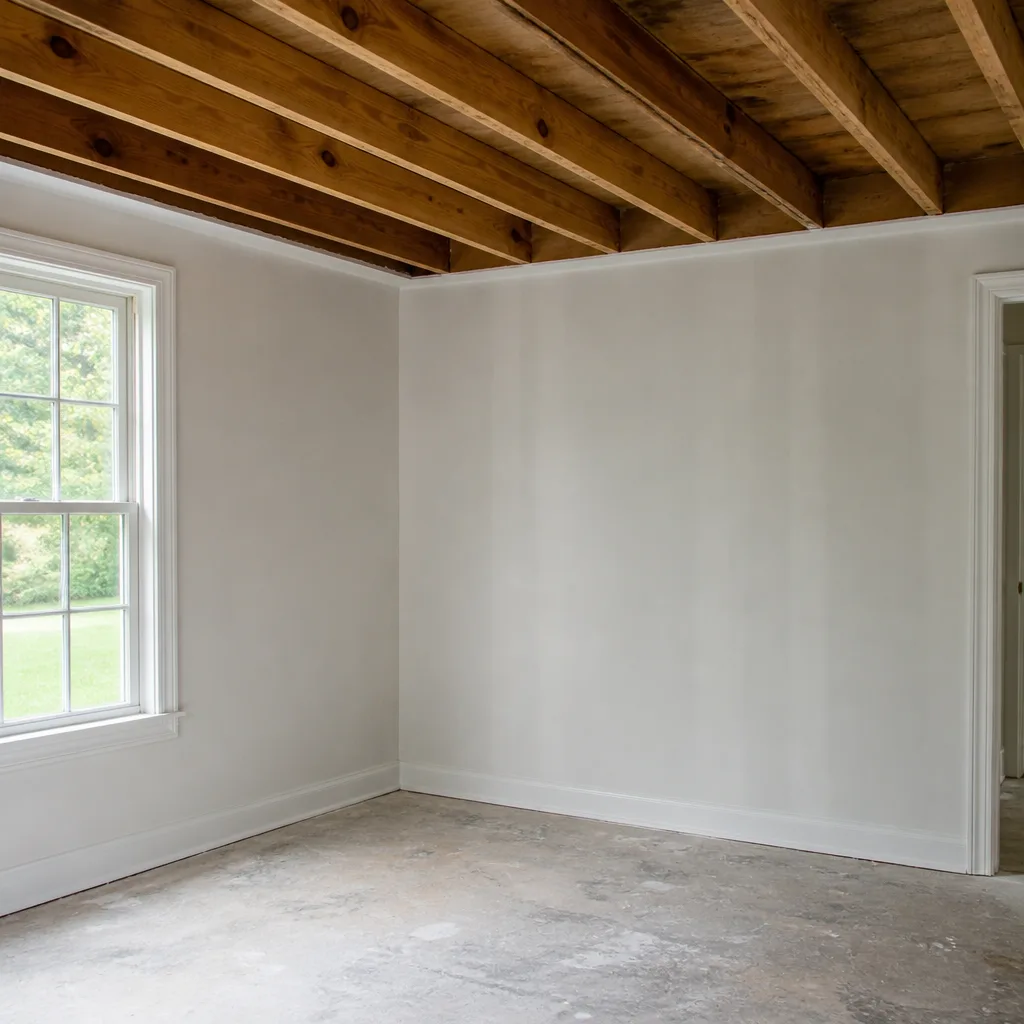
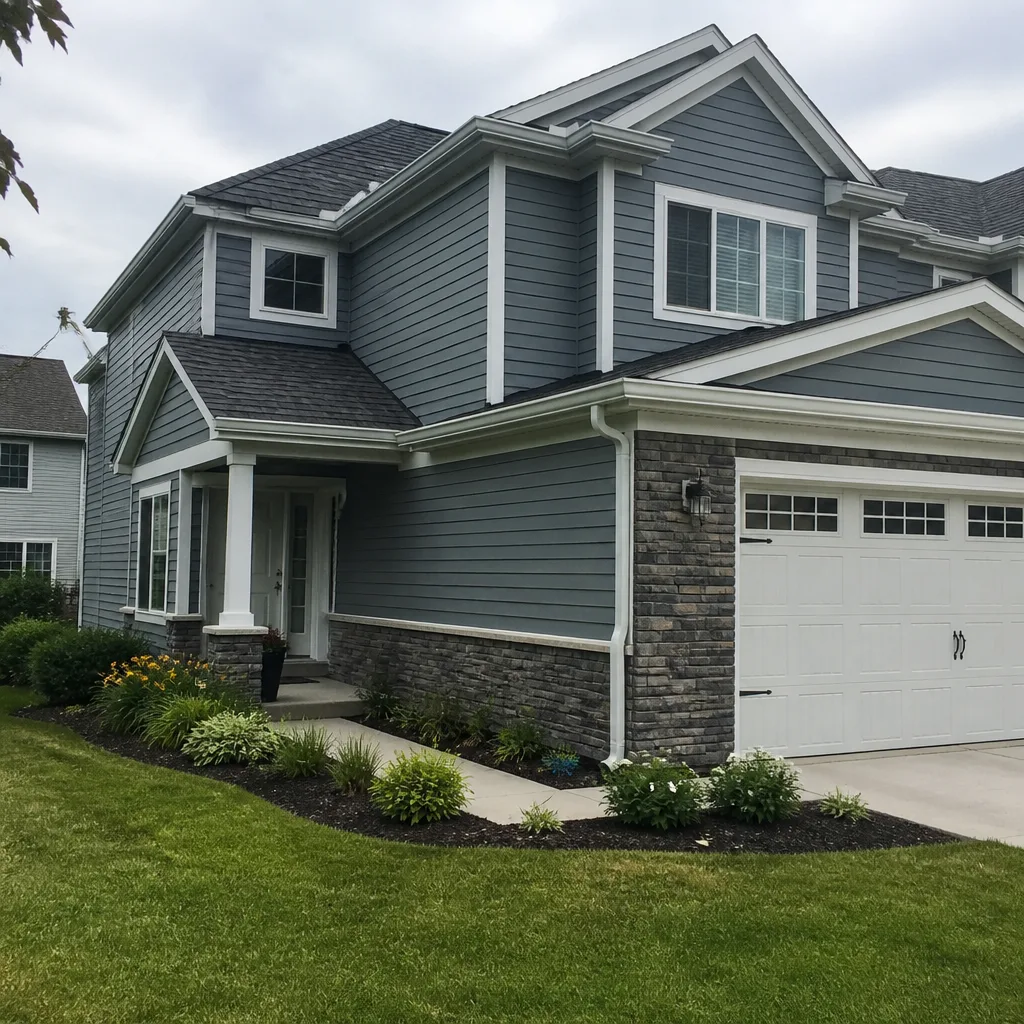
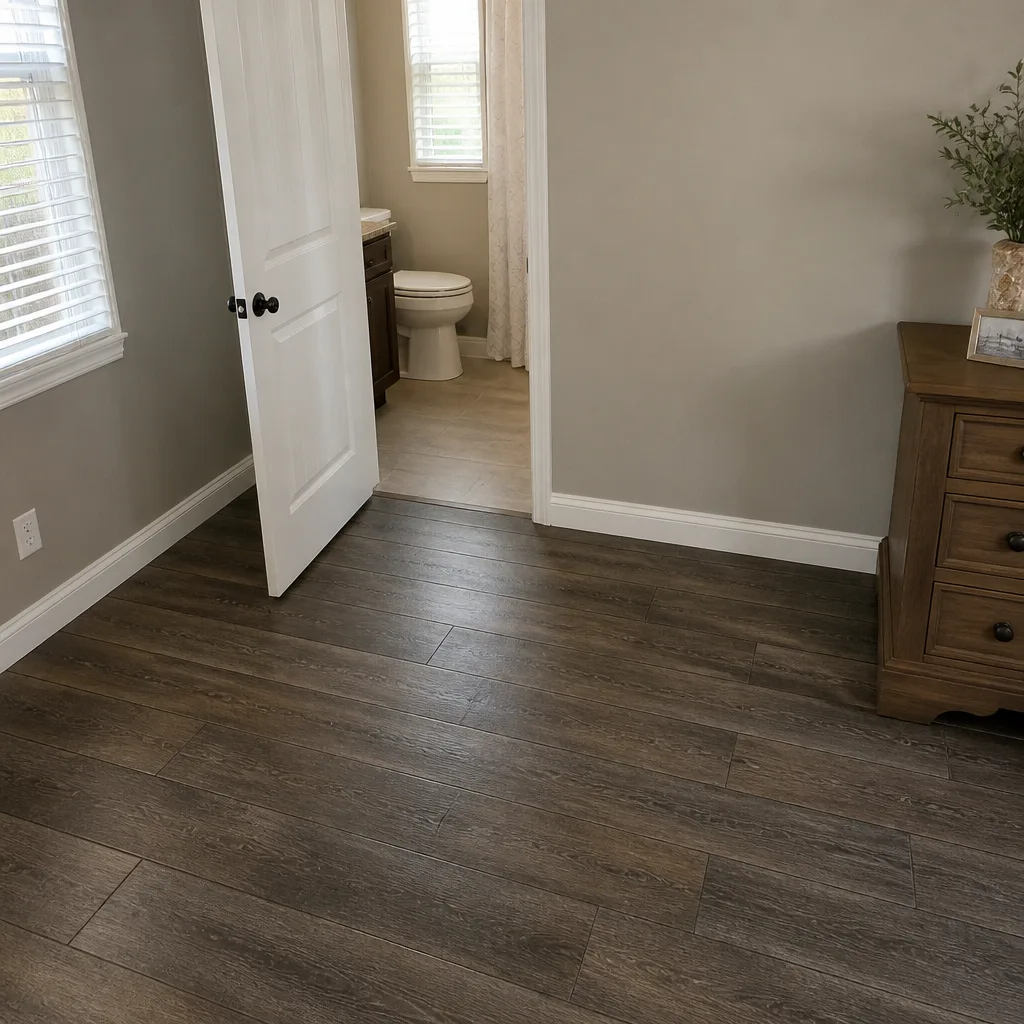
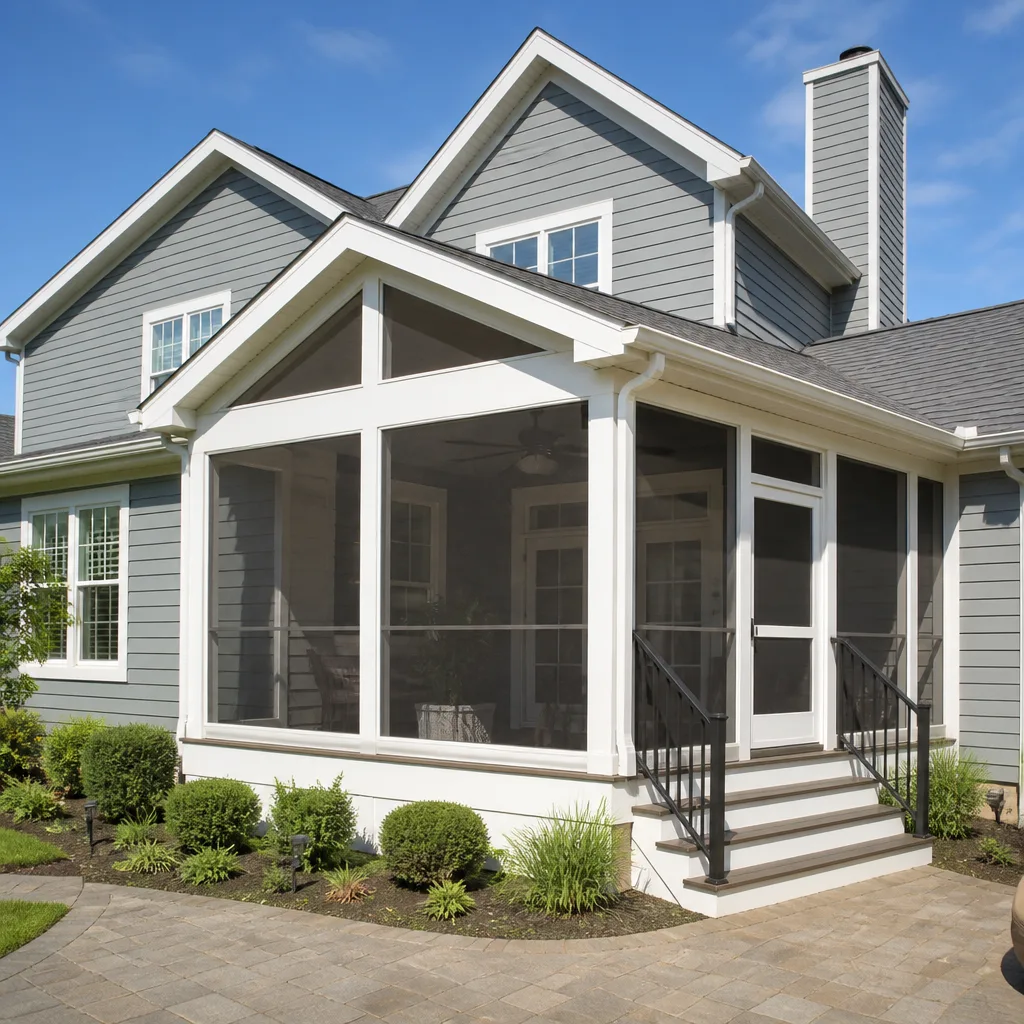
 Before
 After
After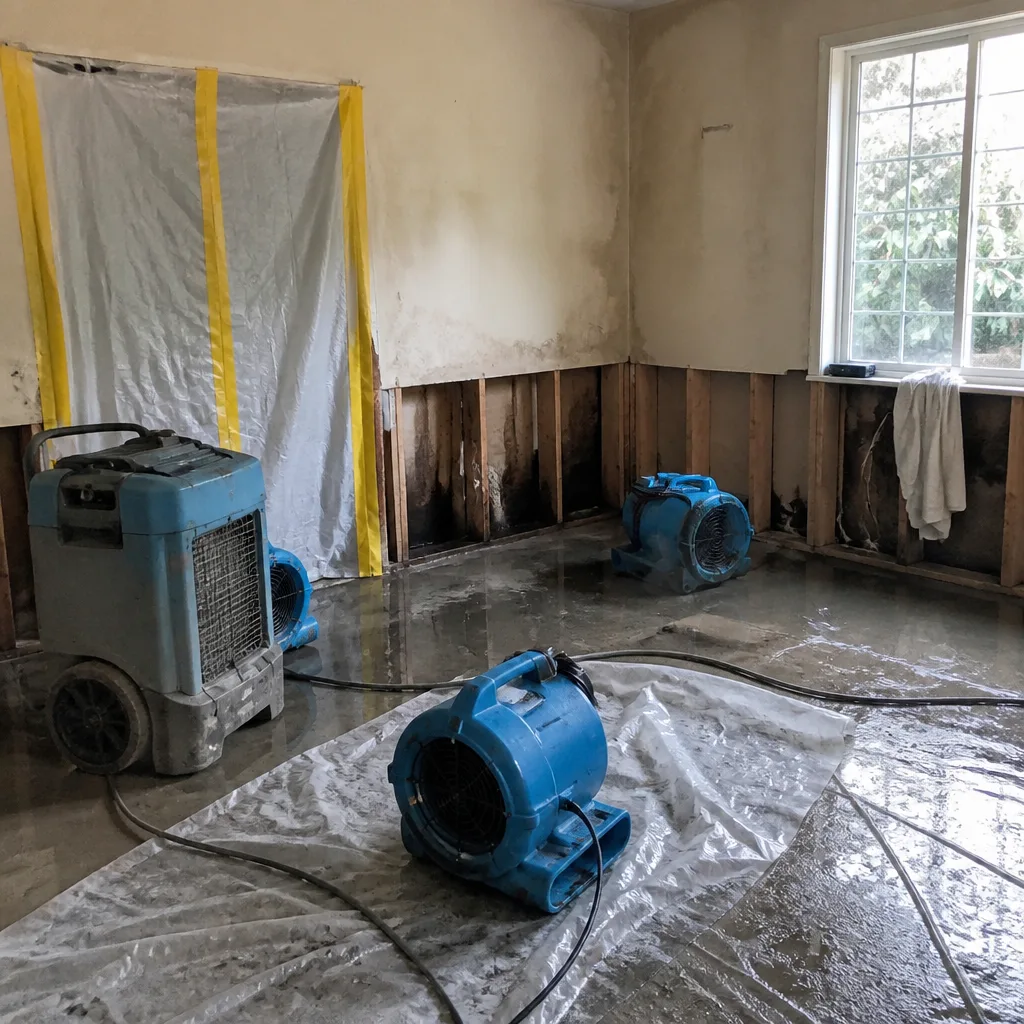 Before
 After
After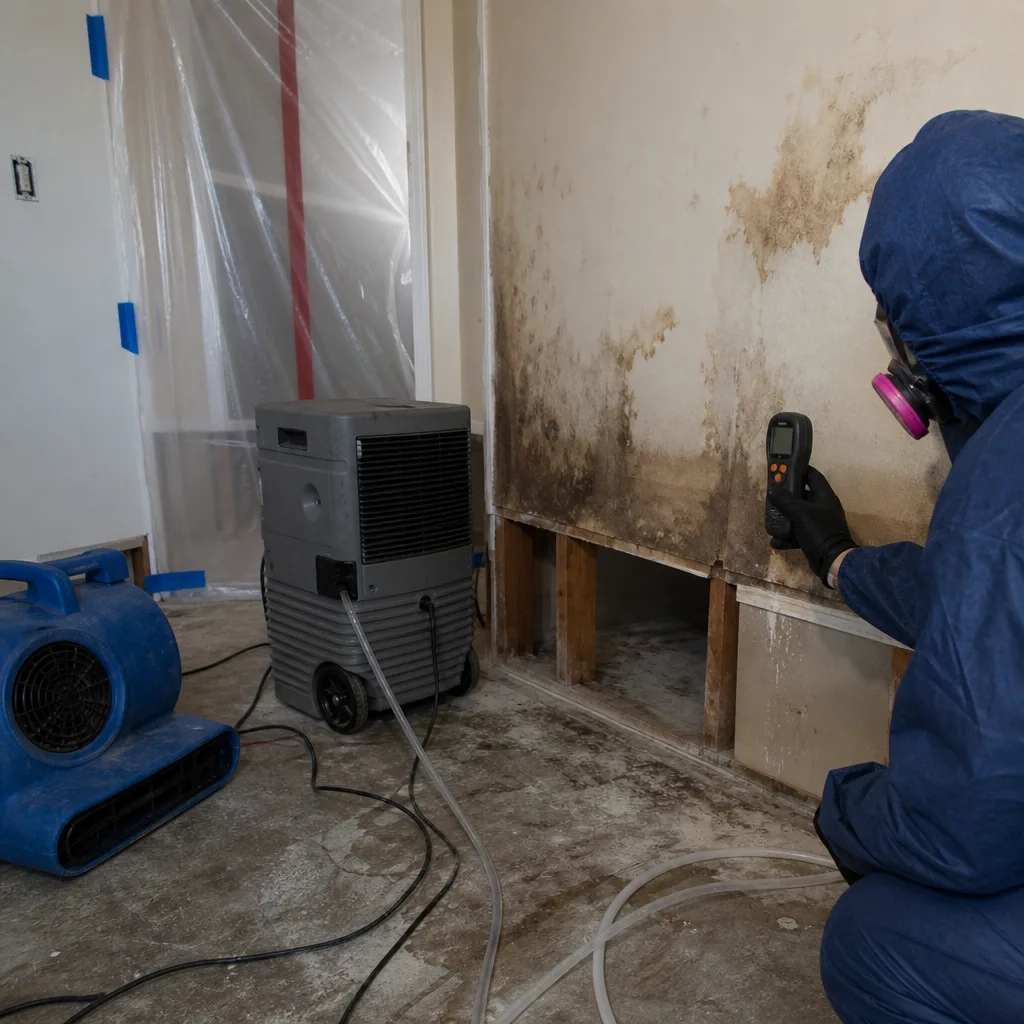 Before
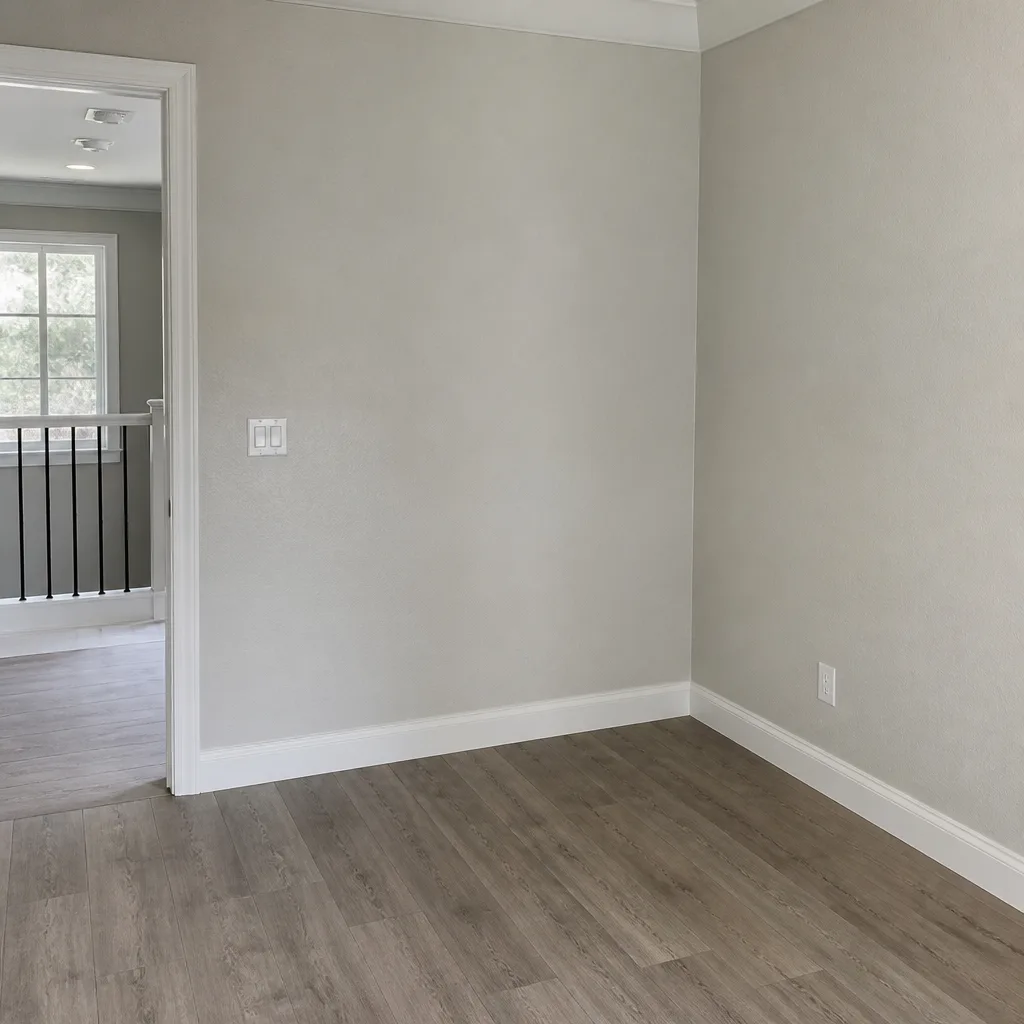 After
After24/7 Emergency Water Damage Restoration in Newport Beach
Water damage restoration in Newport Beach typically costs $2,800-$7,500 for a standard residential extraction and drying job, with severe Category 3 losses or whole-house flooding reaching $15,000-$35,000. Most emergency calls in the Newport Beach area receive a crew on-site within 45 minutes, and our phones are answered live at (657) 212-2570 every hour of every day - no voicemail, no callback queues. The first 60 minutes after water enters a structure determines whether you’re looking at a three-day drying job or a three-month reconstruction. In Newport Beach’s coastal zones, saltwater accelerates corrosion the moment it contacts metal, and the marine layer keeps humidity elevated long after visible water is gone, which means delayed response doesn’t just increase damage - it changes the category of loss and the documentation your insurer will accept.
Understanding Water Damage Restoration Severity in Newport Beach Properties
Water damage falls into three categories that dictate everything from protective equipment to disposal requirements. Category 1 is clean water from a broken supply line or overflowing sink. Category 2 is gray water with chemical or biological contamination, typical of dishwasher discharge or washing machine overflow. Category 3 is black water - sewage, seawater with organic matter, or any water that has passed through the ground or building envelope - and it requires full antimicrobial treatment, removal of porous materials, and specialized drying protocols.
Newport Beach’s housing stock forces these categories into collision. The 1940s-1960s wood-frame beach bungalows on the Balboa Peninsula often have original board sheathing with no vapor barrier and zero subfloor ventilation. When water hits these structures, it wicks vertically through walls rather than pooling predictably. Our moisture mapping with thermal imaging and penetrating hygrometers regularly finds readings 12 to 24 inches above the visible waterline. On the other end, harbor-front estates on Lido Isle and Newport Harbor feature imported stone, hand-crafted millwork, and smart-home infrastructure that can’t be dried with standard methods - specialty desiccant dehumidification and controlled drying chambers protect finishes that have no local replacement source.
The persistent marine layer and salt-laden air off Newport Bay and the Pacific accelerate corrosion of metal fasteners, HVAC components, and electrical systems throughout the structure. Restoration contractors frequently discover corroded infrastructure well beyond the immediate damage zone, particularly in older Peninsula cottages where galvanized framing hardware has been quietly failing for decades. This pre-loss condition must be documented in the initial scope, or insurers will dispute whether the corrosion is flood-related.
Why Newport Beach Property Owners Choose DryMark Restoration Irvine
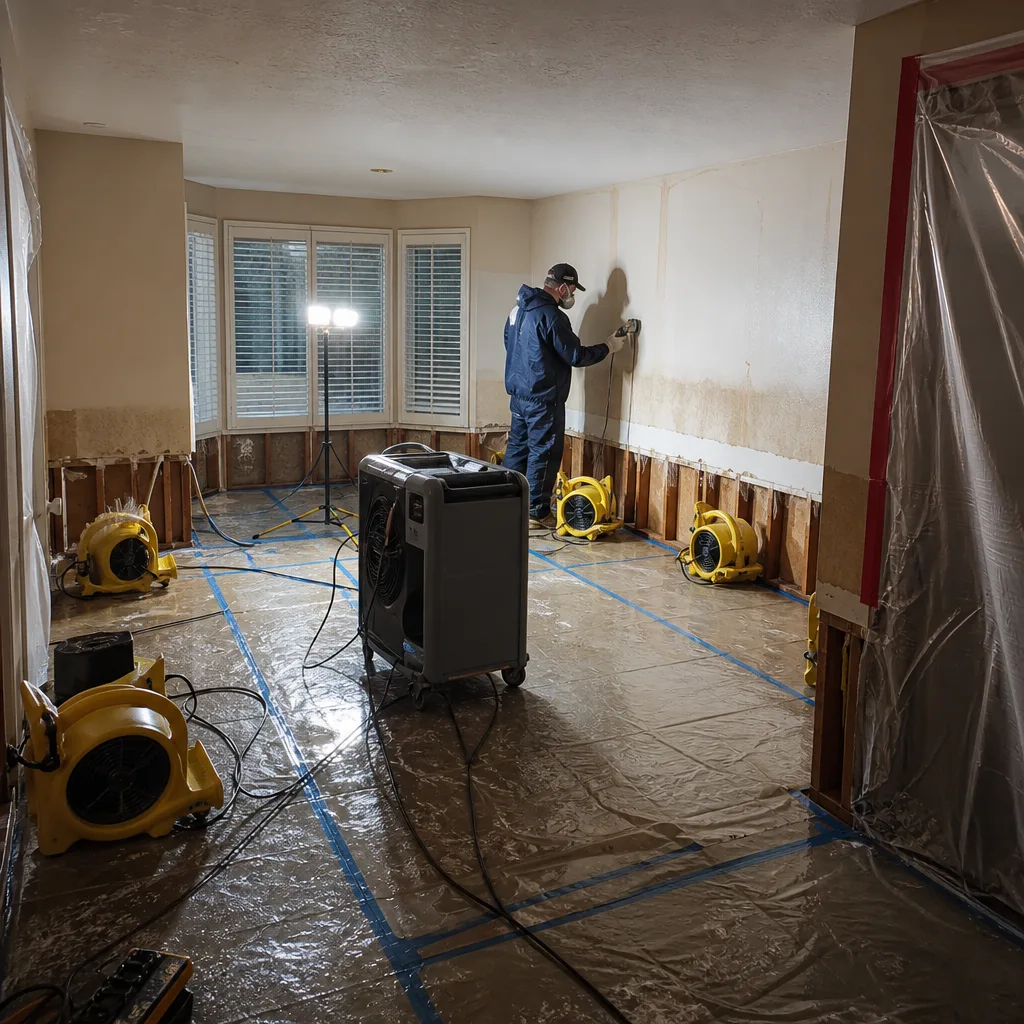
- 45-minute response commitment to anywhere in Newport Beach, from Corona del Mar to the Peninsula, with crews staged for the harbor-area road network.
- 24/7 live answer - a real person picks up at (657) 212-2570, never an automated system, because water doesn’t wait for business hours and neither should your call.
- IICRC-certified crews holding WRT (Water Damage Restoration Technician) and AMRT (Applied Microbial Remediation Technician) certifications, with license numbers documented on every job file.
- Free visual inspection and moisture assessment - we map the loss before quoting, so the written price reflects actual conditions, not a phone guess.
- Direct insurance billing and adjuster coordination - our photo records, drying logs, and line-item scopes are formatted for carrier submission from day one.
- One team from extraction to reconstruction - no handoffs between mitigation and rebuild contractors, no gaps in documentation, no disputed scope items.
 Before
 After
AfterOur Water Damage Restoration Process
1. Inspection & Assessment
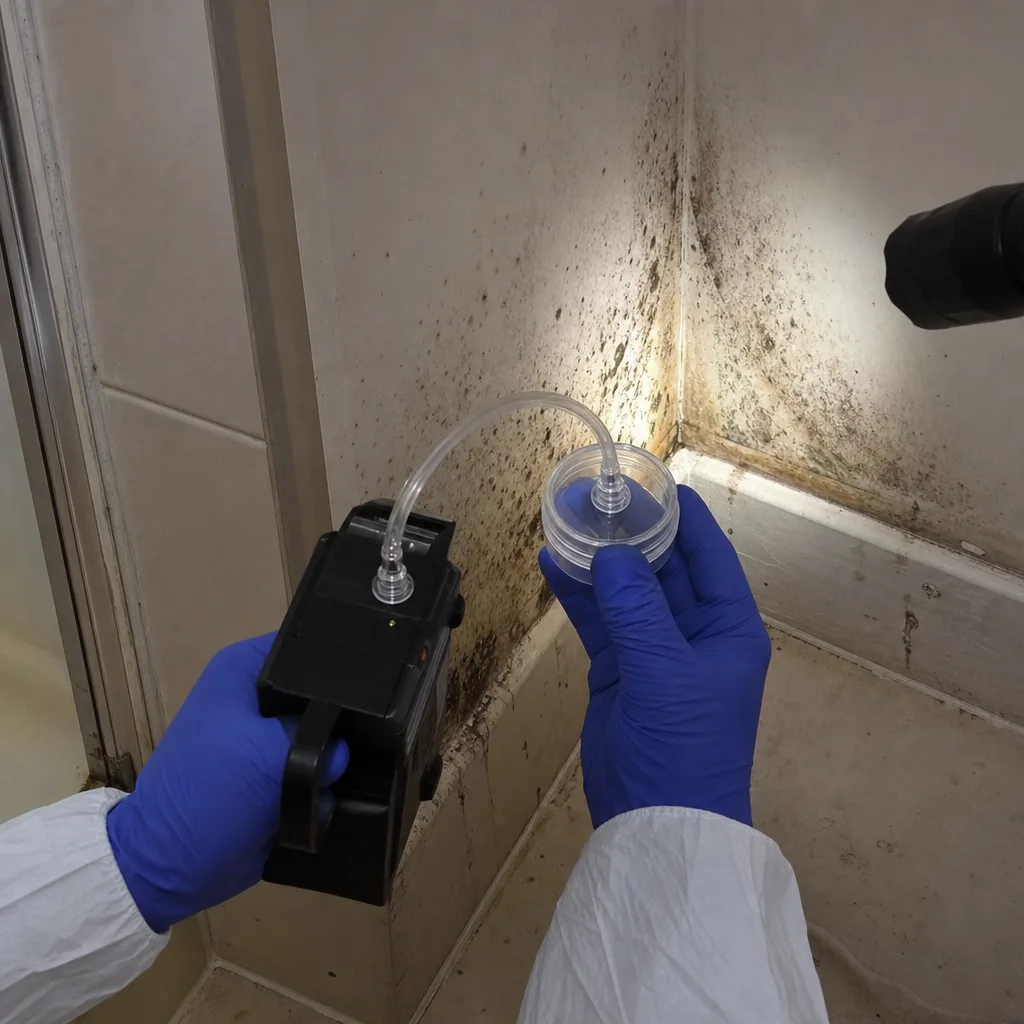
We arrive with thermal imaging cameras, penetrating and non-penetrating moisture meters, and hygrometers to map the full extent of water migration. In Newport Beach’s older bungalows, we pay particular attention to wall cavities and subfloor spaces where original construction lacks vapor barriers. We test water category on every flood call, especially in tide-influenced areas where storm drain backflow may have introduced sewage contamination.
2. Water Extraction & Stabilization
Truck-mounted extraction systems remove standing water at rates exceeding 25 gallons per minute, followed by portable units for confined spaces. For Balboa Island and Peninsula properties with limited street access, we deploy compact but high-capacity XPOWER and B-Air extraction tools that fit through narrow entries without sacrificing throughput. We document pre-loss condition of all visible materials before any water touches them.
3. Structural Drying & Dehumidification
We deploy Dri-Eaz and Phoenix LGR dehumidifiers sized to the affected cubic footage, paired with high-velocity air movers positioned to create vapor pressure differential - the force that pulls moisture from wet materials into the drier air. In Newport Beach’s salt-air environment, we monitor for secondary corrosion daily, and in unventilated subfloors common to 1950s construction, we use Injectidry systems to force dry air through enclosed cavities.
4. Cleaning & Sanitization
Category 2 and 3 losses receive antimicrobial treatment with EPA-registered products, applied to all affected structural materials. HEPA air scrubbers run continuously during this phase to capture airborne particles. On Balboa Island, where tide-influenced storm drains can introduce sewage, we follow Category 3 protocols even when the water initially appeared clean - testing confirms, but we don’t wait for results to begin containment.
5. Salt-Air Corrosion Assessment & Specialty Treatment
The marine layer that makes Newport Beach livable also degrades metal systems silently. We inspect HVAC coils, electrical panels, and framing fasteners beyond the visible waterline for pre-existing or accelerated corrosion, documenting findings with dated photos. Harbor-front properties with smart-home infrastructure receive specialized evaluation of low-voltage and control systems that standard drying protocols can damage.
6. Repairs & Restoration
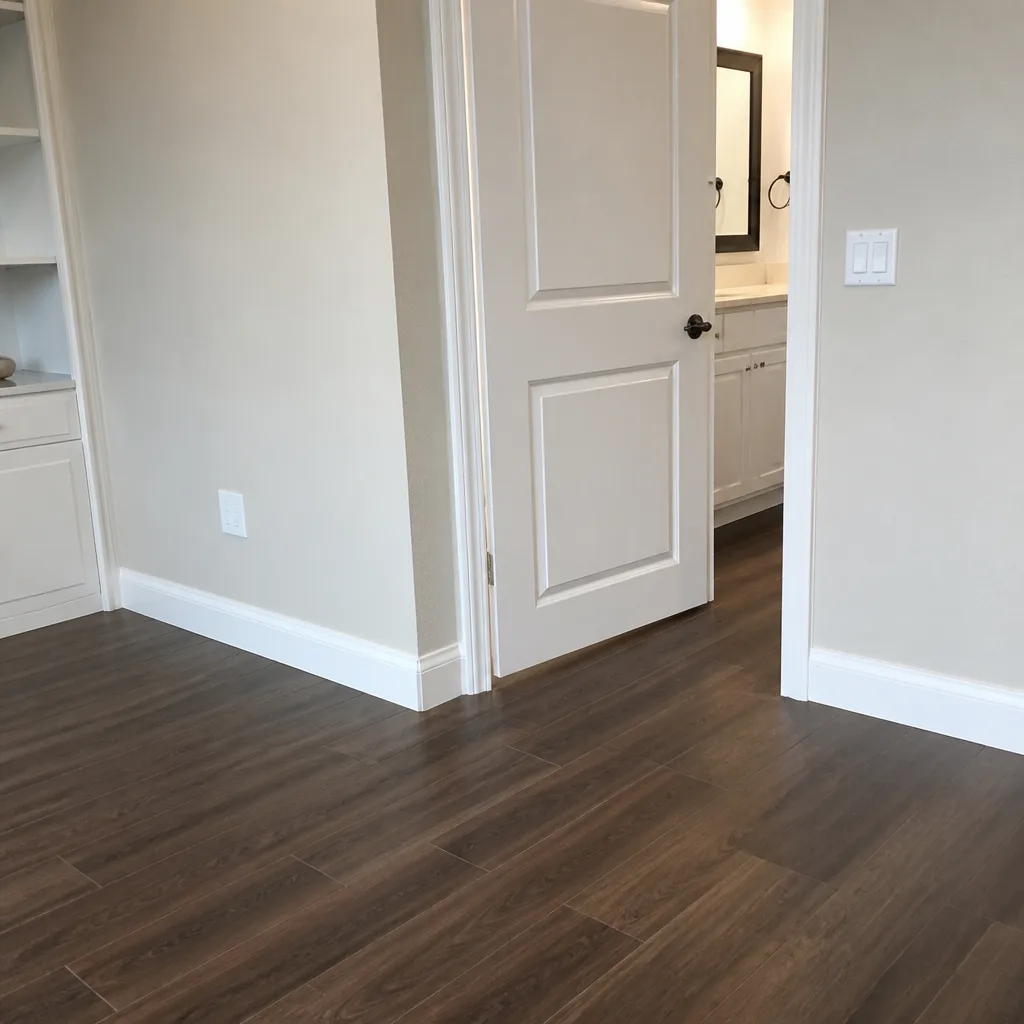
Our reconstruction team works from the documented scope, not verbal estimates. Materials are specified by grade and manufacturer, with allowances for matching existing finishes on custom homes. Every job closes with a final moisture verification reading, a completed drying log, and the 365-Day Done Right Promise under The Haven Standard.
Need Emergency Water Damage Restoration in Newport Beach Now?
Crews minutes away, answering live 24 hours a day. The sooner we start, the less it costs.
Working With Your Insurance Company
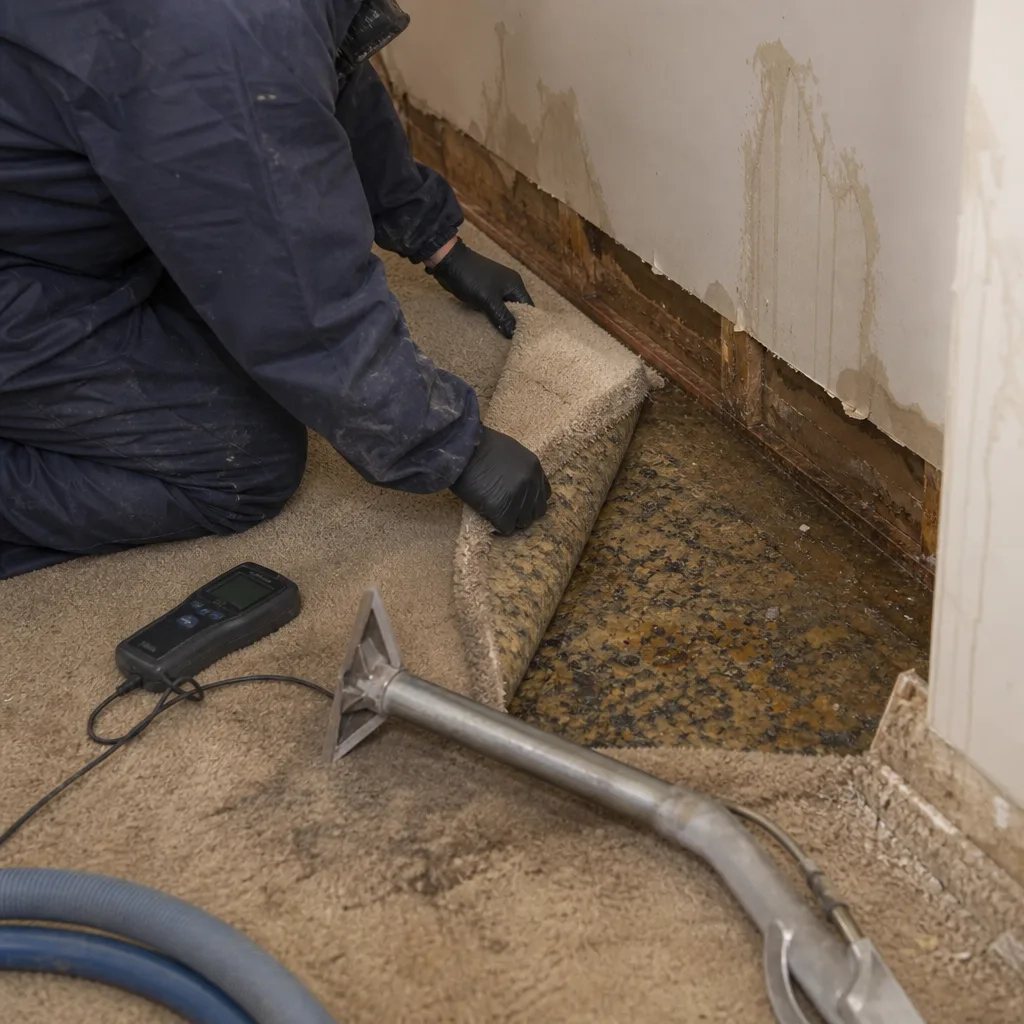
Insurance claims fail at the documentation stage more often than at the damage assessment stage. We know this because Alicia Brennan founded Back to Dry Restoration in 2011 after years as a claims adjuster watching homeowners lose coverage over missing photos, incomplete moisture logs, and scopes that didn’t match the final invoice. Every Newport Beach job we handle begins with photo documentation in the first hour, continues with daily drying logs recording psychrometric data - temperature, relative humidity, and specific humidity readings - and ends with a line-item scope formatted to the industry-standard estimate platforms carriers expect.
We communicate directly with your adjuster, not through you as a relay. Our documentation package includes moisture mapping diagrams, equipment placement records, and material classification by trade name. For FEMA-designated repetitive-loss structures common on the Balboa Peninsula, we add flood-zone documentation and elevation certificate references that standard mitigation crews often omit. This is the documentation gap that costs homeowners their claims. We built our company to close it.
What We Provide Your Insurer
- Thorough documentation of the loss
- Photos of all damage, room by room
- Moisture readings and drying logs
- A detailed, line-item scope of work
- Direct coordination with your carrier
Built for Newport Beach’s Loss Calendar
Newport Beach’s water damage calendar runs on coastal mechanics, not inland weather patterns. January through March brings king tides - extreme high tides that push seawater through seawalls, into floor vents, and up through tide-influenced storm drains on Balboa Island. El Niño winters amplify these events with storm surge that overtops protective barriers. April through June sees the marine layer at its most persistent, slowing natural evaporation in structures where drying equipment has been removed too early. July through September brings rare but intense thunderstorm cells that overwhelm older roof drainage on Peninsula bungalows with original gutters and downspouts. October through December is the secondary king tide season, overlapping with early winter storm systems.
The critical distinction: Newport Beach’s barrier-island communities experience repetitive tidal flooding that no inland Orange County city faces. Many of these properties are FEMA-designated repetitive-loss structures, which means restoration contractors must navigate flood-zone documentation and insurance complexities that are rare elsewhere in the county. Standard water damage playbooks don’t account for saltwater intrusion, tide-driven sewage backflow, or the corrosion cascade that follows.
Water Damage Restoration Across Newport Beach’s Neighborhoods
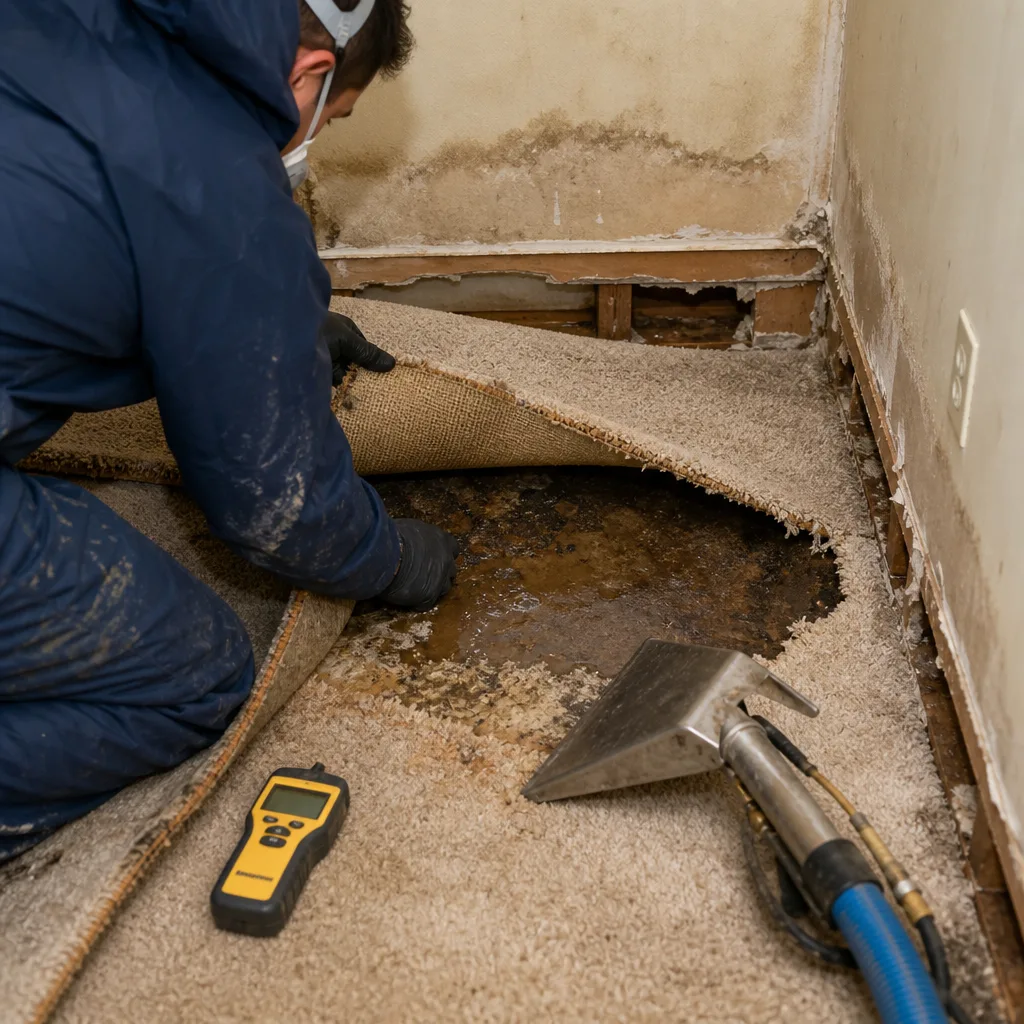
Balboa Island sits just a few feet above sea level between the Pacific and Newport Bay, and its municipal storm drain system is tide-influenced - meaning what looks like a clean rainwater flood may actually be Category 3 sewage-contaminated loss. We test for this immediately on every Island call. The 200 block of South Bay Front and similar low-lying streets see repeated flooding during king tides, and the 1940s-era cottages there have original board sheathing with no vapor barrier, so moisture wicks upward unpredictably.
The Balboa Peninsula stretches south with a similar vintage housing stock - 1950s bungalows with unventilated subfloors and galvanized hardware that’s been corroding for decades. Our crews know to check fasteners well beyond the visible waterline, because insurers will dispute whether that corrosion is flood-related or pre-existing without documentation.
Lido Isle presents the opposite challenge: harbor-front estates with imported stone, custom millwork, and smart-home systems that require controlled drying chambers and specialty desiccant dehumidification. Standard air movers and LGR units can destroy finishes that have no local source for replacement.
Corona del Mar and the harbor-front hills climb away from the tide zone, but they’re not immune. Older hillside homes with original plumbing and the same salt-air corrosion patterns see burst pipe losses and slow leaks that go undetected until mold colonization is established. Our response routes account for the Coast Highway corridor and the MacArthur Boulevard access that feeds the interior neighborhoods.
Specialized Water Damage Restoration Services We Offer in Newport Beach
Emergency Water Extraction
Standing water begins degrading materials within minutes, and in Newport Beach’s salt-air environment, corrosion starts the moment seawater contacts metal. Our truck-mounted and portable extraction systems remove water at rates scaled to the property, with compact units for Balboa Island’s narrow street access. Every extraction is documented with before-and-after photos and moisture readings.
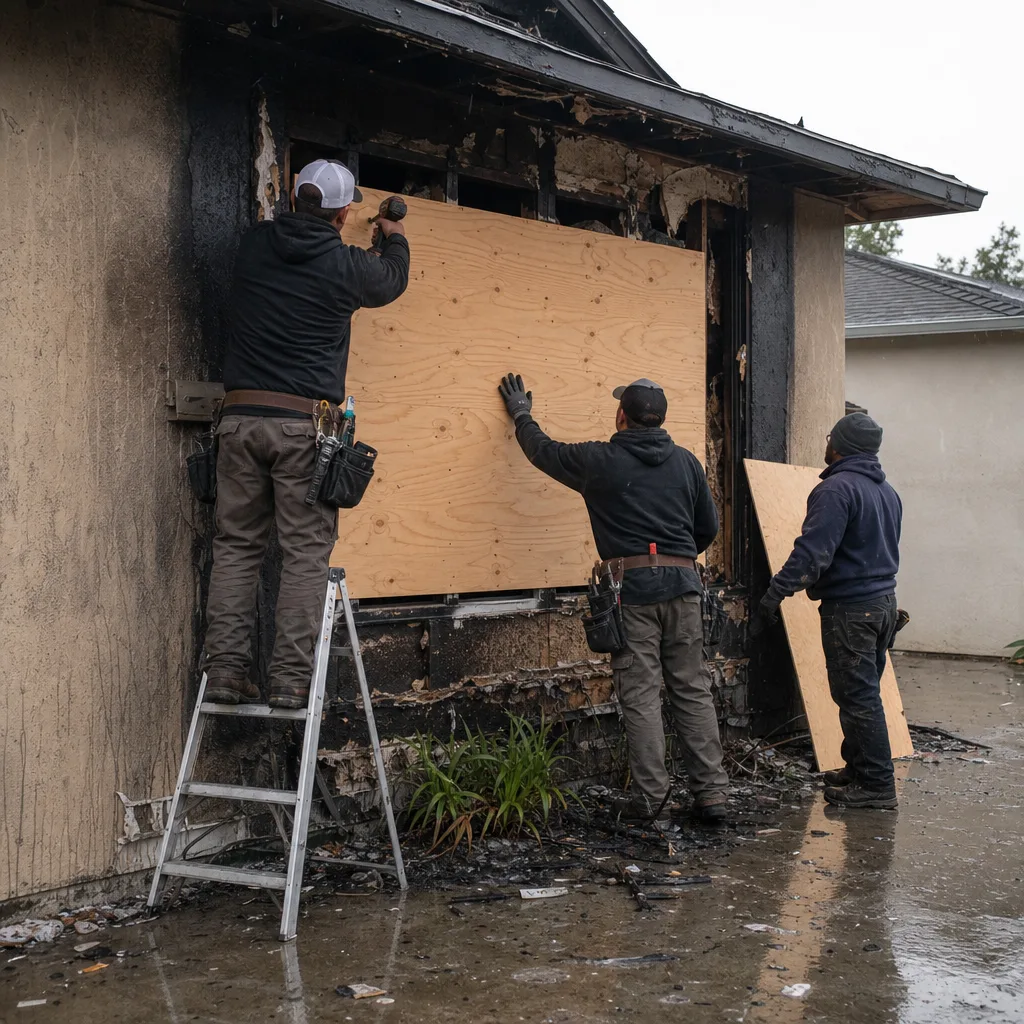
Structural Drying & Dehumidification
We size dehumidification to the affected cubic footage using psychrometric calculations, not rules of thumb. In 1950s Peninsula bungalows with no vapor barrier, we use Injectidry systems to force dry air through wall cavities that would otherwise trap moisture. Daily drying logs record temperature, relative humidity, and specific humidity - the documentation that turns restoration invoices into payable claims.
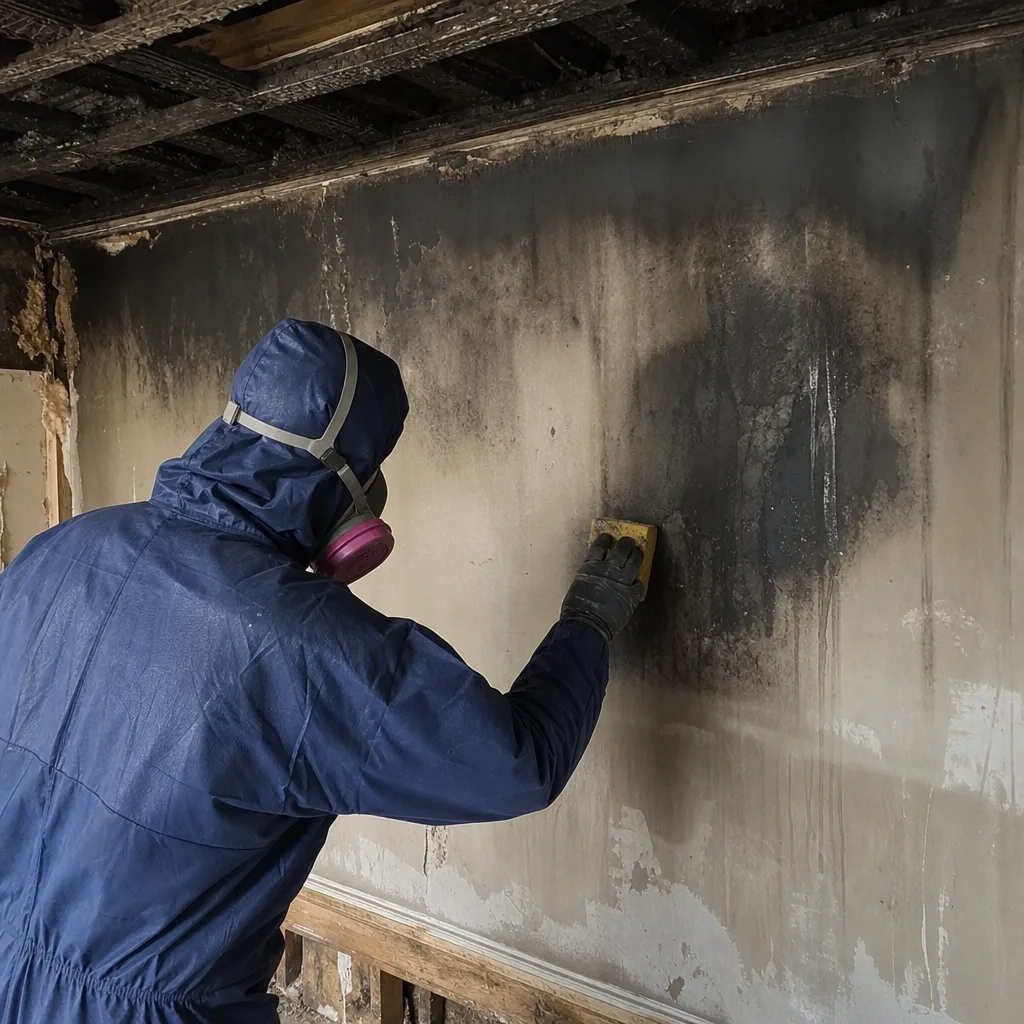
Flood Cleanup
Newport Beach flood cleanup requires category testing on every call, especially in tide-influenced areas. Saltwater floods carry organic matter and chemical contaminants that change remediation protocols entirely. We assume Category 3 when storm drain backflow is possible, then confirm with laboratory testing. This conservative approach protects homeowners from incomplete remediation and future liability.
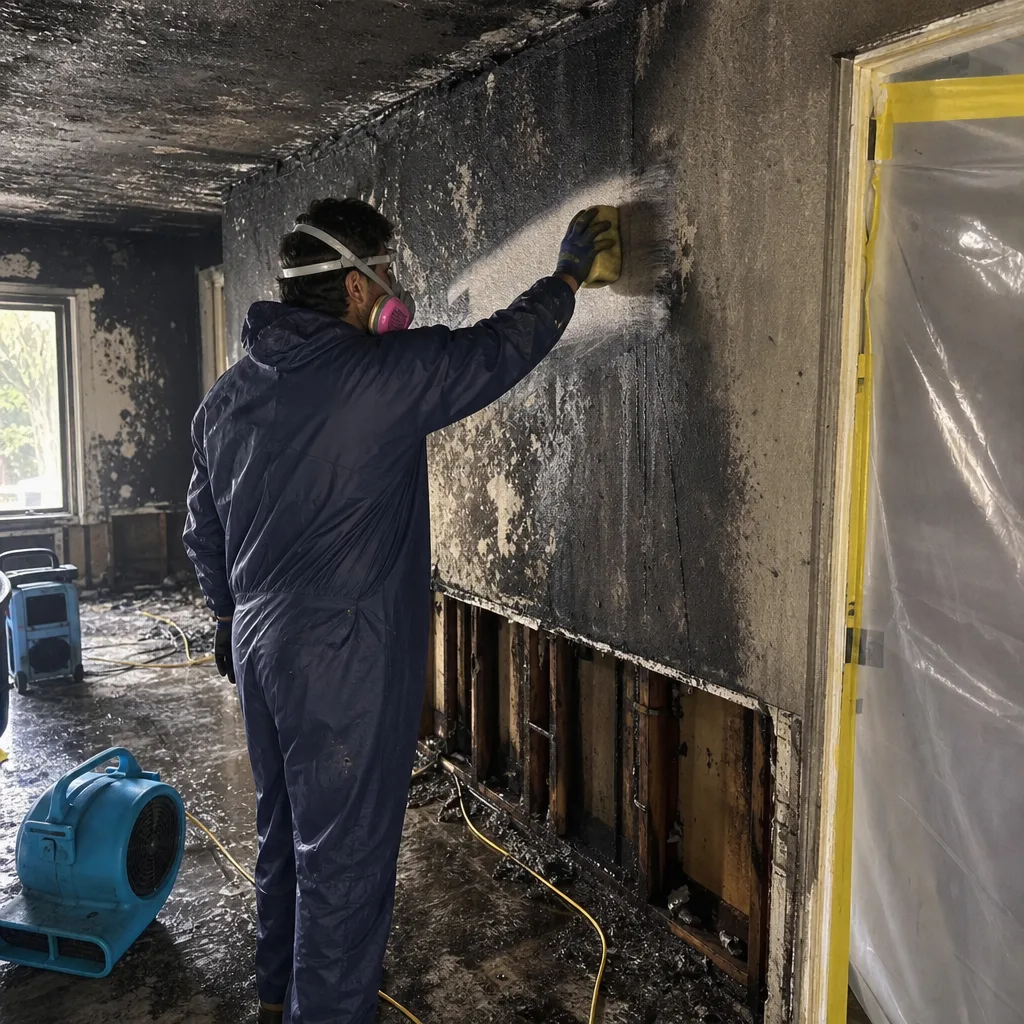
Burst Pipe Restoration
Older homes throughout Newport Beach, from original Peninsula cottages to hillside properties in Corona del Mar, have aging copper and galvanized supply lines that fail without warning. We extract, dry, and document the full extent of migration, including hidden damage in wall cavities and subfloors where water traveled before the break was discovered.
Basement Water Removal
True basements are rare in Newport Beach’s coastal zone, but lower-level living spaces and converted crawl spaces on the Island and Peninsula face similar challenges. Limited access, unventilated construction, and tide-driven hydrostatic pressure create flooding conditions that standard pumps can’t address. We deploy submersible and truck-mounted extraction with vapor-barrier assessment for spaces that were never designed to be dry.
What happens when you call
- 1
A real person answersNo phone trees - you reach a local pro.
- 2
You get an upfront price rangeHonest numbers before anyone is dispatched.
- 3
A background-checked tech heads outLicensed & insured, dispatched right away.
- 4
You approve before work beginsNothing starts until you say go.
Water Damage Restoration Costs in Newport Beach, CA
A typical emergency water extraction and structural drying job in Newport Beach runs $2,800-$7,500 for residential properties with 500-2,000 square feet of affected area. Category 3 sewage or saltwater contamination adds $1,500-$4,000 for antimicrobial treatment, removal of porous materials, and specialized disposal. Whole-house flooding or severe losses in large harbor-front estates reach $15,000-$35,000, with reconstruction costs additional.
What moves the price: the water category (clean vs. contaminated), the affected square footage, the presence of specialty finishes requiring controlled drying, and the accessibility constraints of coastal properties with limited equipment staging areas. Insurance typically covers sudden and accidental water damage from burst pipes or storm entry; gradual leaks and maintenance-related issues are usually excluded. Our free visual inspection produces a written scope and firm price before any work begins - Haven Standard, Clause 1. We also provide a Free Second Opinion on any competitor’s written estimate.
We Also Serve Cities Near Newport Beach
Our crews respond throughout coastal Orange County, including Newport Beach and neighboring Costa Mesa to the north, Fountain Valley and Tustin inland, and Santa Ana to the northeast. Dispatch and scheduling are coordinated from our Los Angeles office, with local crews serving each community.
Serving Newport Beach, CA - Our Local Coverage Area
We’re based in the Newport Beach area and know this community well. Use the map below to see our service coverage - if you’re nearby, we can almost certainly help.
Newport Beach Water Damage Restoration Questions, Answered
A king tide flooded my Balboa Island home - is that just rainwater I can dry out myself with fans?
No. Balboa Island’s tide-influenced storm drains can backflow sewage during high-water events, which means your flood is likely Category 3 black water requiring professional antimicrobial treatment and removal of porous materials. Drying it yourself with fans will spread contamination through your HVAC system and leave a health hazard inside walls. Call (657) 212-2570 for immediate category testing and containment.
Why do Newport Beach restoration crews find corrosion damage beyond the flooded area?
The persistent marine layer and salt-laden air off Newport Bay and the Pacific accelerate corrosion of metal fasteners, HVAC components, and electrical systems throughout coastal structures. In older Peninsula cottages, galvanized framing hardware has often been failing for decades before any flood occurs. Our moisture mapping and inspection protocols document this pre-loss condition so insurers can’t dispute whether the corrosion is flood-related. Call (657) 212-2570 for an assessment that captures the full damage picture.
My 1950s Peninsula bungalow has original board sheathing and no vapor barrier - does that change how you dry it?
Yes. Without a vapor barrier, water wicks vertically through walls rather than staying in predictable pools, and unventilated subfloors trap moisture that feeds mold colonization within 24 to 48 hours. We use Injectidry systems to force dry air through enclosed cavities and extend drying timelines to account for the slower release. Our daily moisture logs track this progress with readings at multiple wall heights. Call (657) 212-2570 for a drying plan matched to your home’s construction.
What should I expect if my Lido Isle home with imported stone and smart-home wiring floods?
Specialty finishes and low-voltage systems require controlled drying chambers and desiccant dehumidification rather than standard air movers, which can crack stone or damage smart-home controls. We document every finish by manufacturer and source before work begins, and our scope specifies replacement sourcing for materials with no local availability. Call (657) 212-2570 for a written assessment that protects your investment.
My property is a FEMA-designated repetitive-loss structure on the Balboa Peninsula - how does that affect water damage restoration?
Repetitive-loss structures require additional documentation for insurance and federal compliance, including elevation certificates, flood-zone verification, and pre-loss condition records that standard mitigation crews often omit. We build this documentation into every scope from day one, because incomplete records have cost Peninsula homeowners their claims. Our 12,000+ restored homes since 2011 include many repetitive-loss properties. Call (657) 212-2570 for restoration that protects your coverage.
How fast can your crew actually get to Newport Beach?
We commit to 45-minute response anywhere in Newport Beach, with crews staged for the harbor-area road network. Our phones are answered live 24 hours a day at (657) 212-2570 - no voicemail, no callback queues. In saltwater flooding, every minute of delay expands the corrosion zone and changes the scope of work.
Will insurance cover my water damage restoration?
Sudden and accidental water damage from burst pipes, storm entry, or tide-driven flooding is typically covered under standard homeowners policies, though FEMA flood insurance is required for many Peninsula and Island properties. Gradual leaks and maintenance issues are usually excluded. We provide the photo documentation, moisture logs, and line-item scopes that carriers require for approval, and we coordinate directly with your adjuster. Call (657) 212-2570 and we’ll review your coverage as part of the free inspection.
How long does structural drying take in Newport Beach’s climate?
Standard residential drying takes 3-5 days in Newport Beach, but the marine layer’s persistent humidity can extend this by 1-2 days if equipment is undersized or removed prematurely. Older bungalows with no vapor barrier may need 7-10 days for complete cavity drying. We verify completion with moisture meter readings, not visual inspection, and provide daily drying logs throughout. Call (657) 212-2570 for a timeline based on your specific conditions.
We responded to a 1948 wood-frame cottage on the 200 block of Balboa Island’s South Bay Front after a king tide pushed water through the floor vents, and our first moisture mapping pass showed elevated readings 18 inches above the visible waterline - the original board sheathing had no vapor barrier and was wicking saltwater upward. We ran water extraction, set air movers and dehumidification, then treated the exposed framing with antimicrobial treatment after confirming Category 3 contamination from a backed-up storm drain. Because the galvanized framing hardware had been quietly corroding for decades, our drying logs and scope of work had to document pre-loss condition on failed fasteners well beyond the flood line.
That’s the work our Water Damage Restoration team does in Newport Beach: not just drying what’s wet, but documenting what was already failing, testing what category the water actually is, and building a claim file that holds up when the adjuster reviews it. Twelve thousand homes since 2011, every one with a written price before work started and a photo record when the crew left.
Call (657) 212-2570 now. A live person will answer, and we’ll have a crew moving toward your property within minutes.
Written by Alicia Brennan, Owner at Back to Dry Restoration, serving Newport Beach since 2011.
Water Damage Restoration in Nearby Areas