
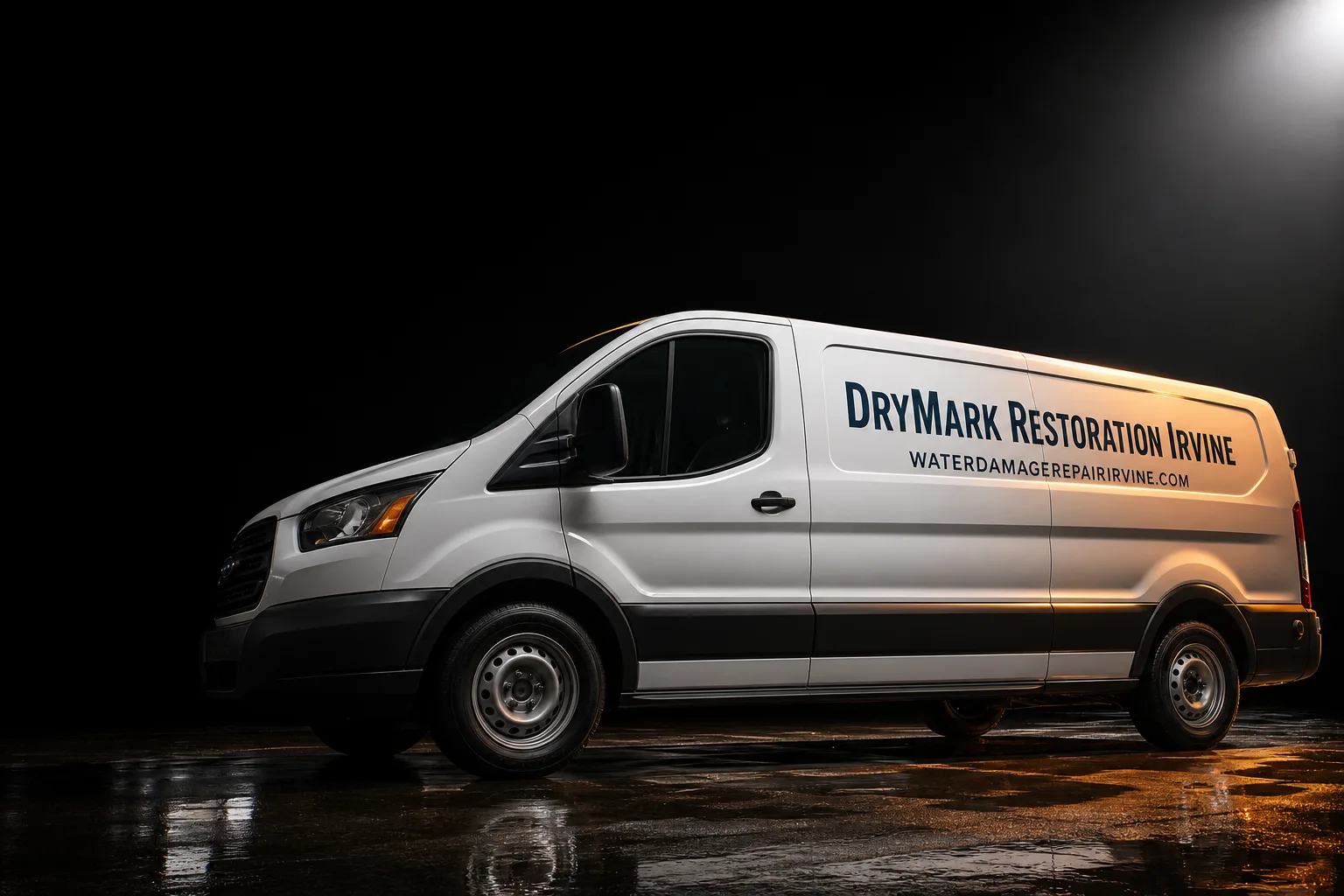
Free visual inspection and a written scope of work before any mitigation begins - photos, moisture readings, and drying logs go in your claim file
The scope we write is the scope we bill. Anything new gets shown to you, in writing, before we touch it.
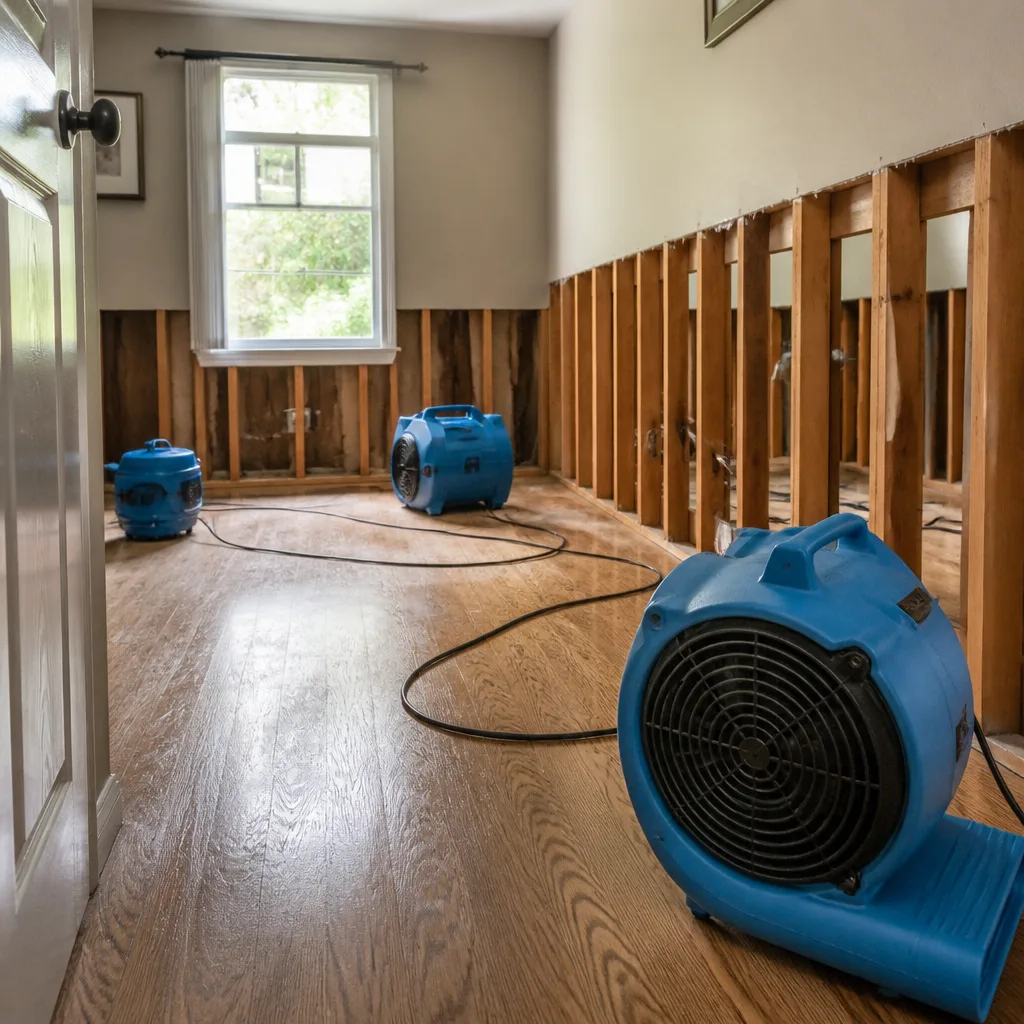

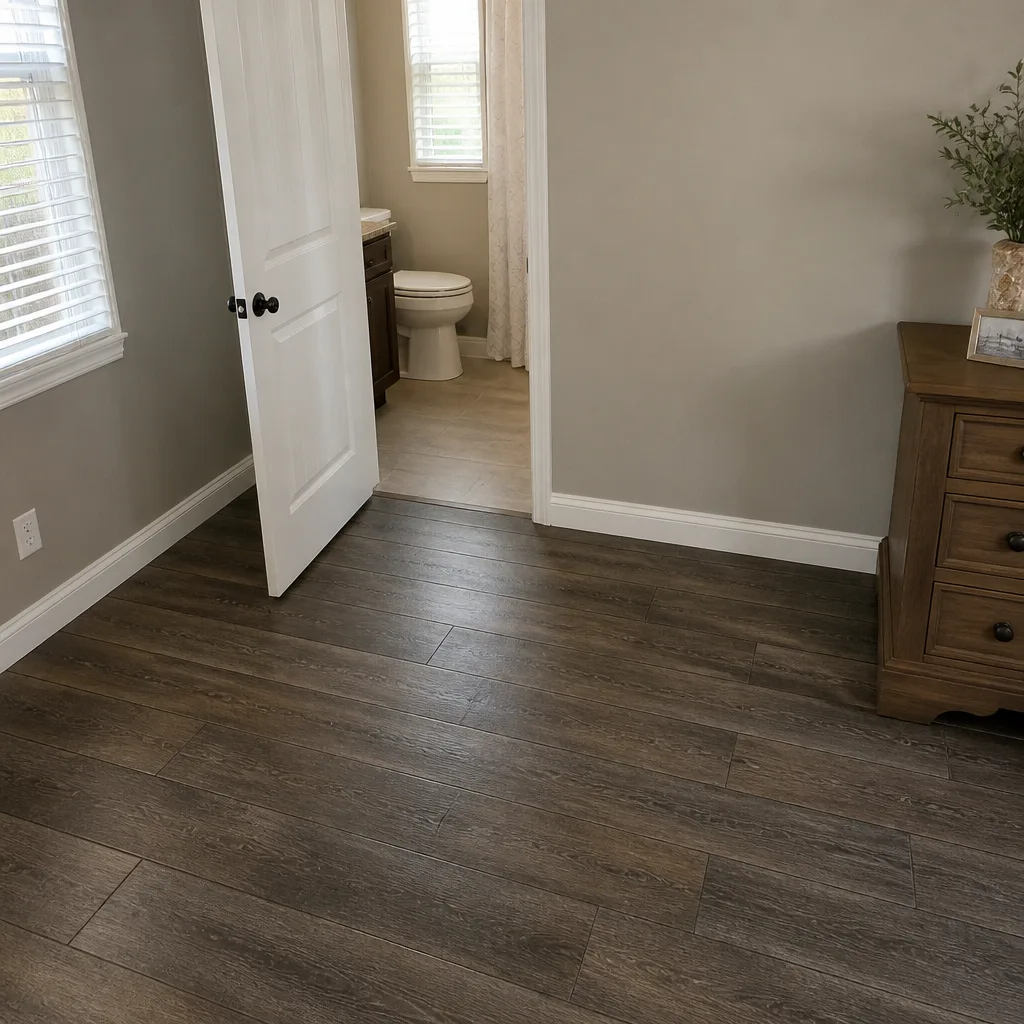

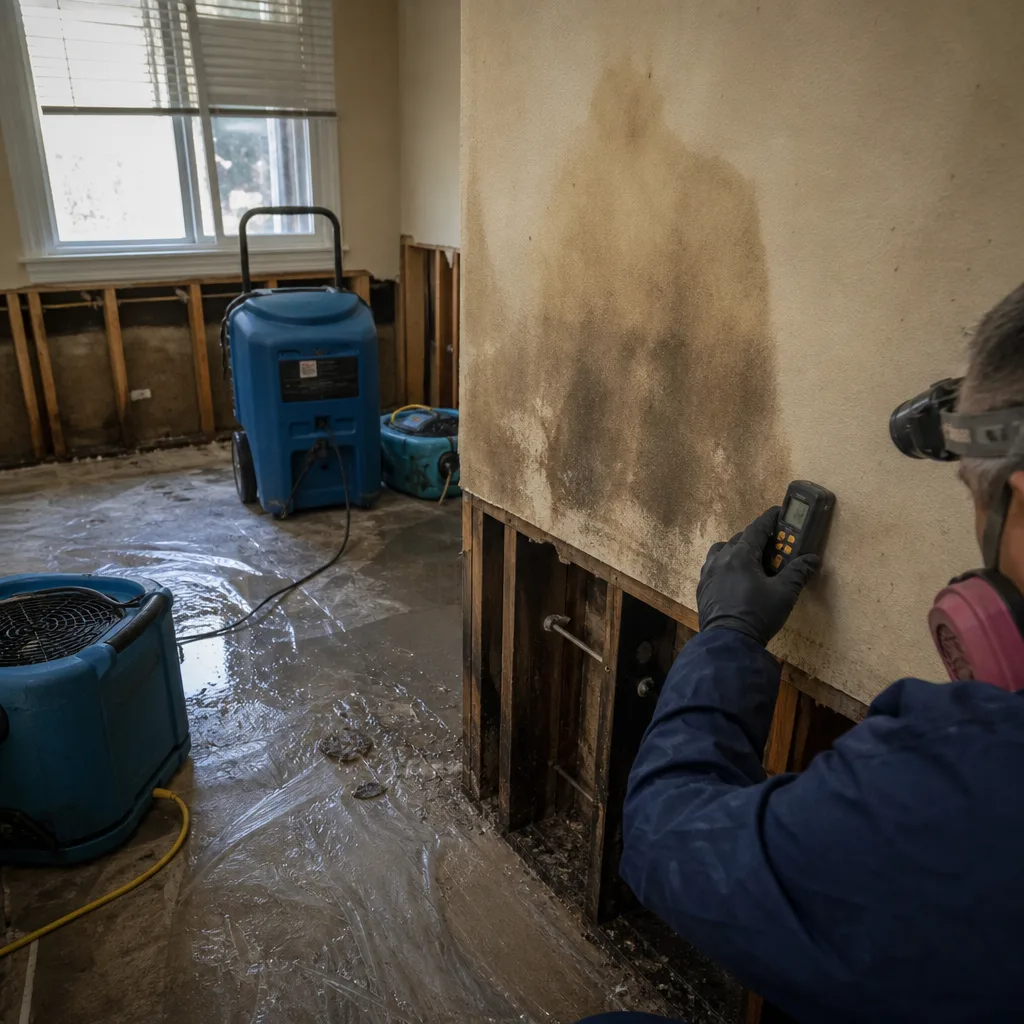 Before
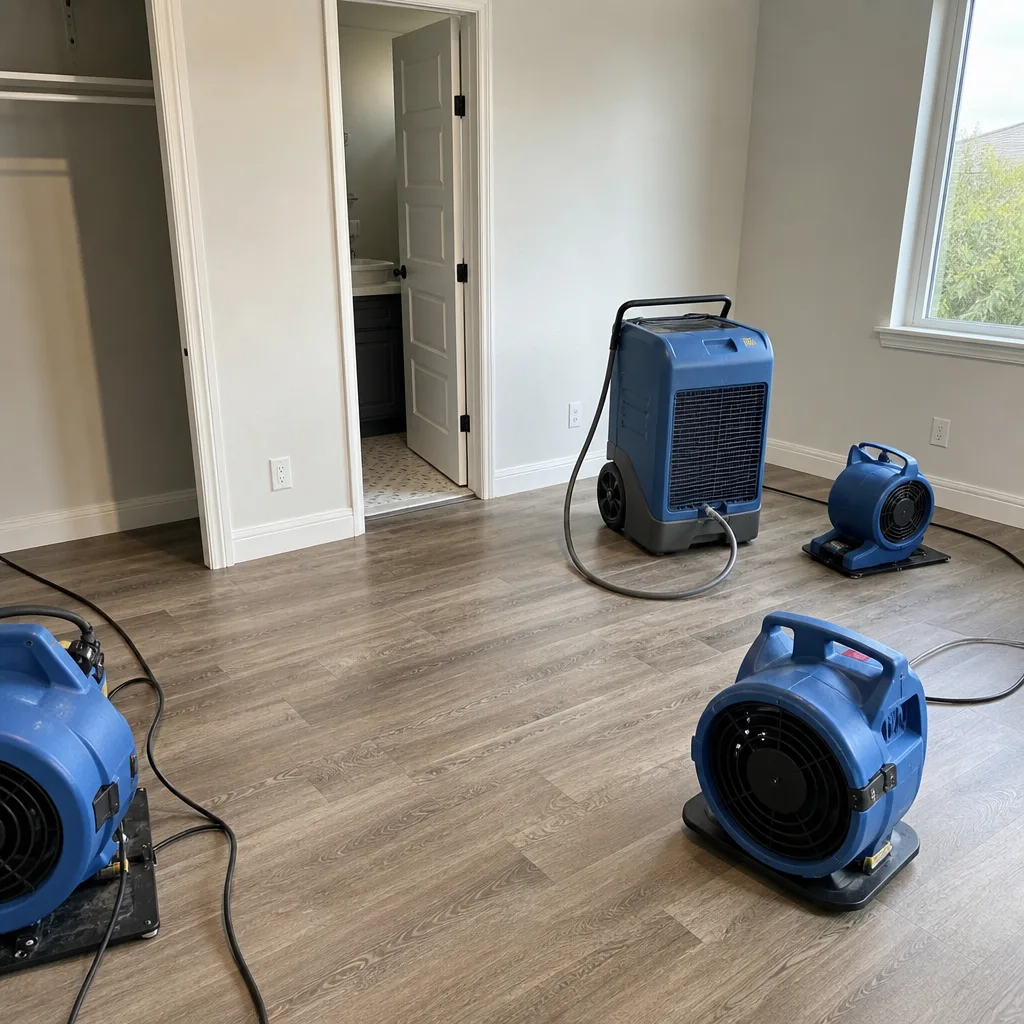 After
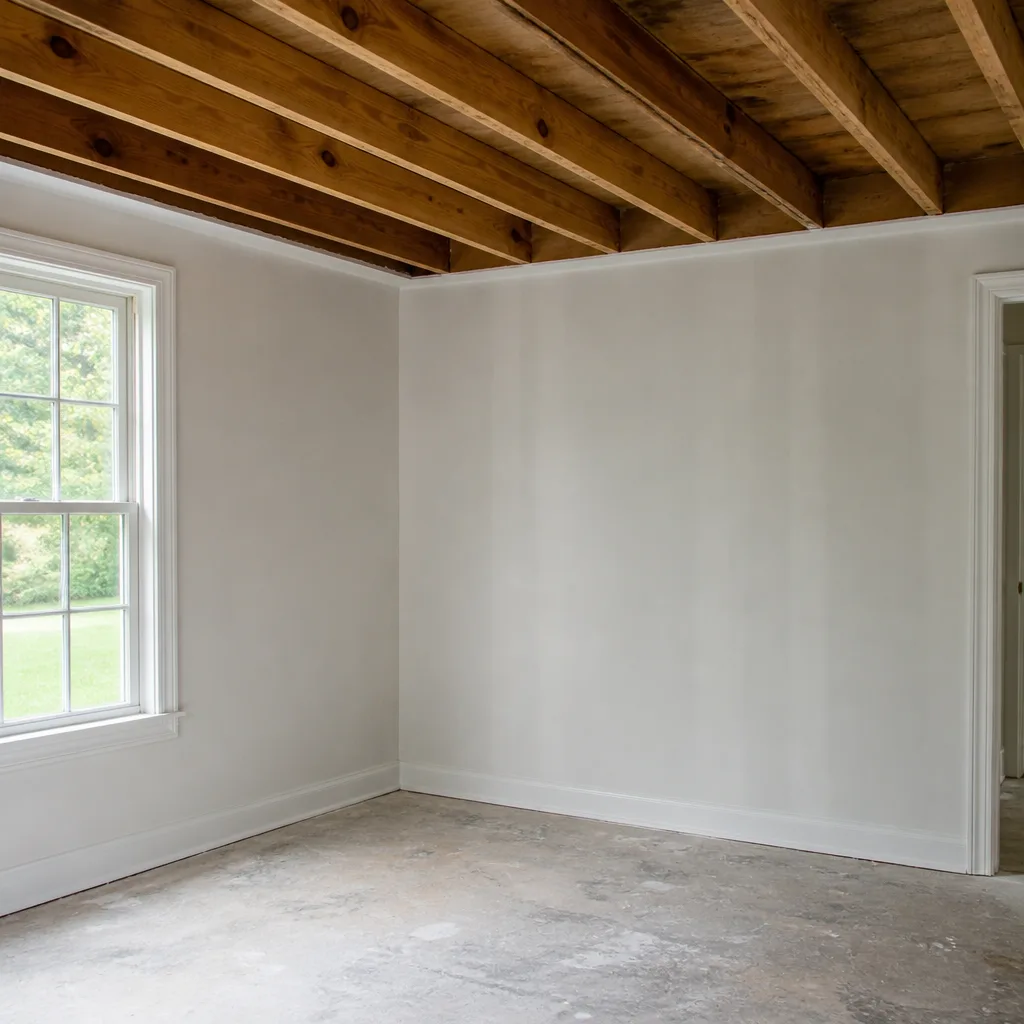
After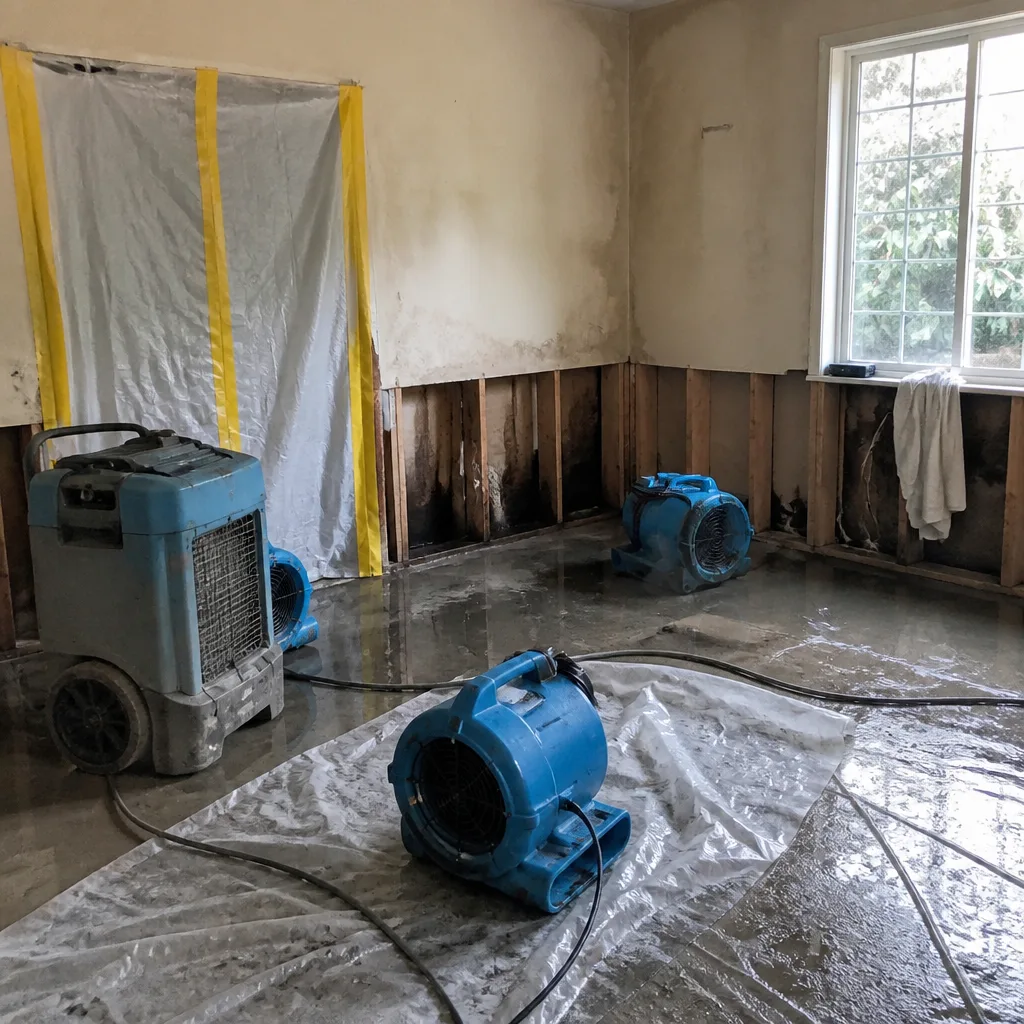 Before
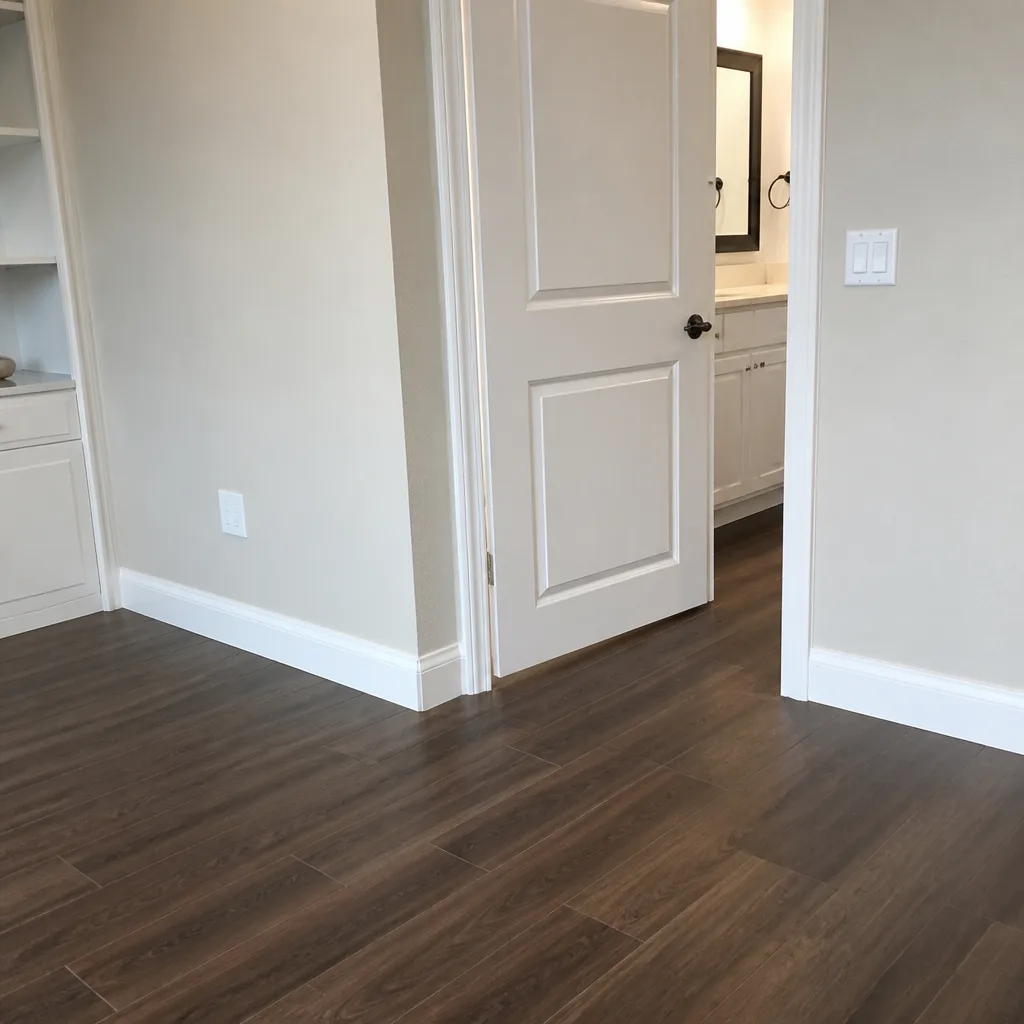 After
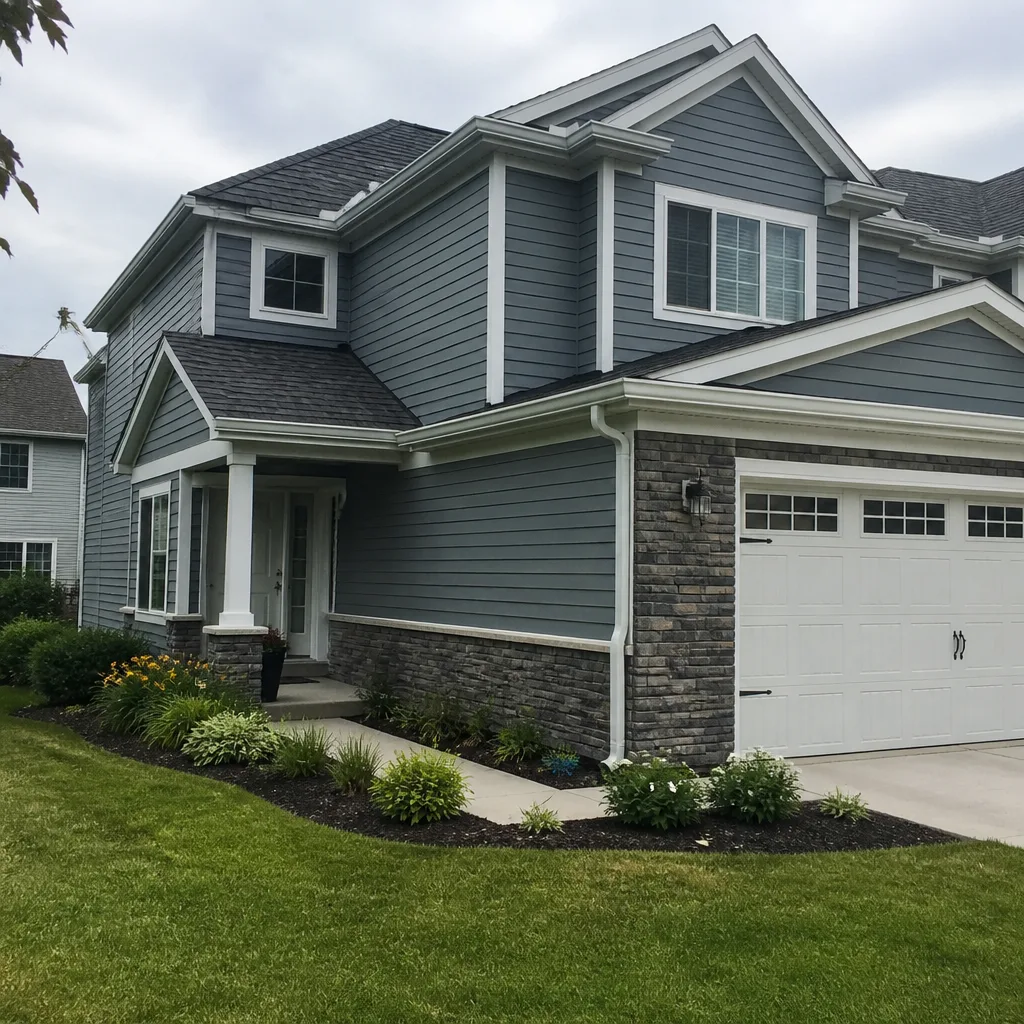
After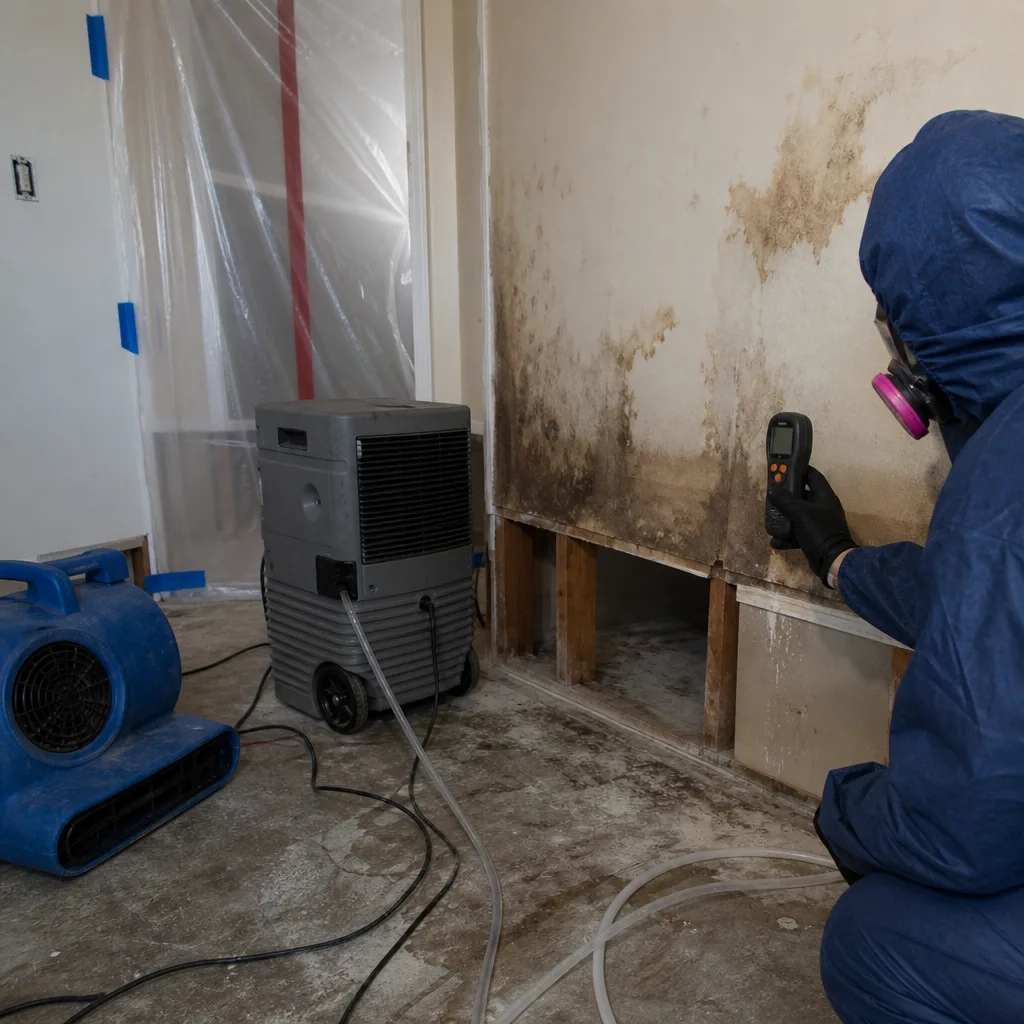 Before
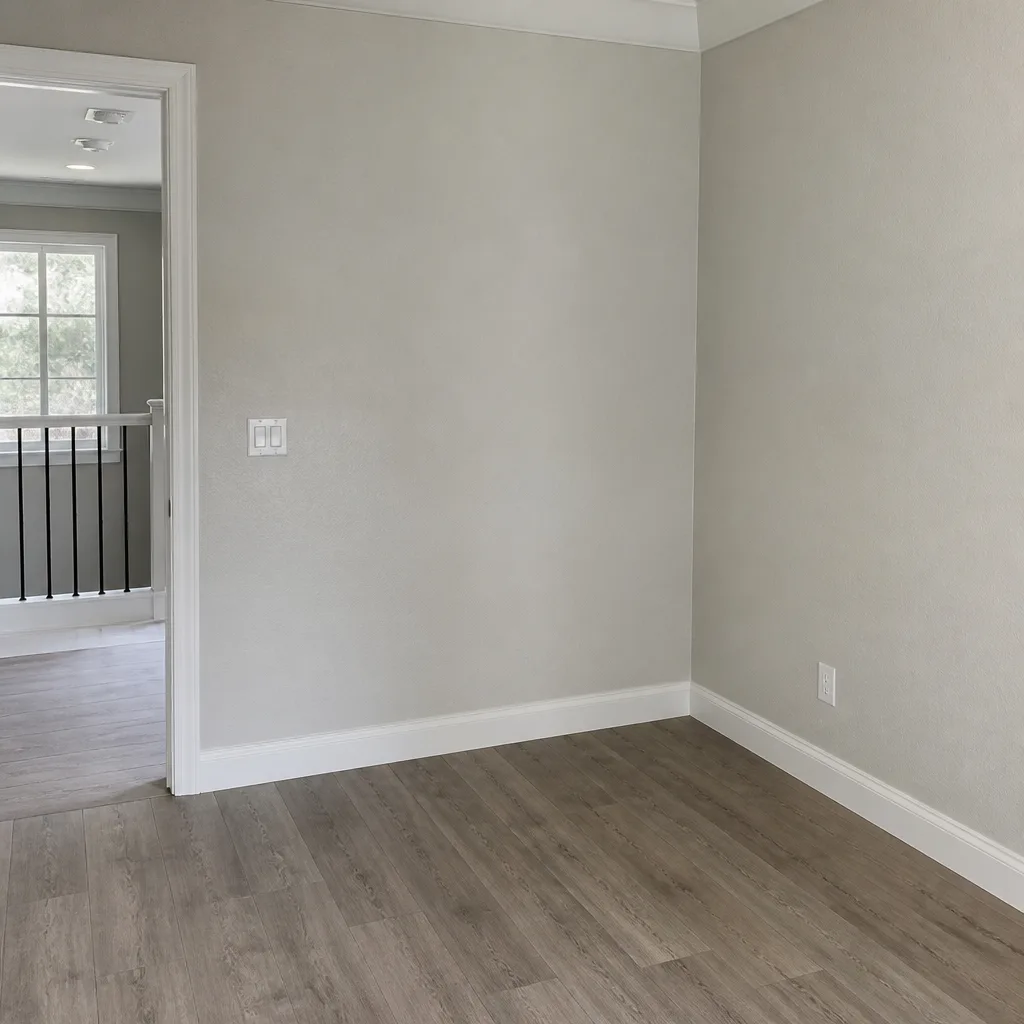 After
After24/7 Emergency Fire & Smoke Damage Restoration in Laguna Hills
Fire and smoke damage restoration in Laguna Hills typically costs $3,200-$8,500 for cleanup and deodorization of a single-family home, with full structural reconstruction running $15,000-$45,000 depending on square footage and materials affected. Our crews answer live at (657) 212-2570, 24 hours a day, with no voicemail trees, and can be on-site anywhere in Laguna Hills within 45 minutes of your call. The first hour after a fire is contained matters enormously: acidic soot residue begins etching glass and metal within hours, and smoke odor compounds settle into porous materials that become progressively harder to neutralize. We provide a free visual inspection, document every surface with photos before anything is touched, and deliver a written scope and price before any work begins - Haven Standard, Clause 1.
Understanding Fire & Smoke Damage Restoration Severity in Laguna Hills Properties
Smoke damage in Laguna Hills follows patterns distinct from flatland Orange County cities because of our wildland-urban interface position against Aliso and Wood Canyons Wilderness Park. Soot residue types break into three categories: dry smoke (fast-burning, high-heat fires, powdery residue), wet smoke (slow-burning, low-heat fires, sticky and smeary), and protein residue (nearly invisible but intensely pungent, common in kitchen fires). Santa Ana wind-driven wildfires produce a fourth variant here: fine particulate ash that migrates through HVAC returns and attic vents, settling in insulation and ductwork even when flames never approach the structure.
The 1970s-1990s stucco-over-frame construction prevalent in Laguna Hills complicates this further. EIFS stucco finishes - the synthetic stucco systems common in this era - create a moisture barrier that also traps smoke odor compounds behind the exterior skin. Clay tile roofs, while fire-resistant, ventilate attics aggressively during Santa Ana wind events, pulling ash directly into the roof cavity. Our crews scope these assemblies with borescopes and thermal imaging, then document moisture readings on the sheathing before and after any cleaning or drying cycle. Without this documentation, insurers routinely deny secondary damage claims that surface six months later.
Why Laguna Hills Property Owners Choose DryMark Restoration Irvine
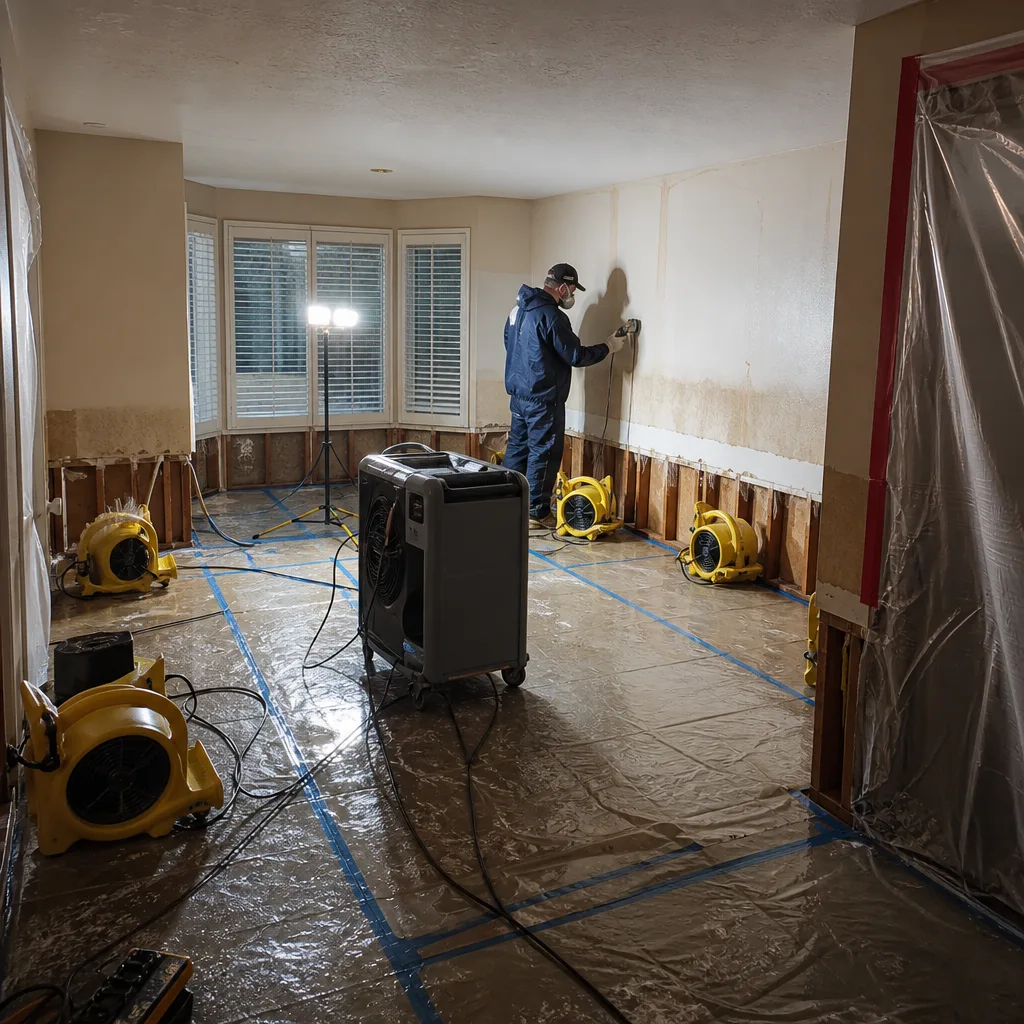
- 45-minute response commitment to any Laguna Hills address, with dispatch coordinated from our Los Angeles office and crews already staged in south Orange County.
- 24/7 live answer - a real person, never an automated system, picks up every emergency call within three rings.
- IICRC-certified crews holding FSRT (Fire and Smoke Restoration Technician) and WRT (Water Damage Restoration Technician) credentials, with license numbers verified and displayed on every technician’s badge.
- Free visual inspection with photo documentation before any agreement is signed or any equipment is deployed.
- Direct insurance billing with adjuster coordination handled by our in-house claims team, not outsourced to a third-party billing service.
- One team from emergency board-up through final reconstruction - no handoffs between subcontractors that fragment your documentation trail.
 Before
 After
AfterOur Fire & Smoke Damage Restoration Process
1. Inspection & Assessment
We arrive with thermal imaging cameras, moisture meters, and borescope equipment to map smoke migration through wall cavities, attic spaces, and HVAC ductwork. Every affected surface is photographed before anything is disturbed, and moisture readings are logged on the EIFS stucco sheathing and interior drywall to establish a pre-loss baseline.
2. Emergency Board-Up & Stabilization
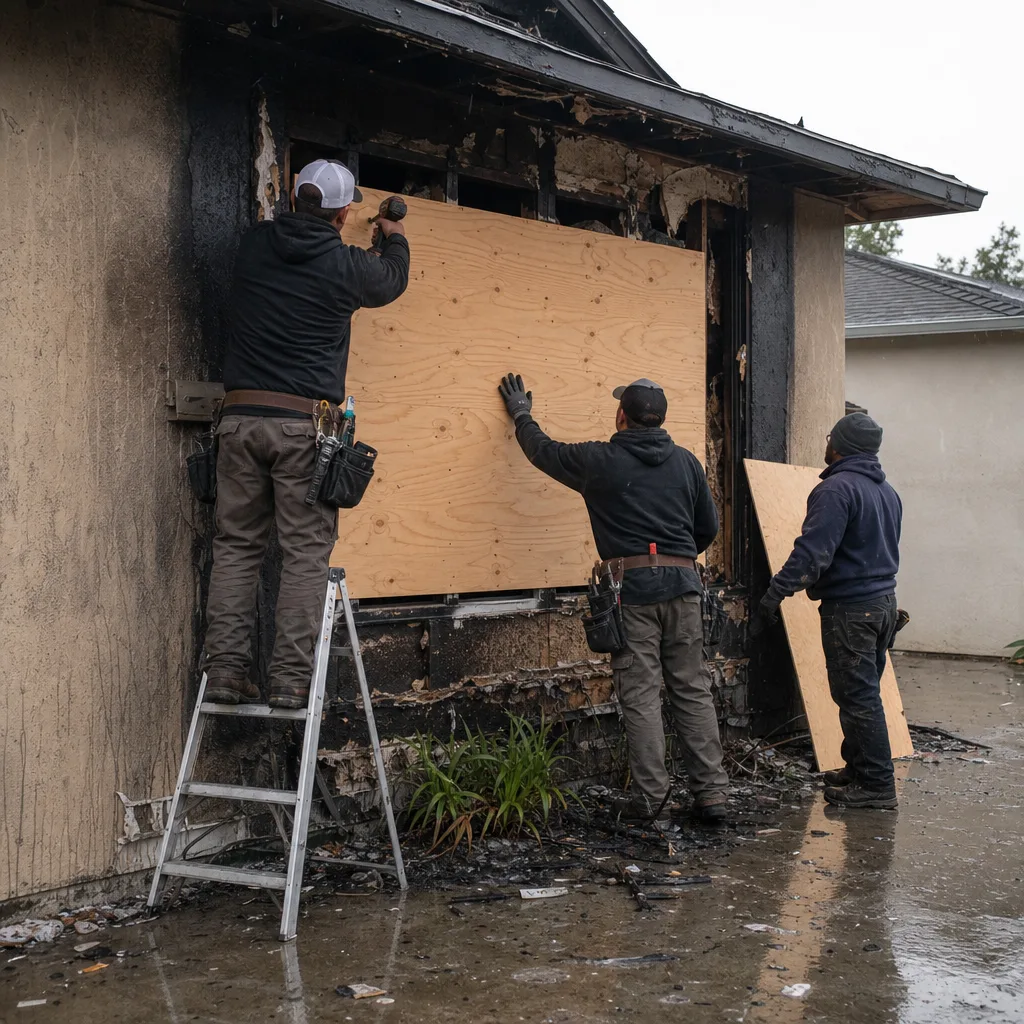
Broken windows, compromised roofing, and damaged doors are secured with plywood and weatherproof tarping to prevent secondary water intrusion. In Laguna Hills, this step is critical during Santa Ana wind events, where ember re-ignition and wind-driven rain through compromised envelopes create compound losses that insurers may dispute as separate claims.
3. Smoke & Soot Extraction
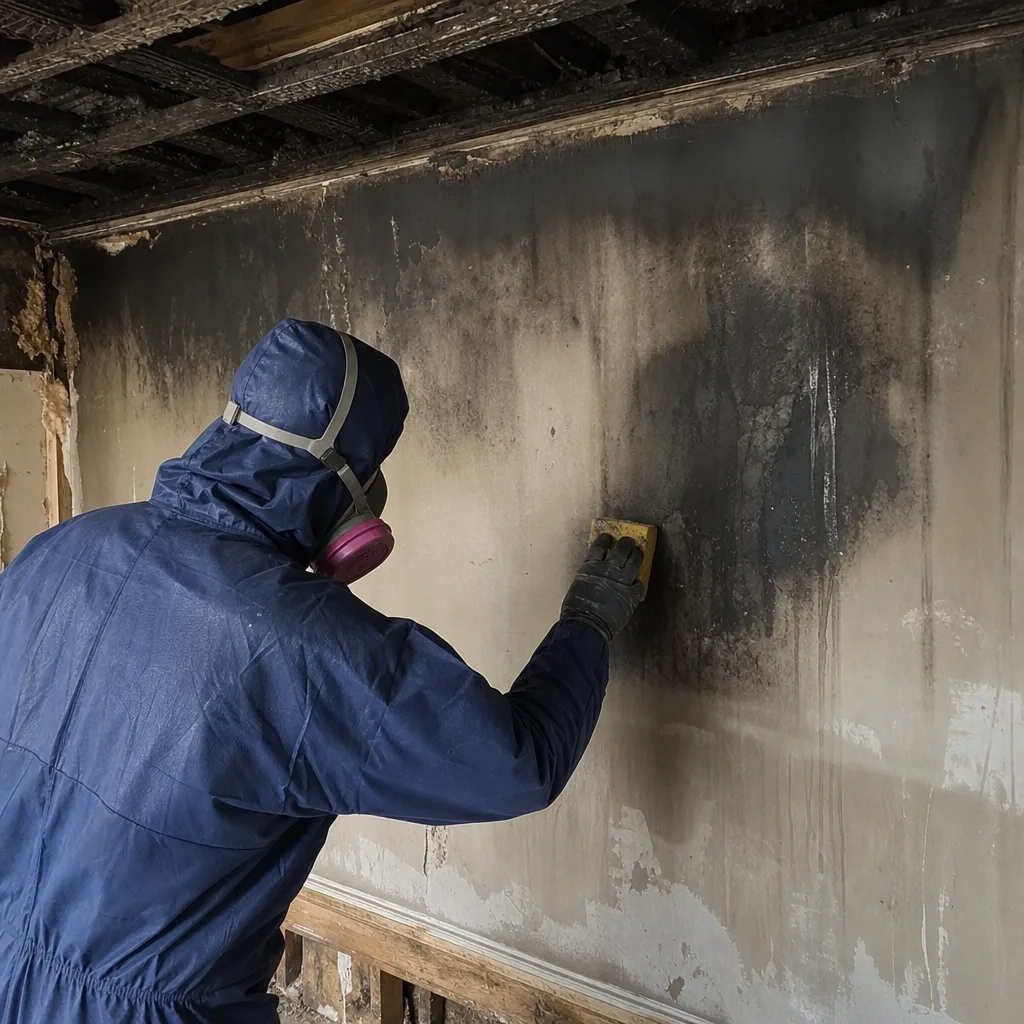
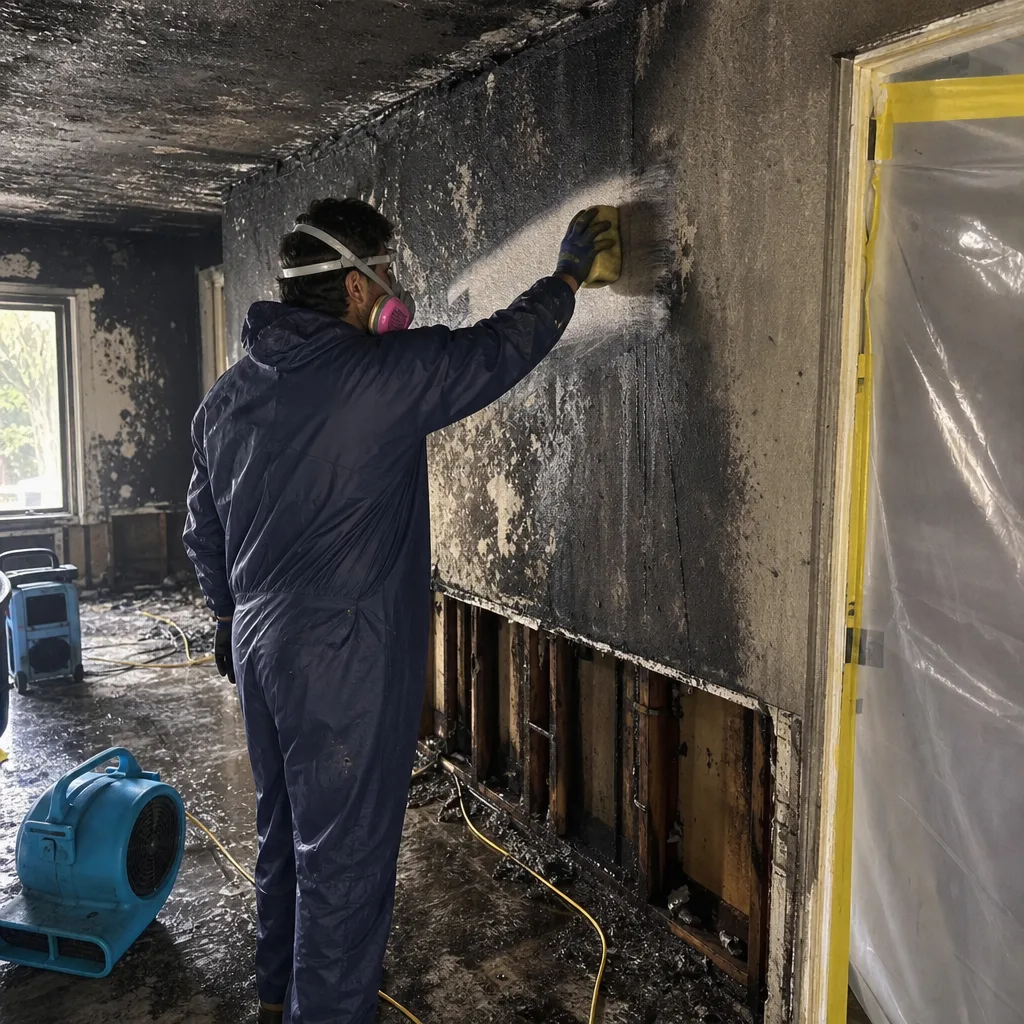
HEPA vacuums and dry-cleaning sponges remove loose particulate before wet cleaning drives residue deeper. For the fine ash characteristic of wildland-urban interface fires, we deploy negative air machines with HEPA filtration and establish containment barriers to prevent cross-contamination during the initial vacuum phase.
4. Deodorization & Air Scrubbing
Odor neutralization requires more than masking. We use thermal fogging, ozone treatment, and hydroxyl generators depending on the residue type and material sensitivity, with air scrubbers running continuously to capture airborne particulate. XPOWER and Dri-Eaz equipment is deployed with documented run-time logs.
5. HVAC & Cavity Decontamination
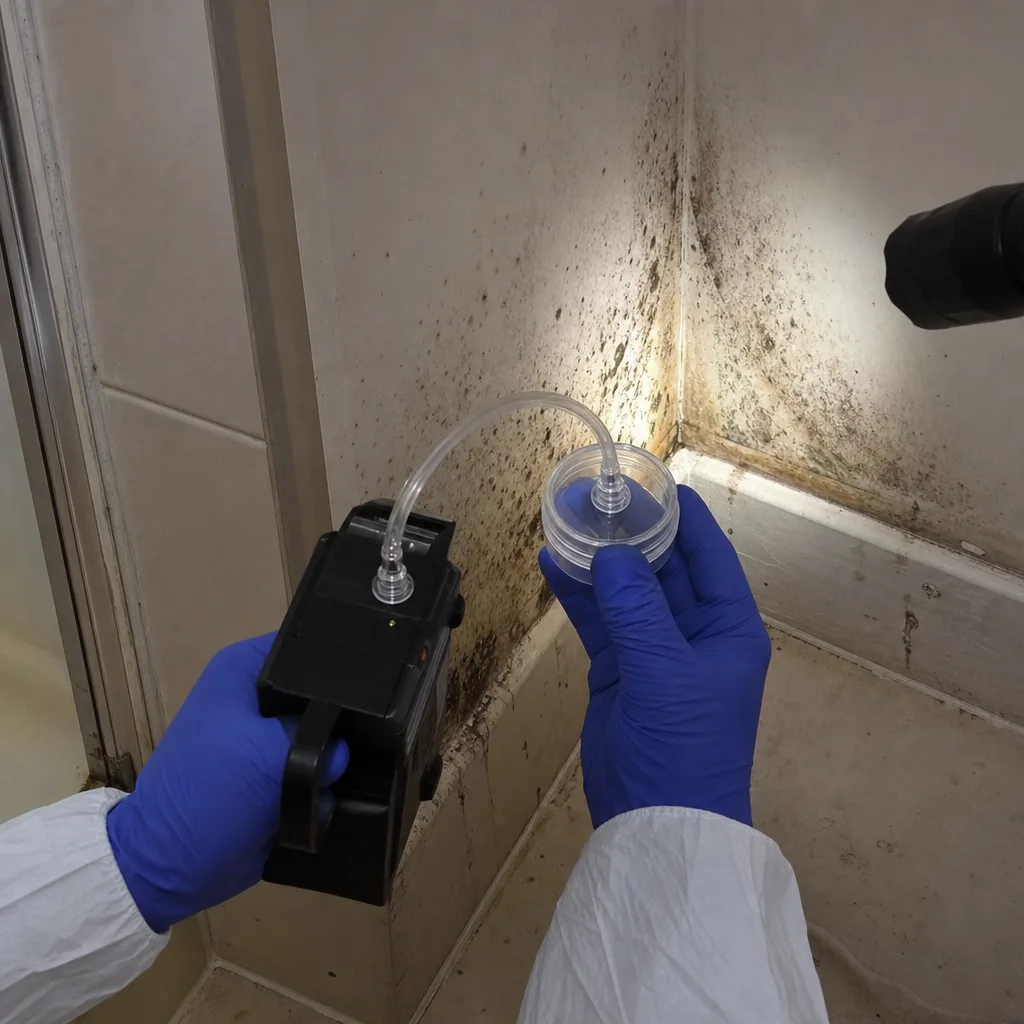
This is the step that distinguishes Laguna Hills work from standard fire restoration. We scope the full duct network, clean return plenums and supply trunks with mechanical brushing and HEPA vacuuming, and treat attic cavities where Santa Ana winds deposit ash that standard exterior rinses miss. Post-cleaning air samples verify particulate levels before the system is reactivated.
6. Repairs & Restoration
Structural reconstruction is scoped in writing with line-item pricing, material specifications by trade name, and a documented photo record at each phase. Our 365-Day Done Right Promise under The Haven Standard covers all reconstruction work - if it’s not done right, we make it right.
Need Emergency Fire & Smoke Damage Restoration in Laguna Hills Now?
Crews minutes away, answering live 24 hours a day. The sooner we start, the less it costs.
Working With Your Insurance Company
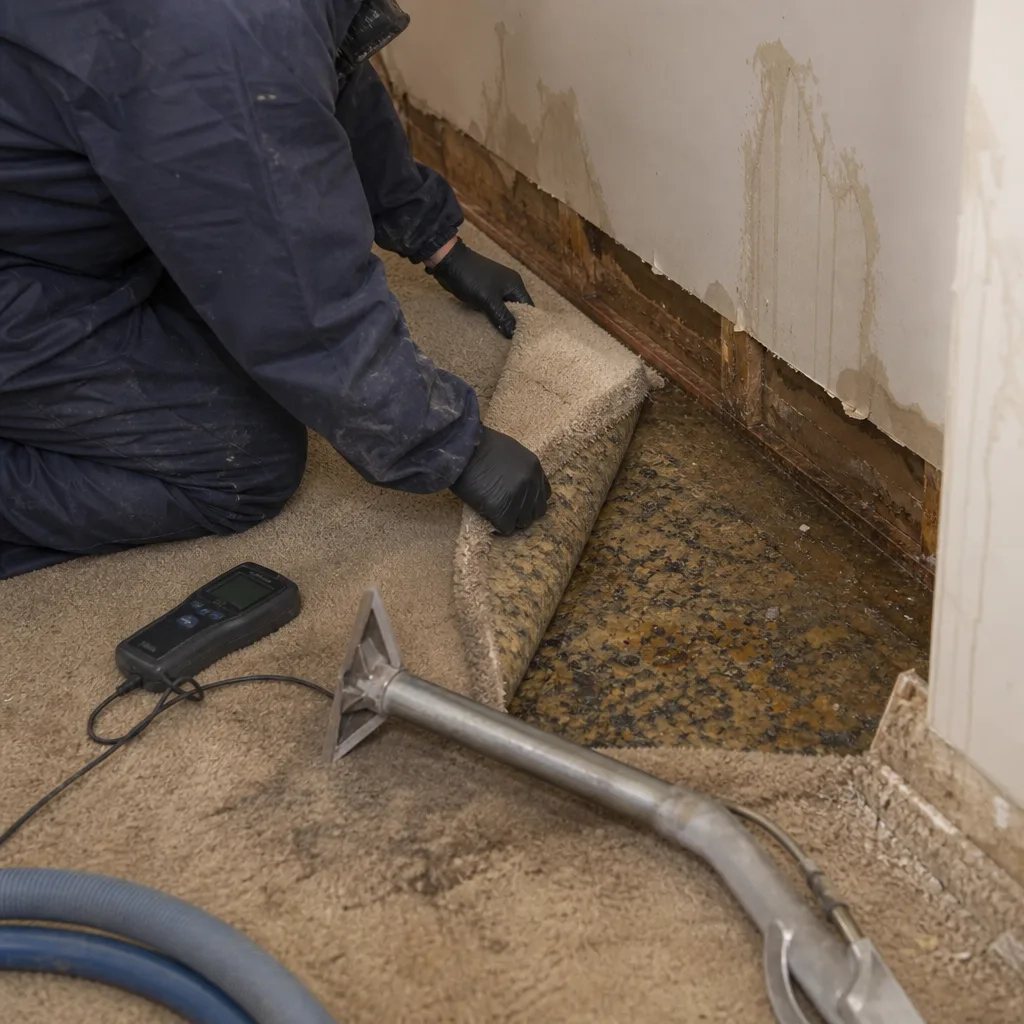
Fire claims fail on documentation gaps more often than on coverage disputes. Our process produces the records that turn restoration invoices into payable claims: a photo record on every visit, moisture readings logged to IICRC standards, and a written scope with line-item pricing delivered before work begins. We speak directly with your adjuster, provide the drying logs and equipment run-time documentation they need, and coordinate supplemental claims when hidden damage is discovered during demolition. Our in-house claims team includes former adjusters who understand what documentation stops a claim from being pended or denied.
What We Provide Your Insurer
- Thorough documentation of the loss
- Photos of all damage, room by room
- Moisture readings and drying logs
- A detailed, line-item scope of work
- Direct coordination with your carrier
Built for Laguna Hills’s Loss Calendar
Laguna Hills fire and smoke damage follows a seasonal rhythm tied to our canyon-edge geography. June through November brings Santa Ana wind events that drive wildfire smoke from Aliso and Wood Canyons into hillside tracts, creating the invisible ash intrusion that homeowners often don’t detect until the HVAC cycles and odor re-releases. December through March atmospheric river events compound this: fire suppression efforts during Santa Ana season leave structures water-compromised, and winter rains then infiltrate through damaged envelopes and EIFS stucco cracks, creating mold colonization behind walls that were never properly dried after the initial fire response. Our Fire & Smoke Damage Restoration crews carry both fire residue and moisture remediation equipment on every Laguna Hills truck because these compound losses are routine here, not exceptional.
Fire & Smoke Damage Restoration Across Laguna Hills’s Neighborhoods
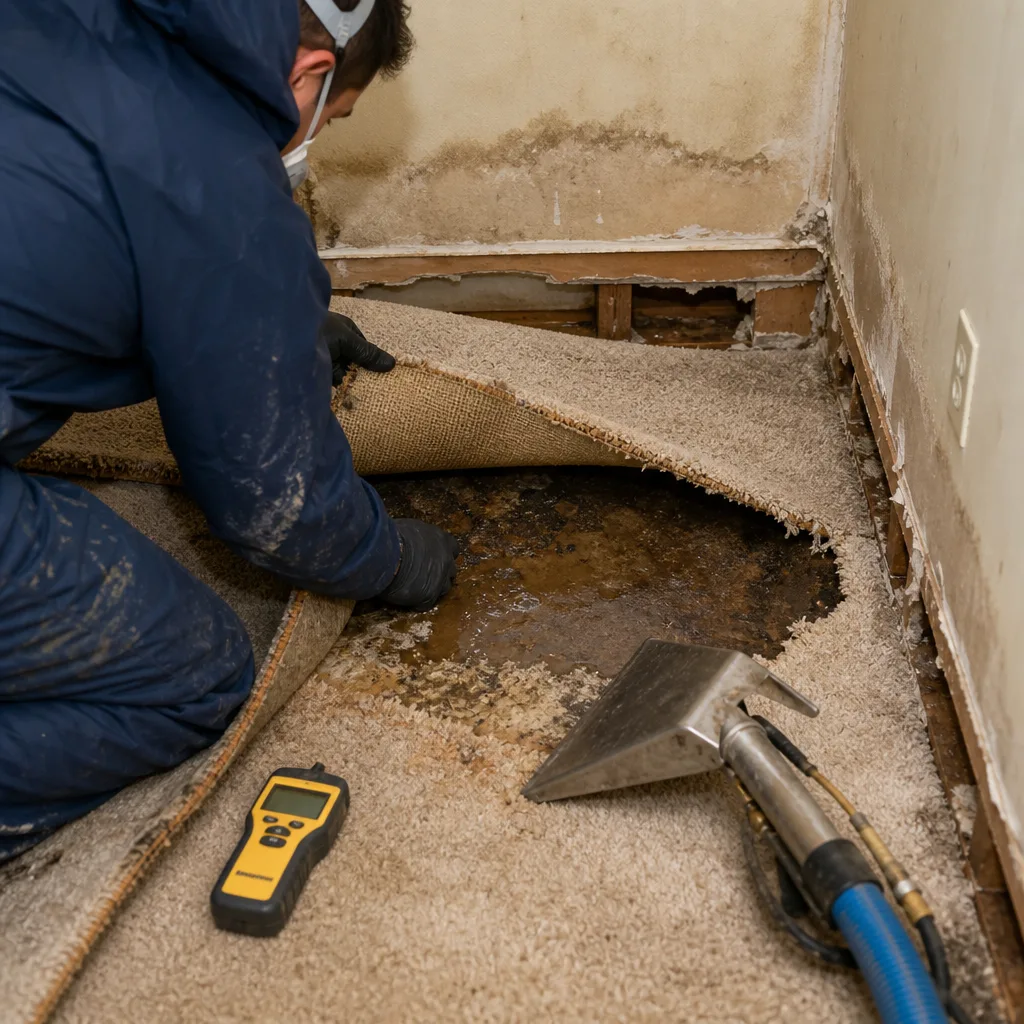
Homes off Moulton Parkway and Alicia Parkway in the central hills were built in the heaviest development phase of 1975-1985, and their original clay tile roofs and EIFS stucco finishes now present the full range of smoke-trapping vulnerabilities. We see repeated calls from the Nellie Gail Ranch area, where larger custom homes on canyon-facing lots draw wildfire ash directly into attic ventilation systems during Santa Ana events. The hillside tracts above Aliso Creek, particularly the neighborhoods approaching the wilderness park boundary, experience the most severe smoke migration patterns - fine particulate penetrates through ridge vents and soffit gaps that flatland construction simply doesn’t have. Even the lower-lying areas near Laguna Hills Drive and the I-5 corridor, while less exposed to direct ash intrusion, face secondary odor issues when smoke-laden air is drawn through central HVAC systems shared with canyon-adjacent zones. Our response routing accounts for these topographic differences: crews approaching from the south access canyon-edge properties faster, while central Laguna Hills calls are staged to reach Moulton Parkway addresses within the 45-minute commitment.
Specialized Fire & Smoke Damage Restoration Services We Offer in Laguna Hills
Fire Damage Cleanup
Structural cleaning after any fire event in Laguna Hills must account for the stucco-over-frame construction that dominates our housing stock. Surface soot on drywall is only the visible portion; we scope behind EIFS finishes and inside wall cavities where smoke odor compounds migrate through electrical and plumbing penetrations.
Smoke & Soot Removal
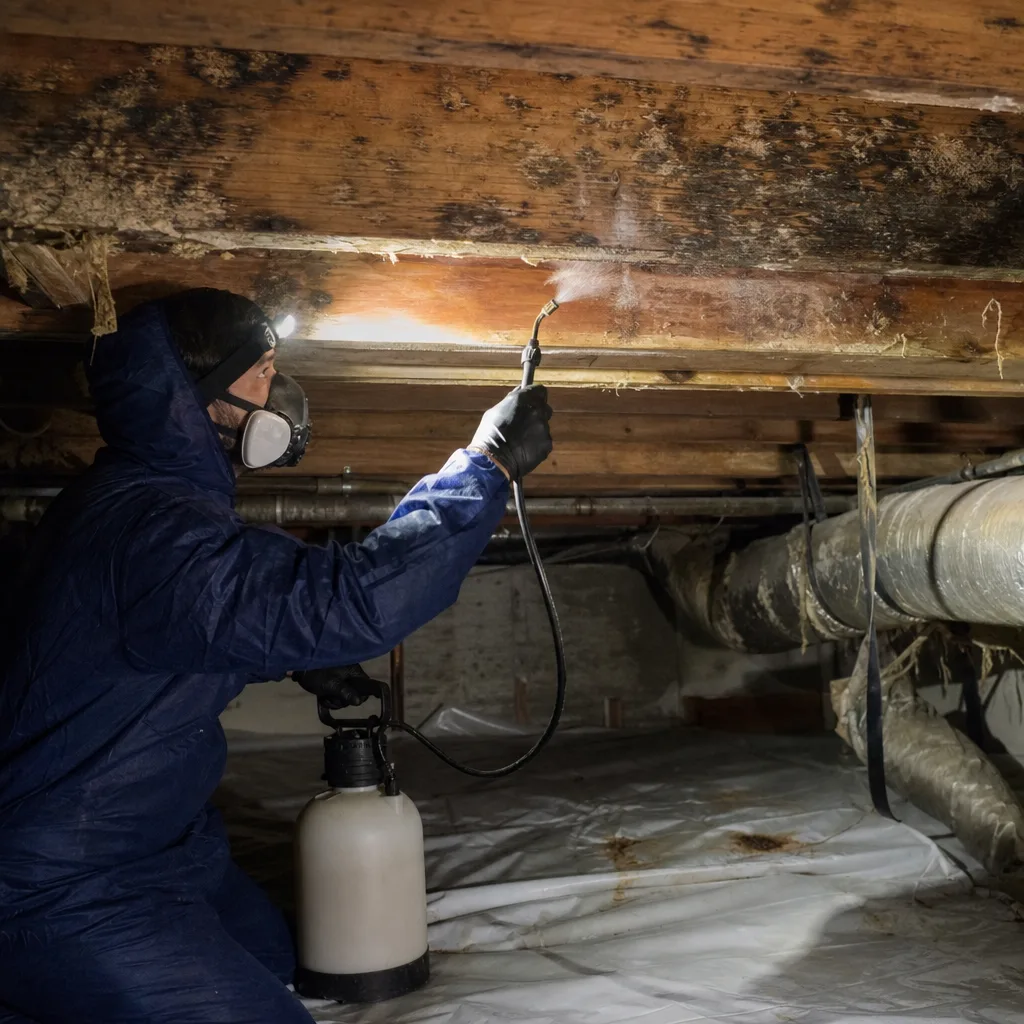
The fine ash from Santa Ana-driven wildfires behaves differently than structure-fire soot. It’s lighter, migrates further through HVAC systems, and requires HEPA vacuuming followed by chemical sponge cleaning rather than wet methods that drive particulate deeper. Our FSRT-certified techs identify residue type before selecting the cleaning protocol.
Odor Removal & Deodorization
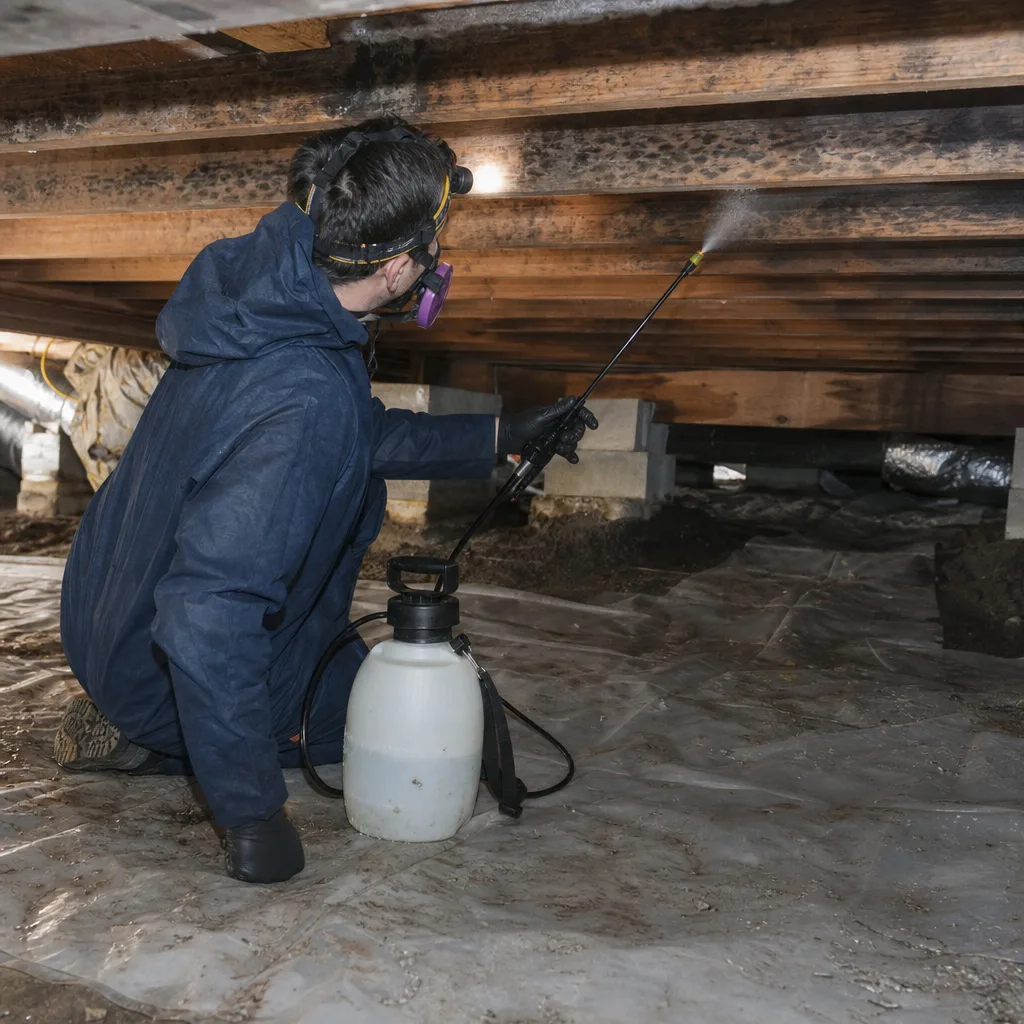
Odor in Laguna Hills homes often persists because previous contractors treated the air without treating the source. We thermal-fog or ozone-treat the structural materials that hold odor molecules, then verify with air sampling and moisture readings on sheathing and insulation. If the odor source is in the ductwork, we clean it; if it’s in the attic insulation, we remove and replace it with documented photo evidence for the claim file.
Contents Cleaning & Pack-Out
Soft goods, electronics, and documents exposed to wildfire smoke require specialized cleaning off-site in our contents facility. We inventory every item with photo documentation, clean using ultrasonic and deodorization chambers, and store in climate-controlled vaults until reconstruction is complete. Onsite cleaning is limited to hard, non-porous items that won’t cross-contaminate living spaces.
Emergency Board-Up & Tarping
Santa Ana winds can re-damage a compromised structure within hours. Our board-up crews carry wind-rated plywood and mechanical fastening systems, not just nails and tarps, to secure Laguna Hills homes against 60+ mph gusts while the claim is being processed and reconstruction is scoped.
What happens when you call
- 1
A real person answersNo phone trees - you reach a local pro.
- 2
You get an upfront price rangeHonest numbers before anyone is dispatched.
- 3
A background-checked tech heads outLicensed & insured, dispatched right away.
- 4
You approve before work beginsNothing starts until you say go.
Fire & Smoke Damage Restoration Costs in Laguna Hills, CA
Smoke and soot cleanup for a typical 1,800-square-foot Laguna Hills home runs $3,200-$5,800, with odor remediation and HVAC decontamination adding $1,800-$3,400. Full reconstruction of fire-damaged structure - including EIFS stucco removal, sheathing replacement, and interior finish - ranges from $45 to $85 per square foot depending on material matching and code upgrades required. Contents pack-out and cleaning is typically $2,500-$6,000 for a full household inventory. Insurance covers direct fire and smoke damage in most cases, though policy limits and deductibles vary; we review your coverage and provide the documentation your adjuster needs to maximize the payable portion. Every estimate is written and delivered before work begins - Haven Standard, Clause 1 - and we offer a Free Second Opinion on any competitor’s written quote.
| Service | Typical Range in Laguna Hills |
|---|---|
| Smoke/soot cleanup (per 1,000 sq ft) | $1,800-$3,200 |
| HVAC duct decontamination | $1,200-$2,800 |
| Attic insulation removal/replacement | $2,400-$4,500 |
| Odor remediation (thermal fogging/ozone) | $800-$1,600 |
| Contents pack-out and cleaning | $2,500-$6,000 |
| Structural reconstruction (per sq ft) | $45-$85 |
We Also Serve Cities Near Laguna Hills
Our crews respond throughout south Orange County, including Laguna Hills and neighboring Aliso Viejo, Laguna Woods, Mission Viejo, and Lake Forest. Each city presents distinct fire and smoke damage patterns - Aliso Viejo’s newer construction behaves differently under smoke load, while Laguna Woods’ senior community infrastructure requires specialized contents handling - and our protocols adapt to each.
Serving Laguna Hills, CA - Our Local Coverage Area
We’re based in the Laguna Hills area and know this community well. Use the map below to see our service coverage - if you’re nearby, we can almost certainly help.
Laguna Hills Fire & Smoke Damage Restoration Questions, Answered
When there’s a wildfire in Aliso and Wood Canyons but my Laguna Hills house didn’t burn, do I still need a restoration company?
Yes - and this is the most commonly missed call we make in Laguna Hills. Santa Ana winds push fine particulate ash into HVAC returns and attic vents even when flames never leave the wilderness park. After a Santa Ana-driven brush fire burned several hundred acres in Aliso and Wood Canyons, we were called to a 1979 stucco-and-tile home off Moulton Parkway where the owners reported a persisting acrid odor weeks after the smoke had cleared. Our tech scoped the HVAC plenum and found ash had been pulled into the return-side ductwork, and we ran containment on the living areas, HEPA-vacuumed and antimicrobial-treated the affected cavities, then cycled XPOWER air movers and a Dri-Eaz dehumidifier to finish structural drying on two walls that had been wetted during mop-up. We pulled moisture readings before and after each drying cycle and logged them in the drying logs so the homeowners’ adjuster could see the pre-loss condition baseline. Call (657) 212-2570 for a free inspection - we’ll scope your ducts and attic with a borescope and show you what the winds deposited.
My Laguna Hills home was built in 1978 with stucco over frame - does that change how fire and smoke damage gets restored?
It changes everything about odor remediation. EIFS stucco finishes from this era create a semi-permeable barrier that traps smoke odor compounds behind the exterior skin, while the clay tile roof ventilation common to these homes pulls ash directly into attic spaces during Santa Ana events. Standard exterior rinsing - the protocol that works in flatland OC cities - misses the residue that has settled in hillside crawlspaces and behind the stucco finish. Our crews use borescopes to inspect wall cavities and thermal imaging to identify moisture and residue trapped in the sheathing. Without this step, odor re-releases when seasonal temperature swings expand and contract the building envelope. Call (657) 212-2570 and we’ll show you the difference in our inspection protocol.
How quick does mold start after water gets behind the wall during a fire cleanup?
In Laguna Hills’s climate, mold colonization begins on water-affected organic materials within 24 to 72 hours. The EIFS stucco systems common in 1970s-1990s construction here are particularly vulnerable: the synthetic finish traps moisture against the OSB or plywood sheathing, and the gap between stucco and substrate becomes a humidity chamber. Our fire crews carry moisture meters and deploy dehumidifiers immediately after any water-based suppression or cleaning, with daily moisture readings logged until materials return to below 16% wood moisture content. If we find active colonization during demolition, we contain the area, establish negative air pressure, and document the findings with photos for the adjuster. Call (657) 212-2570 - we scope for secondary moisture damage as a standard step, never an upsell.
What is the difference between a pack-out and having my contents cleaned onsite after a Laguna Hills fire?
Onsite cleaning works for hard, non-porous items - metal furniture, ceramics, glass - that won’t absorb odor or cross-contaminate living spaces during the structural remediation. Pack-out is required for soft goods (upholstery, clothing, bedding), electronics, documents, and anything porous that has absorbed smoke odor compounds. In Laguna Hills’s wildfire-ash scenarios, we typically recommend pack-out for the full contents inventory because the fine particulate penetrates fabric and cushioning in ways that structure-fire soot does not. We inventory every item with photo documentation, clean in our facility using ultrasonic and deodorization chambers, and store in climate-controlled vaults until your home is reconstructed and verified odor-free. Call (657) 212-2570 for a written scope on both options.
Will my homeowner’s insurance cover HVAC duct cleaning after smoke from a canyon fire reaches my Laguna Hills home?
Most standard HO-3 policies cover smoke damage, including HVAC decontamination, when the smoke originates from a named peril such as wildfire. Coverage disputes arise when insurers classify the damage as “environmental” or “pollution” rather than direct physical loss. Our documentation protocol - photo evidence of ash in the plenum, moisture readings on affected materials, and a written scope tying the damage to the specific fire event - is designed to prevent this classification. We coordinate directly with your adjuster and provide the drying logs and equipment documentation that support the claim. Every policy has limits and deductibles; we review yours before work begins so there are no coverage surprises. Call (657) 212-2570 and we’ll walk through your specific policy language.
How fast can your crews actually get to my Laguna Hills home?
We commit to 45 minutes from call to arrival anywhere in Laguna Hills, with crews staged in south Orange County and dispatch coordinated from our Los Angeles office. Live answer 24 hours a day means no voicemail delays. The first truck carries full fire restoration equipment, including HEPA vacuums, negative air machines, and moisture detection tools, so we begin documentation and stabilization immediately upon arrival. Call (657) 212-2570 - we’re answering now.
Can my family stay in the home during fire and smoke restoration?
Usually not during the initial remediation phase. Even “clean” air in a smoke-damaged structure contains particulate and odor compounds that irritate respiratory systems, and our equipment - ozone generators, thermal foggers, negative air machines - requires temporary evacuation of the work area. For Laguna Hills homeowners, we coordinate with your insurer on temporary housing coverage and schedule work phases to minimize displacement. Once structural cleaning is complete and air sampling verifies safe particulate levels, re-occupancy is documented in the project file for the claim record. Call (657) 212-2570 to discuss your specific timeline.
What certifications should I look for in a Laguna Hills fire restoration company?
Look for IICRC FSRT (Fire and Smoke Restoration Technician) and WRT (Water Damage Restoration Technician) credentials at minimum, with documented continuing education. Our technicians carry both, plus AMRT (Applied Microbial Remediation Technician) for the secondary mold issues common in Laguna Hills’s moisture-trapping construction. License numbers are displayed on every badge and verified before any technician enters your home. Equipment should be documented to IICRC, RIA, and IFA standards - we use Dri-Eaz, Phoenix, and XPOWER systems with logged run-time data for every job. Ask any competitor to show you their drying logs from a recent job; if they can’t, they aren’t documenting to the standard your insurer expects. Call (657) 212-2570 and we’ll show you ours.
Call (657) 212-2570 for a free written estimate on fire and smoke damage restoration in Laguna Hills. Every scope is delivered in writing before work begins, every visit is documented with photos, and every job is backed by our 365-Day Done Right Promise under The Haven Standard.
Written by Alicia Brennan, Owner at Back to Dry Restoration, serving Laguna Hills since 2011.
Fire & Smoke Damage Restoration in Nearby Areas