Free visual inspection and a written scope of work before any mitigation begins - photos, moisture readings, and drying logs go in your claim file
The scope we write is the scope we bill. Anything new gets shown to you, in writing, before we touch it.
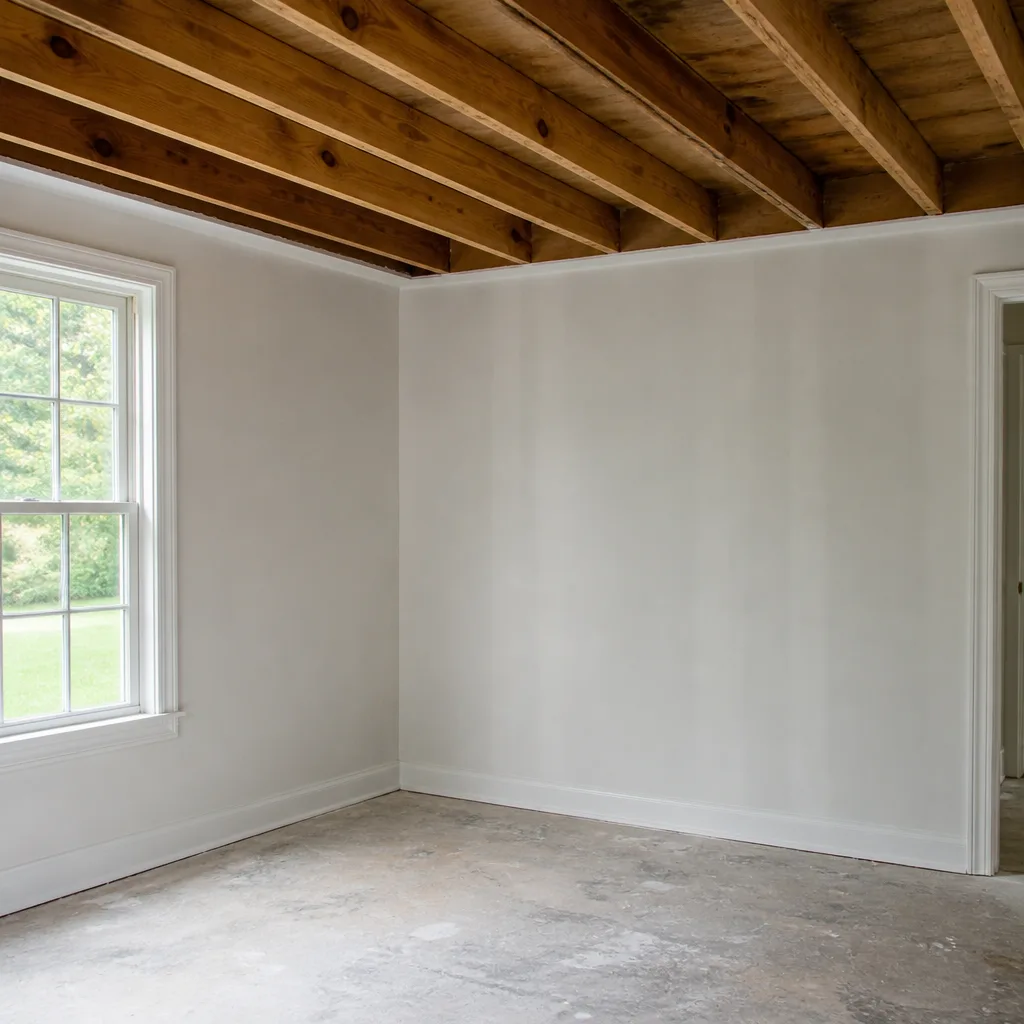
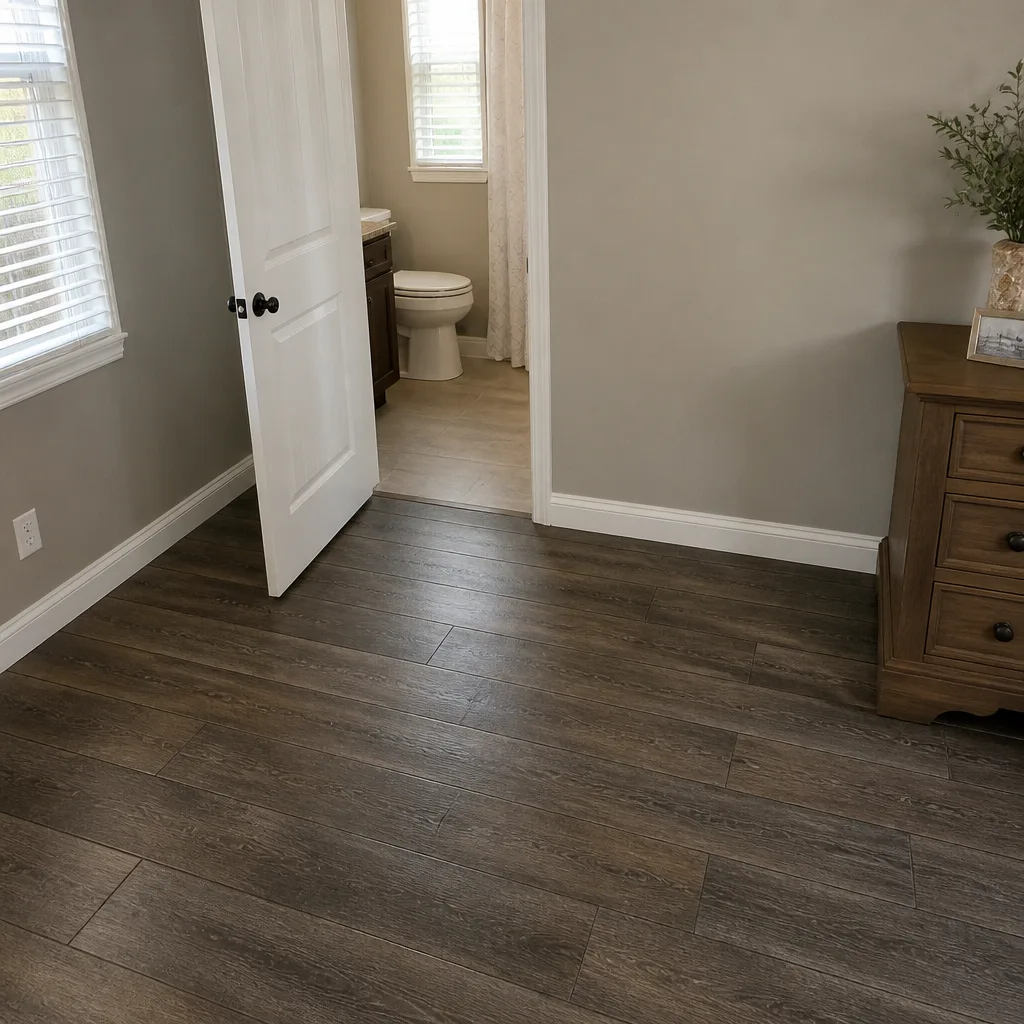
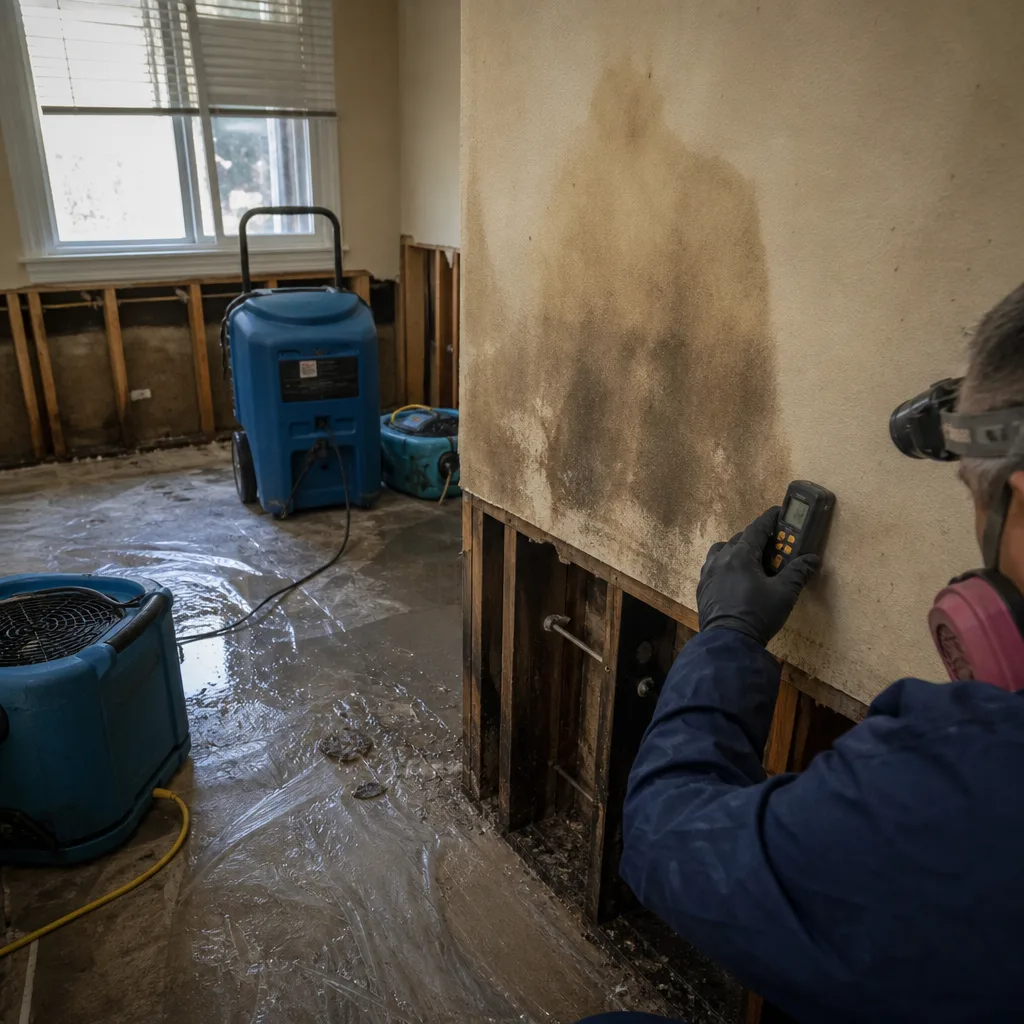 Before
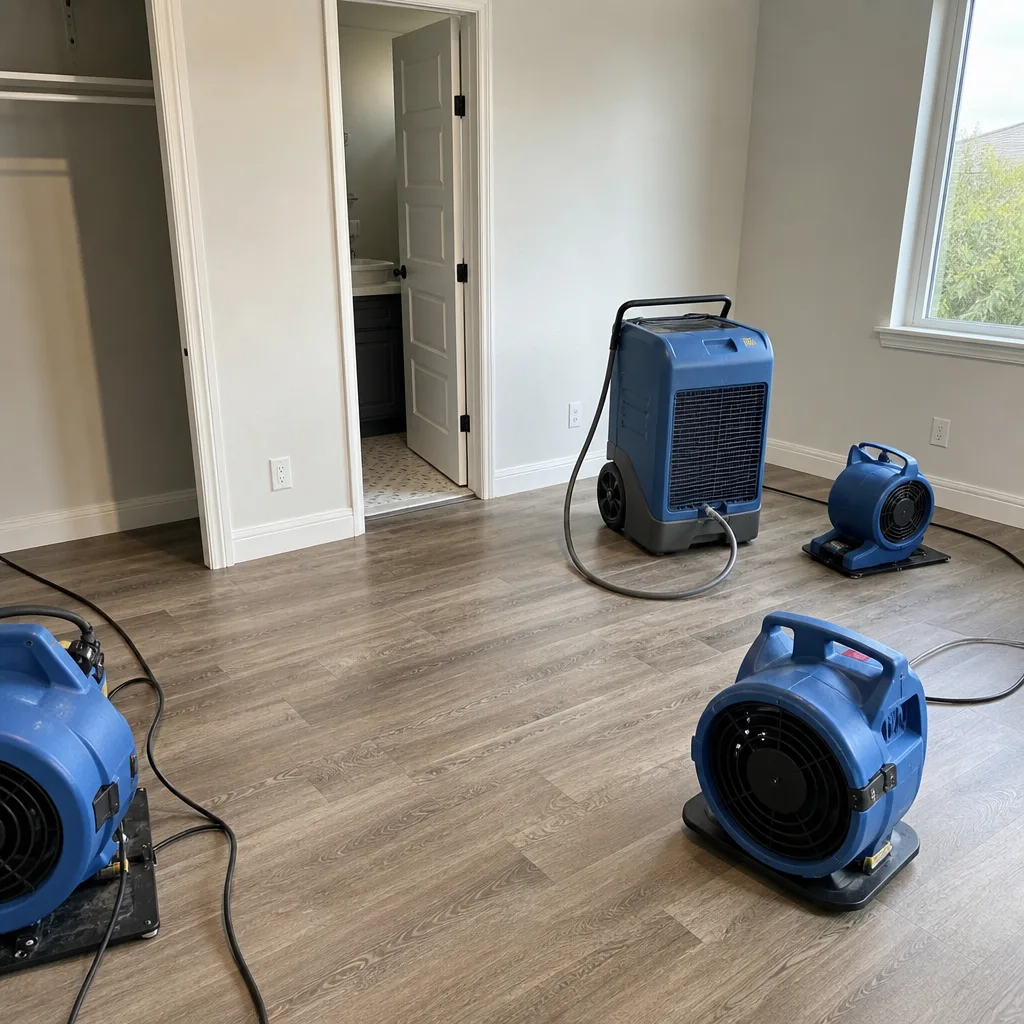 After
After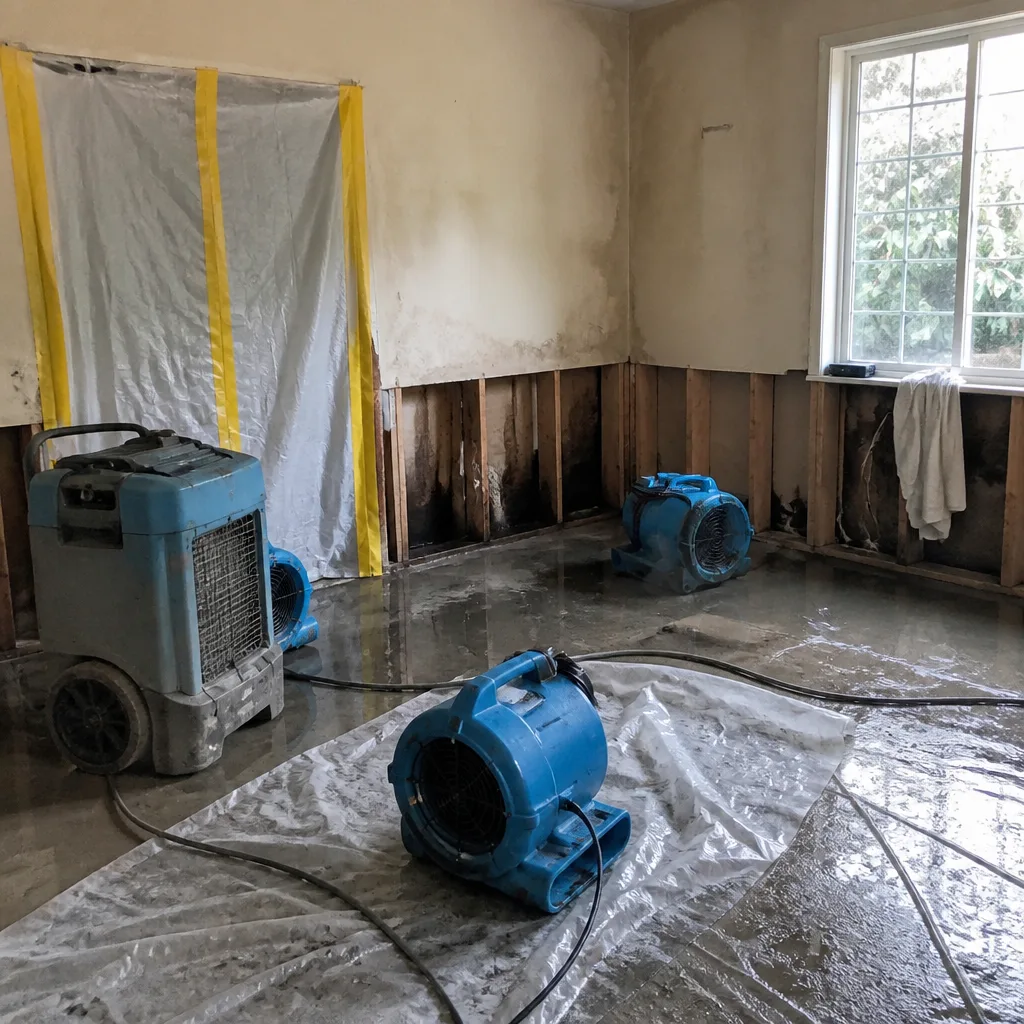 Before
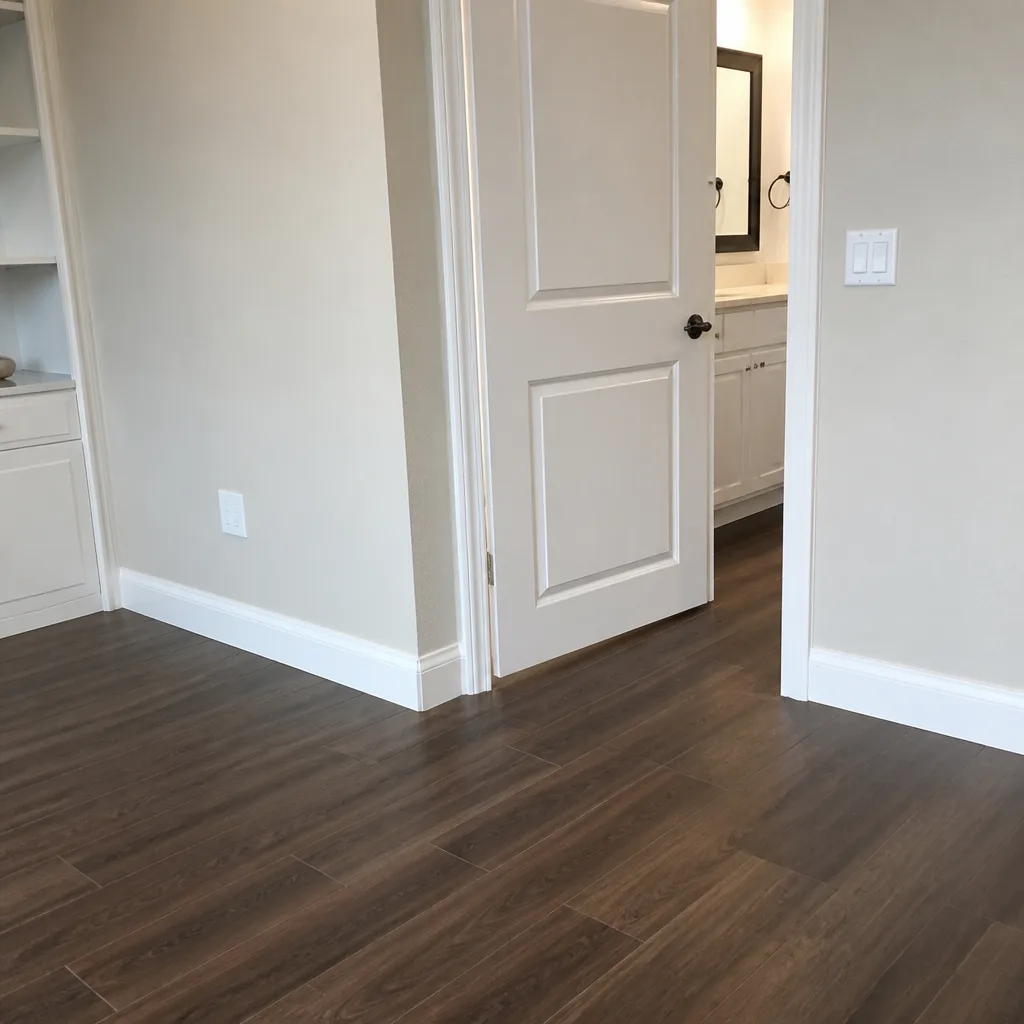 After
After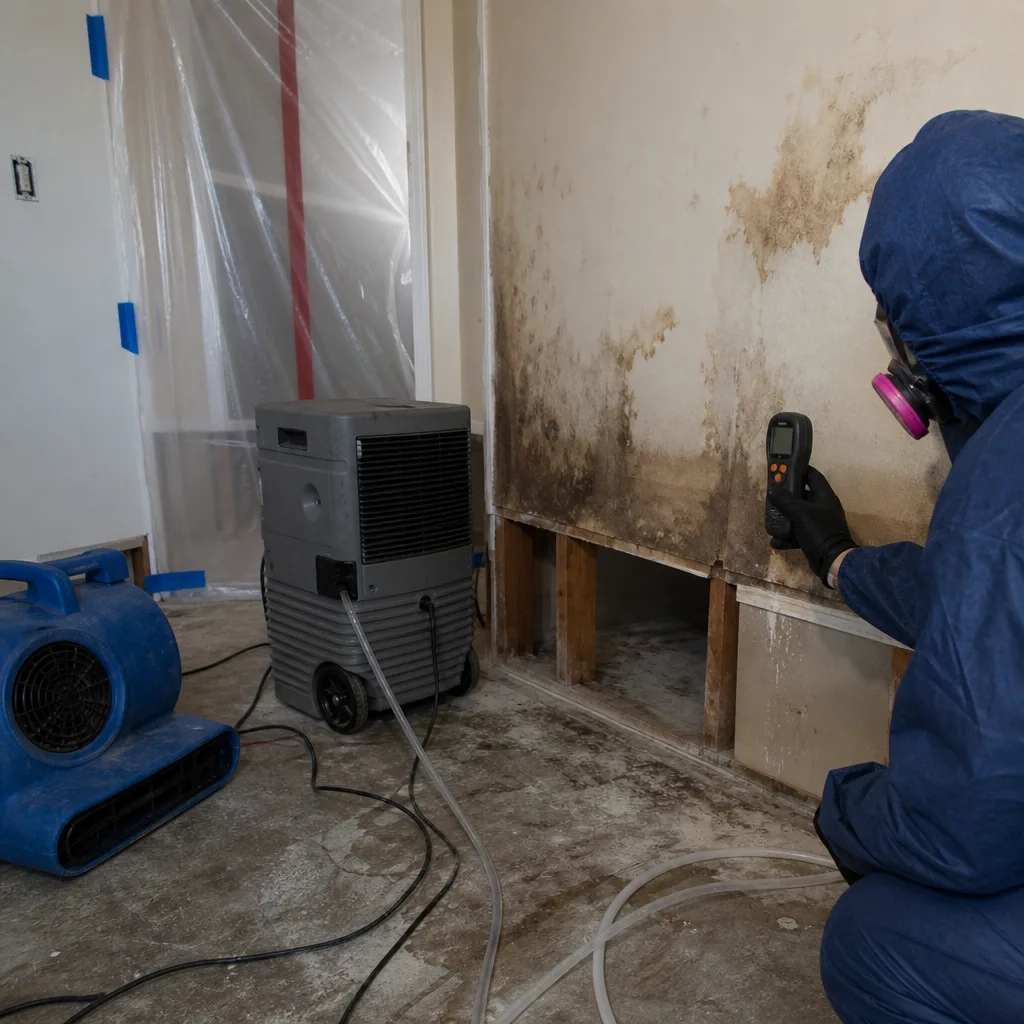 Before
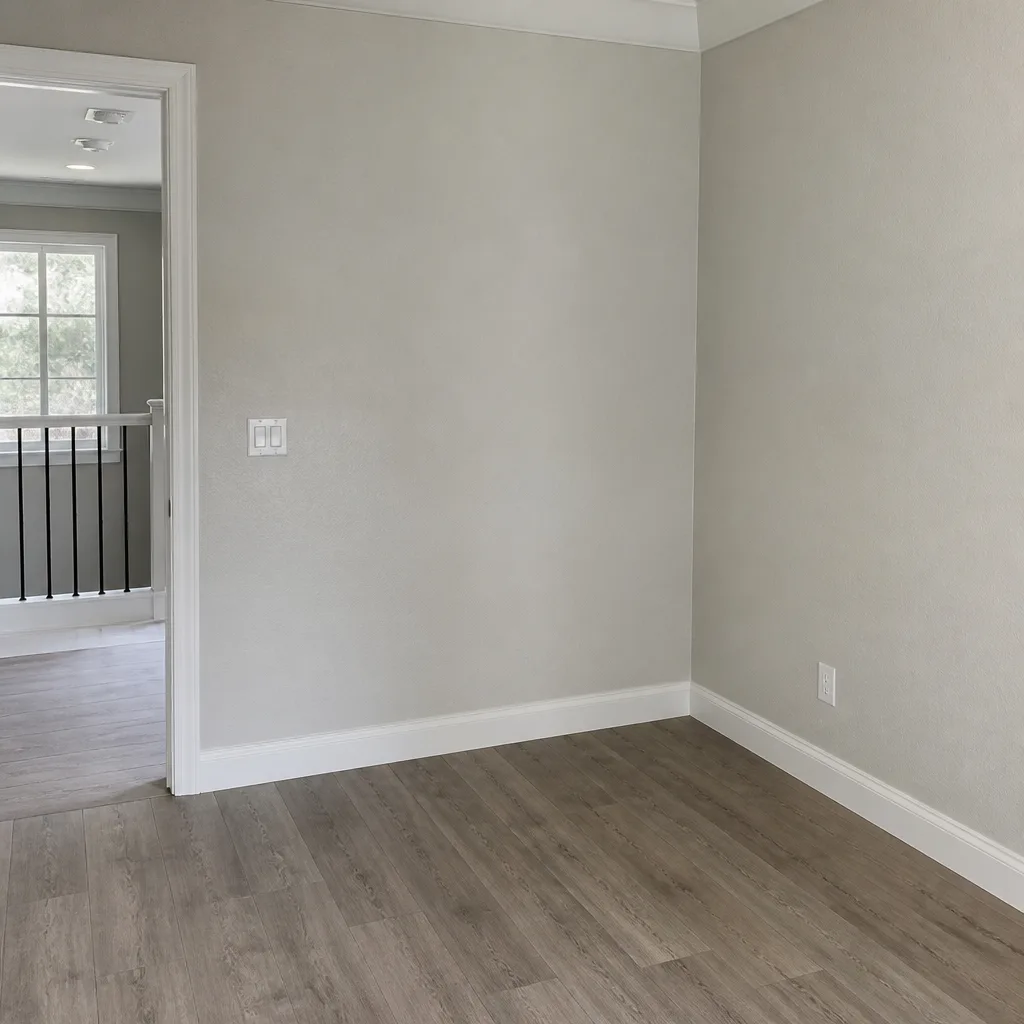 After
After24/7 Emergency Water Damage Restoration in Laguna Beach
Water damage restoration in Laguna Beach typically costs $2,800-$6,500 for a standard residential mitigation, with emergency extraction calls starting at $450-$950 and full structural drying running $1,800-$4,200 depending on affected square footage and material classification. Most Laguna Beach homes need 3-5 days of active drying, though coastal properties with marine-layer humidity complications can extend to 7-10 days. Call (657) 212-2570 now - we answer live, 24 hours a day, 7 days a week, with crews dispatched to Laguna Beach neighborhoods within 45 minutes.
The first hour determines whether you’re looking at extraction and drying or full gut-and-rebuild reconstruction. Water migrates horizontally through Laguna Beach’s wood-framed hillside homes faster than slab-on-grade construction because of raised foundations and crawl spaces that channel moisture. Our Water Damage Restoration team arrives with moisture meters, thermal imaging, and extraction equipment already loaded. We provide a free visual inspection, document every reading with photos, and deliver a written price before any work begins - Haven Standard, Clause 1.
Understanding Water Damage Restoration Severity in Laguna Beach Properties
Water damage classification follows IICRC protocol: Category 1 (clean water from supply lines), Category 2 (gray water with chemical or biological contamination), and Category 3 (black water from sewage or ground flooding). Laguna Beach’s canyon runoff during El Niño events frequently produces Category 2 or 3 conditions because debris-laden water carries sediment, ash, and organic material from fire-scarred hillsides into lower-elevation homes.
Moisture mapping is the process of identifying where water has traveled beyond visible damage. In Laguna Beach’s 1920s-1940s arts-colony cottages and 1960s-1980s hillside custom homes, water follows paths shaped by non-standard construction: balloon framing, irregular additions, and hand-built architectural features. A burst pipe in a Village cottage built in 1932 can saturate wall cavities for days before showing surface staining because of the dense old-growth lumber and multiple layers of historic finish materials.
Structural drying requires calculating vapor pressure differential - the force that drives moisture from wet materials into the air - then manipulating temperature and humidity with dehumidifiers and air movers to accelerate it. Psychrometric data, the measurement of air temperature, relative humidity, and dew point, guides equipment placement. In coastal-facing Laguna Beach homes, the persistent marine layer keeps ambient humidity elevated, which means standard drying calculations from inland markets underestimate equipment needs. We adjust our drying plans for this local condition.
Why Laguna Beach Property Owners Choose DryMark Restoration Irvine
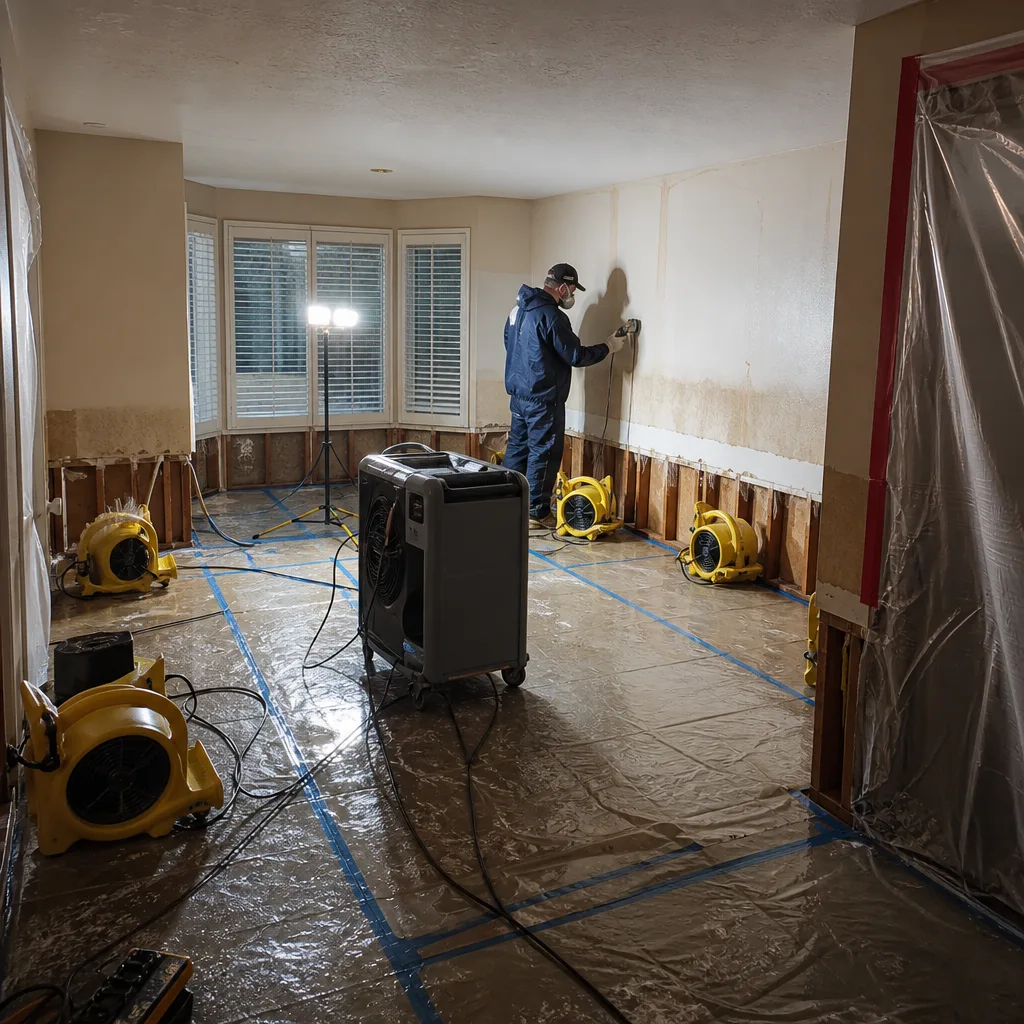
- 45-minute response commitment to Laguna Beach from dispatch, with crews staged for canyon-road access to Temple Hills, Arch Beach Heights, and lower Laguna Canyon Road.
- 24/7 live answer - a real person picks up every call, never an automated system or voicemail tree, because water doesn’t wait for business hours.
- IICRC-certified crews holding WRT (Water Damage Restoration Technician), ASD (Applied Structural Drying), and AMRT (Applied Microbial Remediation Technician) certifications, with license numbers provided on request.
- Free visual inspection with documented moisture readings, thermal imaging, and a written scope delivered before any equipment is powered on.
- Direct insurance billing with photo-documented estimates, daily drying logs, and adjuster coordination - the documentation that turns restoration invoices into payable claims.
- One team from extraction to reconstruction, so your project isn’t handed off between contractors who each blame the previous phase.
 Before
 After
AfterOur Water Damage Restoration Process
1. Inspection & Assessment
We arrive with FLIR thermal imaging cameras, penetrating and non-penetrating moisture meters, and hygrometers to map the full extent of water migration. In Laguna Beach’s custom hillside homes, this means checking canyon-facing walls where marine-layer condensation hides behind finished surfaces, and documenting every reading with photos for your insurer.
2. Extraction & Stabilization
Standing water is removed with truck-mounted extraction units or portable systems from Dri-Eaz and Phoenix, depending on canyon-lot access. For Temple Hills and Arch Beach Heights properties where standard equipment trailers cannot maneuver, we deploy stair-carried portable extraction units and generator-powered systems.
3. Drying & Dehumidification
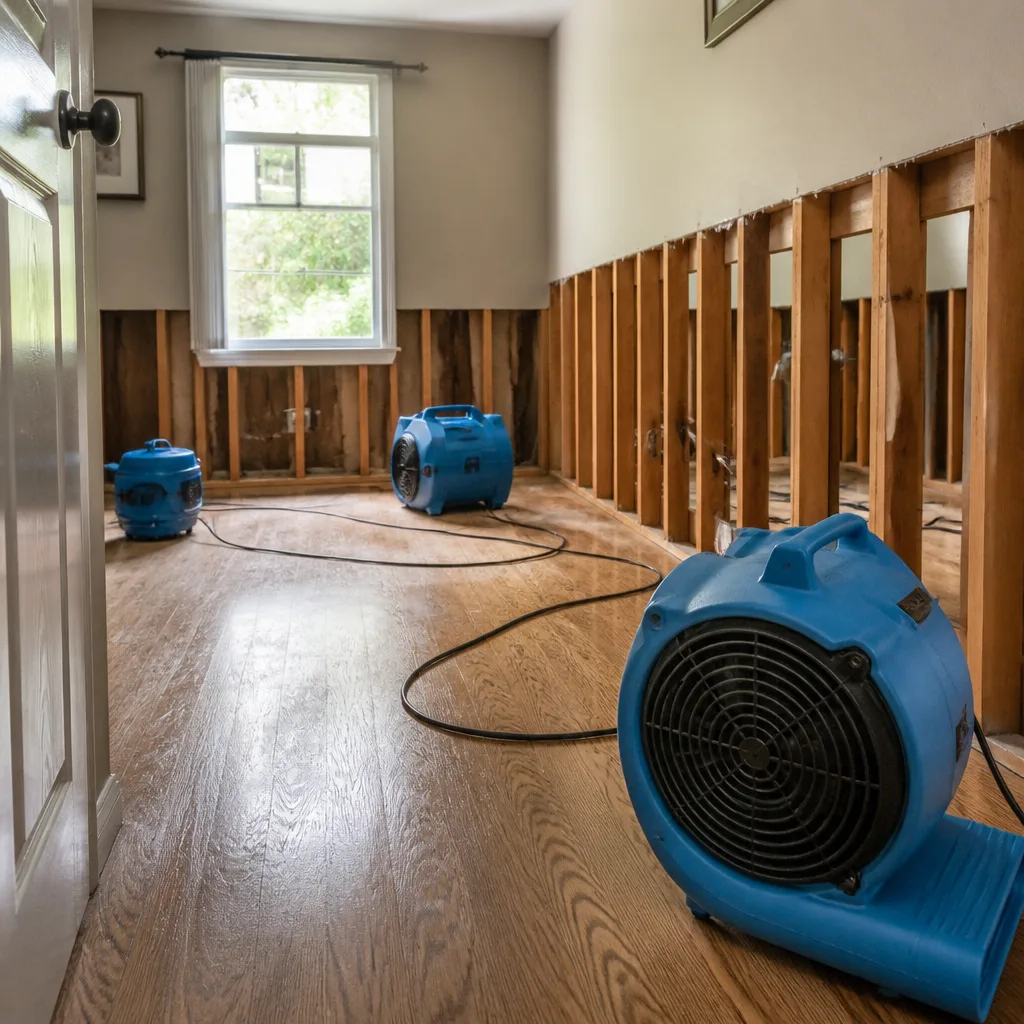
We calculate equipment loads based on affected cubic footage, material permeance, and Laguna Beach’s elevated baseline humidity. Deployed systems include Dri-Eaz and Phoenix LGR dehumidifiers, XPOWER and B-Air air movers, and Injectidry cavity-drying systems for wall and ceiling voids. Daily moisture logs track progress to IICRC standards.
4. Cleaning & Sanitization
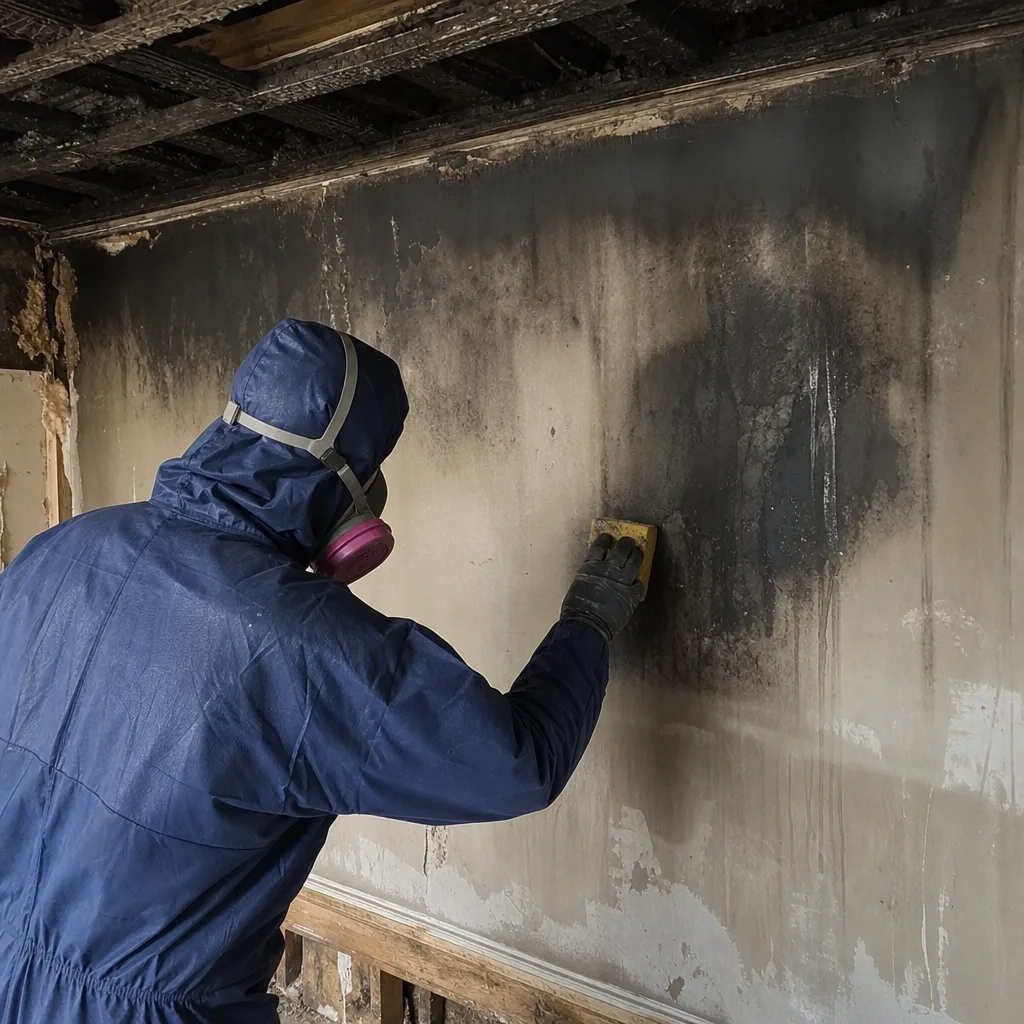
Category 2 and 3 losses receive antimicrobial treatment to Category 3 standards. In canyon-flood scenarios, we remove sediment and ash contamination that standard water mitigation misses, documenting soil removal volumes for insurance.
5. Mold Assessment & Tertiary Drying
Tertiary drying addresses residual moisture in dense or inaccessible materials. In Laguna Beach’s coastal homes, we extend this phase to catch marine-layer humidity that can re-wet cavities after primary drying concludes. Air scrubbers with HEPA filtration run during this phase to capture spore release.
6. Repairs & Restoration
Repairs match original materials where possible - critical in Laguna Beach’s custom homes with tongue-and-groove ceilings, handmade tile, and built-in cabinetry. In Very High Fire Hazard Severity Zone properties, all exterior assemblies meet post-1993 Class A roofing and ignition-resistant material codes.
Need Emergency Water Damage Restoration in Laguna Beach Now?
Crews minutes away, answering live 24 hours a day. The sooner we start, the less it costs.
Working With Your Insurance Company
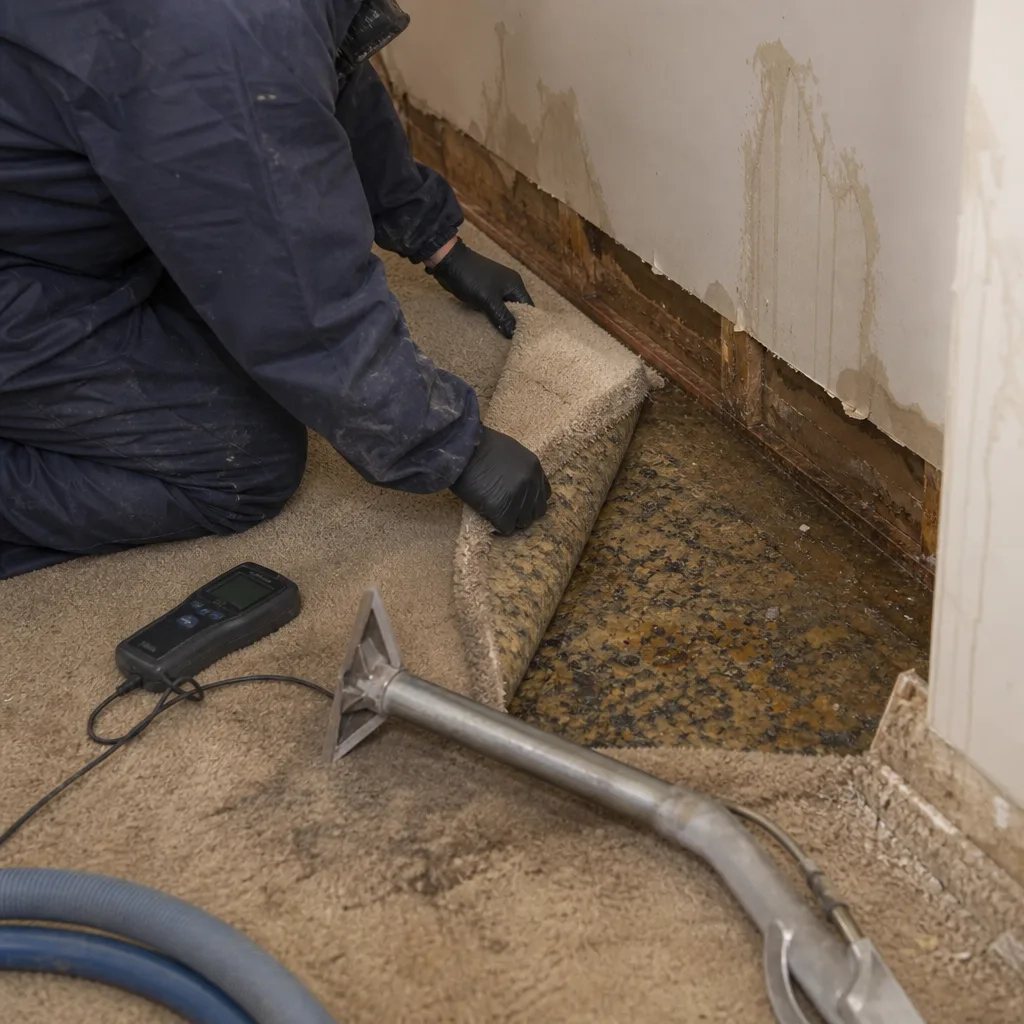
Insurance claims succeed or fail on documentation. We begin building your file from the first moisture reading, knowing that adjusters approve what they can verify. Our estimates follow industry-standard Xactimate pricing updated for Orange County labor and material rates. We speak directly with your adjuster, provide supplemental documentation when scope expands, and never ask you to pay out-of-pocket and wait for reimbursement on covered losses.
Our Laguna Beach crews understand the specific documentation requirements of carriers writing policies for high-value coastal properties, where replacement cost coverage for custom finishes requires detailed material identification and sourcing documentation.
What We Provide Your Insurer
- Thorough documentation of the loss
- Photos of all damage, room by room
- Moisture readings and drying logs
- A detailed, line-item scope of work
- Direct coordination with your carrier
Built for Laguna Beach’s Loss Calendar
January through March brings the heaviest El Niño-cycle rainfall, when Laguna Canyon, Wood Canyon, and Aliso Canyon drain debris-laden runoff onto lower Laguna Canyon Road and into Village core basements. These events produce sediment-saturated Category 2 flooding that requires excavation and soil removal beyond standard water extraction protocols.
April through June, the marine layer thickens and persists longer each morning, keeping coastal-facing homes in Three Arch Bay and Victoria Beach at sustained humidity levels that mask slow leaks and feed hidden mold. July through October brings dry heat and elevated wildfire risk; when brush fires ignite in the surrounding canyons, canyon updrafts push smoke and ash into HVAC intakes of hillside homes, producing water-damage-adjacent remediation calls for smoke odor and particulate even where no direct fire damage occurred.
November through December sees seasonal rainfall return and aging plumbing in 1920s-1940s cottages reach failure points from summer thermal expansion stress. Supply lines in unconditioned crawl spaces beneath raised foundations are particularly vulnerable.
Water Damage Restoration Across Laguna Beach’s Neighborhoods
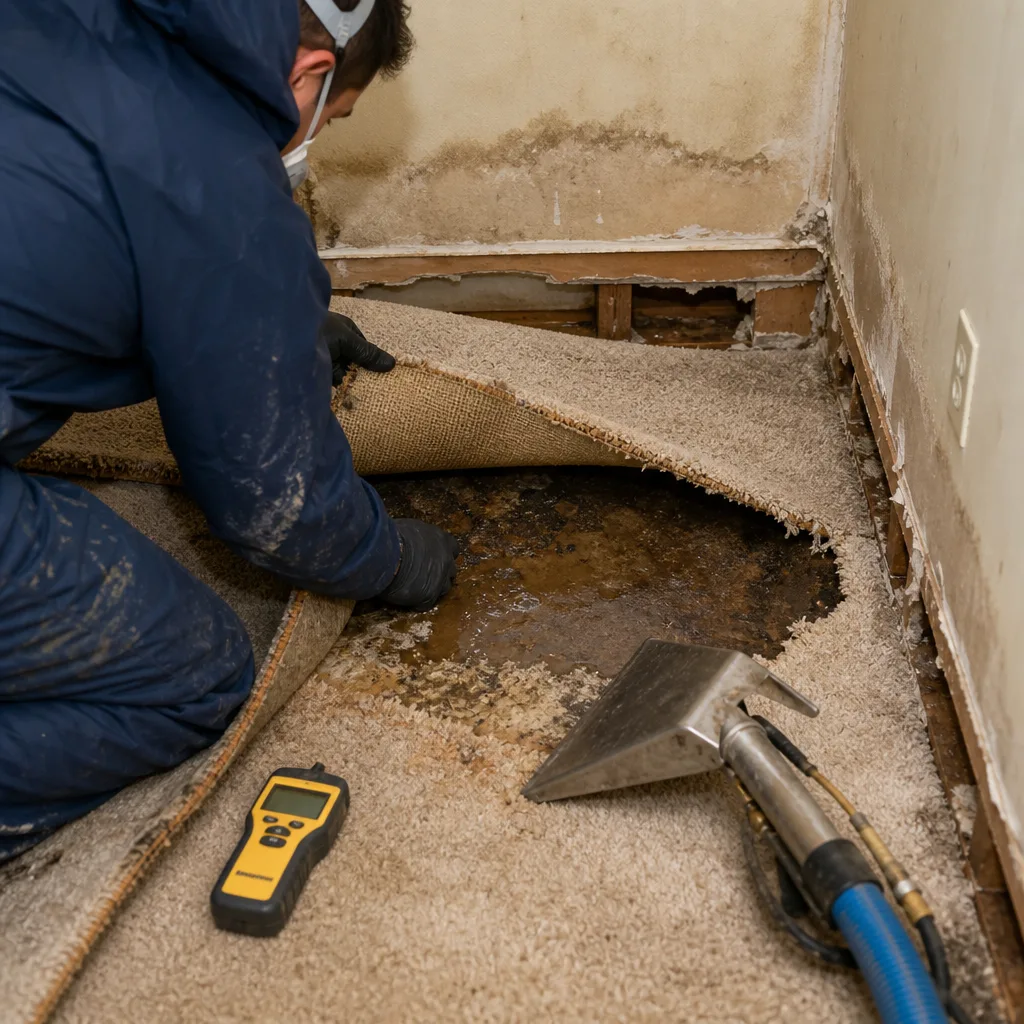
Village Core and North Laguna - The 1920s-1940s arts-colony cottages and craftsman bungalows here feature aging galvanized or copper plumbing, flat or low-pitch roofs with original built-up roofing, and multiple layers of historic finish materials. Water damage in these properties often involves slow leaks that saturate dense old-growth framing before showing surface symptoms. Restoration requires matching irreplaceable materials: handmade tile, vintage hardware, tongue-and-groove ceilings.
Temple Hills and Arch Beach Heights - Custom 1960s-1980s hillside homes cantilevered over canyon edges with severely limited equipment access. Standard trailer-mounted drying equipment cannot reach many properties; we deploy stair-carried portables and generator-powered systems. The canyon-facing walls in these neighborhoods show the highest incidence of marine-layer condensation damage - hidden moisture behind finished surfaces with no visible leak source.
Lower Laguna Canyon Road - Directly in the path of canyon drainage during heavy rain events. Homes here see sediment-laden flood damage requiring soil removal and excavation. Elevation and drainage improvements are often part of the restoration scope, not just drying and repair.
Three Arch Bay and Victoria Beach - Coastal-facing homes with the most persistent marine-layer exposure. Interior humidity runs chronically elevated, and raised foundations with crawl spaces create microclimates where mold colonizes subflooring and floor joists without any plumbing failure. These properties need the most aggressive moisture mapping and the longest tertiary drying phases.
Specialized Water Damage Restoration Services We Offer in Laguna Beach
Emergency Water Extraction
Standing water removal within 45 minutes of call, using truck-mounted or portable extraction depending on canyon-lot access. In Laguna Beach’s hillside neighborhoods, we pre-stage portable equipment for properties where standard service vehicles cannot maneuver. Extraction costs typically run $450-$950 for residential properties.
Structural Drying & Dehumidification
Calculated drying based on affected cubic footage, material permeance, and local humidity baselines. Our Laguna Beach protocols run equipment 20-30% longer than inland markets because of marine-layer rehumidification risk. Daily moisture logs document progress to IICRC S500 standards. Typical residential drying: $1,800-$4,200.
Flood Cleanup
Canyon-runoff flooding in Laguna Beach carries sediment, ash, and organic debris from fire-scarred hillsides, classifying as Category 2 or 3. Cleanup includes soil removal, pressure washing of structural elements, and antimicrobial treatment. Full flood mitigation with excavation: $4,500-$12,000.
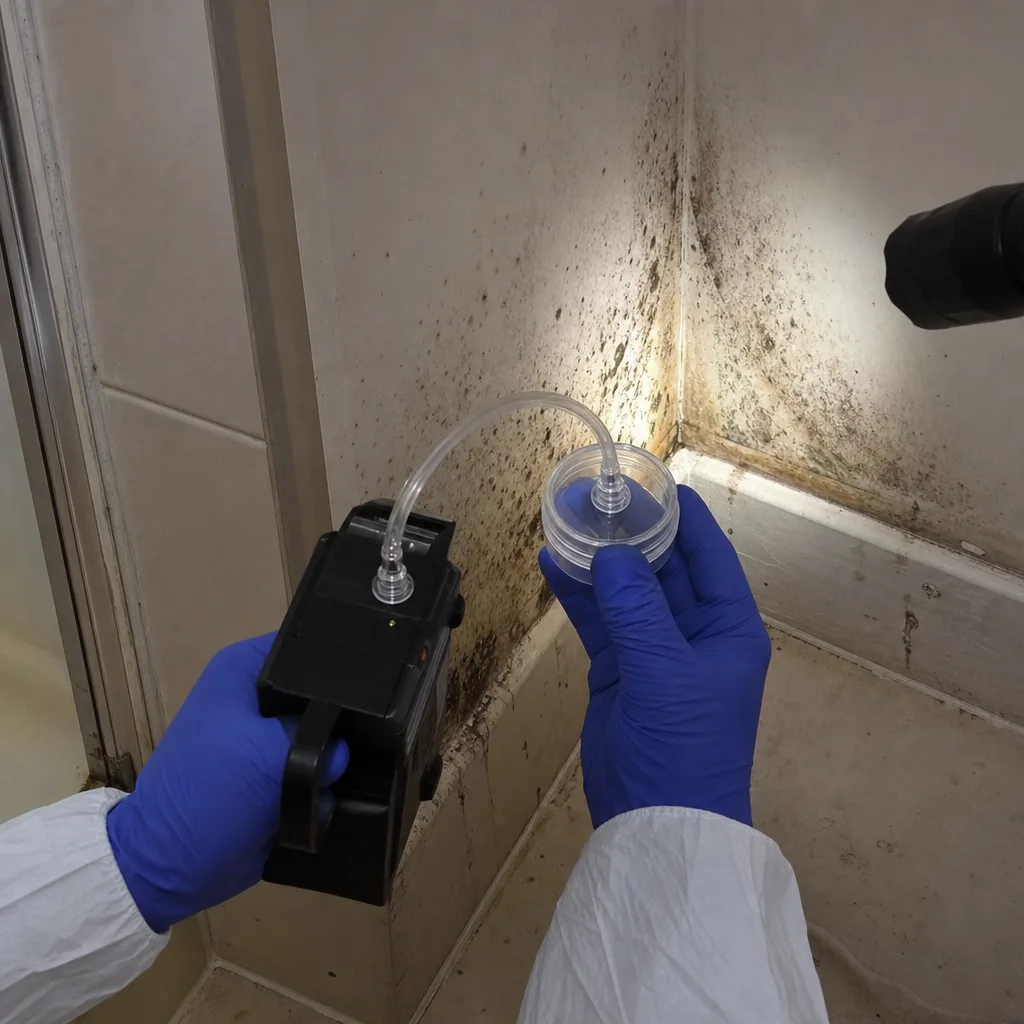
Burst Pipe Restoration
Aging copper and galvanized systems in Village cottages fail from corrosion and thermal stress. We extract, dry, and coordinate licensed plumbing replacement, with documentation for insurance covering both the water damage and the pipe repair when sudden and accidental.
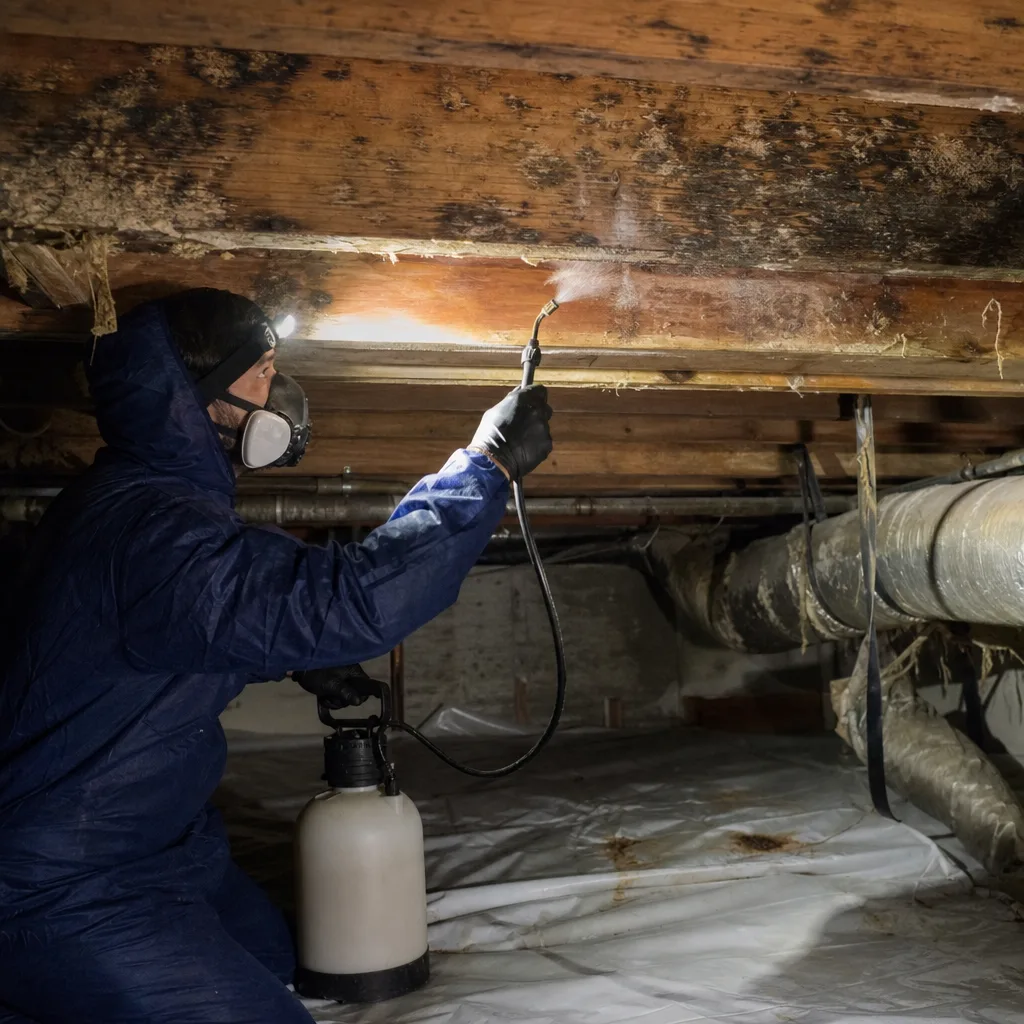
Basement Water Removal
Limited basements in Laguna Beach; more commonly, water enters conditioned crawl spaces beneath raised foundations. These confined spaces require specialized extraction and drying with low-profile equipment and extended dehumidification.
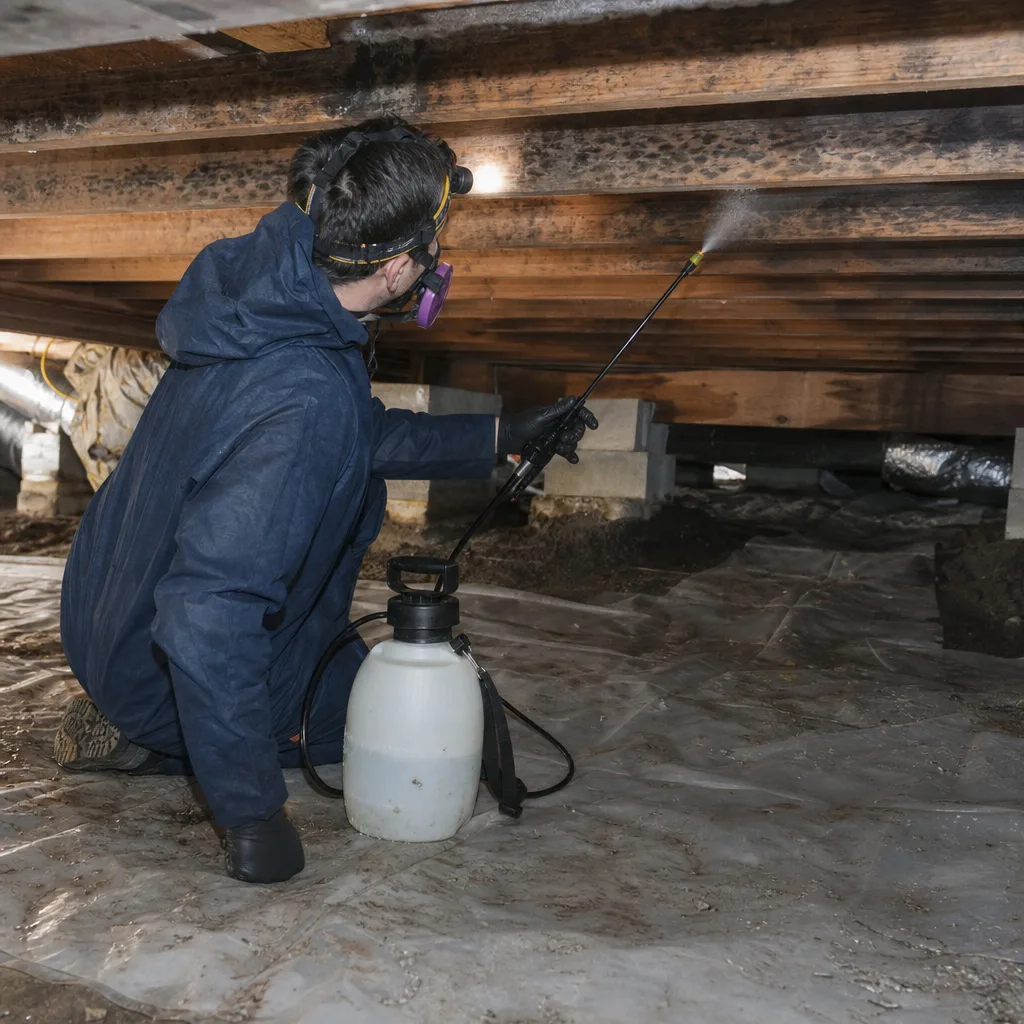
Ceiling & Roof Leak Water Damage
Flat and low-pitch roofs in older Laguna Beach homes leak at penetrations and drains. Custom interiors with hand-built cabinetry, built-in shelving, and bespoke lighting make ceiling repair a materials-matching challenge, not a drywall-and-paint job. We source matching materials and document replacement costs for replacement-cost coverage.
What happens when you call
- 1
A real person answersNo phone trees - you reach a local pro.
- 2
You get an upfront price rangeHonest numbers before anyone is dispatched.
- 3
A background-checked tech heads outLicensed & insured, dispatched right away.
- 4
You approve before work beginsNothing starts until you say go.
Water Damage Restoration Costs in Laguna Beach, CA
| Service | Typical Range in Laguna Beach |
|---|---|
| Emergency water extraction | $450 - $950 |
| Structural drying & dehumidification (standard residential) | $1,800 - $4,200 |
| Full mitigation with Category 2/3 flood cleanup | $4,500 - $12,000 |
| Custom materials matching & reconstruction | $8,000 - $25,000+ |
| Mold remediation (marine-layer hidden growth) | $2,200 - $6,500 |
What moves the price: affected square footage, water category (clean vs. contaminated), material permeance (drywall vs. dense plaster or custom tile), accessibility (standard truck access vs. stair-carried equipment), and whether custom materials require specialty sourcing. Insurance typically covers sudden and accidental water damage; gradual leaks and maintenance issues are usually excluded. We provide a free visual inspection and written scope before any work begins - Haven Standard, Clause 1 - so you know exactly what you’re paying for and what your carrier will likely cover. Bring a competitor’s written estimate and we’ll review it at no charge.
We Also Serve Cities Near Laguna Beach
Our crews respond throughout the Laguna Beach area and adjacent communities: Laguna Niguel for hillside custom home water damage, Aliso Viejo for planned-community plumbing failures, Laguna Woods for senior-living facility water losses, and Laguna Hills for residential and commercial mitigation. Dispatch and scheduling are coordinated from our Los Angeles office; crews serve Laguna Beach locally with 45-minute response times.
Serving Laguna Beach, CA - Our Local Coverage Area
We’re based in the Laguna Beach area and know this community well. Use the map below to see our service coverage - if you’re nearby, we can almost certainly help.
Laguna Beach Water Damage Restoration Questions, Answered
How fast can you get to Laguna Beach?
We commit to 45-minute response times to Laguna Beach neighborhoods from initial call, with crews staged for canyon-road access to Temple Hills, Arch Beach Heights, and lower Laguna Canyon Road. Call (657) 212-2570 - we answer live 24/7.
Why do Laguna Beach homes sometimes have mold growth without a visible leak?
The persistent marine layer and salt-laden ocean air keep interior humidity chronically elevated in coastal-facing homes, allowing condensation inside wall cavities and beneath raised foundations even when no plumbing has failed. In Arch Beach Heights, a hillside home showed no visible leak, but a homeowner complaint about a musty smell led our tech to run moisture mapping along the canyon-facing wall. Using Injectidry and Dri-Eaz equipment, we found the marine-layer humidity had condensed behind the drywall, feeding hidden mold growth inside the cavity. We set up containment, applied antimicrobial treatment, and ran a structural drying and dehumidification cycle that brought the wall cavity back to its documented pre-loss condition without opening the entire finished surface.
What is different about water extraction on a hillside lot in Temple Hills or Arch Beach Heights?
Steep, narrow canyon lots with severely limited equipment access prevent standard trailer-mounted air movers and dehumidifiers from reaching many properties. We deploy stair-carried portable extraction units and generator-powered drying systems, and we calculate longer drying times because hillside construction creates more complex moisture migration paths through cantilevered and non-standard framing.
Does Laguna Beach flood damage from canyon runoff need more than standard water mitigation?
Yes. El Niño-cycle heavy rain events funnel debris-laden runoff down Laguna Canyon, Wood Canyon, and Aliso Canyon drainages into lower-elevation neighborhoods. This water carries sediment, ash, and organic material from fire-scarred hillsides, classifying it as Category 2 or 3 and requiring soil removal, pressure washing of structural elements, and antimicrobial treatment beyond standard extraction and drying. Documentation of soil removal volumes is provided for insurance.
How do you handle a ceiling or roof leak in a home with custom residential construction and bespoke finishes?
We identify and document every custom element - tongue-and-groove ceilings, handmade tile, built-in cabinetry, specialty lighting - before any demolition begins. Materials are sourced for matching replacement under replacement-cost coverage when available, and we provide detailed documentation to your adjuster. Repairs in Very High Fire Hazard Severity Zone properties must also meet Laguna Beach’s post-1993 Class A roofing and ignition-resistant exterior assembly codes.
Does smoke from canyon brush fires affect water damage restoration work in Laguna Beach?
Canyon updrafts push smoke and ash into HVAC intakes of hillside homes in neighborhoods like Temple Hills and Arch Beach Heights even when those structures never directly burned. This creates a secondary damage type - smoke odor and particulate contamination - that we address with HEPA air scrubbing, duct cleaning, and odor-neutralizing thermal fogging during or after water damage restoration. It’s a referral pattern restoration techs in flat coastal cities almost never see.
Will my insurance cover water damage restoration in Laguna Beach?
Sudden and accidental water damage from burst pipes, appliance failures, or weather events is typically covered under standard homeowners policies. Gradual leaks, maintenance issues, and flood damage from rising water require separate flood coverage. We provide photo-documented estimates, daily drying logs, and direct adjuster coordination to support your claim. Call (657) 212-2570 for a free inspection and written scope - we’ll review your coverage situation at no charge.
How long does structural drying take in Laguna Beach?
Standard residential drying takes 3-5 days of active equipment runtime. Laguna Beach’s coastal-facing homes with marine-layer humidity exposure often need 7-10 days, with extended tertiary drying to prevent rehumidification of cavities after primary equipment is removed. We verify dryness with moisture meter readings, not calendar days, and provide daily logs documenting progress.
Written by Alicia Brennan, Owner at Back to Dry Restoration, serving Laguna Beach since 2011.
Water Damage Restoration in Nearby Areas