Free visual inspection and a written scope of work before any mitigation begins - photos, moisture readings, and drying logs go in your claim file
The scope we write is the scope we bill. Anything new gets shown to you, in writing, before we touch it.
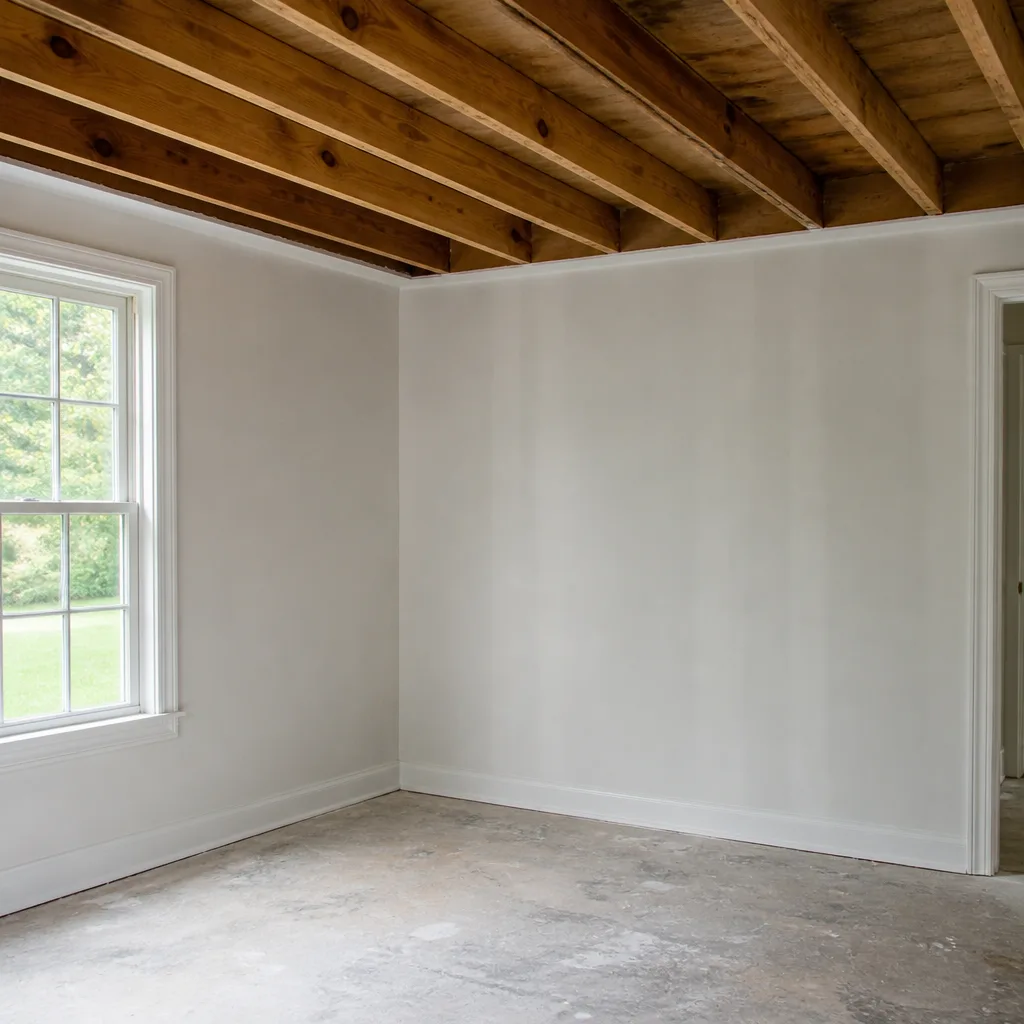
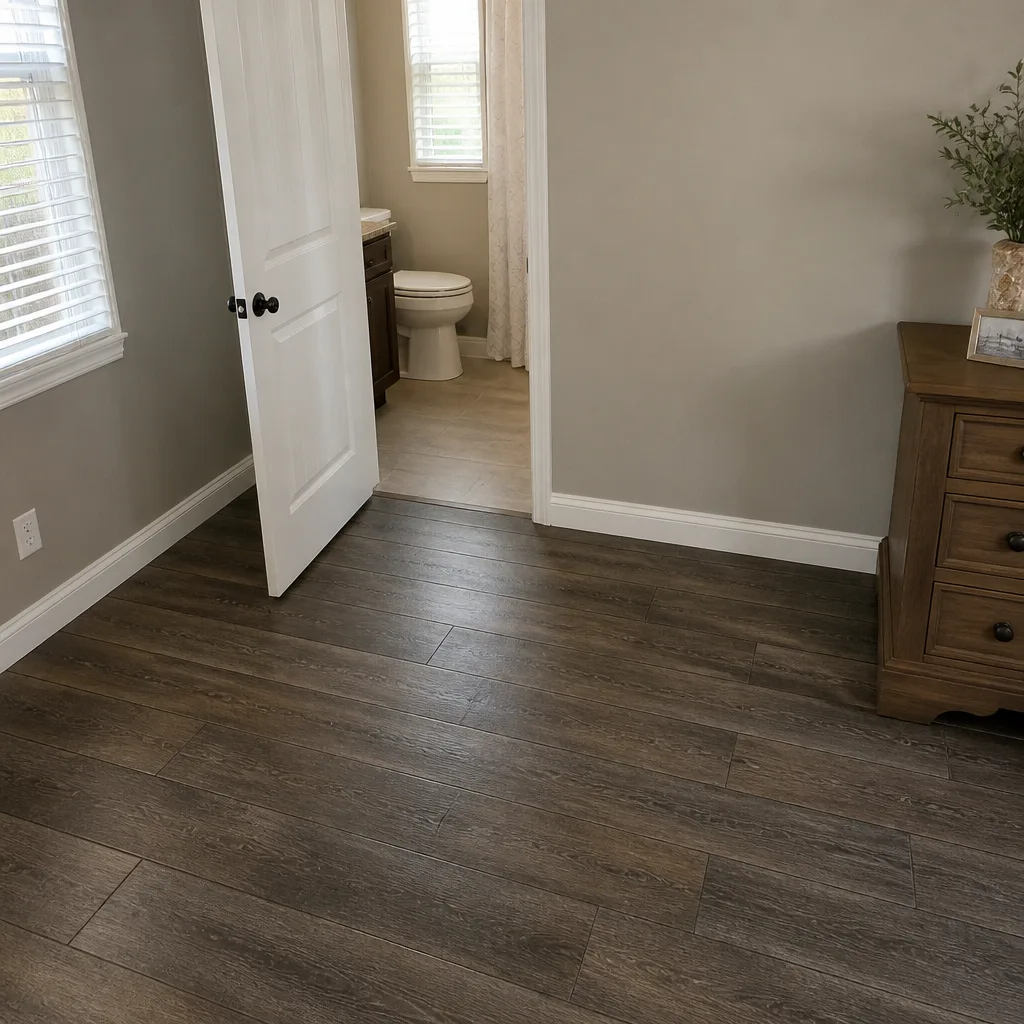
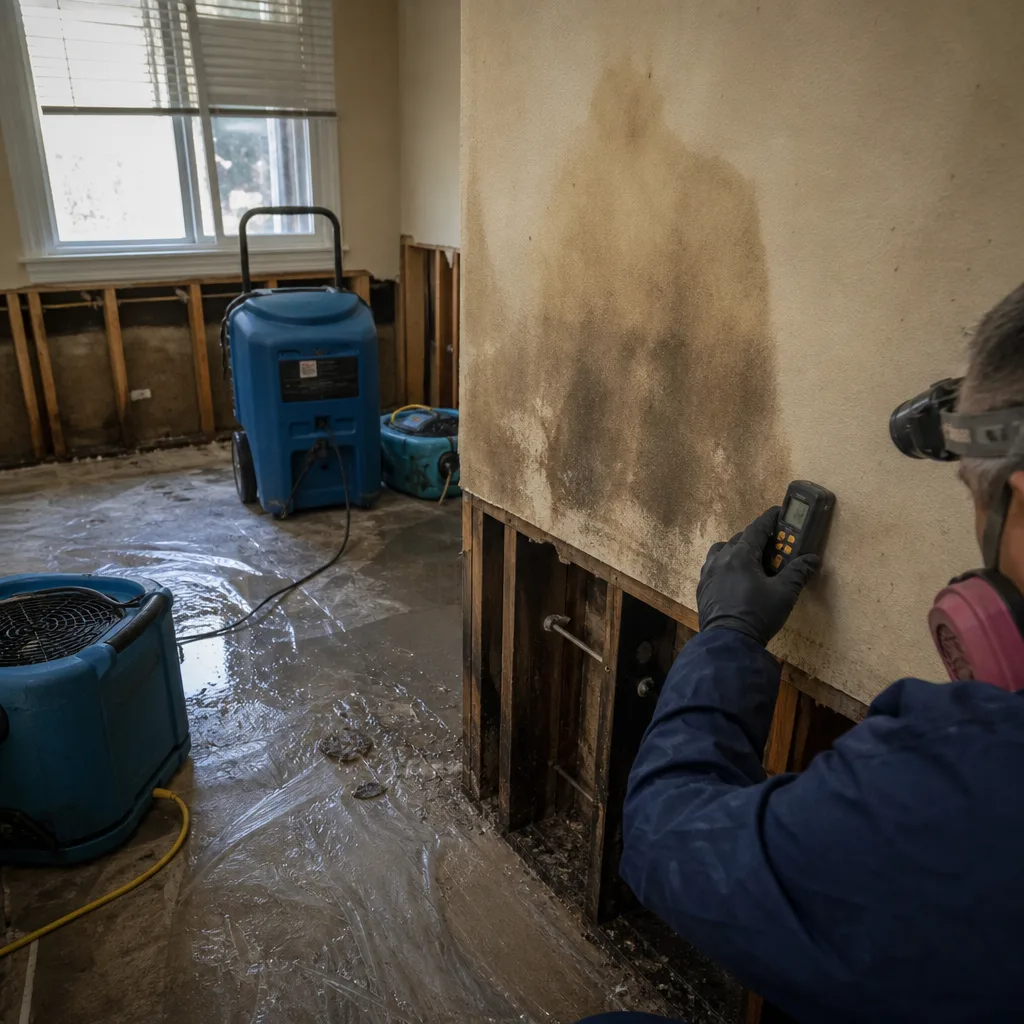 Before
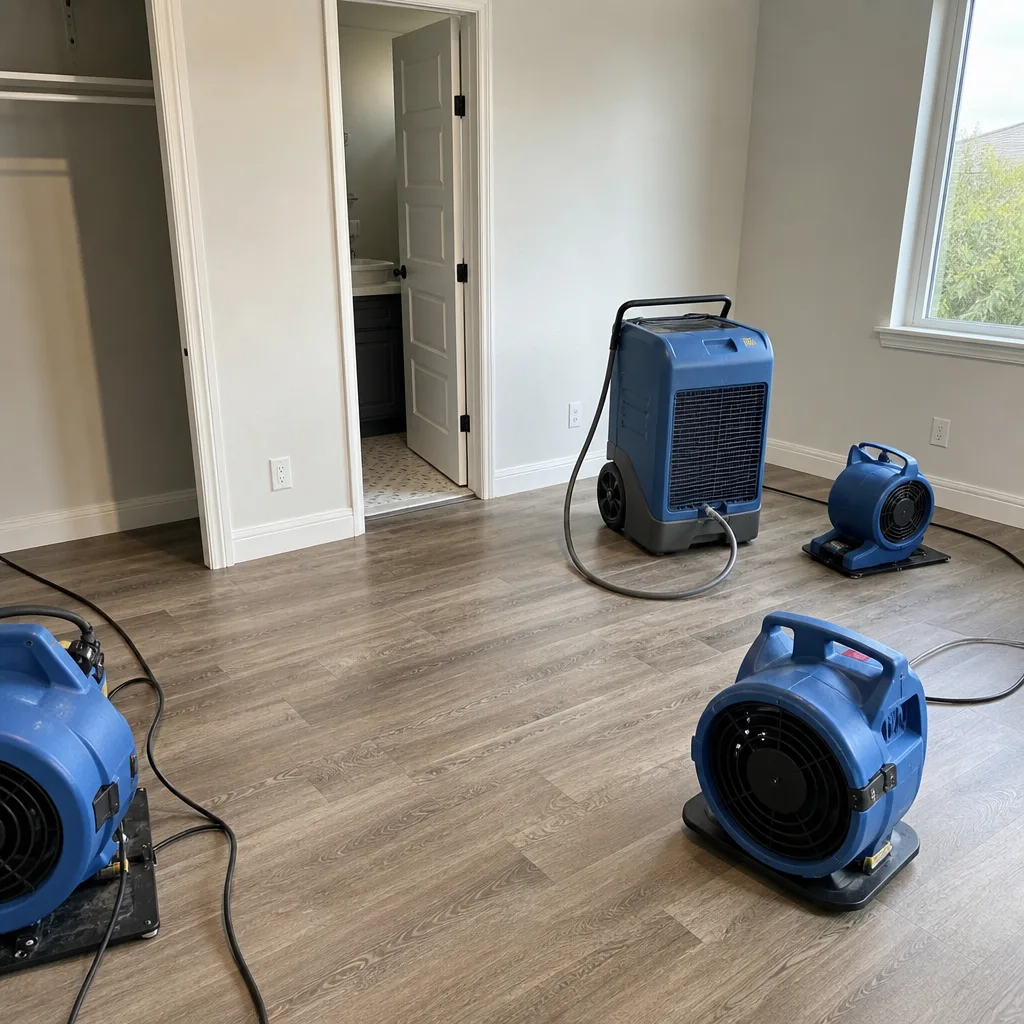 After
After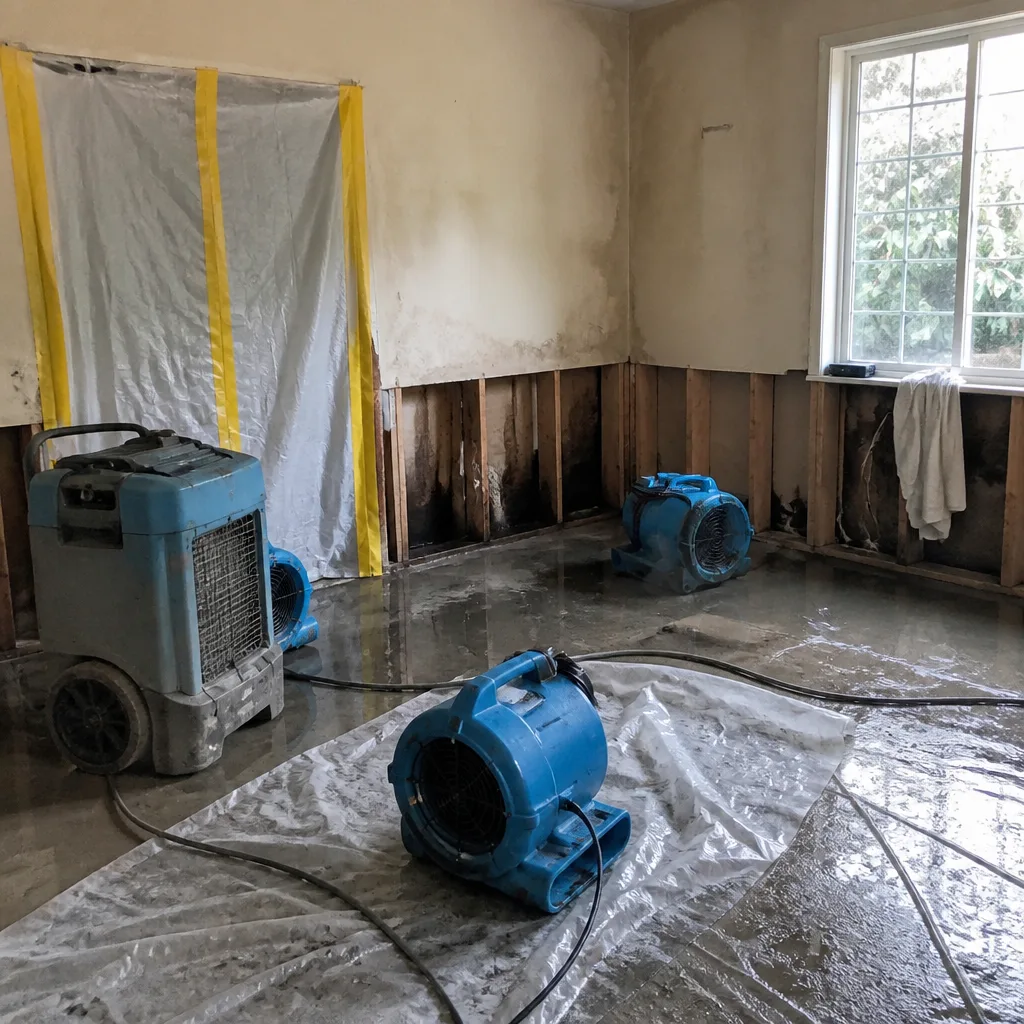 Before
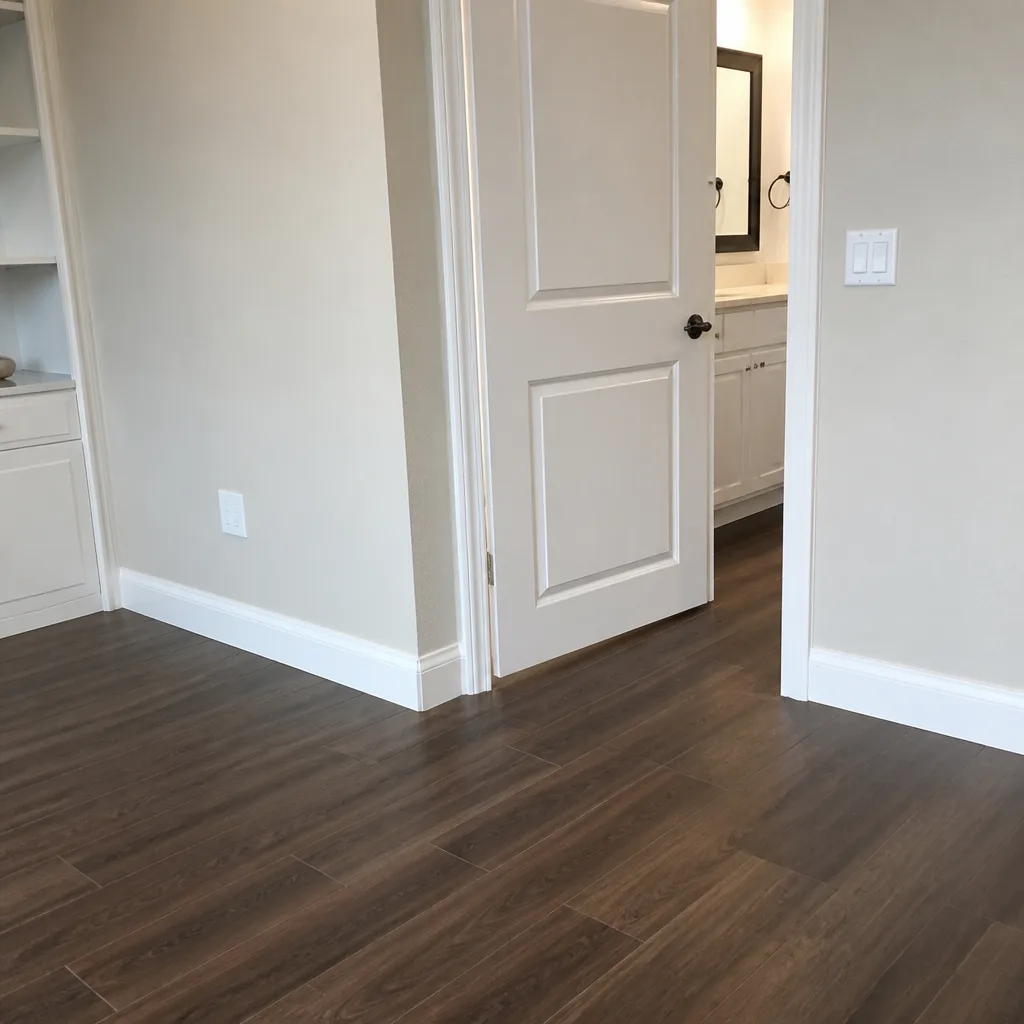 After
After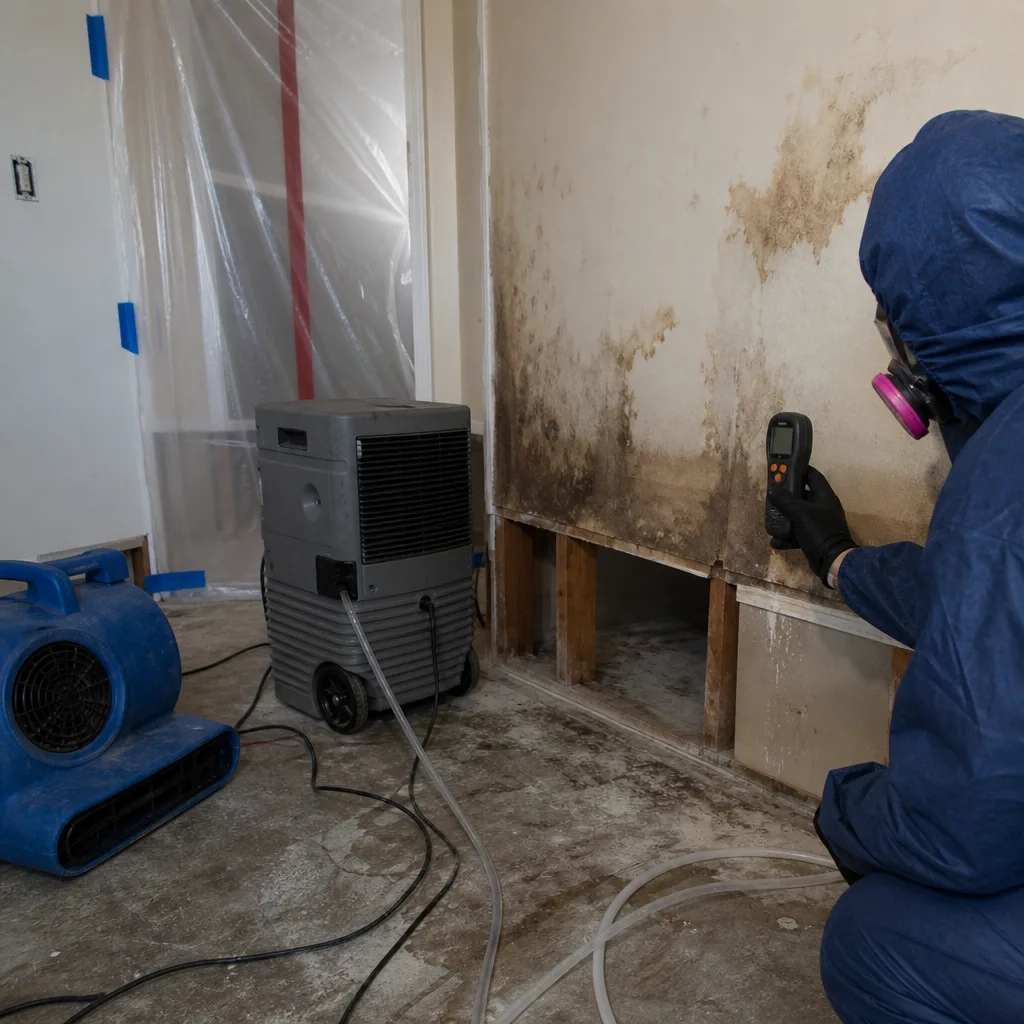 Before
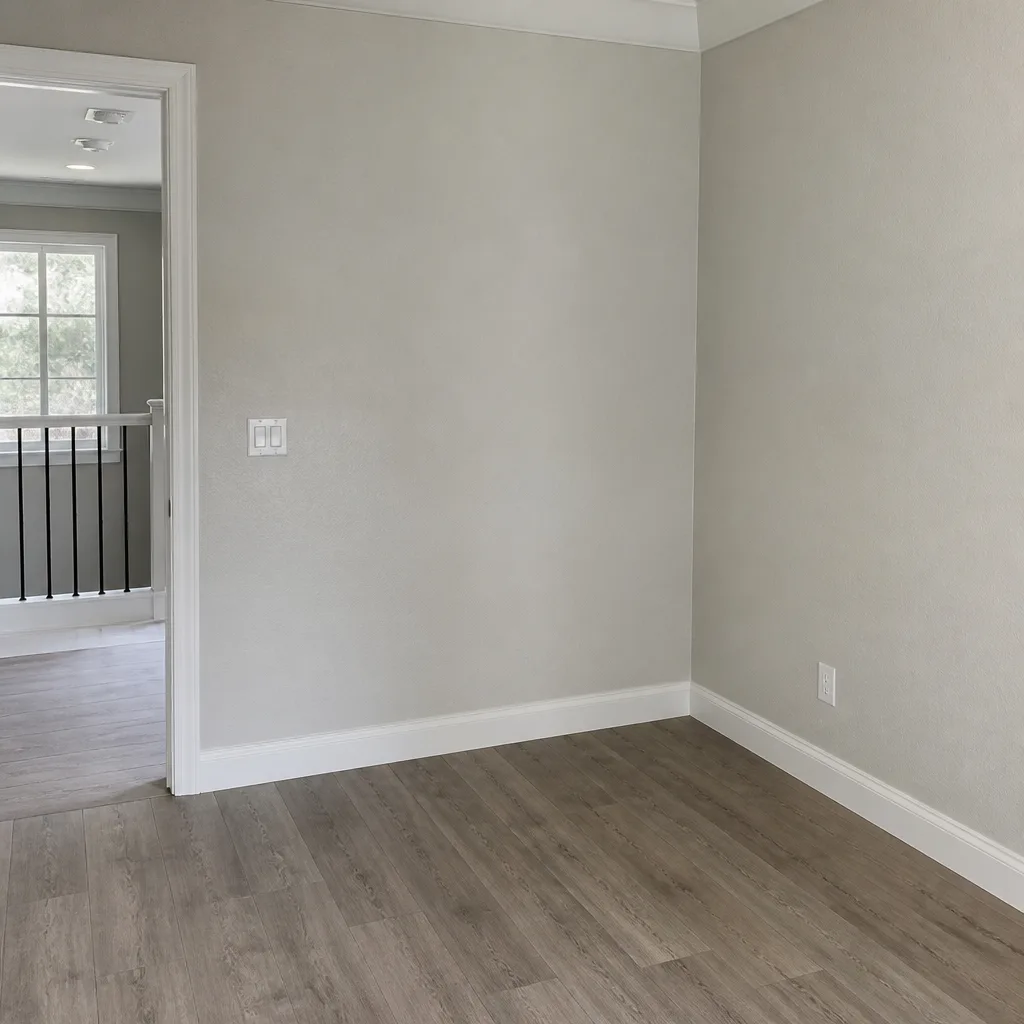 After
After24/7 Emergency Water Damage Restoration in Orange
Water damage restoration in Orange typically costs $2,800-$7,500 for residential losses, with emergency extraction and structural drying running $1,200-$3,200 for Category 1-2 incidents in single-family homes. Most drying projects in Orange complete in 3-5 days, though historic properties in Old Towne often extend to 7-10 days due to preservation review requirements. Call (657) 212-2570 now; we answer live, 24 hours a day, and crews are dispatched from our Los Angeles office to Orange within 45 minutes.
The first hour determines whether you’re looking at extraction and drying or a full gut-and-rebuild. Water moves horizontally through drywall at roughly one inch per minute, then vertically through wall cavities via capillary action. In Orange’s 1950s-1970s concrete-slab tract homes, that water has nowhere to drain; it pools in subfloors and wicks into baseboards. In Old Towne’s pre-1940s bungalows, it saturates original horsehair plaster and old-growth Douglas fir framing, both of which hold moisture far longer than modern materials. Our Water Damage Restoration team documents moisture readings at arrival, then again every 24 hours until the structure reads dry to IICRC standards.
Understanding Water Damage Restoration Severity in Orange Properties
Water damage falls into three categories, and the category determines everything from PPE requirements to disposal protocols. Category 1 is clean water from a broken supply line or overflowing sink. Category 2, often called “gray water,” carries detergents, microorganisms, or minor contaminants from dishwasher discharge, washing machine overflow, or sump pump failures. Category 3, “black water,” includes sewage backup, seawater intrusion, or any water that has passed through ground soil or building cavities. In Orange, we see Category 1 degrade to Category 2 within 24-48 hours in warm wall cavities, and Category 2 becomes Category 3 in 48-72 hours if left untreated.
Moisture mapping with thermal imaging and penetrating hygrometers tells us what the eye cannot. A wall that feels dry to the touch can hold 18-20% moisture content in the stud cavity, well above the 12-16% threshold where mold colonizes. In Orange’s mid-century slab homes near Santiago Hills, we frequently find water trapped between concrete and vinyl flooring, invisible from above but registering saturation on our meters. In hillside wood-frame construction from the 1980s-1990s, the same Santa Ana wind events that fan wildfires also accelerate surface drying while leaving sheathing and insulation wet. Without daily psychrometric data, vapor pressure differential readings, and documented drying logs, that hidden moisture becomes a mold problem.
The housing age spread in Orange creates material complexity most contractors underestimate. Original galvanized supply lines in Old Towne have internal corrosion rates of 1-2 mils per year in Orange’s hard municipal water; a 1920s line has roughly 30% of its original wall thickness remaining. When they fail, they often fail catastrophically. Mid-century homes across the flatlands contain asbestos-era insulation, vinyl asbestos floor tiles, and lead-based paint. Disturbing these during water extraction triggers Cal/OSHA notification requirements and mandatory abatement holds. Our crews test before they cut.
Why Orange Property Owners Choose DryMark Restoration Irvine
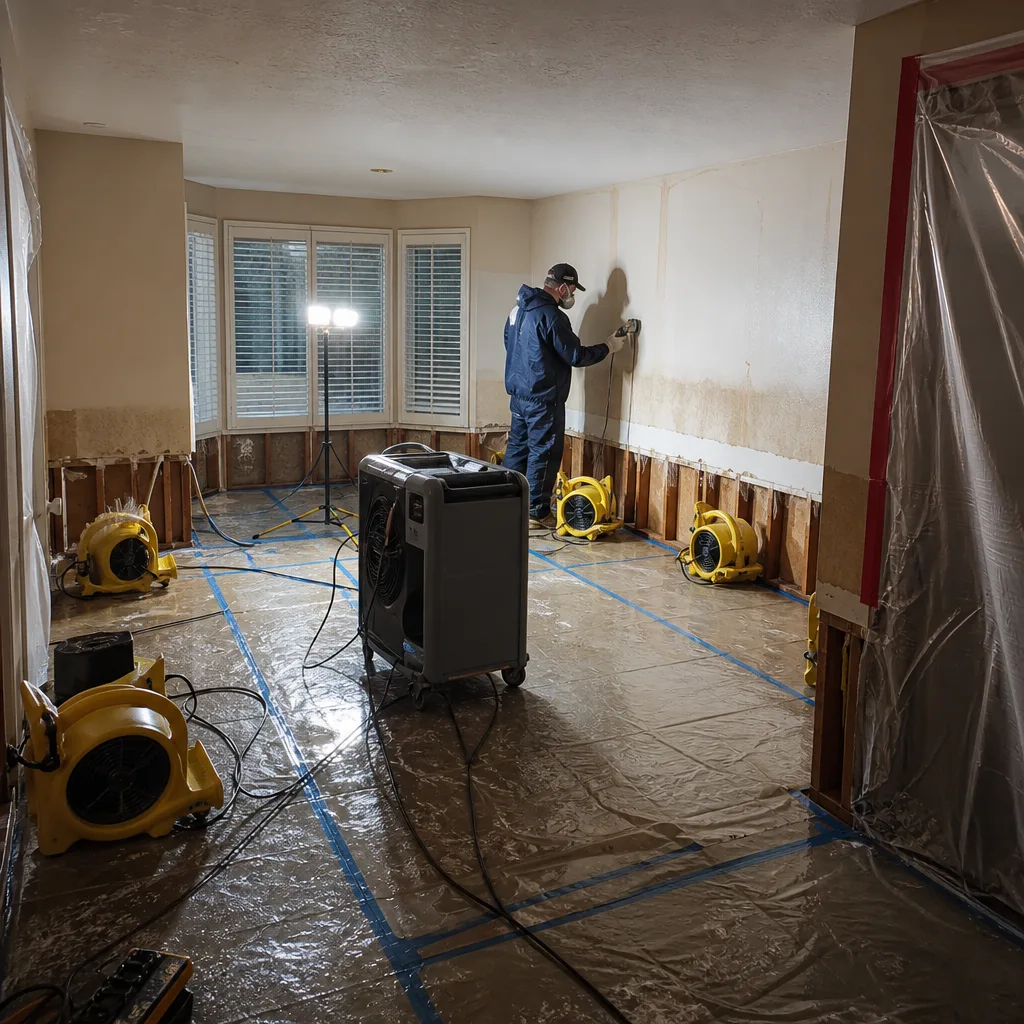
- 45-minute response commitment to Orange addresses from our Los Angeles office, with GPS-tracked dispatch and crew ETA texted to you.
- 24/7 live answer: a real person picks up every call, never an automated attendant or voicemail tree, because water doesn’t observe business hours.
- IICRC-certified crews holding WRT (Water Damage Restoration Technician), ASD (Applied Structural Drying), and AMRT (Applied Microbial Remediation Technician) certifications.
- Free visual inspection and moisture assessment at every Orange property, with a written scope and price delivered before any equipment is powered on.
- Direct insurance billing and adjuster coordination, including photo-documented estimates formatted to carrier standards.
- One team from extraction through reconstruction: no handoffs to unknown subcontractors, no gaps in documentation.
 Before
 After
AfterOur Water Damage Restoration Process
1. Inspection & Assessment
We arrive with thermal imaging cameras, penetrating and non-penetrating moisture meters, and hygrometers. Every affected room is mapped for moisture content, material classification, and migration path. In Orange’s historic properties, we photograph original plaster profiles, trim details, and framing species for preservation documentation.
2. Water Extraction & Stabilization
Standing water is removed with truck-mounted extraction systems and weighted carpet wands. For hard surfaces, we use squeegee wands and portable extraction units. In slab homes, we may need to remove baseboards and drill weep holes to release trapped water from wall cavities.
3. Structural Drying & Dehumidification
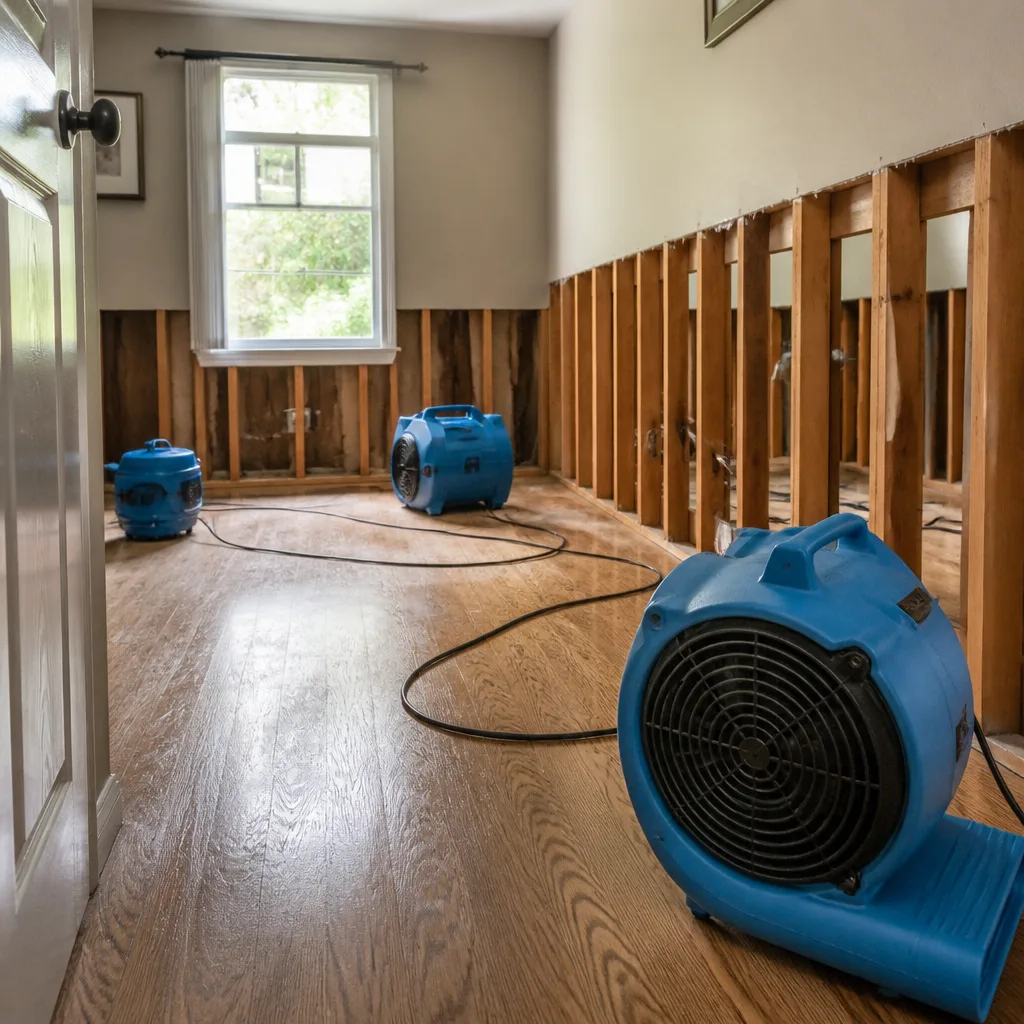
We deploy Dri-Eaz Revolution LGR dehumidifiers, Phoenix 200 HT dehumidifiers, and XPOWER air movers positioned for optimal airflow across wet surfaces. Injectidry systems dry inside wall cavities and beneath cabinets without demolition. Daily moisture logs track specific humidity, temperature, and grain depression until materials reach dry standard.
4. Cleaning & Sanitization
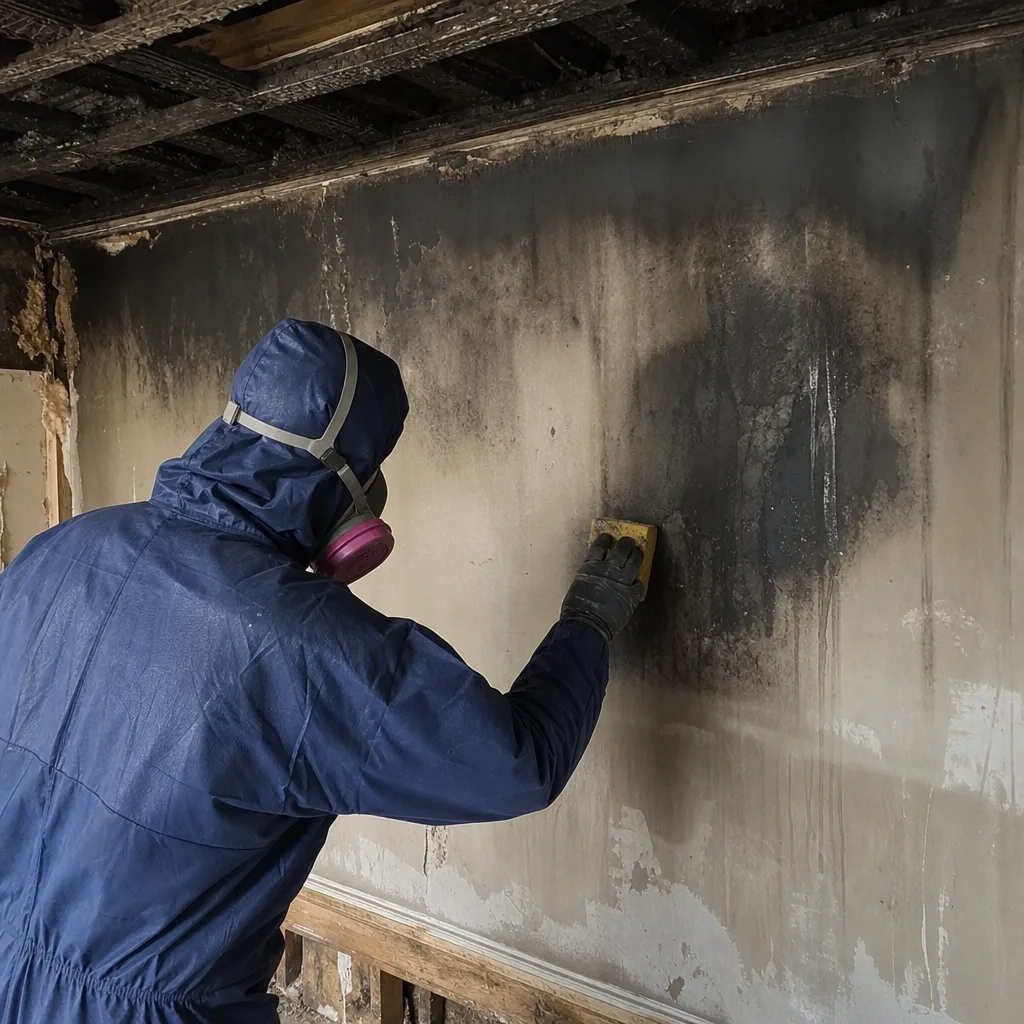
Category 2 and 3 losses receive antimicrobial treatment to non-salvageable surfaces. HEPA air scrubbers run continuously during this phase to capture airborne particulates. All cleaning is documented with before-and-after photos for your insurer.
5. Historic Preservation & Material Matching
For Orange’s contributing structures in Old Towne, we source matching lath-and-plaster assemblies, period-appropriate trim stock, and documented replacement materials. Our written scope includes preservation review submission packets with pre-loss photos, material specifications, and installation methods that satisfy the City’s Historic Preservation Ordinance.
6. Repairs & Restoration
Reconstruction follows the approved scope exactly, with no additions once work begins. Final walkthrough includes moisture verification, photo documentation of completed work, and your signed 365-Day Done Right Promise warranty under The Haven Standard.
Need Emergency Water Damage Restoration in Orange Now?
Crews minutes away, answering live 24 hours a day. The sooner we start, the less it costs.
Working With Your Insurance Company
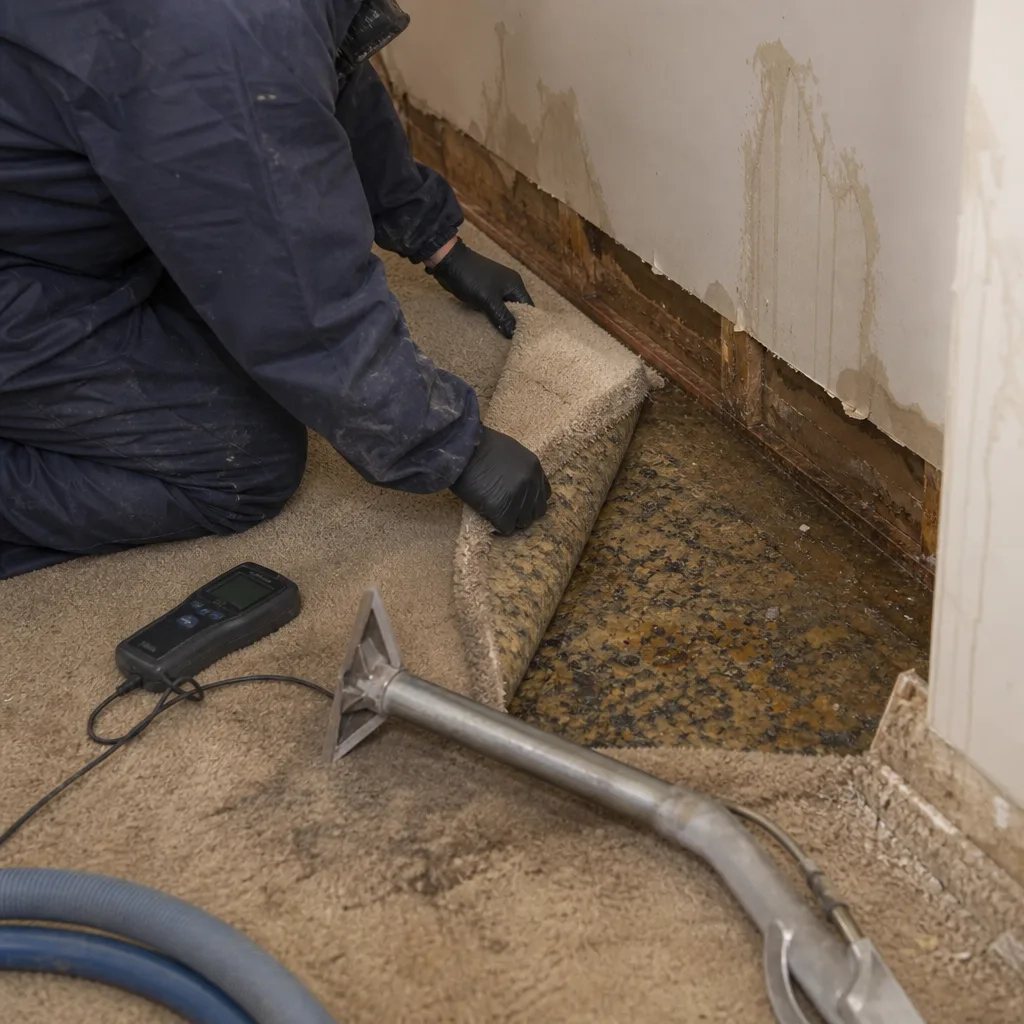
Insurance claims fail on documentation gaps. We know because Alicia Brennan founded Back to Dry Restoration in 2011 after years as a claims adjuster watching homeowners lose coverage over missing photos, unsigned scopes, and moisture readings that couldn’t be reproduced. Every Orange job we handle begins with photo documentation in the first hour and ends with a claim file an adjuster can pay without back-and-forth.
Our estimates are formatted to Xactimate standards, the industry pricing database most carriers require. We speak directly with your adjuster, provide supplemental documentation when scope expands, and never ask you to front costs beyond your deductible. For Water Damage Restoration in Orange, this means your claim moves faster and your out-of-pocket exposure stays predictable.
What We Provide Your Insurer
- Thorough documentation of the loss
- Photos of all damage, room by room
- Moisture readings and drying logs
- A detailed, line-item scope of work
- Direct coordination with your carrier
Built for Orange’s Loss Calendar
January through March brings the heaviest rain months to Orange, with Pacific storm systems dropping 2.5-3.5 inches monthly and overwhelming aging roof drainage on mid-century homes with original galvanized gutters. February 2017 saw widespread ceiling collapses in flatland tract homes where clogged scuppers backed water into soffits. We respond to more burst pipe calls in December and January than any other months, often in hillside homes where overnight lows dip just enough to freeze exposed hose bibs and irrigation lines.
May and June deliver the first Santa Ana wind events, with relative humidity crashing to 10-15% and temperatures spiking above 90°F. These conditions desiccate surface materials while trapping moisture in wall cavities, the perfect setup for false-dry readings and subsequent mold. July through September is wildfire season; the 2017 Canyon Fire 2 reached Orange’s eastern boundary and left smoke and ash infiltration in homes miles from the burn line. October and November bring secondary Santa Ana peaks and the highest rate of “mystery moisture” callbacks from summer losses that were under-dried.
Year-round, Orange’s hard municipal water accelerates corrosion in original galvanized supply lines. We replace more burst galvanized in Old Towne than copper or PEX combined. The flatland tract homes face slab leaks from copper lines buried in concrete, particularly in neighborhoods built during the 1965-1975 construction boom where copper was annealed to softer tempers.
Water Damage Restoration Across Orange’s Neighborhoods
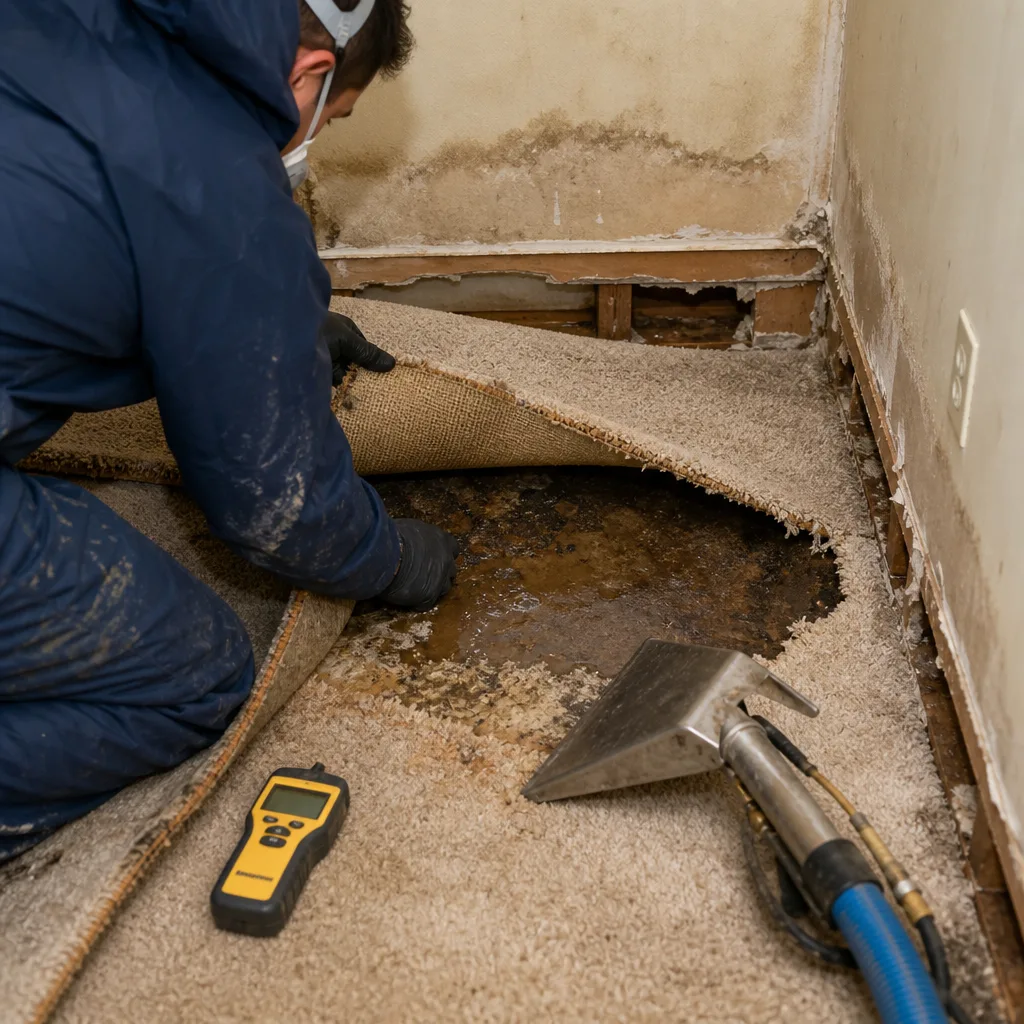
Old Towne Historic District, roughly bounded by Chapman Avenue, Glassell Street, Almond Avenue, and Olive Street, contains over 1,300 contributing structures. A water loss here triggers the Historic Preservation Ordinance, requiring period-appropriate materials and methods. We source matching lath-and-plaster, hand-milled trim, and documented paint colors. The review adds time but protects property values; a botched modern rebuild can devalue a contributing structure by 15-20%.
The flatlands west of Tustin Avenue and north of Chapman Avenue hold the 1950s-1970s concrete-slab tracts: El Camino Real, Parkside, and the neighborhoods around El Modena High School. These homes have no basements, no crawl spaces, and no drainage path for slab leaks. Water wicks through slab expansion joints and into drywall bottoms. We frequently find vinyl asbestos tile under wet carpet, requiring abatement hold before extraction can proceed.
Eastern Orange near Santiago Hills and the foothills below Modjeska Peak contains 1980s-1990s hillside construction with elevated wood-frame designs, redwood siding, and panoramic views. The tradeoff is exposure to Santa Ana wind-driven embers and rapid surface drying. We’ve documented moisture content readings of 22% in oriented strand board sheathing while exterior siding read 8%, a differential that explains why mold appears weeks after a “dry” home.
The Orange Park Acres equestrian neighborhood on the city’s northern edge mixes custom ranch homes on acreage with agricultural outbuildings. Water losses here often involve well pumps, irrigation backflow, and outbuilding supply lines with no shutoff valve at the structure. Response routes follow Santiago Canyon Road and Chapman Avenue; our crews know which rural properties require gate codes and which have limited turnaround space for our extraction rigs.
Specialized Water Damage Restoration Services We Offer in Orange
Emergency Water Extraction
Standing water is removed within hours of your call using truck-mounted extraction systems rated to 15 gallons per minute. In Orange’s slab homes, we follow with weighted compression wands to pull water from carpet pad and subfloor. Every gallon extracted now is a gallon that doesn’t require evaporation later, shortening drying time and reducing total cost.
Structural Drying & Dehumidification
We deploy Phoenix 200 HT LGR dehumidifiers and XPOWER axial air movers calculated to the cubic footage of each affected space. Injectidry cavity drying systems reach inside walls without demolition. Daily psychrometric logs track grain depression and specific humidity, producing the documentation your insurer expects and your warranty requires.
Flood Cleanup
Orange’s flatland neighborhoods see localized flooding when storm drains overwhelmed by winter Pacific systems back up into streets and garages. Category 3 floodwater carries petroleum residue, pesticides, and biological contaminants. We handle full PPE protocols, EPA-registered antimicrobial application, and documented disposal to licensed waste facilities.
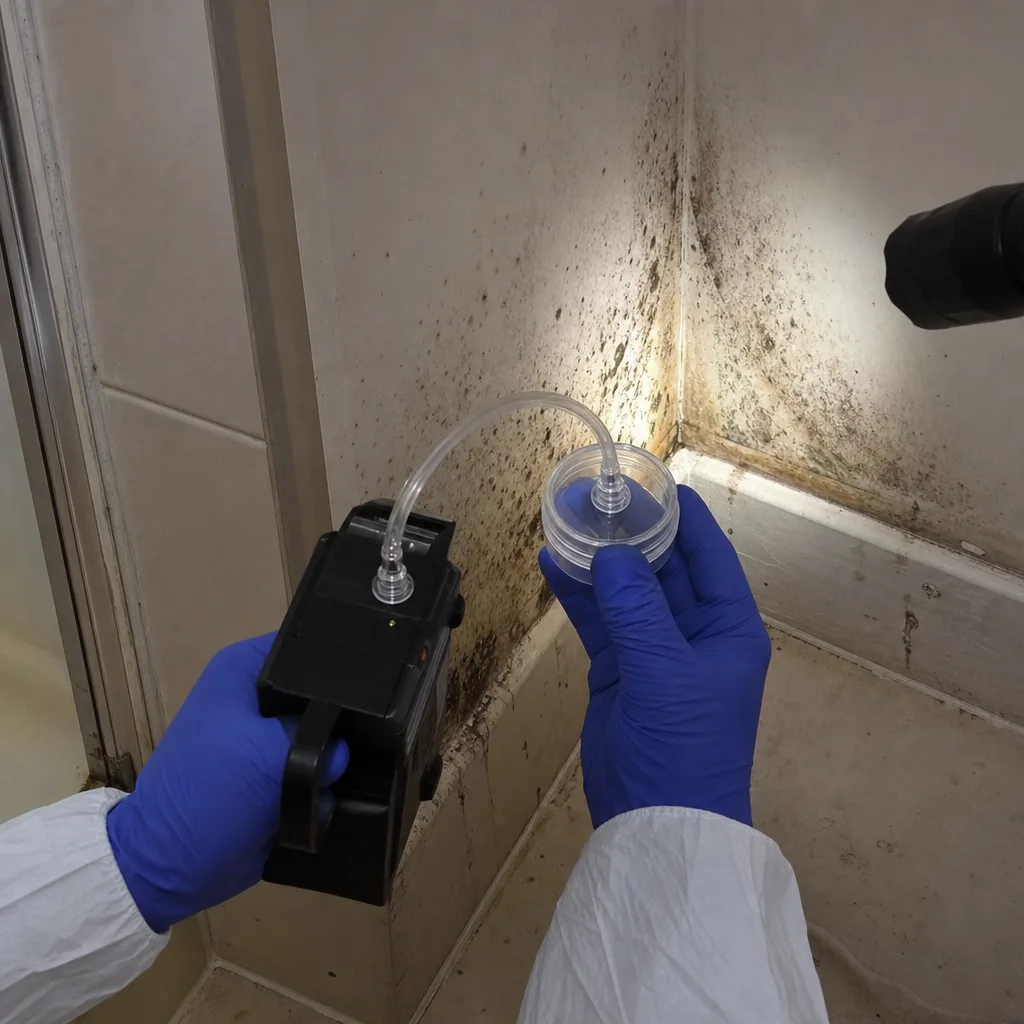
Burst Pipe Restoration
Galvanized supply lines in Old Towne fail without warning, often at threaded joints where corrosion is thickest. Copper slab leaks in mid-century homes require electronic leak detection and precise concrete cutting. We coordinate licensed plumbers for permanent repair while our crew manages extraction and drying, keeping one point of contact for you and one documentation stream for your insurer.
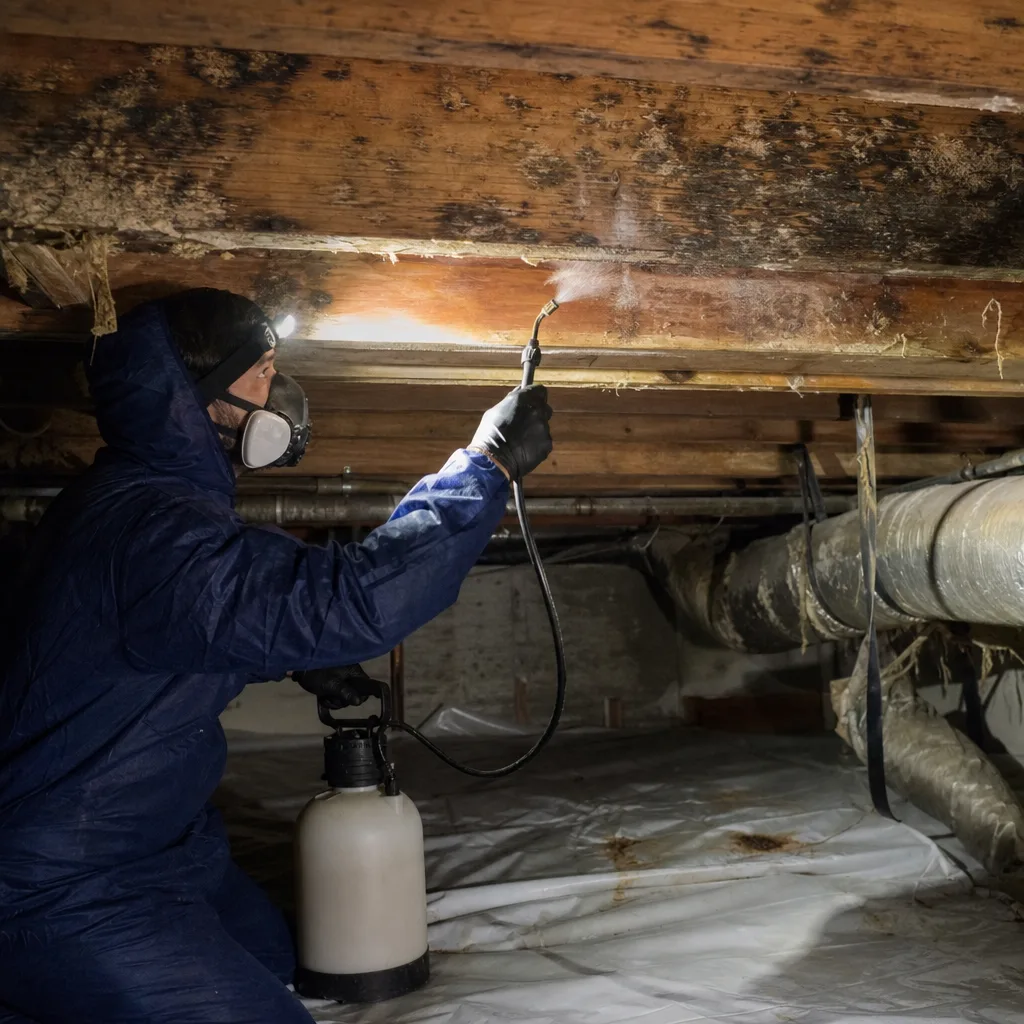
Basement Water Removal
True basements are rare in Orange, but partial daylight basements exist in hillside homes near Santiago Hills. These face hydrostatic pressure from upslope drainage and sump pump failures during heavy rain. We install temporary submersible pumps, extract standing water, and dry foundation walls to prevent efflorescence and structural deterioration.
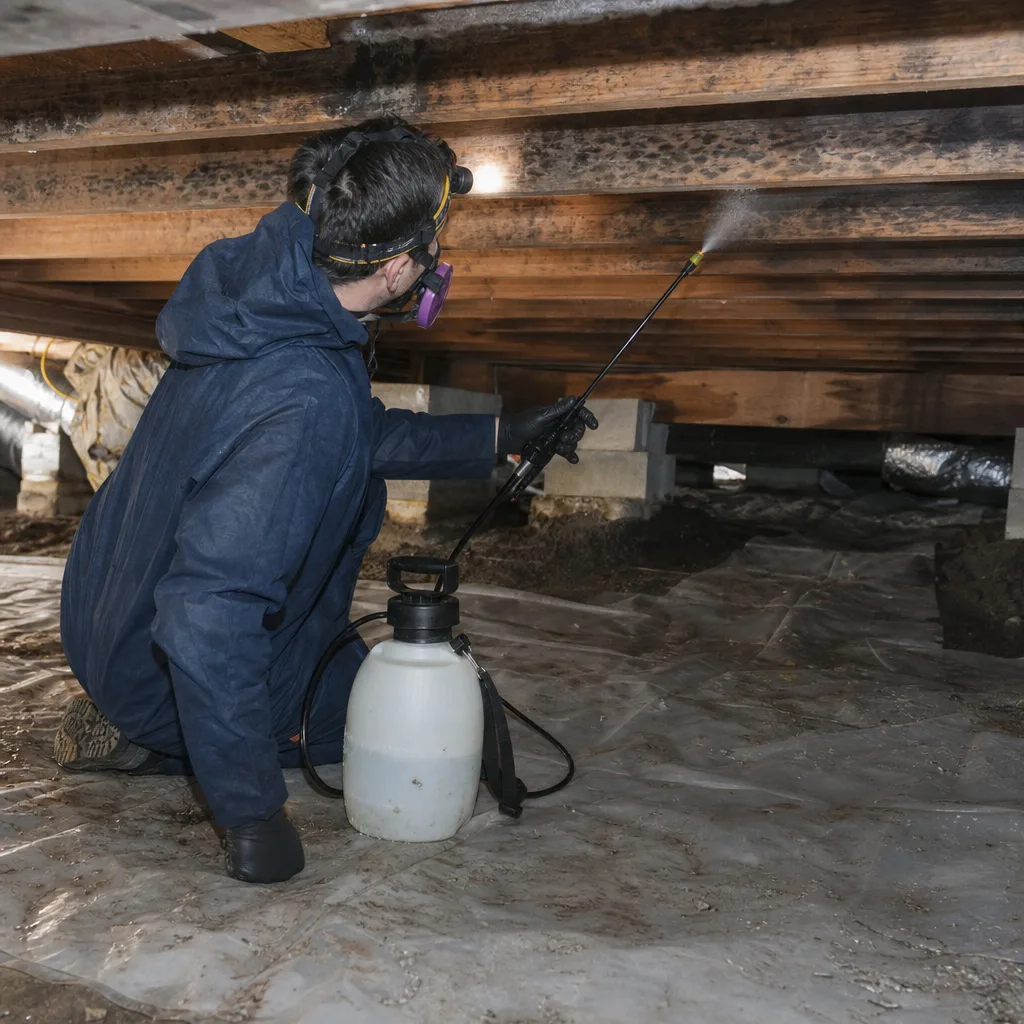
Ceiling & Roof Leak Water Damage
Original wood shake and early composite roofs in Orange’s 1960s-1970s tracts reach end of service life around 40-50 years. Deferred maintenance shows first as ceiling stains, then as saturated insulation, then as drywall collapse. We trace the leak path, document roof condition for your insurer, and dry or replace affected ceiling assemblies.
What happens when you call
- 1
A real person answersNo phone trees - you reach a local pro.
- 2
You get an upfront price rangeHonest numbers before anyone is dispatched.
- 3
A background-checked tech heads outLicensed & insured, dispatched right away.
- 4
You approve before work beginsNothing starts until you say go.
Water Damage Restoration Costs in Orange, CA
These are actual ranges for Orange’s market, based on 12,000+ jobs completed since 2011. Every job receives a written price before work begins, with no exceptions.
| Service | Typical Range in Orange | What Affects Price |
|---|---|---|
| Emergency water extraction (single room) | $1,200-$2,400 | Category of water, square footage, furniture moving |
| Structural drying (3-5 day standard) | $1,800-$3,800 | Dehumidifier count, air mover count, cavity drying needs |
| Category 3 flood cleanup with disposal | $4,500-$8,500 | Contamination level, PPE requirements, waste disposal volume |
| Old Towne historic rebuild (permitting included) | $6,500-$14,000 | Preservation review, material matching, specialized subcontractor costs |
| Asbestos/lead testing and abatement hold | $800-$2,200 | Sample count, lab turnaround, abatement scope if positive |
Insurance typically covers sudden and accidental water damage from supply lines, appliance failures, and storm intrusion. It does not cover long-term leaks, maintenance-related failures, or flooding from external rising water without separate flood coverage. We review your policy, document the cause of loss, and coordinate directly with your adjuster to maximize covered scope.
We Also Serve Cities Near Orange
Our crews respond daily to water damage calls in Santa Ana, where older commercial-to-residential conversions present unique plumbing challenges; Villa Park, with its estate properties on acreage and private well systems; Tustin, where the Tustin Legacy redevelopment mixes new construction with aging infrastructure; and Irvine, with its master-planned communities and HOA-managed common-area drainage. Dispatch and scheduling are coordinated from our Los Angeles office; crews serve Orange locally with 45-minute average response.
Serving Orange, CA - Our Local Coverage Area
We’re based in the Orange area and know this community well. Use the map below to see our service coverage - if you’re nearby, we can almost certainly help.
Orange Water Damage Restoration Questions, Answered
What’s different about water damage restoration in Orange’s Old Towne compared to other Orange County cities?
Orange’s Old Towne Historic District requires City preservation review before final rebuild of any contributing structure, a regulatory step that doesn’t exist at this scale in Anaheim, Santa Ana, or Fullerton. Standard 5/8″ drywall and orange-peel texture will fail inspection; the city expects documentation that replacement materials match the original lath-and-plaster profile. This routinely adds a week of review time and requires specialized plaster subcontractors, turning a two-day rebuild elsewhere into a two-week project with city sign-off. We handle the preservation submission as part of our standard scope. Call (657) 212-2570 for a free inspection and written price.
How quickly can mold start after a water leak in an Orange home?
Mold colonization begins in 24-48 hours when moisture content exceeds 16% in organic materials. In Orange, the Santa Ana winds can desiccate surfaces within hours while leaving wall cavities wet, creating a false sense of dryness that pushes colonization past the 48-hour mark undetected. We log moisture readings daily and don’t declare a structure dry until all materials read below 12% moisture content, verified with penetrating meters. Call (657) 212-2570 for emergency extraction and documented drying.
Do you handle asbestos and lead testing before drying water-damaged mid-century homes in Orange?
Yes. Orange’s 1950s-1970s tract homes frequently contain asbestos-era insulation, vinyl asbestos floor tiles, and lead-based paint. California law requires testing before disturbance of these materials; proceeding without testing exposes the homeowner and contractor to Cal/OSHA penalties and liability. We test first, hold work if positive, and coordinate licensed abatement before resuming extraction or demolition. The testing cost is itemized in your written scope. Call (657) 212-2570 for a free inspection.
What is the difference between Category 1, 2, and 3 water, and why does it matter for my Orange property?
Category 1 is clean water from a supply line or sink overflow. Category 2 carries microorganisms or chemicals from appliances or sump pumps. Category 3 contains sewage, ground water, or seawater. The category determines PPE requirements, antimicrobial protocols, disposal methods, and whether materials can be salvaged. In Orange’s warm climate, Category 1 degrades to Category 2 in 24-48 hours, and Category 2 becomes Category 3 in 48-72 hours. Faster response preserves category status and reduces cost. Call (657) 212-2570 for immediate response.
Can you restore water damage in a historic Orange bungalow without triggering a full preservation review?
Mitigation and drying typically do not trigger preservation review; only reconstruction and material replacement do. We can dry original plaster in place using Injectidry cavity systems and low-grain refrigerant dehumidifiers, preserving materials that would otherwise require replacement. If plaster delamination or framing damage requires rebuild, we prepare the preservation submission with matching materials documentation, minimizing review delays. The key is documenting pre-loss condition and sourcing appropriate materials from the start. Call (657) 212-2570 for a scope that addresses both drying and preservation requirements.
How fast can your crew actually get to my Orange property?
We commit to 45 minutes from dispatch to arrival for addresses within Orange city limits. Our Los Angeles office coordinates GPS-tracked dispatch, and you’ll receive a text with crew ETA when the truck rolls. Live phone coverage is available 24 hours a day, 7 days a week with no voicemail on emergency lines. Call (657) 212-2570 now.
Will my insurance cover water damage restoration in Orange?
Homeowners insurance covers sudden and accidental water damage from burst pipes, appliance failures, and storm intrusion through the building envelope. It does not cover flooding from external rising water, long-term leaks, or maintenance-related failures. We review your policy, photograph and document the cause of loss, format estimates to Xactimate standards, and coordinate directly with your adjuster. Our documentation-first approach has resolved claims that were initially denied for insufficient evidence. Call (657) 212-2570 for a free inspection and policy review.
What should I do in the first 30 minutes after discovering water damage?
Shut off the water source if you can locate it safely. Turn off electricity to affected areas at the breaker if water is near outlets or switches. Remove small valuables and electronics. Do not enter standing water if the source is unknown or if electrical hazards exist. Then call (657) 212-2570. We’ll guide you through immediate steps while crews are en route, and we’ll document everything from our first moment on site.
Water damage in Orange carries complications that generic contractors miss: preservation review in Old Towne, asbestos and lead in mid-century homes, Santa Ana wind-driven false drying. We’ve handled all three since 2011, with written prices before work starts and documented records when we leave. Call (657) 212-2570 for a free inspection and written scope.
Written by Alicia Brennan, Owner at Back to Dry Restoration, serving Orange since 2011 under The Haven Standard.
Water Damage Restoration in Nearby Areas