Free visual inspection and a written scope of work before any mitigation begins - photos, moisture readings, and drying logs go in your claim file
The scope we write is the scope we bill. Anything new gets shown to you, in writing, before we touch it.
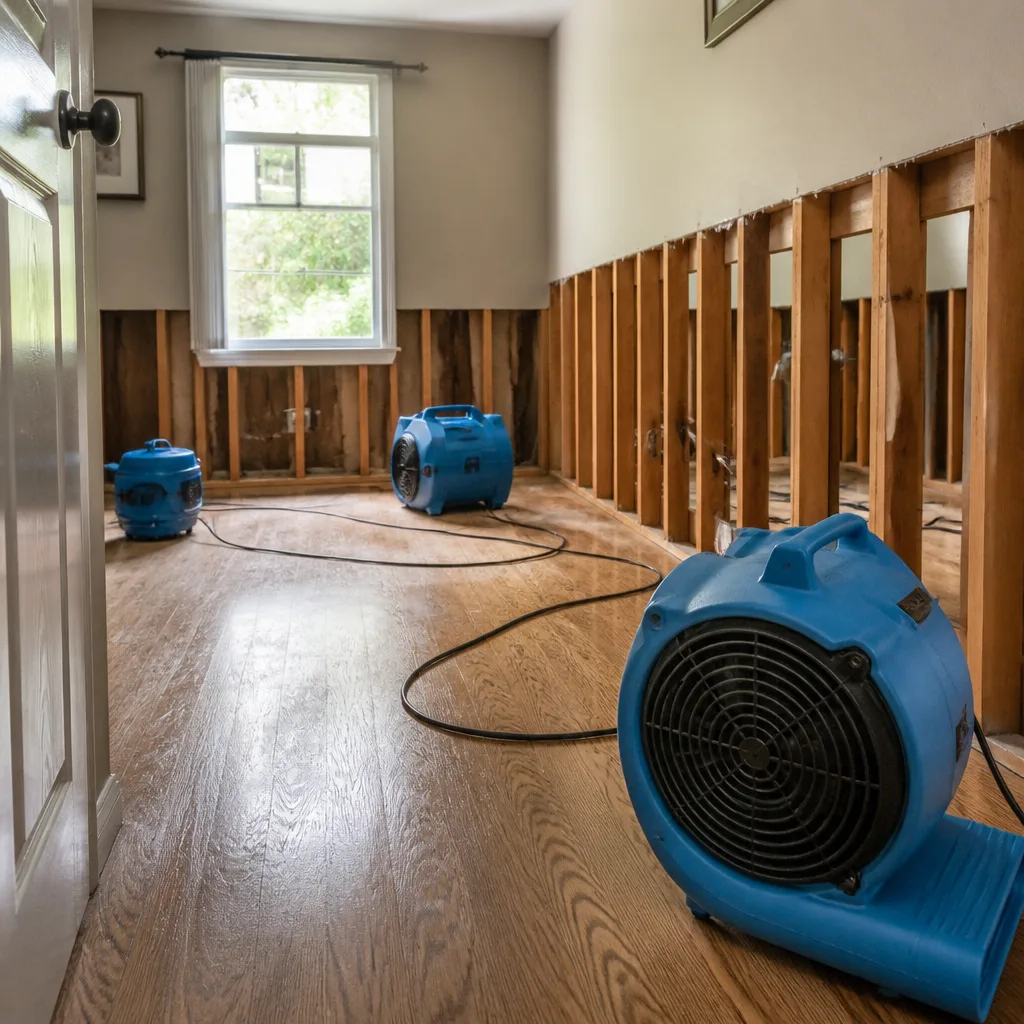
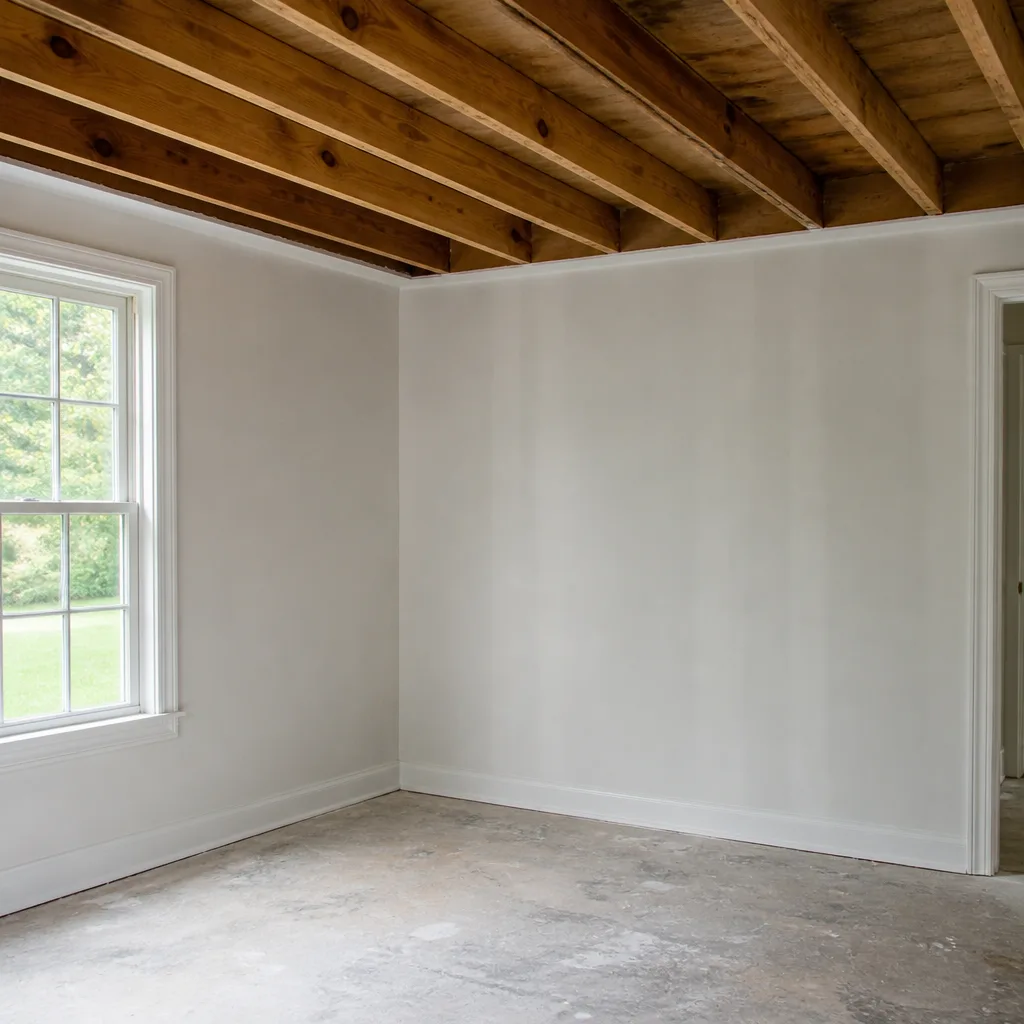
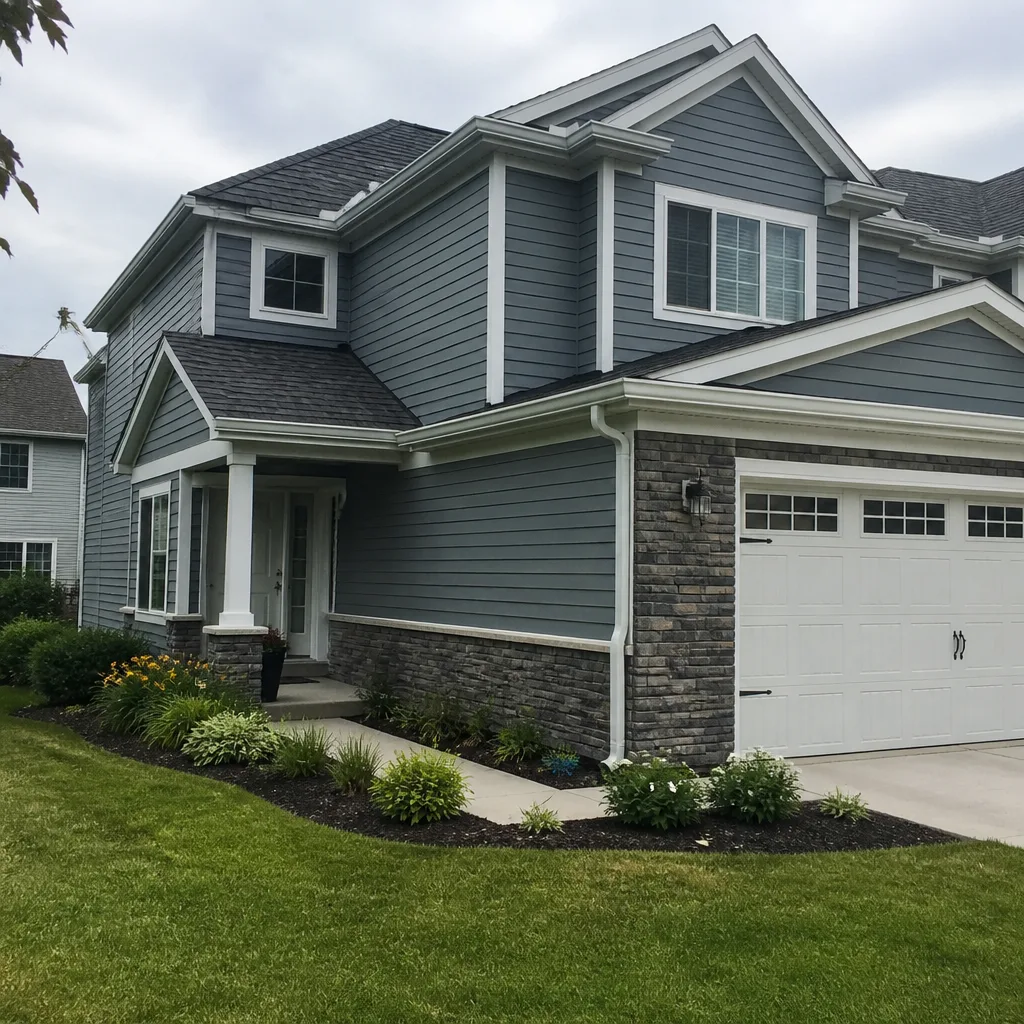
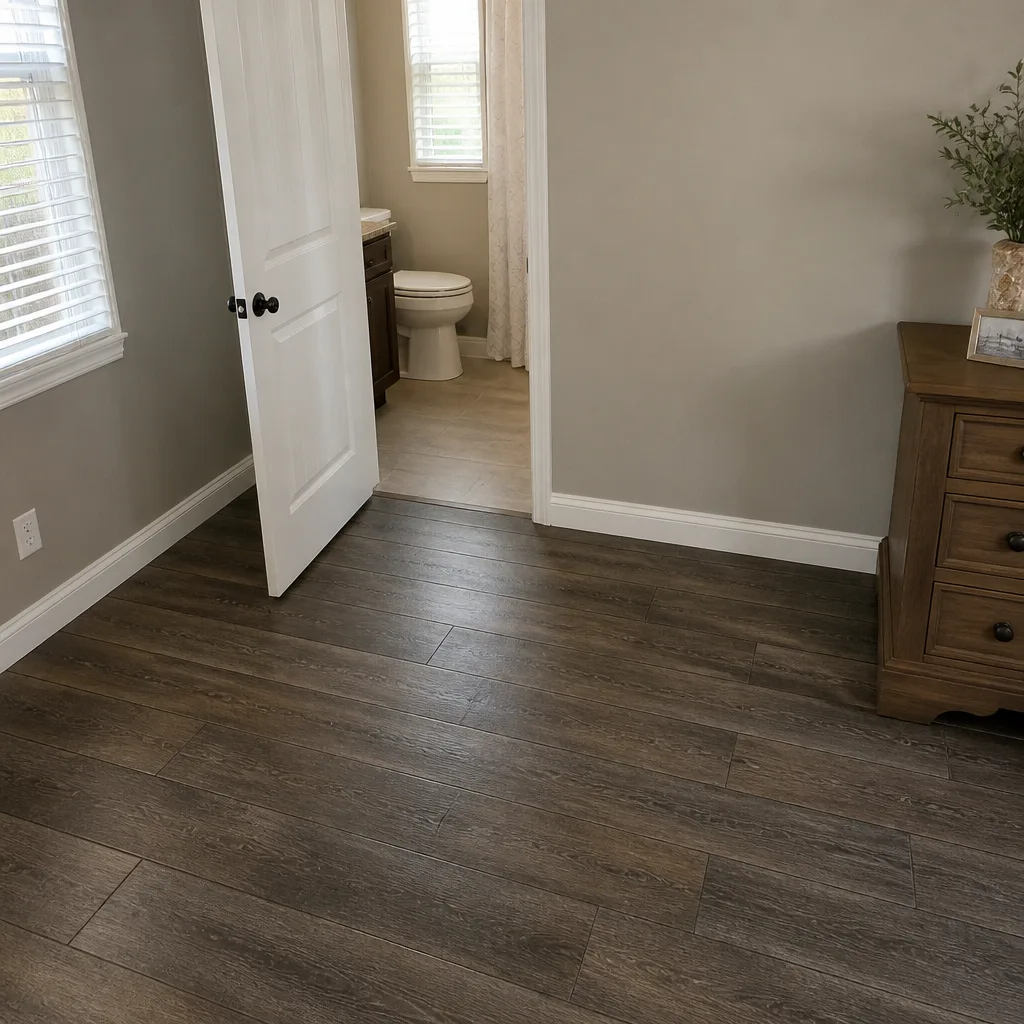

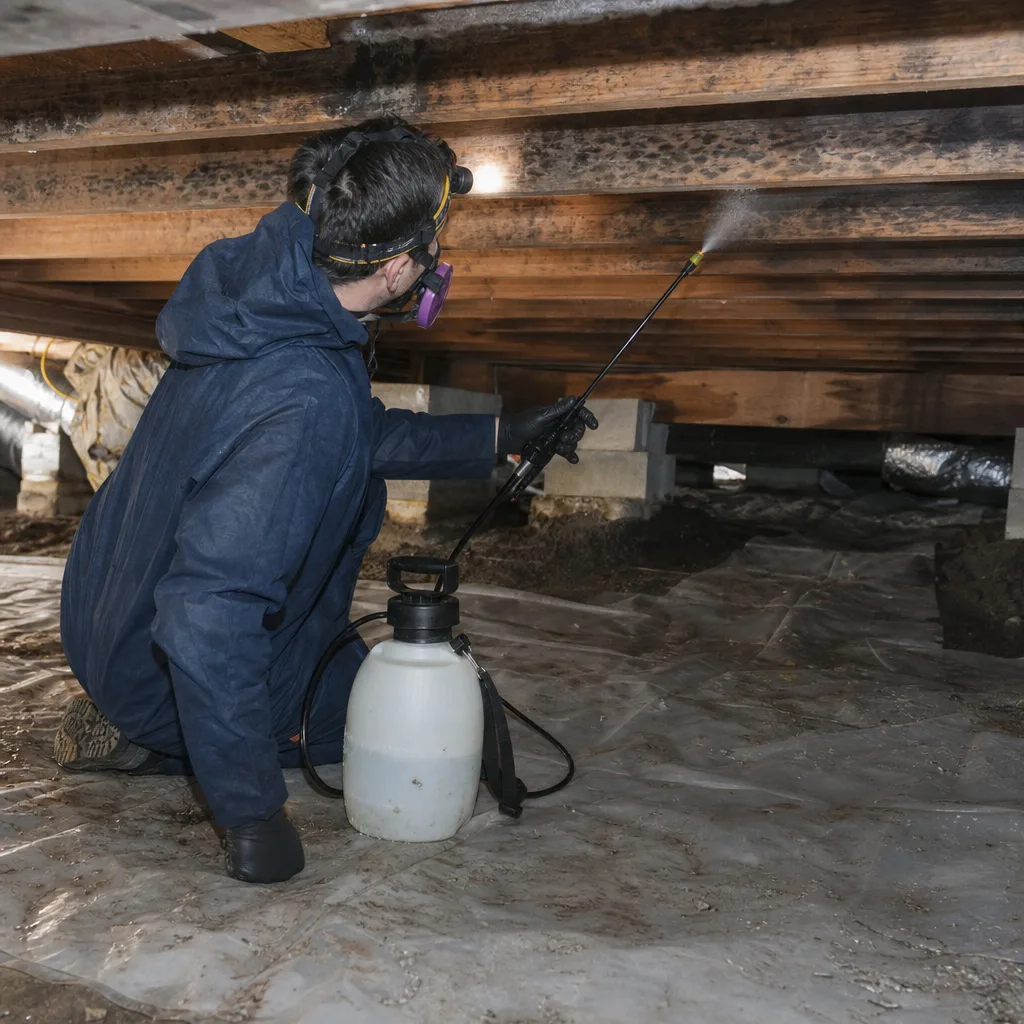
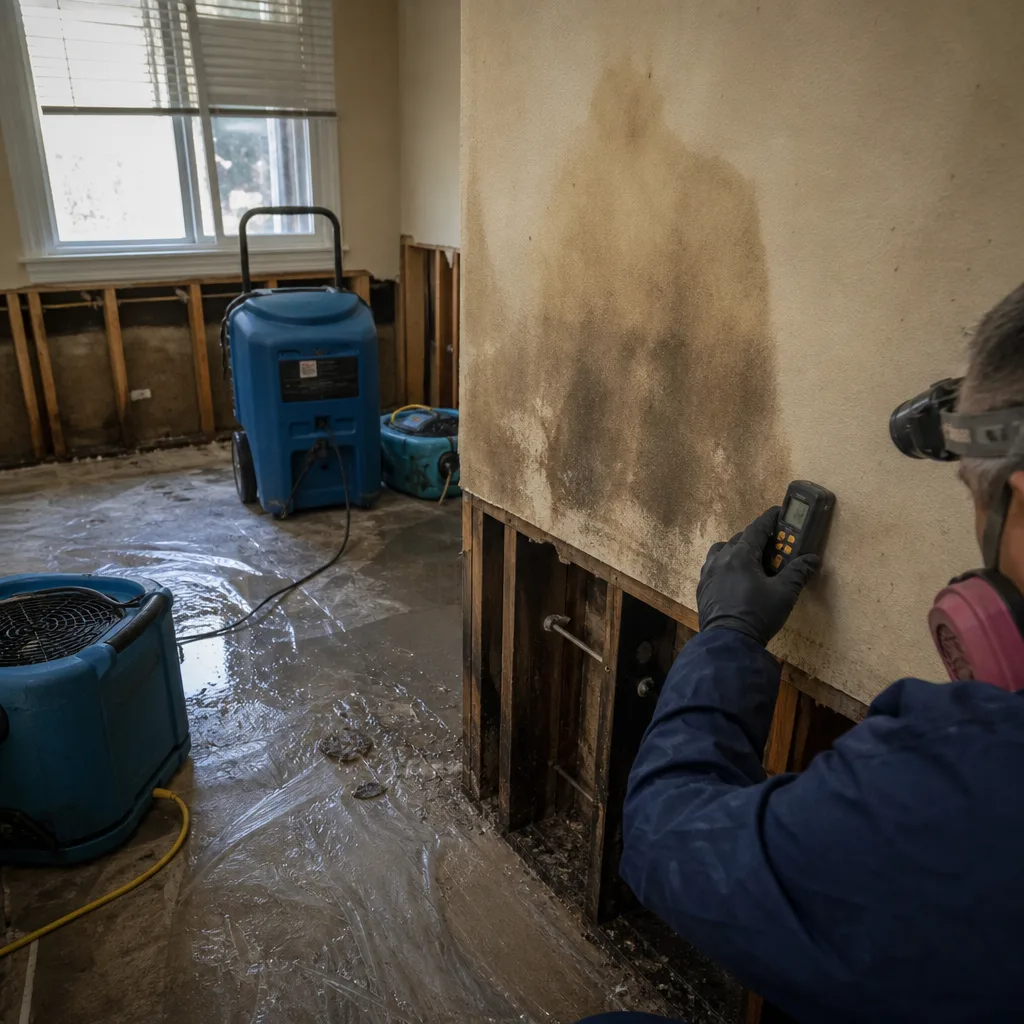 Before
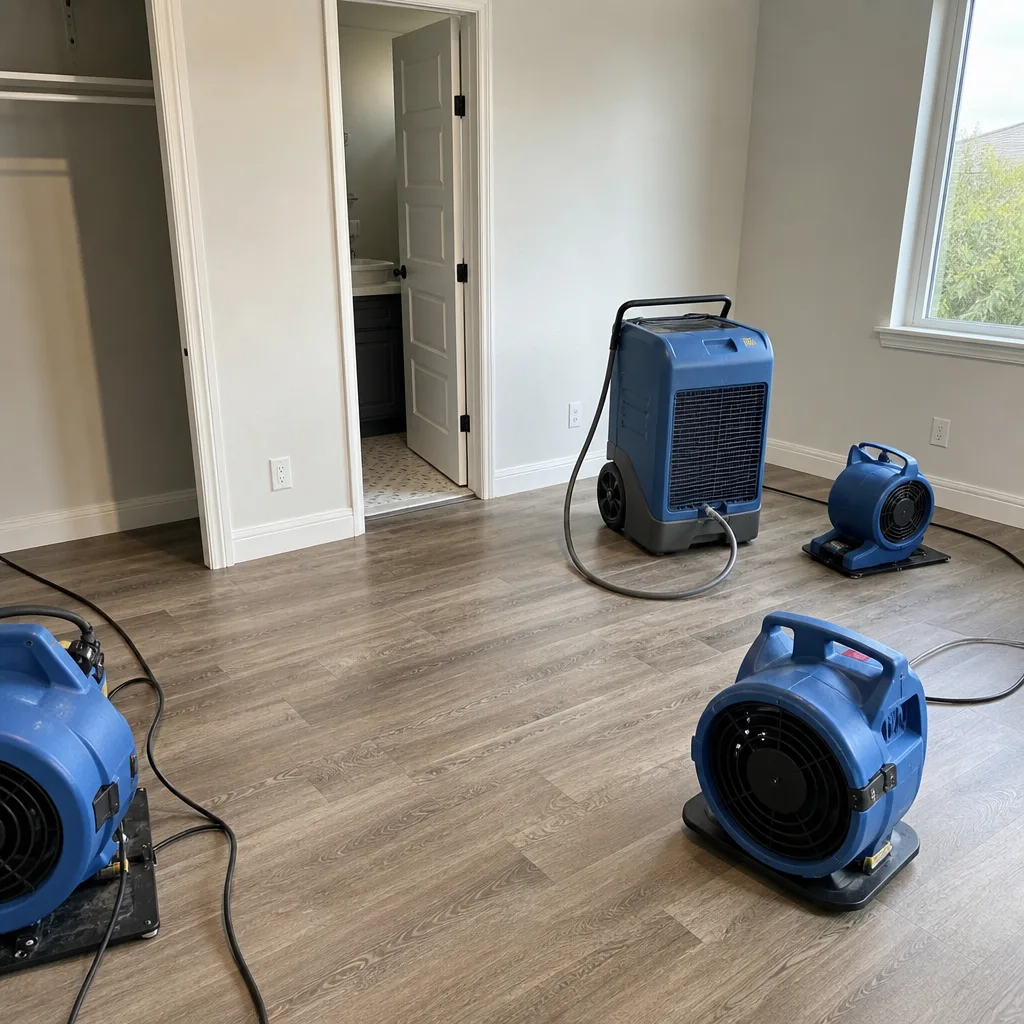 After
After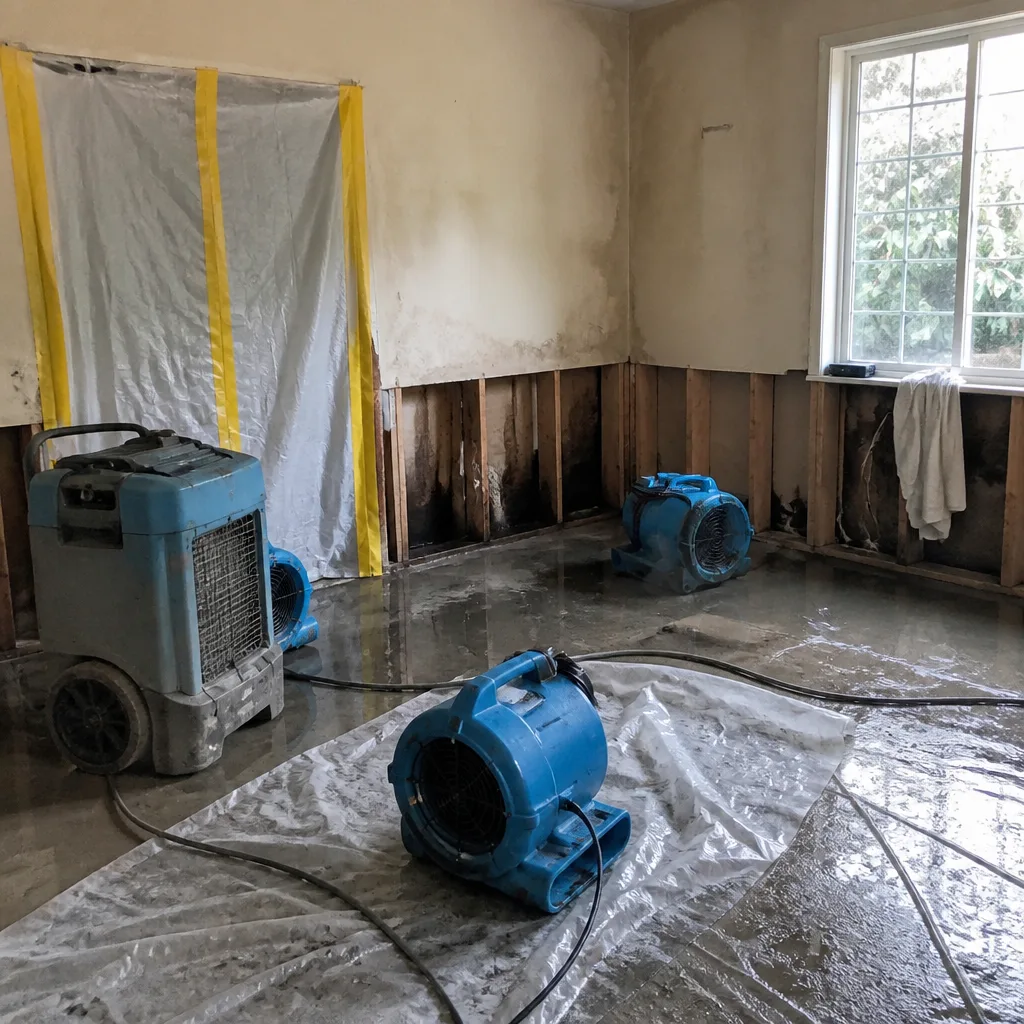 Before
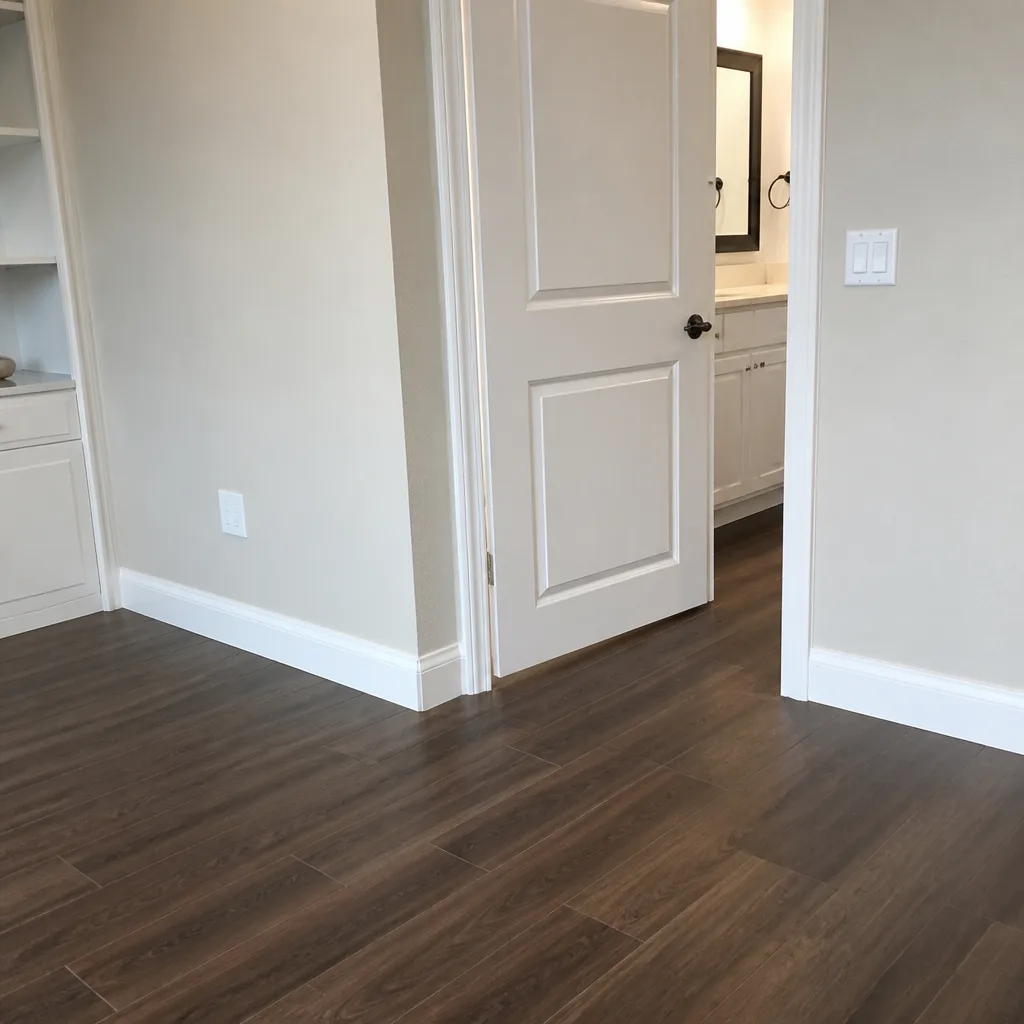 After
After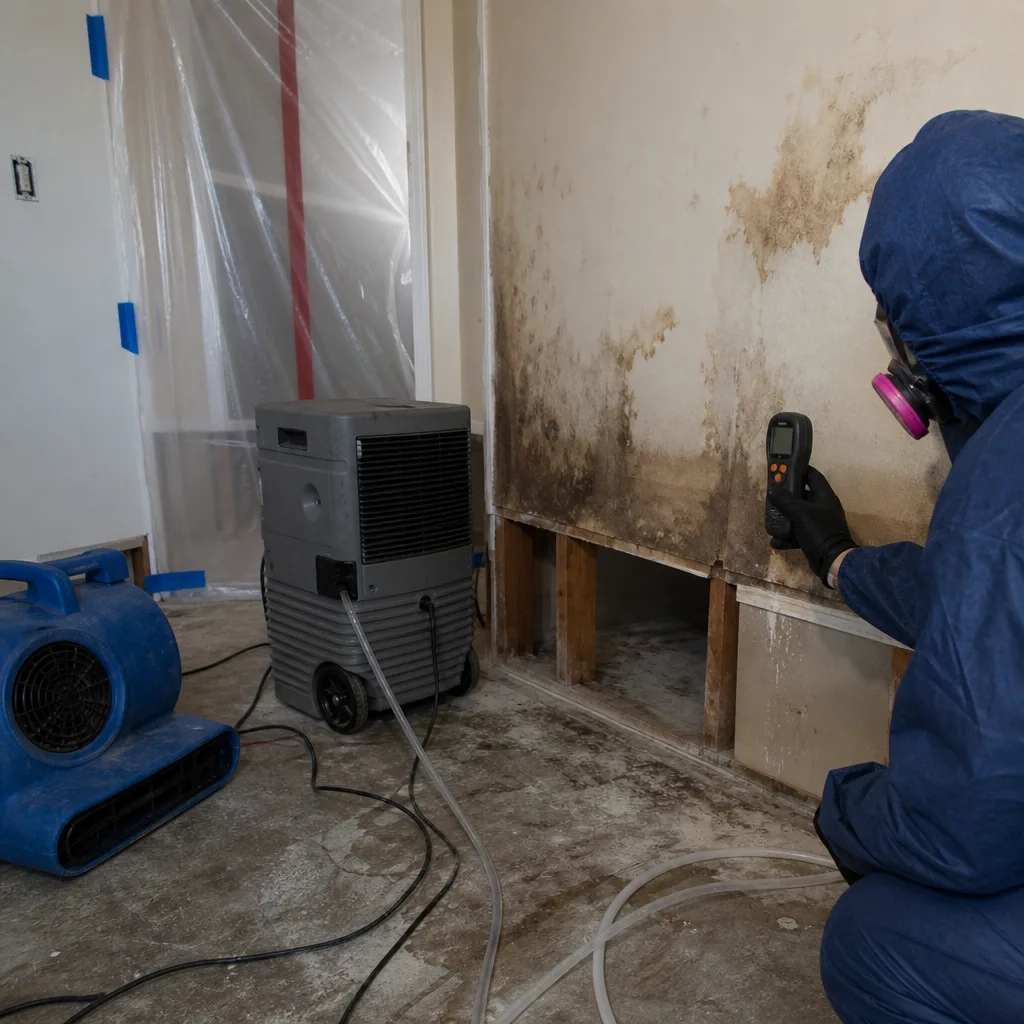 Before
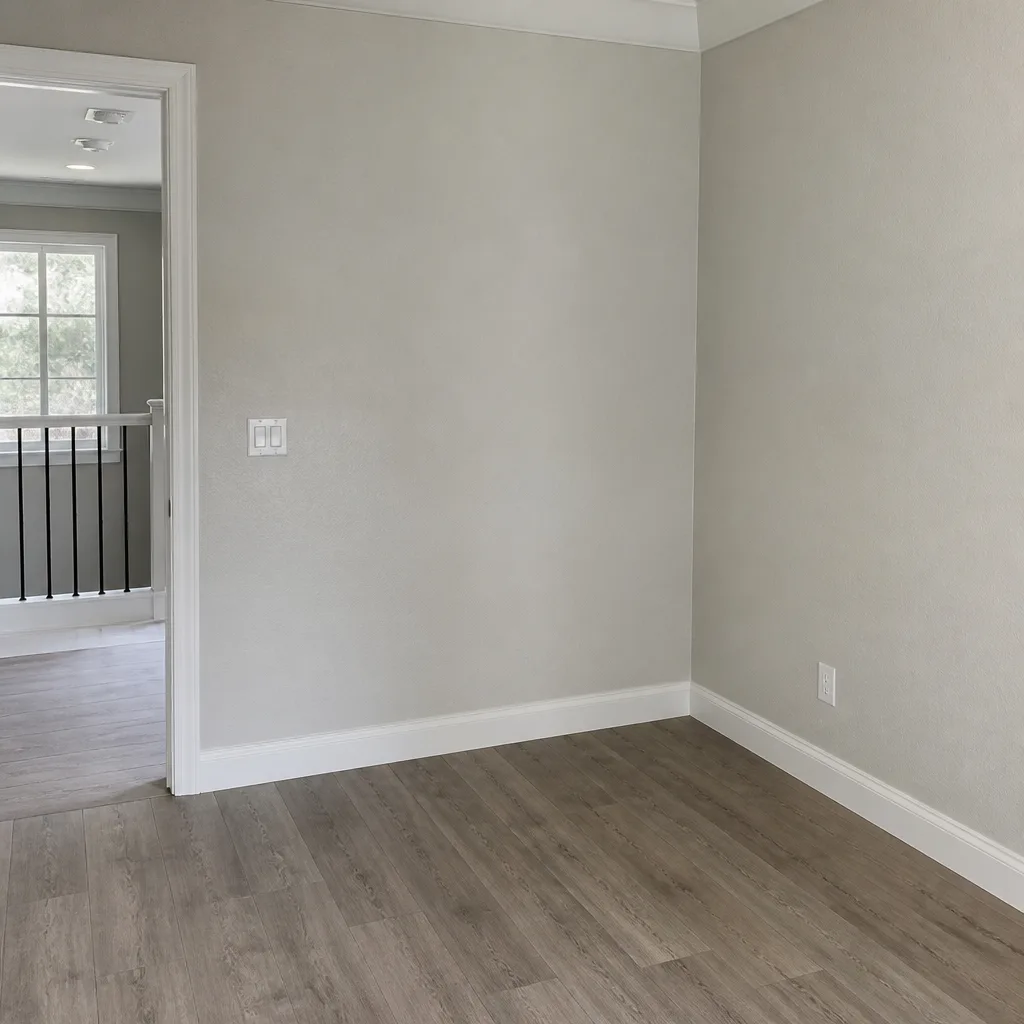 After
After24/7 Emergency Mold Remediation in Newport Beach
Mold remediation in Newport Beach typically costs $2,800-$7,500 for contained residential jobs and $8,000-$18,000+ for whole-structure treatments after Category 3 water events, with most projects completed in 3-7 business days. Call (657) 212-2570 now and you’ll reach a live person, not a voicemail tree, any hour of any day. Our crews dispatch throughout Newport Beach within 45 minutes of your call, and we provide a free visual inspection with moisture readings before any work is discussed.
The first hour matters because mold colonizes drywall and wood framing within 24-48 hours of water contact, but in Newport Beach’s persistent marine layer that window shrinks. Salt-laden coastal air keeps relative humidity elevated even after standing water is gone, so hidden mold behind baseboards and in unventilated crawl spaces continues spreading while the surface looks dry. That’s why our initial inspection includes thermal imaging and pin-probe moisture meters, not just a visual walkthrough.
We coordinate dispatch and scheduling from our Los Angeles office, with Newport Beach crews already positioned for rapid response to Balboa Island, the Balboa Peninsula, Corona del Mar, and harbor-front estates throughout the 92660, 92661, 92662, and 92663 zip codes.
Understanding Mold Remediation Severity in Newport Beach Properties
Mold severity is classified by affected square footage, material porosity, and the water category that initiated growth. In Newport Beach, we see a distinct pattern: Category 1 clean-water losses from plumbing failures are relatively rare compared to inland Orange County cities. Instead, our Mold Remediation team handles Category 2 gray-water and Category 3 black-water losses driven by tide-influenced storm drain backflow, saltwater intrusion through compromised seals, and the chronic dampness that persists in unventilated crawl spaces of 1940s-1960s construction.
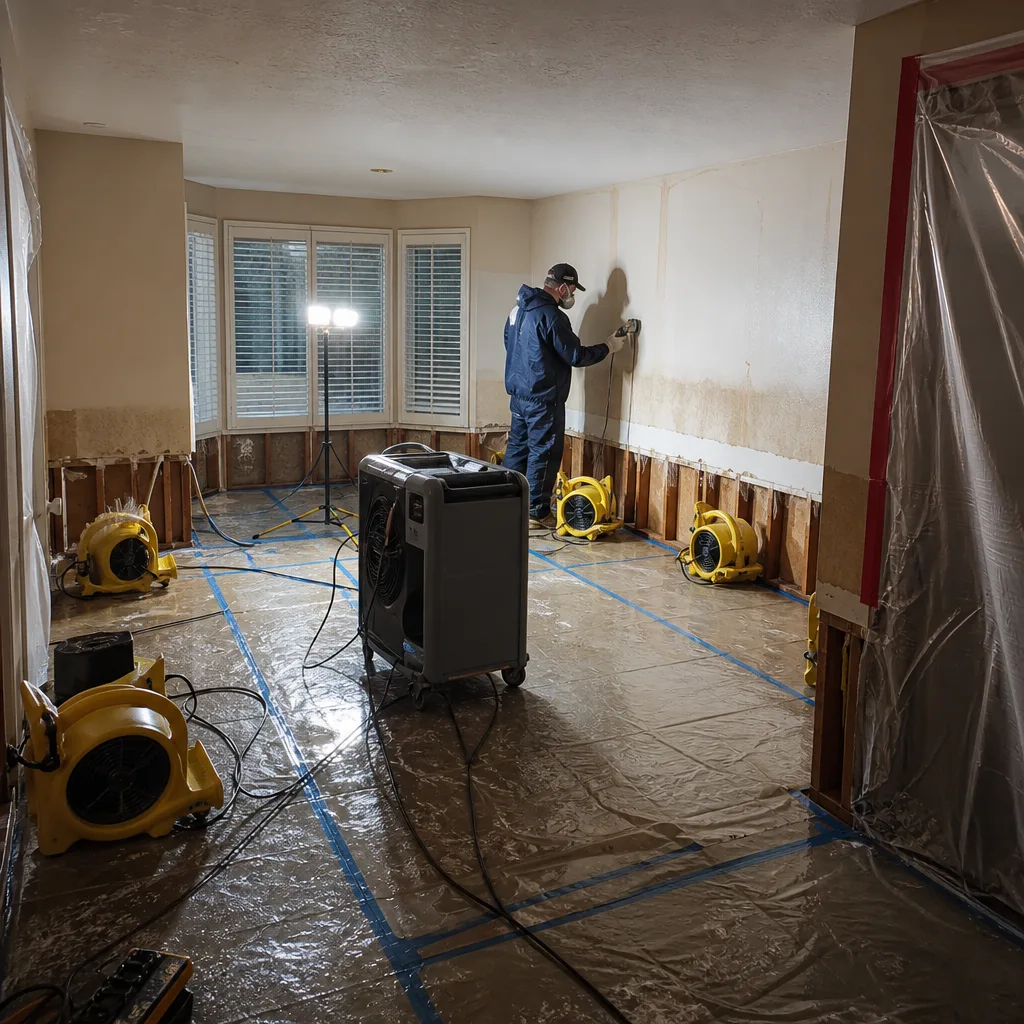
Containment strategy follows IICRC S520 standards: limited containment for areas under 10 square feet using 6-mil polyethylene sheeting and negative air pressure, full containment with decontamination chambers for larger or Category 3-originated jobs. Air scrubbers with HEPA filtration run continuously during remediation, and we establish vapor pressure differential, the measurable force that drives moisture from wet materials into drier air, to accelerate drying without demolition where structurally sound.
The aging wood-frame bungalows on the Balboa Peninsula present unique challenges: original board sheathing lacks the vapor barrier standard in post-1970 construction, so moisture wicks laterally through walls far beyond the visible damage zone. Harbor-front estates with imported stone and custom millwork require specialty restoration rather than standard replacement, meaning our scope of work must distinguish between cleanable salvage and non-restorable materials before any demolition begins.
Why Newport Beach Property Owners Choose DryMark Restoration Irvine
- 45-minute response commitment to any Newport Beach address, including Balboa Island access via the ferry or Marine Avenue bridge during tide-restricted hours.
- 24/7 live answer by a real person, never an automated system - emergency lines have no voicemail trees and no next-business-day callbacks while water is still moving.
- IICRC-certified crews holding WRT (Water Damage Restoration Technician), AMRT (Applied Microbial Remediation Technician), and FSRT (Fire & Smoke Restoration Technician) credentials, with license numbers documented on every job file.
- Free visual inspection including thermal imaging scan and pin-probe moisture readings, with a written scope delivered before any work begins - Haven Standard, Clause 1.
- Direct insurance billing with photo-documented estimates in Xactimate format, and direct adjuster coordination from first notice of loss through final payment.
- One team from microbial remediation through reconstruction, eliminating handoff gaps that leave moisture pockets or undocumented change orders between trades.
 Before
 After
AfterOur Mold Remediation Process
1. Inspection & Assessment
We arrive with thermal imaging cameras, pin-probe moisture meters, and hygrometers to map affected areas beyond visible mold. In Newport Beach, we specifically test water category on Balboa Island properties, where tide-influenced storm drain backflow can convert what appears to be a clean-water loss into Category 3 sewage contamination requiring entirely different containment protocols.
2. Containment & Stabilization
We establish physical containment with 6-mil poly sheeting and negative air pressure using HEPA-filtered air scrubbers. For Category 3-originated jobs, we build decontamination chambers with separate clean and dirty zones. Psychrometric data, the temperature and relative humidity readings that determine drying strategy, is logged every four hours from day one.
3. Structural Drying & Dehumidification
We deploy Dri-Eaz and Phoenix LGR dehumidifiers, XPOWER and B-Air air movers, and Injectidry systems for wall-cavity and subfloor drying. In Newport Beach’s humid coastal conditions, standard refrigerant dehumidifiers often need supplemental desiccant units to achieve target equilibrium moisture content in dense, salt-saturated materials.
4. Cleaning & Antimicrobial Treatment
HEPA vacuuming precedes antimicrobial application on all affected surfaces. For Category 3 losses, we remove porous materials per IICRC S500 standards. Non-porous and semi-porous materials receive cleaning with EPA-registered antimicrobials, with clearance sampling required before containment removal.
5. Crawl Space & Hidden Moisture Treatment
Peninsula cottages with no subfloor ventilation receive targeted treatment: subfloor inspection, vapor barrier installation where absent, and dedicated drying with Injectidry hose mats. We document moisture readings at multiple subfloor points to prove drying completion, not just surface dryness.
6. Repairs, Reconstruction & Documentation
Our reconstruction team replaces removed materials with matching specifications, documented in a written scope with line-item pricing agreed before work begins - Haven Standard, Clause 1. Every visit generates a photo record, and the final deliverable includes drying logs, moisture readings, and the 365-Day Done Right Promise under The Haven Standard.
Need Emergency Mold Remediation in Newport Beach Now?
Crews minutes away, answering live 24 hours a day. The sooner we start, the less it costs.
Working With Your Insurance Company
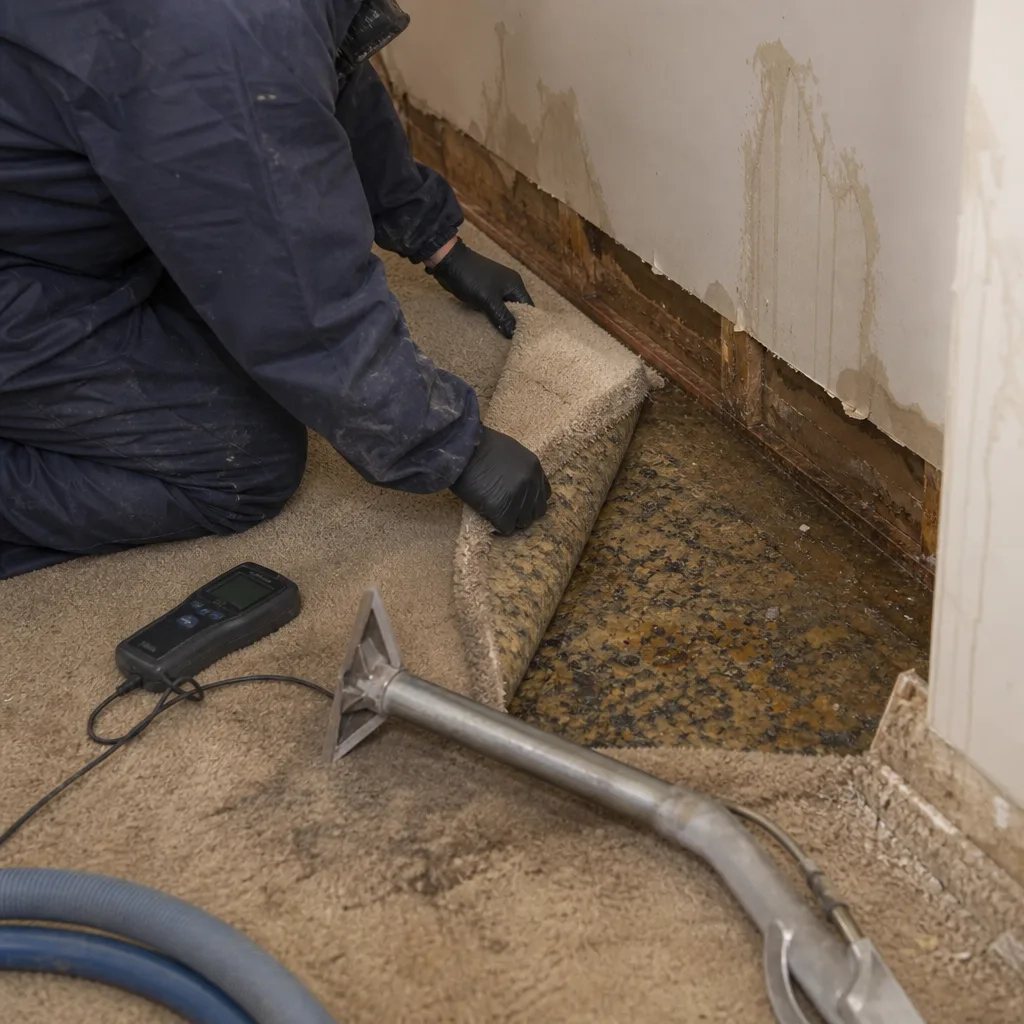
Documentation from the first hour determines whether your claim is paid without dispute. We begin photo documentation on arrival, before any equipment is placed or materials disturbed. Our estimates are written in Xactimate, the industry-standard pricing platform that carriers recognize and that reduces back-and-forth on line items. We coordinate directly with your adjuster, providing the moisture mapping, drying logs, and material classification data that justify every charge.
For Newport Beach’s FEMA-designated repetitive-loss properties, particularly on Balboa Island and the Peninsula, we navigate flood-zone documentation requirements that complicate standard claims. The distinction between National Flood Insurance Program coverage and standard homeowners policy coverage affects how we categorize the loss, what documentation we produce, and which carrier receives the primary estimate. We’ve handled these dual-policy scenarios since 2011 and build the file correctly from day one.
What We Provide Your Insurer
- Thorough documentation of the loss origin, including water category determination with test results
- Photos of all damage, room by room, with date and time stamps on every image
- Moisture readings and daily drying logs showing progressive reduction to dry standard
- A detailed, line-item scope of work with material classifications and restoration vs. replacement rationale
- Direct coordination with your carrier, including adjuster site meetings and supplemental estimate submission
Built for Newport Beach’s Loss Calendar
Newport Beach’s mold calendar runs on tides, not seasons. King tides in December through February push bay water into storm drains and low-lying properties, particularly on Balboa Island where the municipal drain system is tide-influenced. El Niño winters amplify these events with storm surge叠加. Spring brings the marine layer’s thickest months, May through June, when exterior humidity above 80% keeps chronically damp crawl spaces from ever drying naturally.
Summer is relatively quiet for acute water losses but peak season for discovery: homeowners return from travel to find musty odors in closed houses, or renovation projects reveal mold behind bathroom tile where years of shower vapor penetrated unsealed grout. Fall hurricane remnants, rare but not absent, can drive salt spray and wind-driven rain through compromised window seals in harbor-front construction.
The persistent pattern is saltwater intrusion, not freshwater flooding. Salt residue in materials raises conductivity, complicates moisture meter readings, and accelerates corrosion of fasteners and HVAC components that must be assessed during any remediation scope. A mold job that starts at baseboard height often reveals corroded galvanized framing hardware and compromised ductwork that standard inland protocols would miss.
Mold Remediation Across Newport Beach’s Neighborhoods
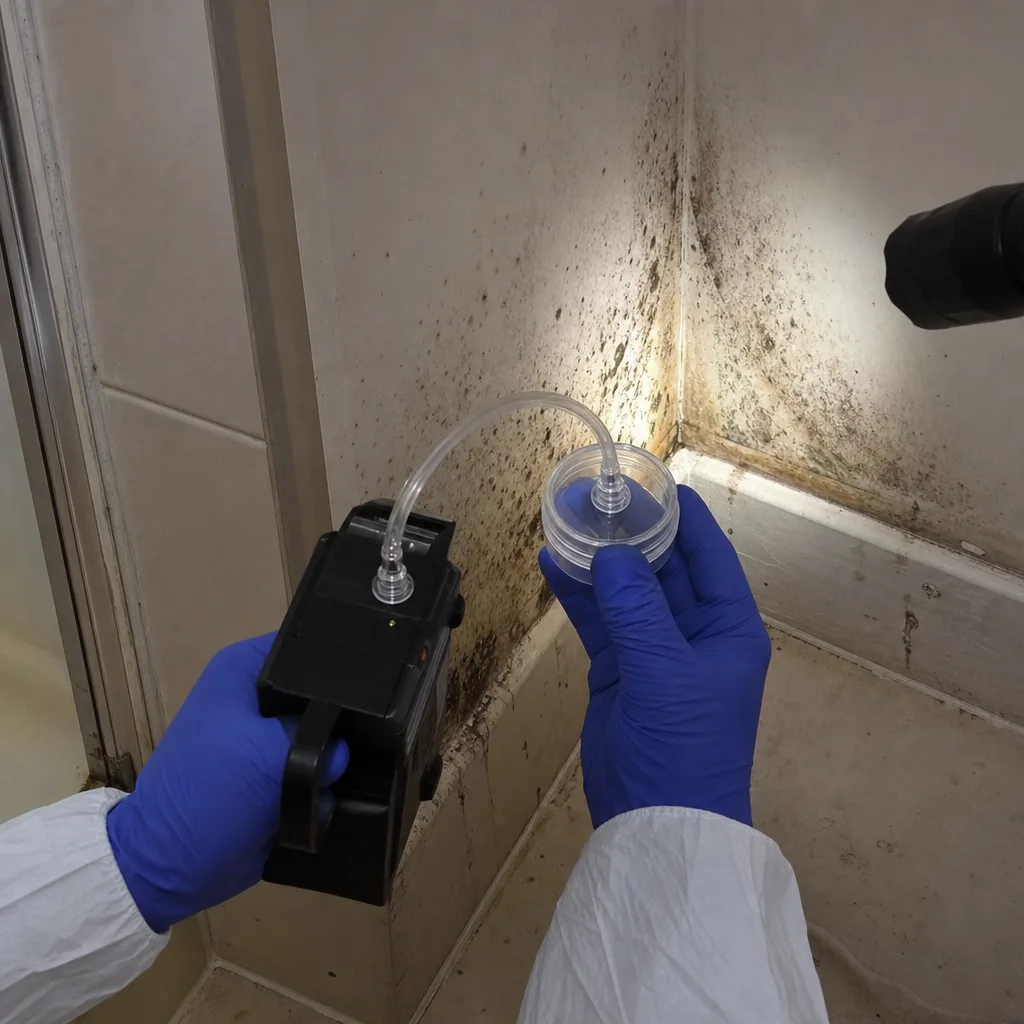
Balboa Island properties, from Marine Avenue to the South Bay Front walk streets, face the tide-backflow risk that defines our initial assessment protocol. The 1950s cottages with original board sheathing and no subfloor ventilation require crawl space treatment on nearly every job, and the municipal storm drain system’s tidal influence means we test water category before assuming any loss is clean. FEMA repetitive-loss documentation is standard here, not exceptional.
The Balboa Peninsula, from the Newport Pier to 36th Street, holds similar vintage construction but with added wind-driven salt spray exposure. Oceanfront units see corroded window frames and compromised weatherstripping that allow chronic moisture intrusion even without flooding events. The Peninsula’s narrow lots mean zero setback from neighbors, so containment planning must account for shared wall cavities in duplex and triplex construction.
Corona del Mar and the Harbor View Hills area present different challenges: larger lot sizes with mature landscaping that traps moisture against foundations, and 1970s-1990s construction with better vapor barriers but aging galvanized supply lines in slab foundations. Mold here often follows slow leaks that went undetected for months, meaning colonization behind kitchen cabinets and in wall cavities is advanced before visible signs appear.
Lido Isle and Lido Peninsula harbor-front estates demand specialty restoration protocols for custom finishes. Imported stone, hand-crafted millwork, and integrated smart-home systems require material-specific cleaning and drying approaches that preserve value standard demolition would destroy. Our scope distinguishes salvageable specialty materials from replaceable standard construction on every job.
Specialized Mold Remediation Services We Offer in Newport Beach
Mold Inspection & Testing
Our inspection protocol includes air sampling, surface sampling, and ERMI dust analysis where health concerns or legal documentation require it. In Newport Beach, we add moisture mapping of subfloor and wall cavity conditions that standard visual inspections miss, particularly in Peninsula cottages built without vapor barriers. The written inspection report includes moisture readings, thermal imaging documentation, and a prioritized scope of work with line-item pricing.
Mold Removal
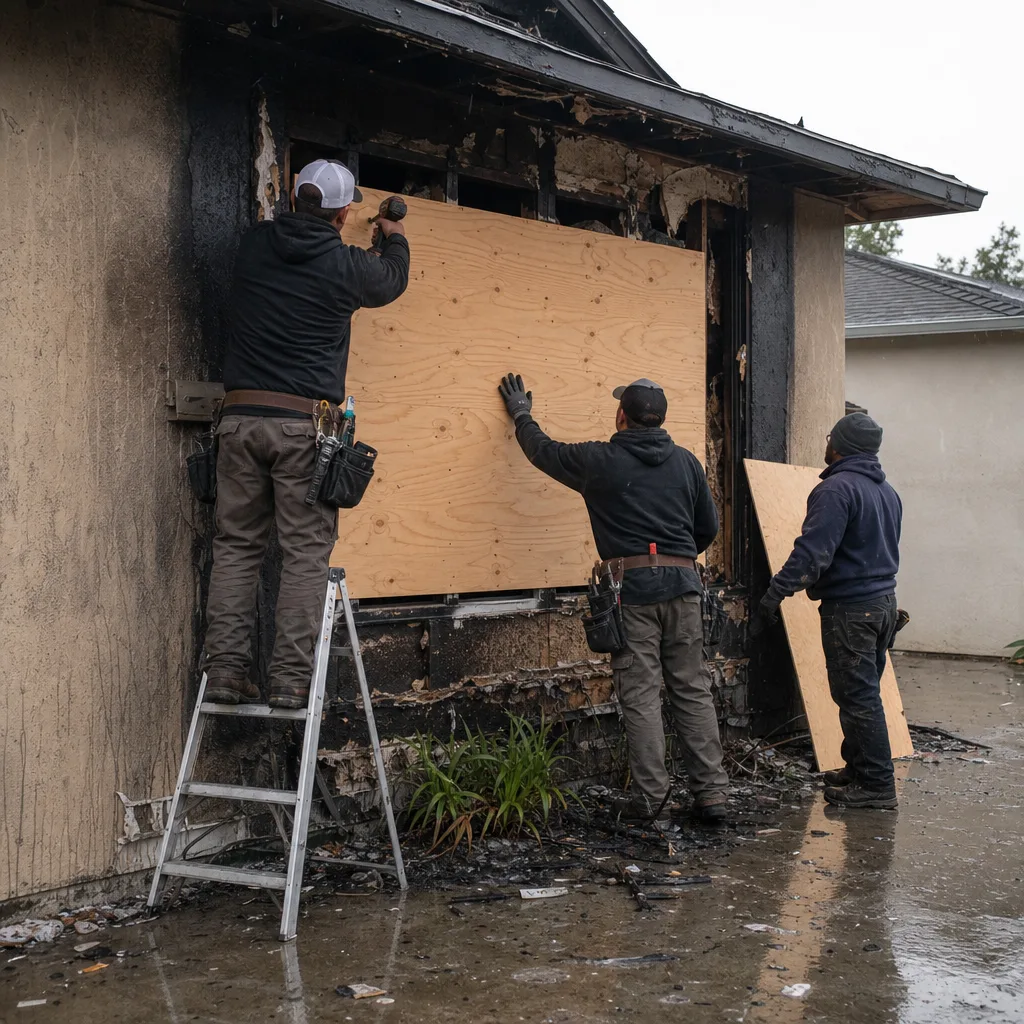
Removal follows IICRC S520 containment and engineering controls, with HEPA air scrubbers running continuously. We classify materials as restorable or non-restorable based on porosity and contamination level, not convenience. In harbor-front estates, this classification process preserves custom finishes where possible and documents why replacement is necessary where salvage is not viable.
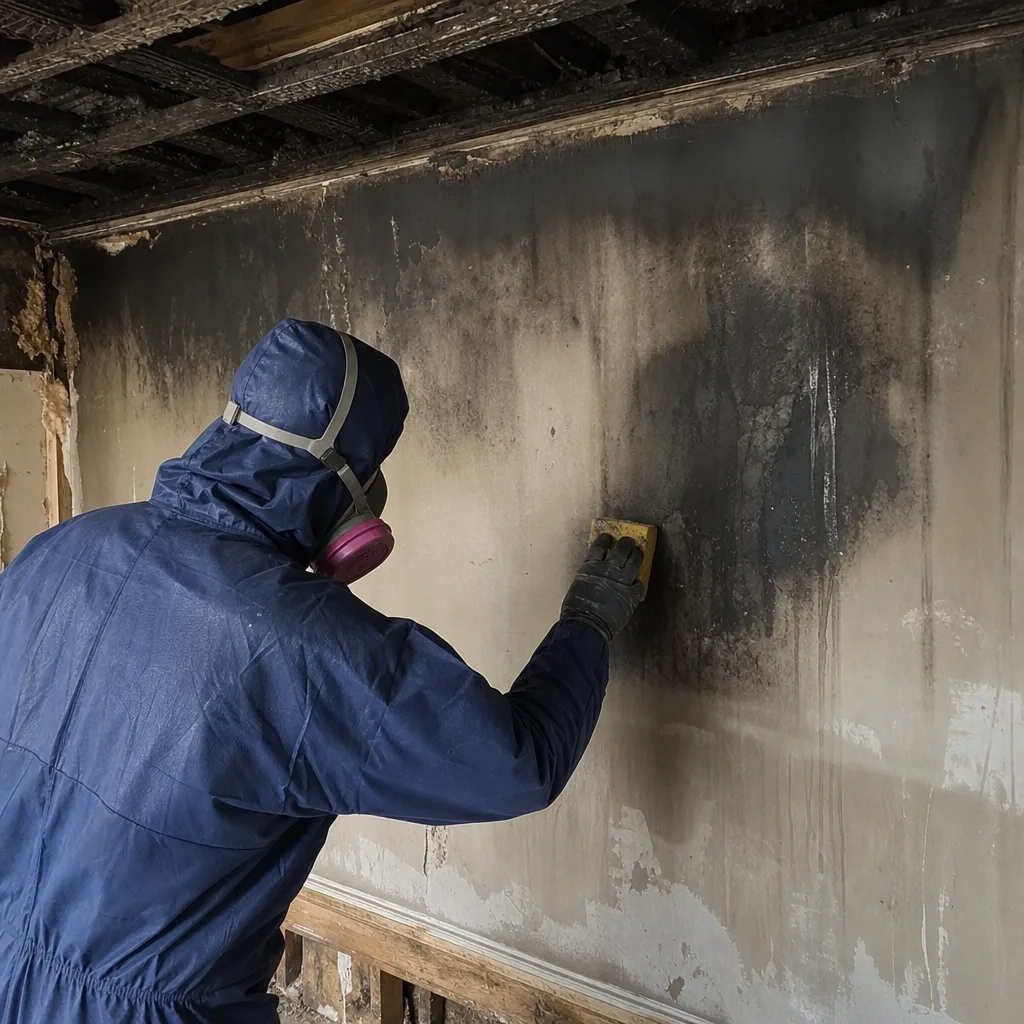
Black Mold Remediation
Stachybotrys chartarum and other toxigenic species require full containment with negative air pressure and personnel protective equipment. We do not disturb visible growth without containment in place. Clearance testing by an independent third-party laboratory is standard on these jobs, with results delivered before containment removal.
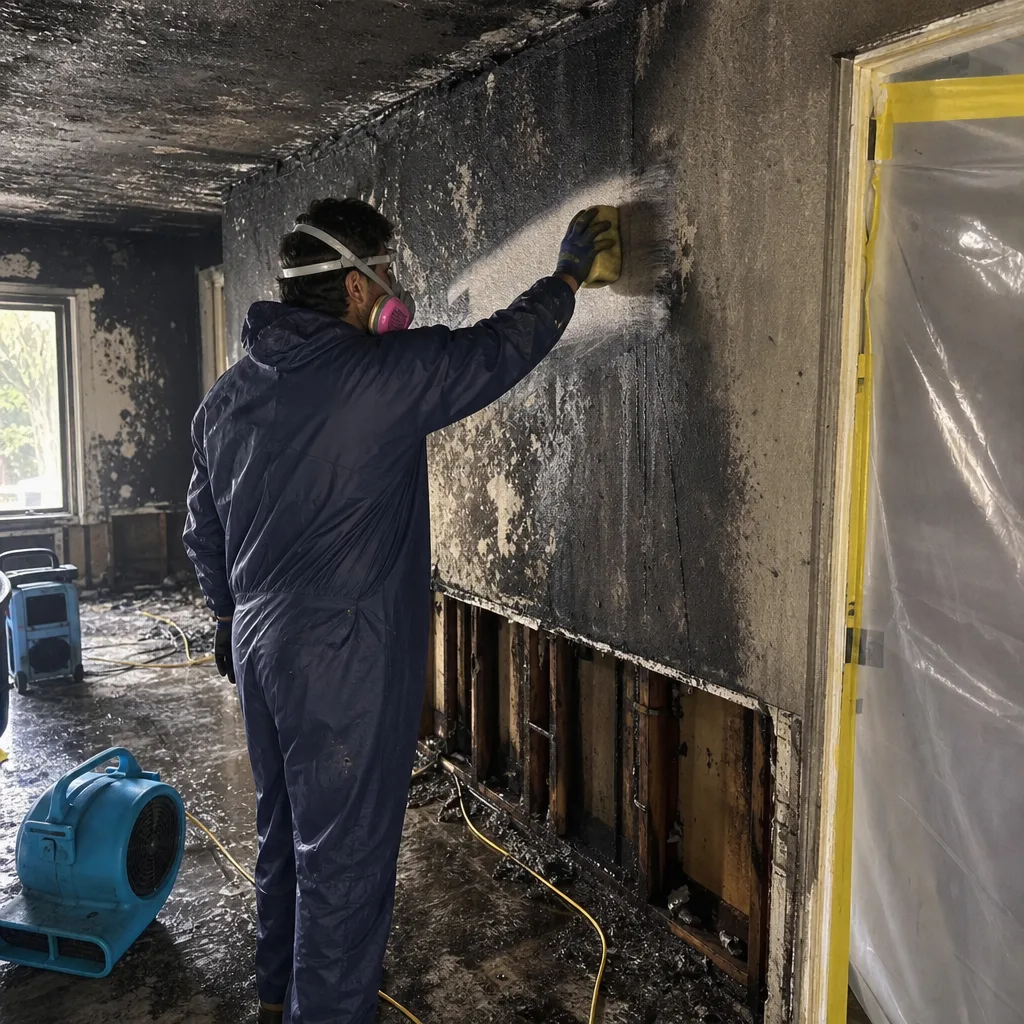
Air Quality Restoration
Post-remediation air quality restoration includes HEPA filtration, activated carbon treatment for volatile organic compounds, and balanced ventilation design. In Newport Beach’s humid coastal climate, we size dehumidification capacity for the actual moisture load, not the square footage rule of thumb that fails in marine environments.
Crawl Space Treatment
This is where Newport Beach’s older housing stock most often hides ongoing mold problems. We inspect with borescope cameras where access is limited, install vapor barriers where absent, and design active or passive ventilation systems based on crawl space geometry and exterior grade. Moisture readings at multiple subfloor points prove drying completion, not surface appearance.
What happens when you call
- 1
A real person answersNo phone trees - you reach a local pro.
- 2
You get an upfront price rangeHonest numbers before anyone is dispatched.
- 3
A background-checked tech heads outLicensed & insured, dispatched right away.
- 4
You approve before work beginsNothing starts until you say go.
Mold Remediation Costs in Newport Beach, CA
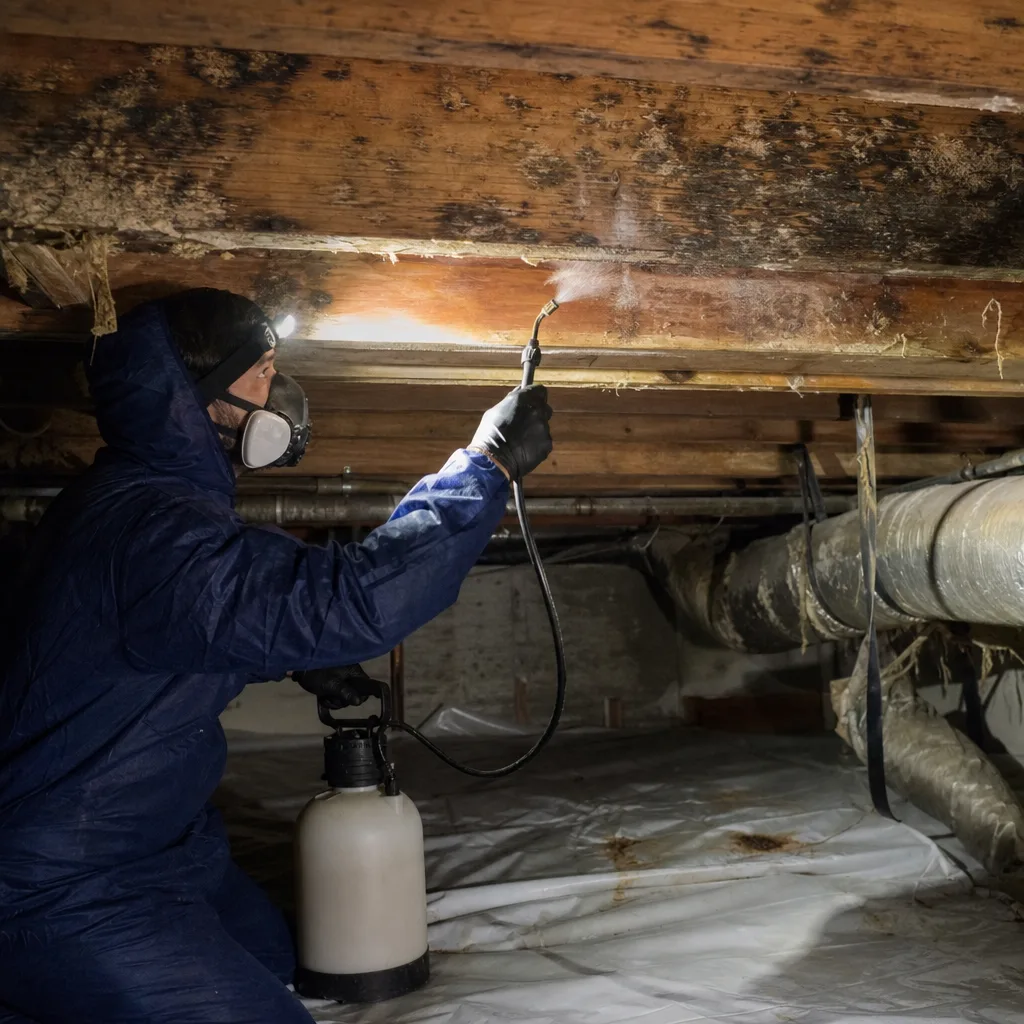
Contained mold remediation in Newport Beach, limited to one room or a defined crawl space area, typically runs $2,800-$5,500. Whole-room or multi-room remediation with full containment and air scrubbing runs $5,500-$12,000. Complex jobs involving Category 3 water origin, structural drying of salt-saturated materials, or reconstruction of custom finishes range from $12,000 to $25,000+.
What moves the price: water category (Category 3 requires more extensive containment and disposal), affected square footage, material porosity (drywall vs. tile vs. custom millwork), and whether hidden mold in unventilated crawl spaces expands the scope after initial inspection. Insurance typically covers mold remediation when it results from a covered water loss, but policies vary on mold-specific limits and deductibles. We review your policy language and provide the documentation your adjuster needs to maximize covered scope.
Every job starts with a free visual inspection and written scope before any work begins - Haven Standard, Clause 1. No exceptions. Call (657) 212-2570 for your inspection and exact pricing.
We Also Serve Cities Near Newport Beach
Our Mold Remediation in Newport Beach crews also respond throughout Costa Mesa, Fountain Valley, Tustin, and Santa Ana. Each city has distinct housing stock and loss patterns: Costa Mesa’s postwar tract homes with original slab foundations, Fountain Valley’s lower-lying areas with seasonal groundwater intrusion, Tustin’s blend of historic downtown structures and newer development, and Santa Ana’s denser multifamily stock with shared ventilation systems. The documentation and drying protocols we developed for Newport Beach’s coastal conditions adapt to each context.
Serving Newport Beach, CA - Our Local Coverage Area
We’re based in the Newport Beach area and know this community well. Use the map below to see our service coverage - if you’re nearby, we can almost certainly help.
Newport Beach Mold Remediation Questions, Answered
After a king tide floods my Balboa Island home, how do I know if it’s a clean-water or sewage-contaminated mold problem?
You cannot determine this visually; the water must be tested for indicator bacteria and category classification before remediation begins.
On Balboa Island, the tide-influenced municipal storm drain system can backflow during high-water events, introducing Category 3 sewage contamination even when the water appears clear. Our technicians collect samples and run field tests on arrival; if Category 3 is confirmed, containment protocols, antimicrobial selection, and disposal requirements all change. Starting remediation on a Category 3 loss with Category 1 protocols leaves contaminated materials in place and creates liability exposure. Call (657) 212-2570 and we’ll test and classify before any work is scoped.
My 1950s Balboa Peninsula cottage has original board sheathing and no subfloor ventilation. Does that change how you handle mold remediation?
Yes; these construction characteristics require crawl space treatment and extended drying protocols that standard post-1980 construction does not need.
Original board sheathing wicks moisture laterally through walls, and the absence of subfloor ventilation means crawl spaces stay damp indefinitely after any water event. We inspect with borescope cameras where access is tight, install vapor barriers where absent, and use Injectidry hose mats for targeted subfloor drying. Moisture readings at multiple subfloor points prove completion. On a 1952 wood-frame bungalow off South Bay Front on Balboa Island, our tech found exactly these conditions after a king-tide backflow event: original board sheathing and no subfloor ventilation holding moisture. We ran moisture mapping across the subfloor, set up containment, applied antimicrobial treatment, and used Injectidry and Dri-Eaz equipment for structural drying and dehumidification with air movers. The drying logs showed hidden mold behind baseboards had started from chronic dampness, not a one-time spill, so the scope included full crawl space treatment.
Why do mold jobs in Newport Beach often turn up corroded fasteners and HVAC parts?
The persistent marine layer and salt-laden air off Newport Bay and the Pacific accelerate corrosion of metal components throughout the structure.
Galvanized framing hardware in 1940s-1960s Peninsula cottages has been quietly failing for decades; we discover this during demolition for mold remediation when fasteners crumble on contact. HVAC condenser coils and electrical connections show similar corrosion. Our initial inspection now includes assessment of accessible metal components, and we note probable corrosion in our written scope so you’re not surprised by structural repair needs once remediation begins. This documentation also supports insurance claims for consequential damage from the original water loss.
What equipment do you use for structural drying and mold remediation in Newport Beach’s humid coastal conditions?
We deploy Dri-Eaz and Phoenix low-grain refrigerant dehumidifiers, XPOWER and B-Air air movers, and Injectidry systems for wall-cavity and subfloor drying.
In Newport Beach’s marine-layer conditions, standard refrigerant dehumidifiers often need supplemental desiccant units to achieve target equilibrium moisture content in dense, salt-saturated materials. HEPA air scrubbers run continuously during remediation, and thermal imaging cameras identify hidden moisture pockets that pin-probe meters might miss in irregular framing. All equipment performance is logged in daily drying reports with psychrometric data that document progress to dry standard.
Does Newport Beach’s flood-zone documentation for repetitive-loss properties affect how you handle mold remediation?
Yes; FEMA repetitive-loss documentation requirements change how we categorize the loss, what documentation we produce, and which insurance policy receives the primary estimate.
Many Balboa Island and Balboa Peninsula properties carry National Flood Insurance Program coverage alongside standard homeowners policies. We determine primary coverage based on loss origin, produce flood-zone-compliant documentation including elevation certificates where required, and coordinate with both carriers to avoid coverage gaps. This dual-policy navigation is standard for us since 2011; we build the file correctly from first notice of loss so your claim is not delayed by documentation errors.
How fast can DryMark Restoration Irvine actually get to my Newport Beach property?
We commit to 45-minute response time to any Newport Beach address, including Balboa Island access via ferry or Marine Avenue bridge during tide-restricted hours.
Our crews are positioned for rapid dispatch throughout the 92660-92663 zip codes. Live phone coverage is available 24 hours a day, 7 days a week with no voicemail on emergency lines. The sooner we start moisture mapping and containment, the less square footage requires remediation and the lower your total cost. Call (657) 212-2570 now.
Will my insurance cover mold remediation, or is this out of pocket?
Mold remediation is covered when it results from a sudden, accidental water loss that your policy covers; gradual leaks and maintenance-related moisture are typically excluded.
We review your policy language during our free inspection and document the loss origin to support covered-peril determination. Our estimates in Xactimate format, with photo documentation and moisture logs, are designed for clean adjuster approval. For Newport Beach’s repetitive-loss properties, we navigate NFIP and standard policy coordination. If you have a competitor’s estimate, we provide a free second opinion review at no charge.
How long does mold remediation take, and can my family stay in the home during the work?
Most contained residential mold remediation in Newport Beach is completed in 3-7 business days; whole-structure treatments after Category 3 losses may require 10-14 days.
Occupancy during remediation depends on containment effectiveness, air scrubber performance, and whether Category 3 sewage contamination is present. We test airborne particulate levels at containment boundaries and recommend temporary relocation when readings exceed safe thresholds, particularly for immunocompromised residents or children. The written scope delivered before work begins includes our occupancy recommendation and timeline, so you can plan accordingly. Call (657) 212-2570 to schedule your inspection and written scope.
Written by Alicia Brennan, Owner at Back to Dry Restoration, serving Newport Beach since 2011 under The Haven Standard.
Mold Remediation in Nearby Areas