

Free visual inspection and a written scope of work before any mitigation begins - photos, moisture readings, and drying logs go in your claim file
The scope we write is the scope we bill. Anything new gets shown to you, in writing, before we touch it.
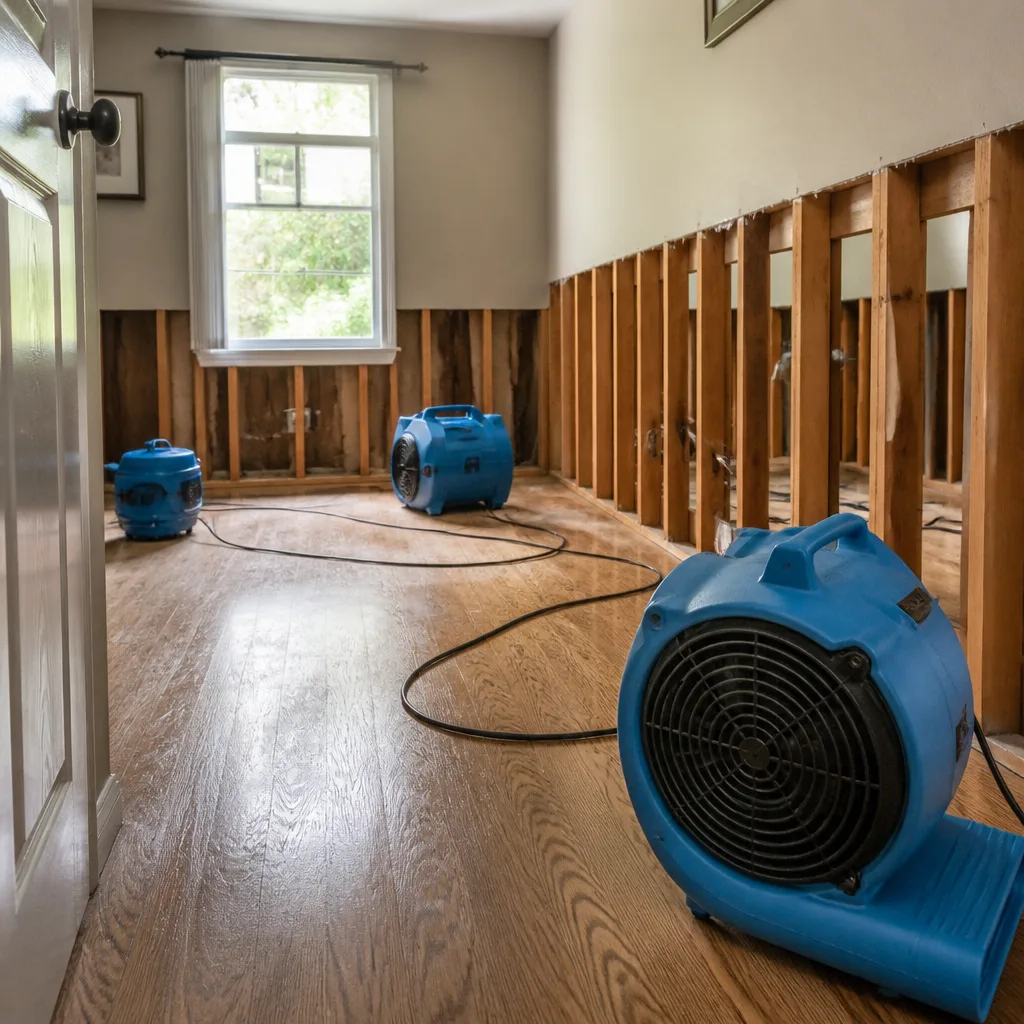
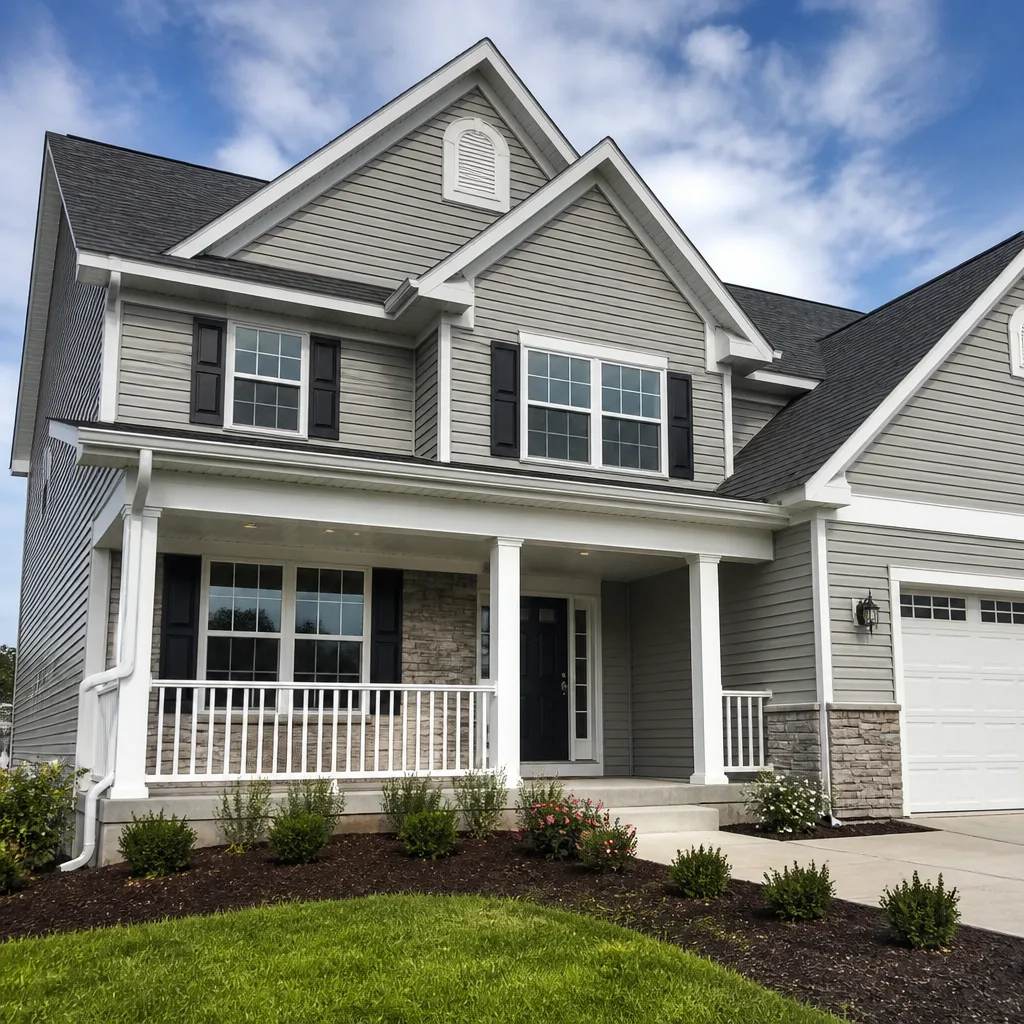
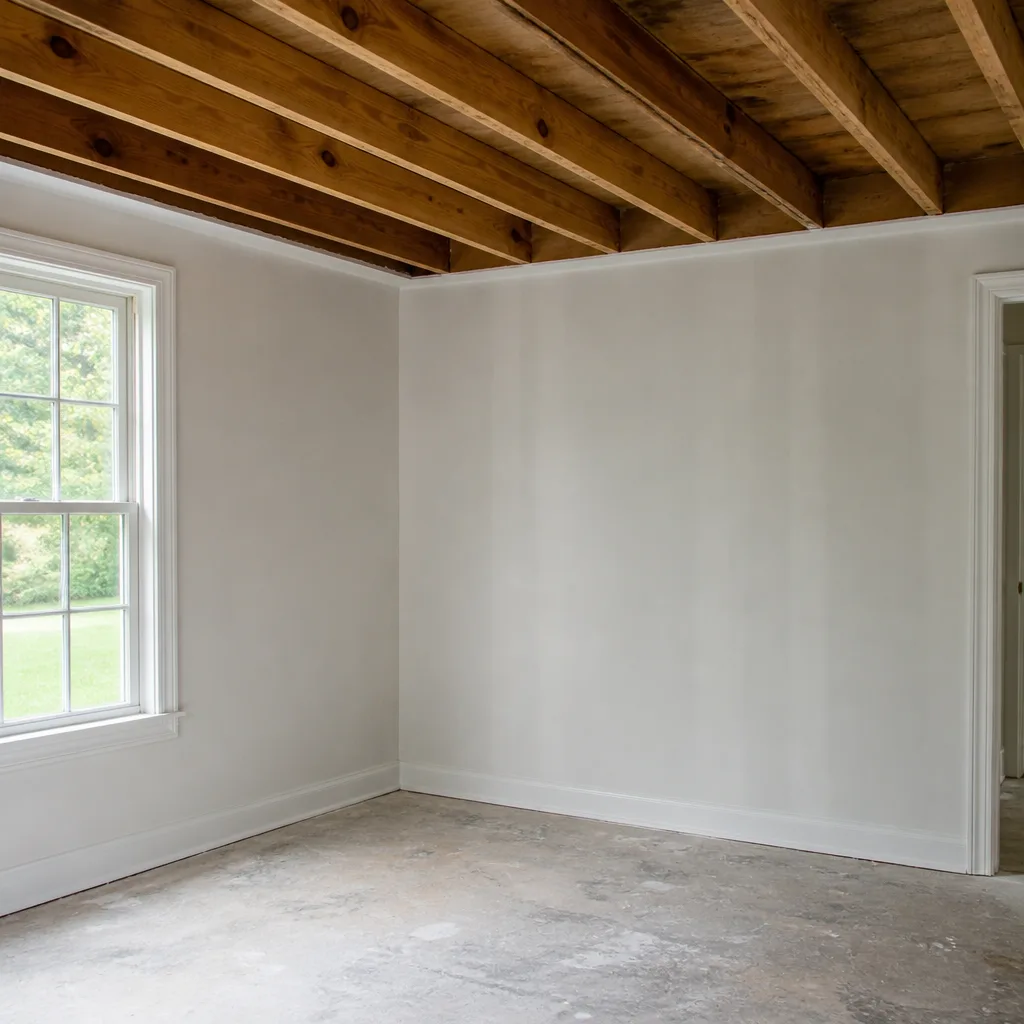
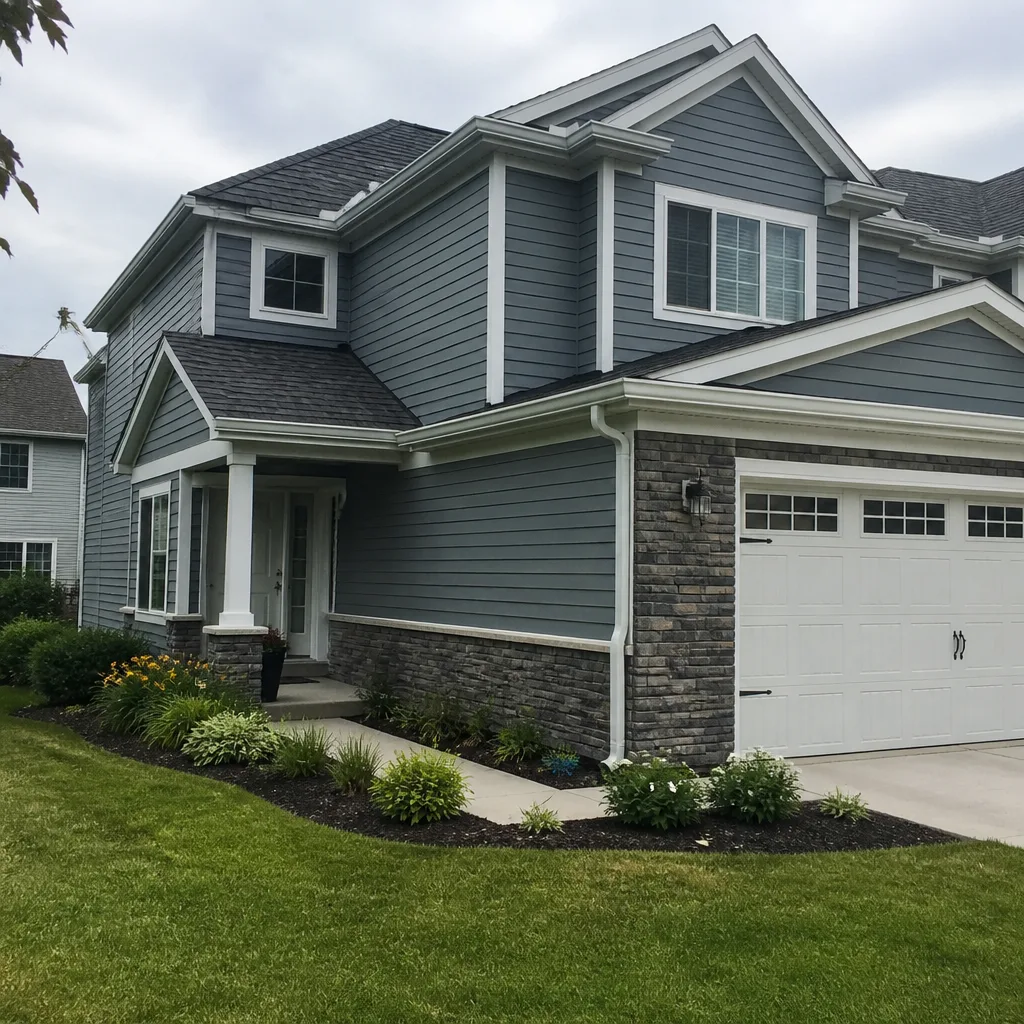
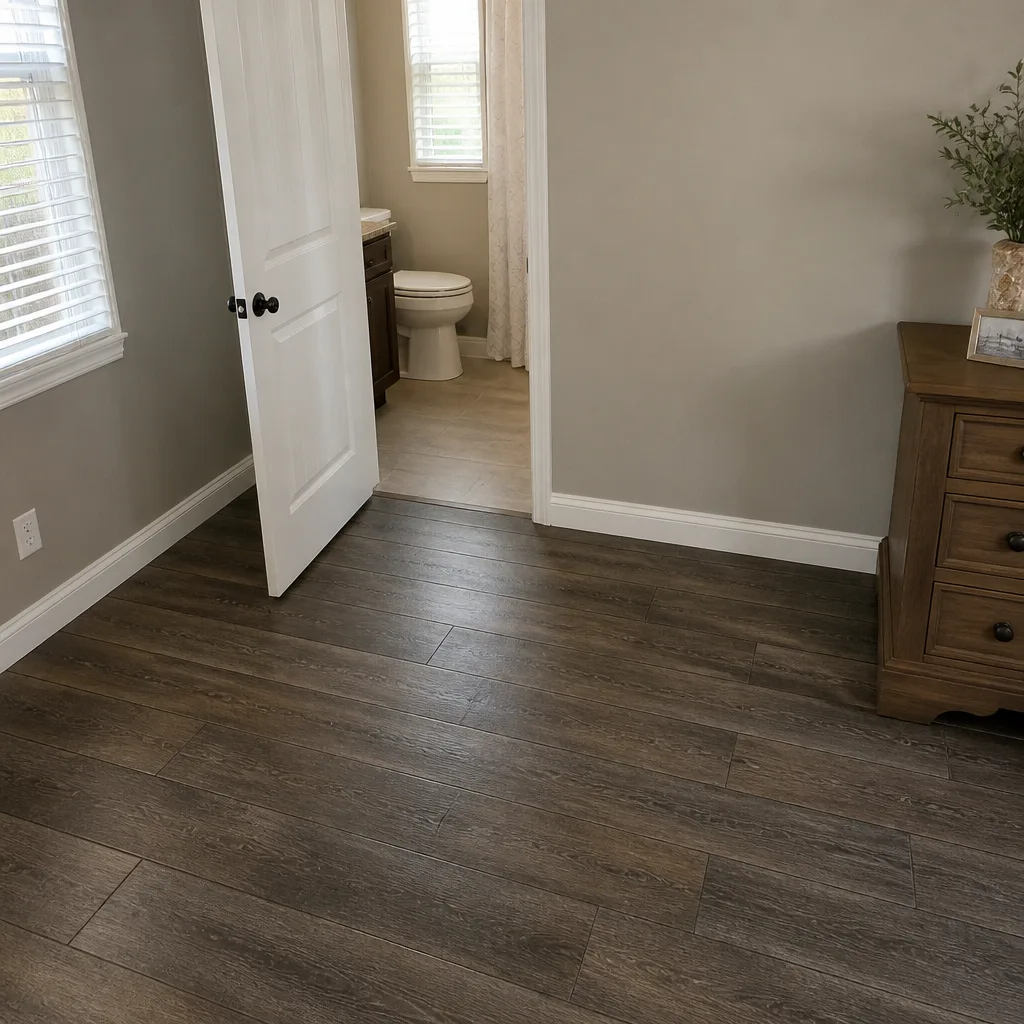

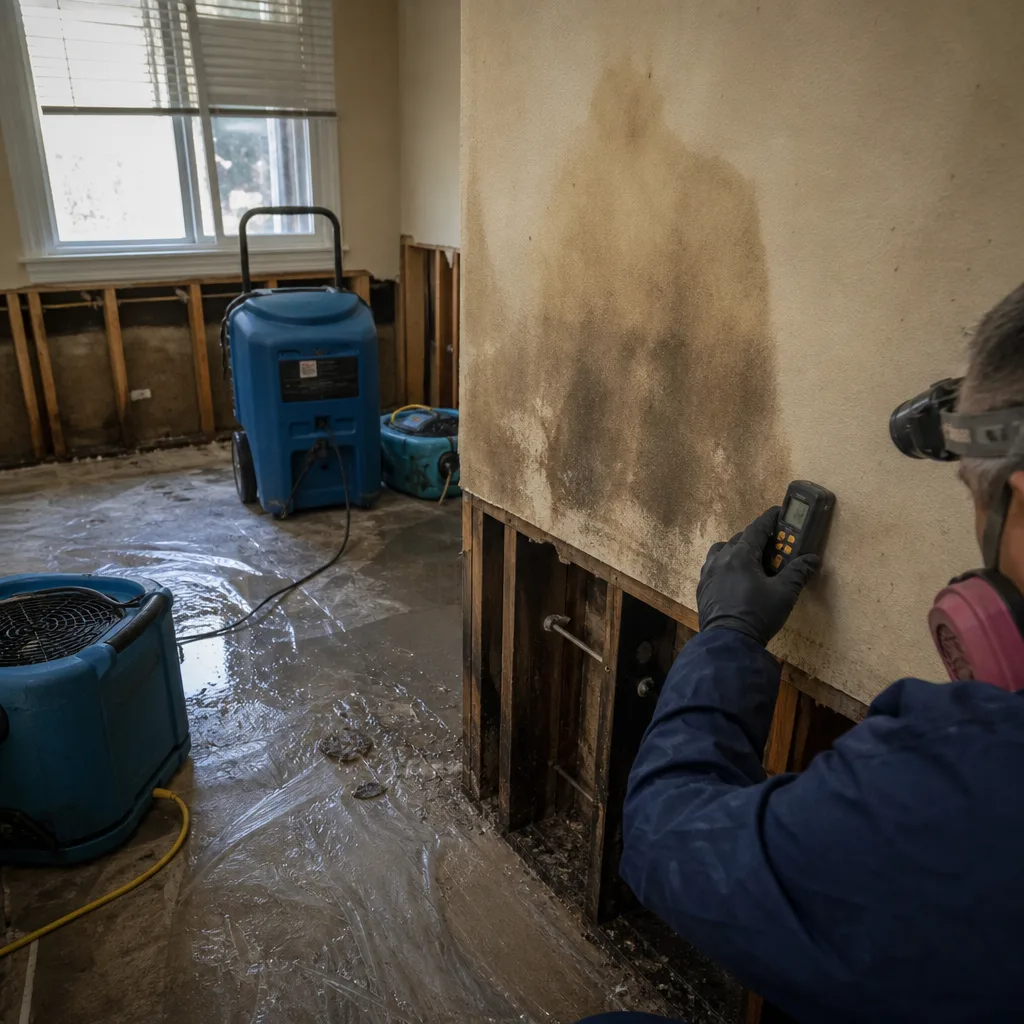 Before
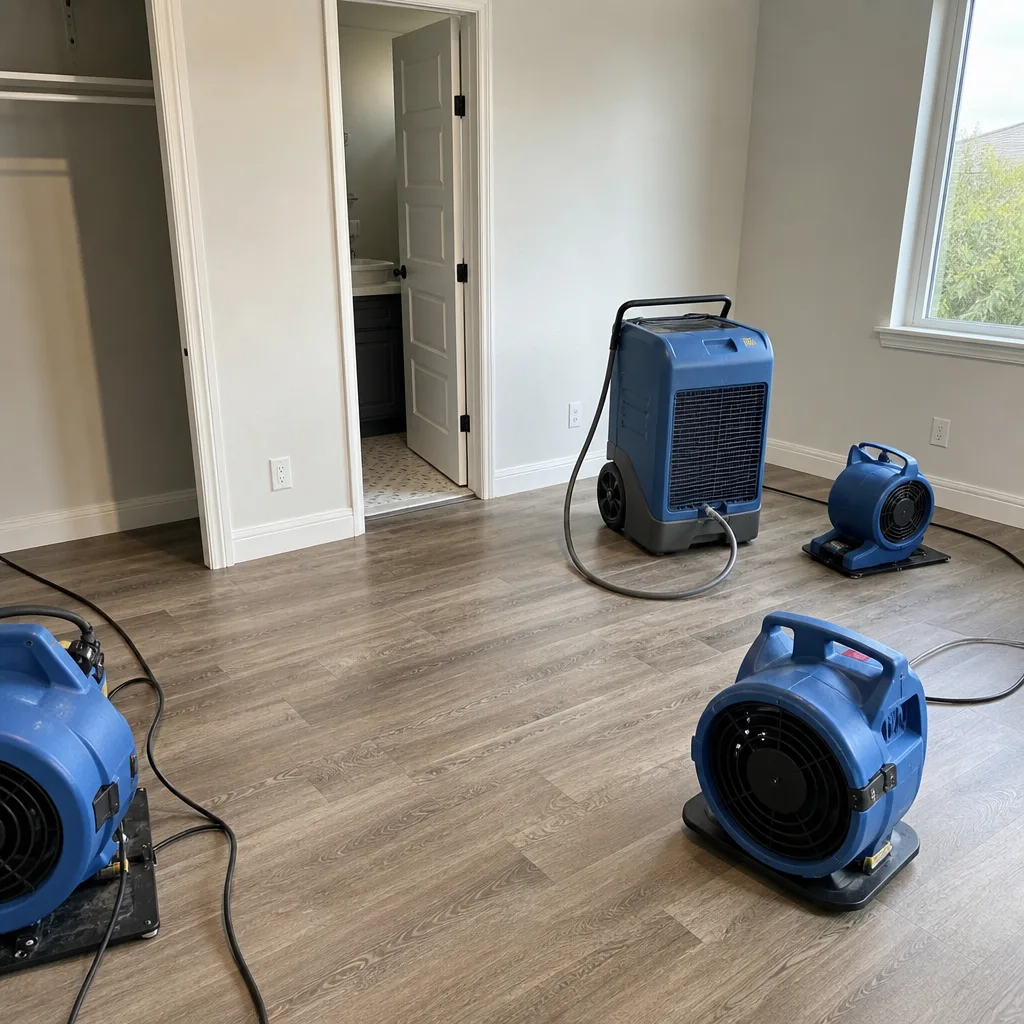 After
After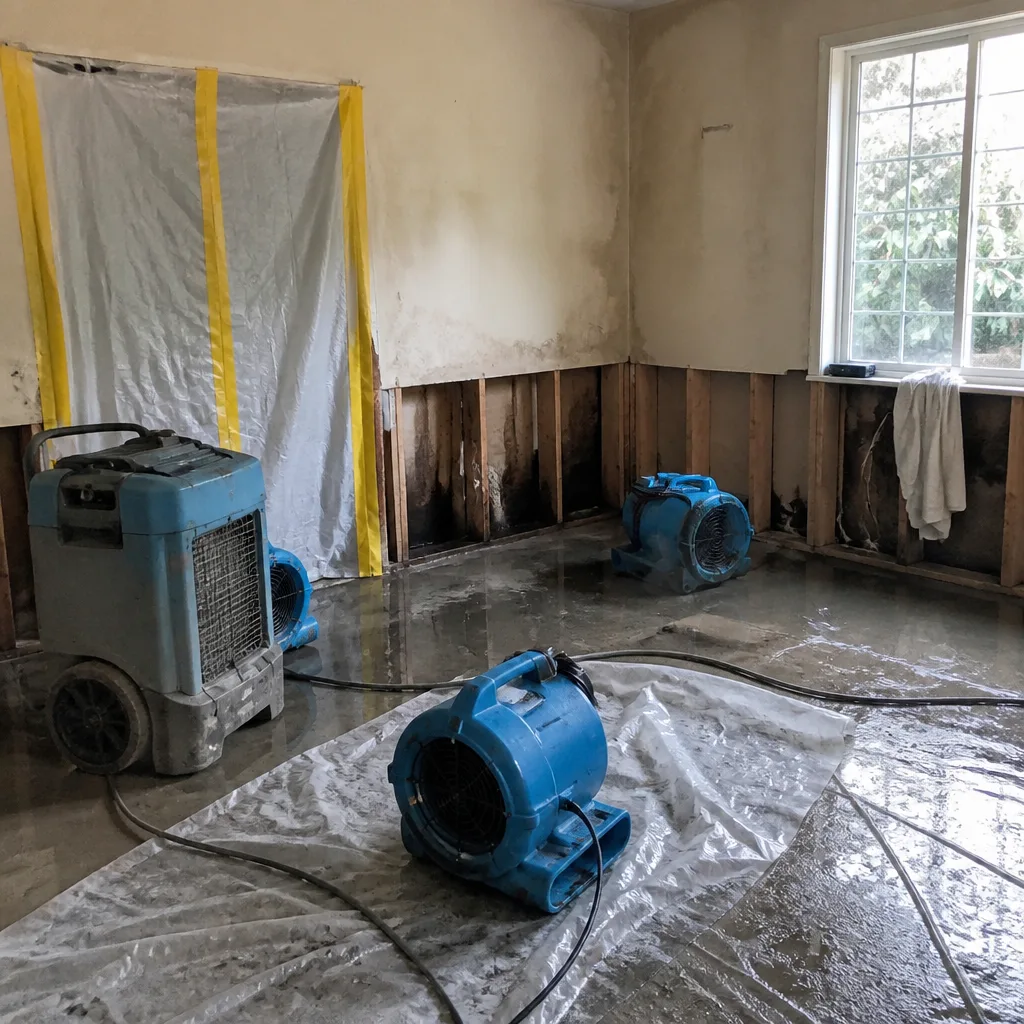 Before
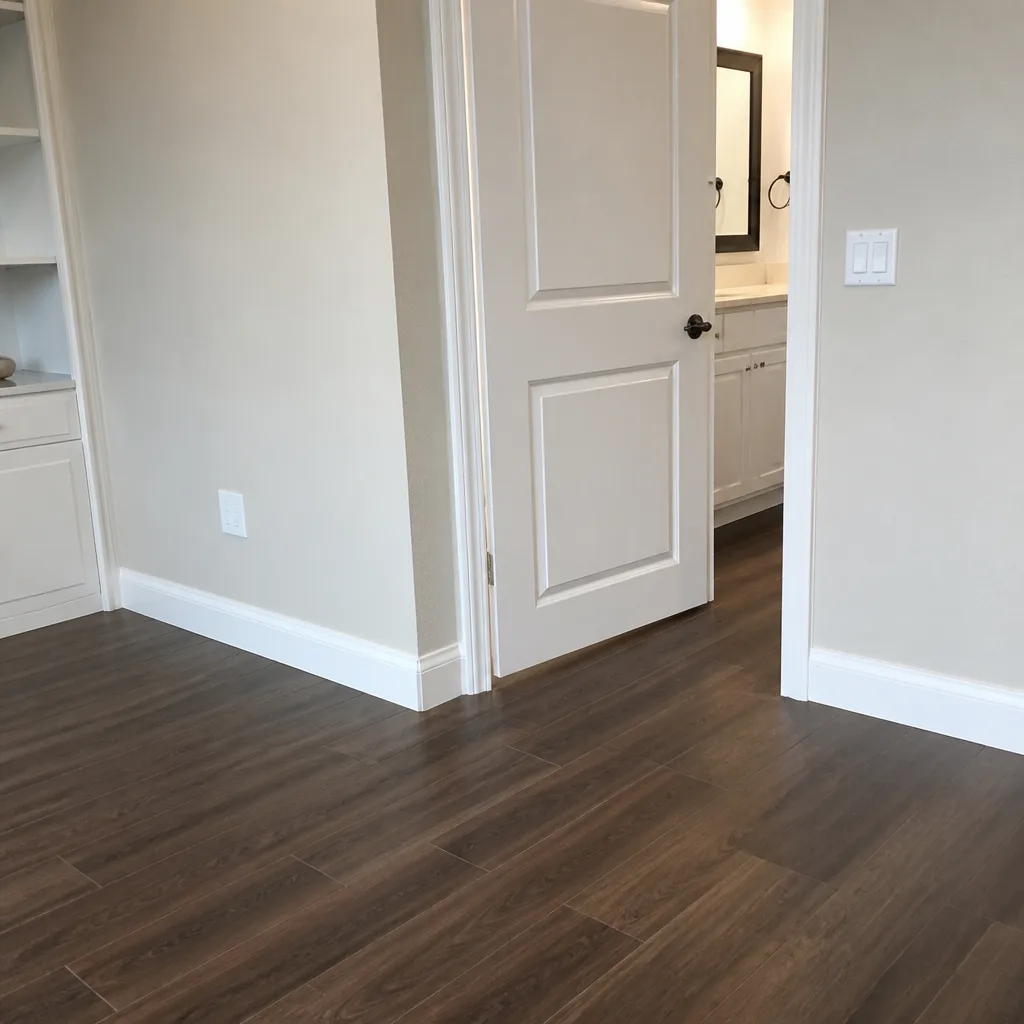 After
After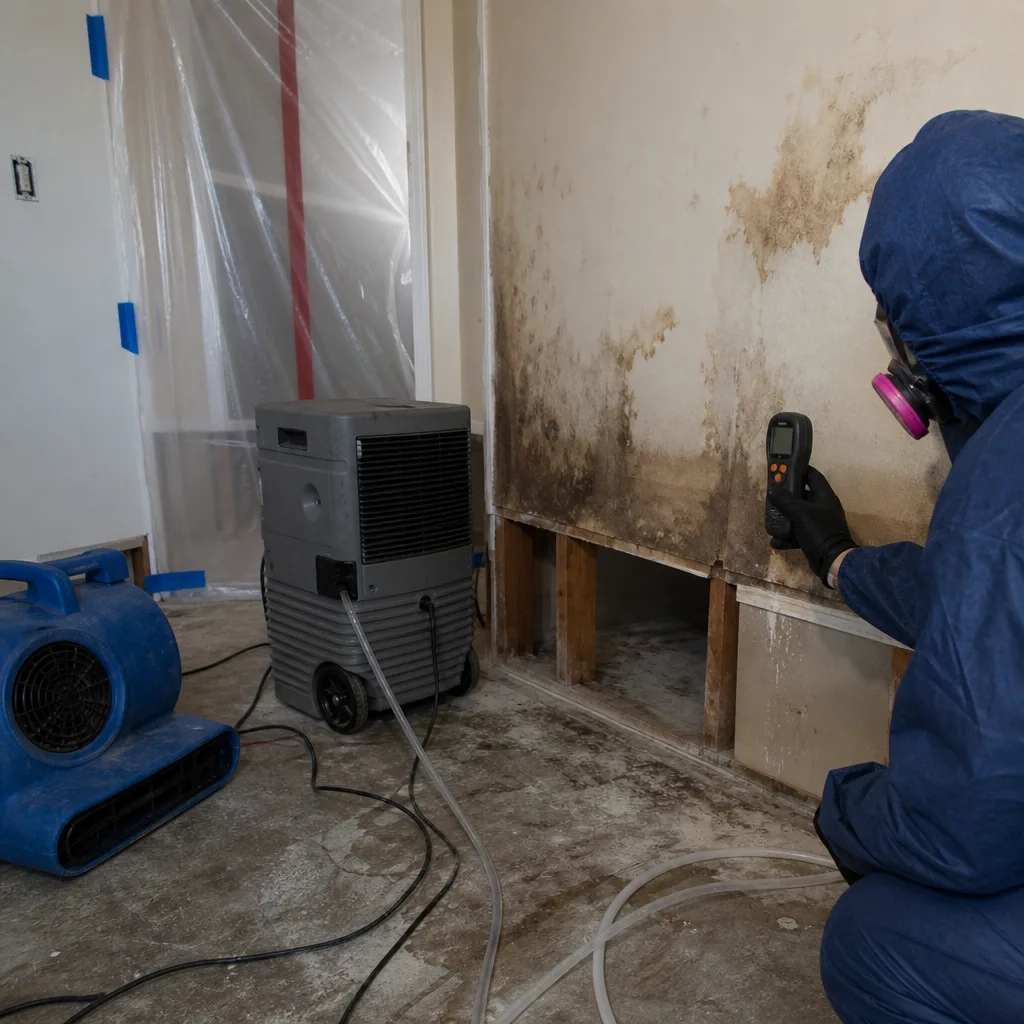 Before
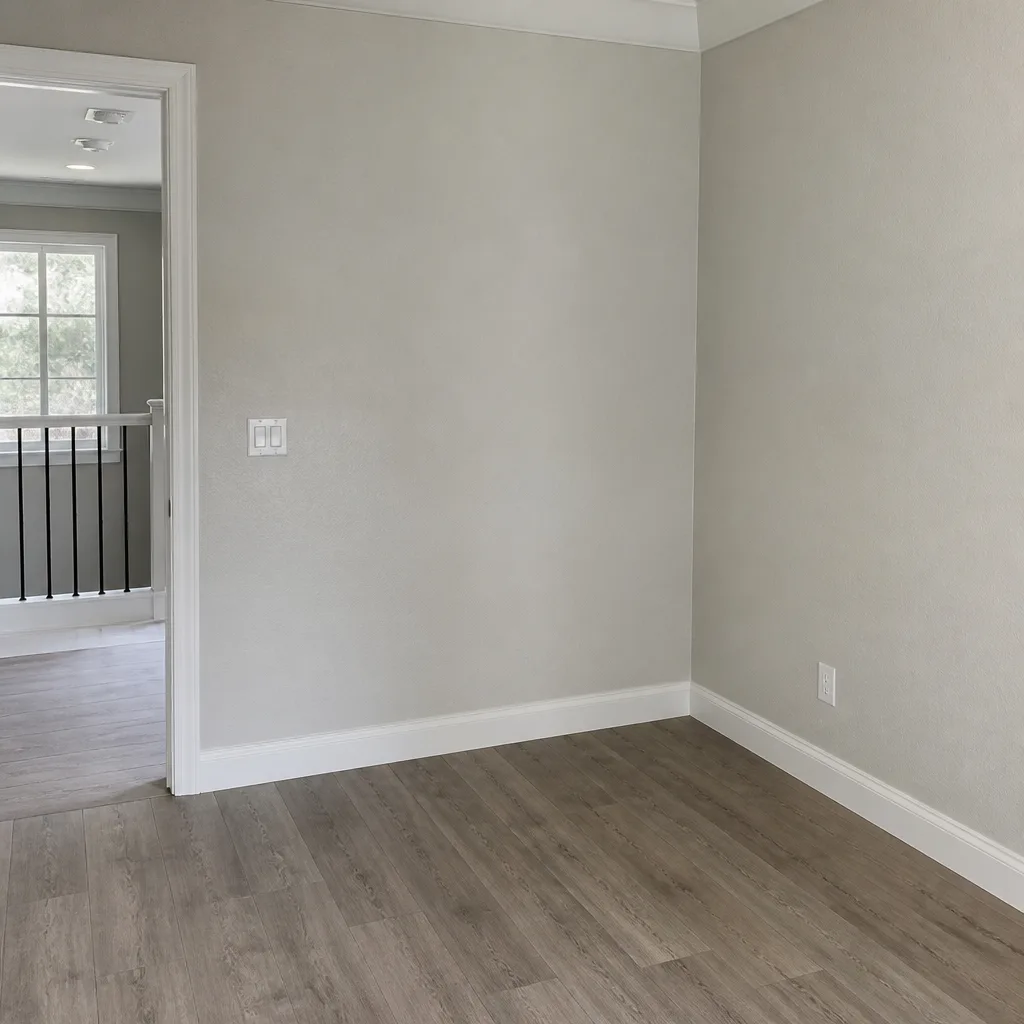 After
After24/7 Emergency Mold Remediation in Orange
Mold remediation in Orange typically costs $1,800-$6,500 depending on affected square footage and material type, and our crews can be on-site within 45 minutes of your call. Call (657) 212-2570 now - we answer live, 24 hours a day, with no voicemail trees or next-business-day callbacks while moisture keeps spreading.
The first hours after discovering mold matter more than most homeowners realize. In Orange’s climate, a hidden leak behind a kitchen wall or inside a crawl space can push humidity levels above 60% in wall cavities within a day, and once mold colonizes lath-and-plaster or old-growth framing, the remediation scope grows fast. We offer free visual inspections anywhere in Orange, from Old Towne Historic District bungalows to Santiago Hills hillside homes. Our Mold Remediation team arrives with moisture meters, thermal imaging, and containment equipment already loaded.
Understanding Mold Remediation Severity in Orange Properties
We classify mold contamination by three factors: the square footage of visible growth, the material classification of affected substrates (porous, semi-porous, or non-porous), and the underlying moisture source category. Category 1 water - clean supply-line leaks - presents different remediation parameters than Category 2 gray water or Category 3 black water intrusions, which require more aggressive containment and antimicrobial protocols.
Orange’s housing stock complicates every classification. In Old Towne, we regularly encounter mold on original horsehair plaster and Douglas fir framing that cannot be demolished and replaced with standard drywall; the City’s Historic Preservation Ordinance requires period-appropriate materials and methods, so we deploy Injectidry mat drying and HEPA-contained abrasive cleaning to save original substrates when possible. In 1950s-1970s concrete-slab tract homes across Orange’s flatlands, asbestos-era floor tiles and insulation trigger mandatory testing and abatement hold before any remediation work begins. Eastern Orange’s 1980s-1990s hillside wood-frame construction near Santiago Hills often hides mold in crawl spaces fed by hard-water-degraded galvanized supply lines. Each housing era demands different containment strategies, equipment staging, and documentation standards.
Why Orange Property Owners Choose DryMark Restoration Irvine
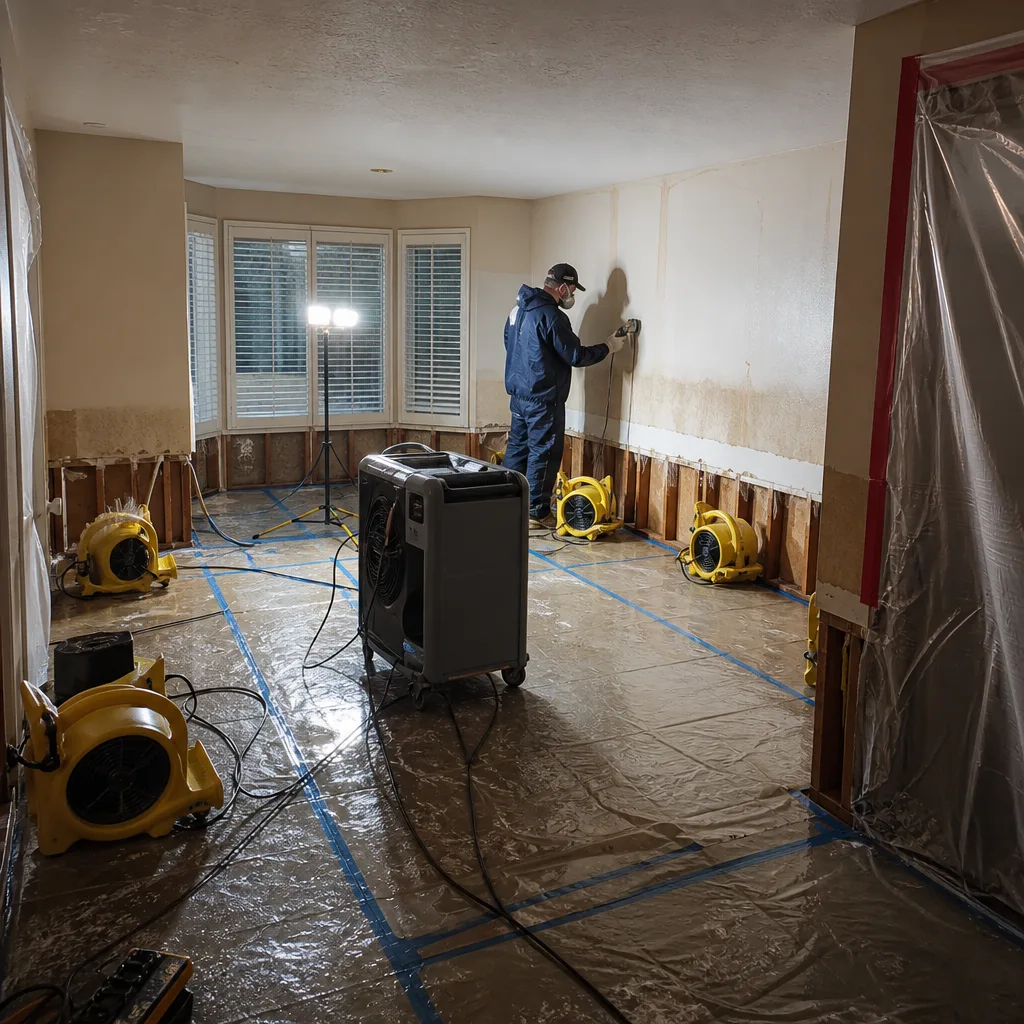
- 45-minute response commitment to any address in Orange, from the Plaza to Santiago Hills, with crews dispatched from our Los Angeles coordination office.
- 24/7 live answer - a real person picks up every call, never an automated system or voicemail queue, because mold doesn’t wait for business hours.
- IICRC-certified crews holding AMRT (Applied Microbial Remediation Technician) and WRT (Water Damage Restoration Technician) certifications, with license numbers provided on request.
- Free visual inspection at your Orange property, including moisture mapping and thermal imaging, with no obligation to proceed.
- Direct insurance billing with photo-documented estimates, daily drying logs, and adjuster coordination handled by our in-house claims team.
- One team from containment to reconstruction - no handoffs between remediation and rebuild contractors, and no scope-creep additions once work starts under Haven Standard, Clause 1.
 Before
 After
AfterOur Mold Remediation Process
1. Inspection & Assessment
We arrive with moisture meters, thermal imaging cameras, and borescopes to map hidden moisture behind walls and under floors. In Orange’s Old Towne bungalows, we specifically assess whether mold has penetrated lath-and-plaster assemblies or remains surface-level on original Douglas fir framing. Every finding is photo-documented before any containment goes up.
2. Containment & Air Filtration
We establish negative-pressure containment with 6-mil polyethylene barriers and run HEPA air scrubbers at 4-6 air changes per hour to prevent cross-contamination. For occupied homes, we isolate the work zone with zipper-door access and real-time particle monitoring.
3. Mold Removal & Source Elimination
Porous materials with deep colonization are removed per IICRC S520 standards; semi-porous substrates like old-growth framing and plaster are treated with HEPA vacuuming, abrasive cleaning, and antimicrobial application. We locate and stop the moisture source - whether it’s a degraded galvanized line, crawl space vapor intrusion, or failed flashing - before any rebuild begins.
4. Drying & Dehumidification
We deploy Phoenix and Dri-Eaz LGR dehumidifiers alongside XPOWER and B-Air air movers, targeting specific humidity ratios and vapor pressure differentials (the force that drives moisture from wet materials into drier air). Daily psychrometric readings - temperature, relative humidity, and specific humidity - are logged to document progressive drying for insurance and, in Old Towne cases, City preservation review.
5. Antimicrobial Treatment & Air Quality Restoration
After drying verification, we apply EPA-registered antimicrobials to treated substrates and run HEPA scrubbers until airborne spore counts match outdoor baseline levels. Clearance testing by a third-party hygienist is available and recommended for large-loss or immunocompromised-occupant situations.
6. Repairs & Restoration
For standard rebuilds, we replace removed materials with matching finishes. In Old Towne contributing structures, we source lath-and-plaster assemblies and match original plaster profiles per City preservation requirements, submitting documentation for review before final inspection. Haven Standard, Clause 1: your written price covers the full scope, with no additions once our crew is inside.
Need Emergency Mold Remediation in Orange Now?
Crews minutes away, answering live 24 hours a day. The sooner we start, the less it costs.
Working With Your Insurance Company
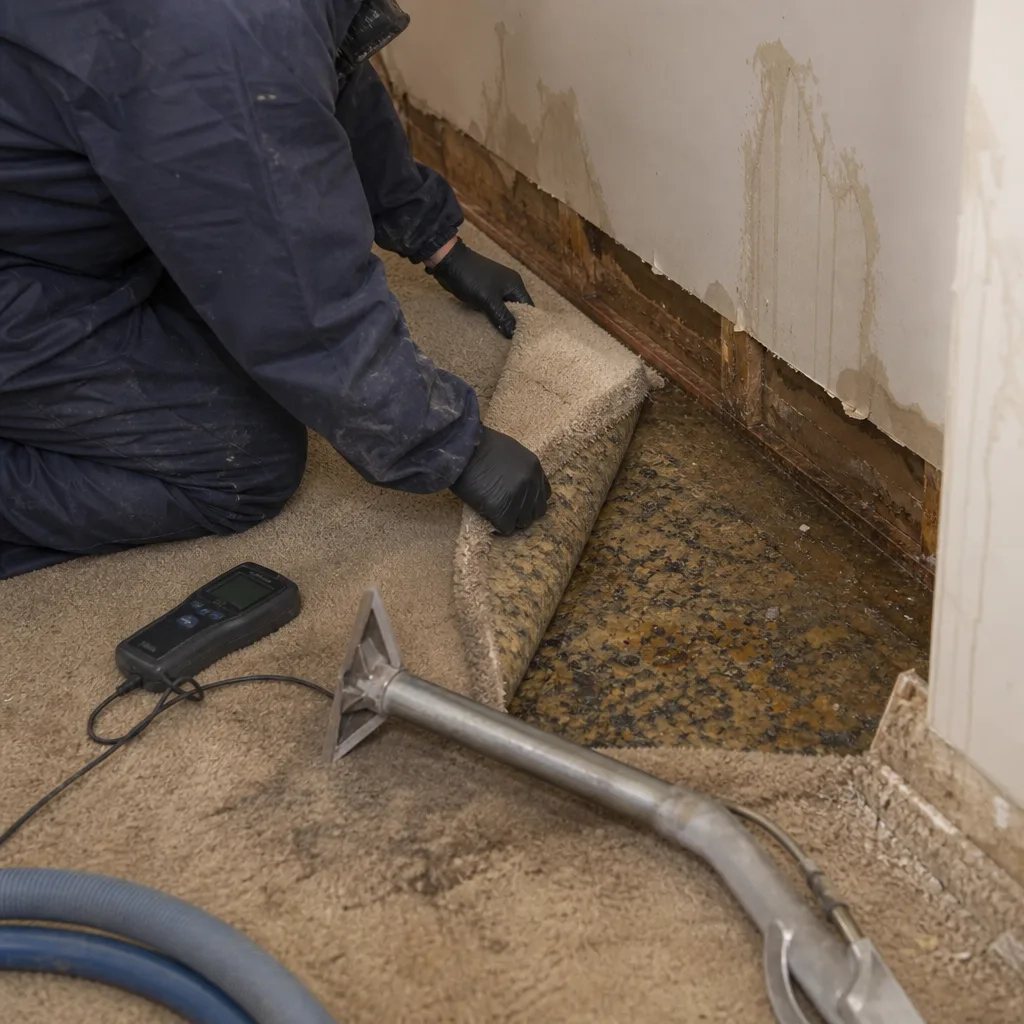
Most mold claims in Orange originate from covered water losses - burst supply lines, appliance failures, or storm intrusion - and the key to payment is documentation from hour one. We photograph every affected surface before containment, log daily moisture readings with equipment serial numbers and placement diagrams, and produce line-item scopes that match industry-standard estimating platforms.
Our in-house claims team speaks directly with adjusters, submits supplemental documentation when hidden damage extends the scope, and never asks you to float costs while waiting for carrier approval. For disputed or partially denied claims, we provide the technical documentation that supports your position. Haven Standard, Clause 1 applies throughout: you receive a written price before any work begins, even when insurance coverage is pending.
What We Provide Your Insurer
- Thorough documentation of the loss
- Photos of all damage, room by room
- Moisture readings and drying logs
- A detailed, line-item scope of work
- Direct coordination with your carrier
Built for Orange’s Loss Calendar
January through March brings the heaviest rain months to Orange, with saturated soil increasing hydrostatic pressure on concrete-slab foundations and crawl spaces across the flatlands. We see surge calls from Santiago Hills-adjacent neighborhoods when Santa Ana wind events follow rain, driving moisture into attic and wall cavities through compromised flashing.
April through June, rising temperatures without corresponding humidity drops create ideal conditions for mold in underventilated crawl spaces and behind bathroom tile in mid-century tract homes. July through October is peak Santa Ana wind season: the same low-humidity offshore flows that elevate wildland-urban interface fire risk also desiccate wet building materials rapidly, trapping moisture inside wall cavities where mold colonizes before homeowners detect musty odors. November and December bring secondary surge as homeowners discover long-running leaks only when they run heating systems that circulate spore-laden air. We adjust equipment staging and drying protocols seasonally, accounting for Orange’s specific psychrometric conditions rather than applying inland desert or coastal templates.
Mold Remediation Across Orange’s Neighborhoods
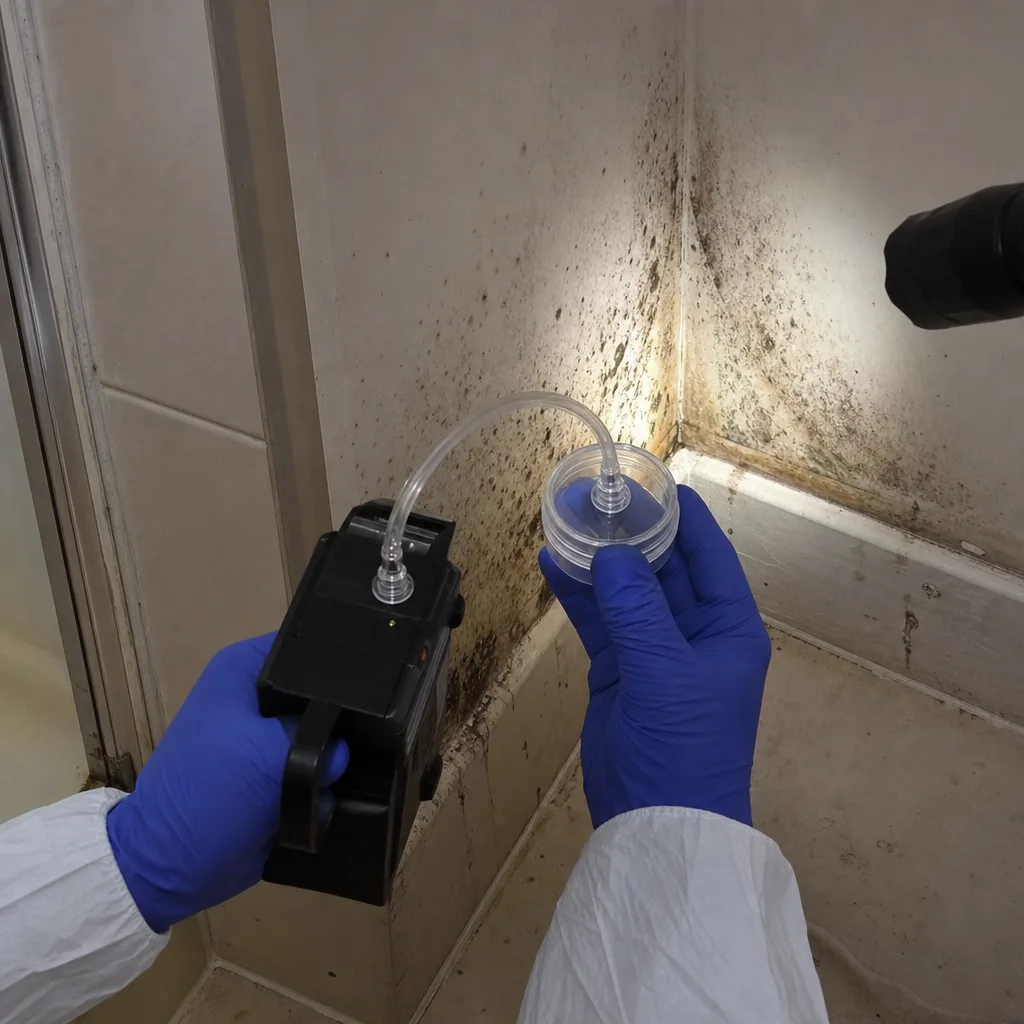
In Old Towne Historic District, around the Plaza and along Glassell Street, we work on pre-1940s Craftsman and California bungalows where the City of Orange’s Historic Preservation Ordinance governs every material choice. A mold job here means documenting original plaster profiles, sourcing matching lath, and submitting replacement plans for City review - a process that adds a week to rebuild timelines but preserves irreplaceable historic fabric.
Santiago Hills and the eastern hillside developments present different challenges: 1980s-1990s wood-frame construction on slopes with limited crawl space access, galvanized supply lines degraded by hard municipal water, and Santa Ana wind-driven moisture intrusion through inadequate flashing. We routinely deploy compact dehumidification systems and remote humidity sensors in these tight subfloor spaces.
The flatlands south of Chapman Avenue and west of the 55 freeway are dominated by 1950s-1970s concrete-slab tract homes. Here, mold often follows slab leaks or failed cast-iron drains, and asbestos-era floor tiles and insulation require testing before any remediation or reconstruction. We coordinate certified abatement contractors when samples return positive, holding the remediation timeline until clearance is documented.
Near Orange Park Acres and the equestrian zone boundaries, larger lot sizes mean longer supply-line runs and more exterior wall exposure, but also better crew access and equipment staging than the tight alley-load conditions of Old Towne. Each neighborhood shapes our containment design, equipment selection, and documentation package.
Specialized Mold Remediation Services We Offer in Orange
Mold Inspection & Testing
We start with visual assessment, moisture mapping, and thermal imaging; when colonization is hidden or occupants report symptoms without visible growth, we coordinate air and surface sampling through third-party certified hygienists. In Orange’s mid-century flatlands, we always test for asbestos-era materials before any invasive inspection that might disturb suspect substrates.
Mold Removal
Our removal protocols follow IICRC S520 and EPA guidelines, with containment scaled to the contamination area. In Old Towne, we prioritize substrate-saving techniques - HEPA-contained abrasive cleaning, Injectidry cavity drying, antimicrobial application - over demolition when original materials can be preserved and documented for City review.
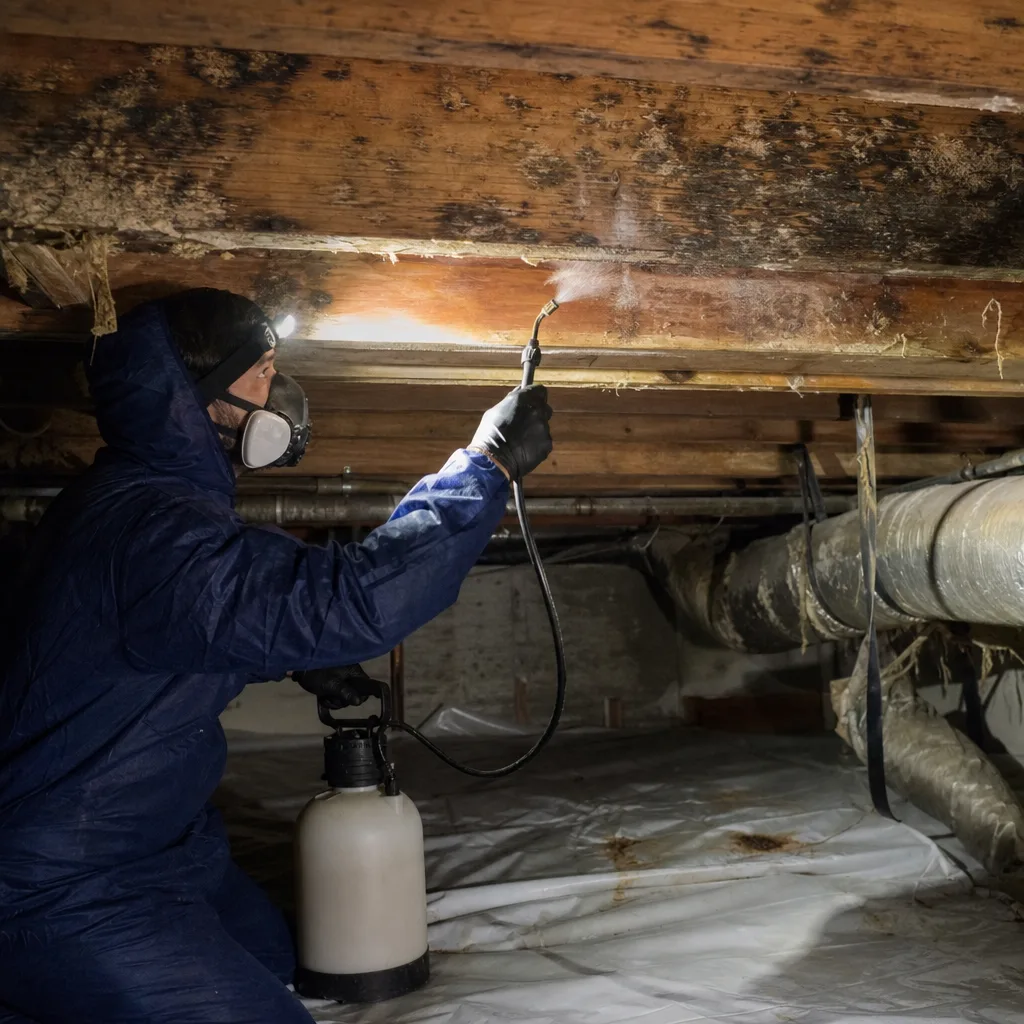
Black Mold Remediation
Stachybotrys chartarum and other toxigenic species require enhanced containment, full-face respirator protocols, and controlled disposal. We treat these jobs with the same documentation rigor as any other: photo records, moisture logs, and written scopes that support insurance claims and protect property owners from future liability.
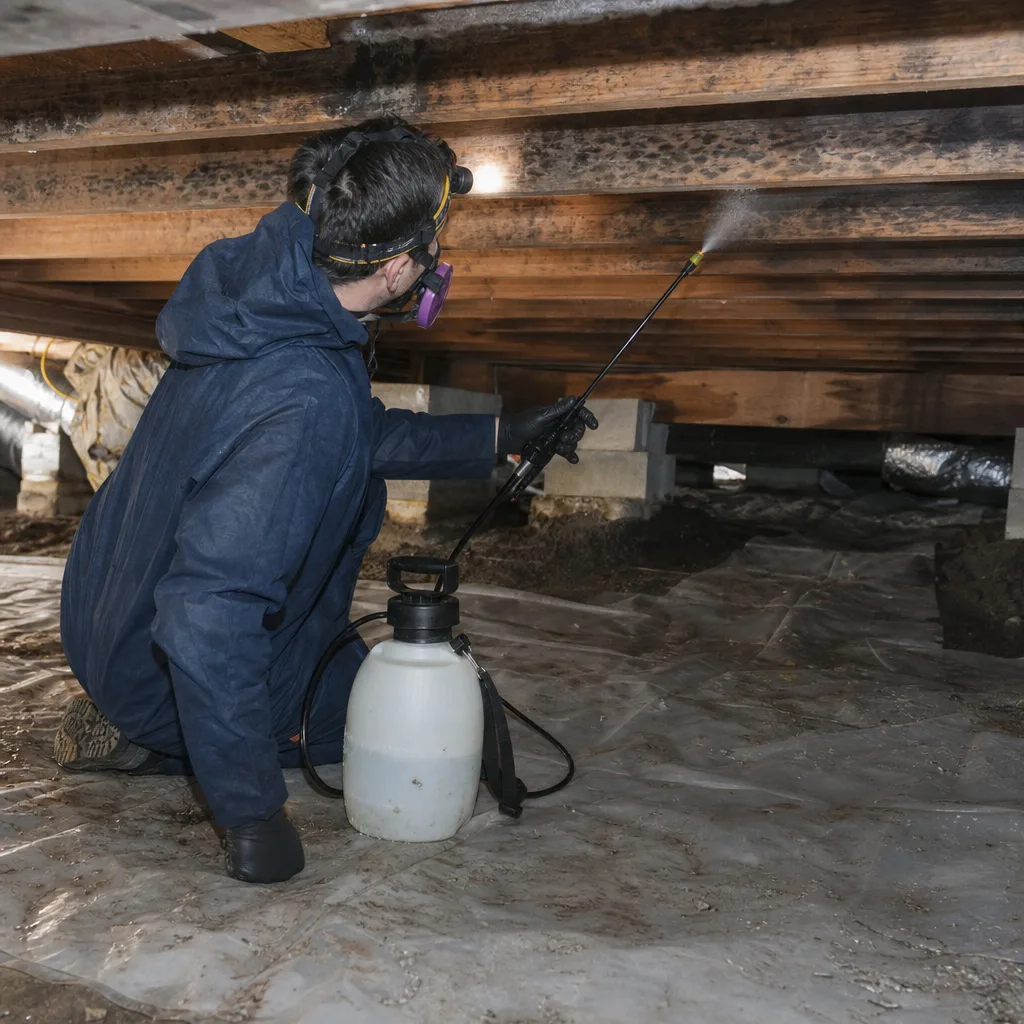
Air Quality Restoration
After physical remediation, we run HEPA scrubbers until particulate counts normalize, then verify with laser particle counters. For Orange homes with occupied basements, crawl spaces, or HVAC systems that circulated spores during active growth, we recommend duct inspection and cleaning as part of the restoration scope.
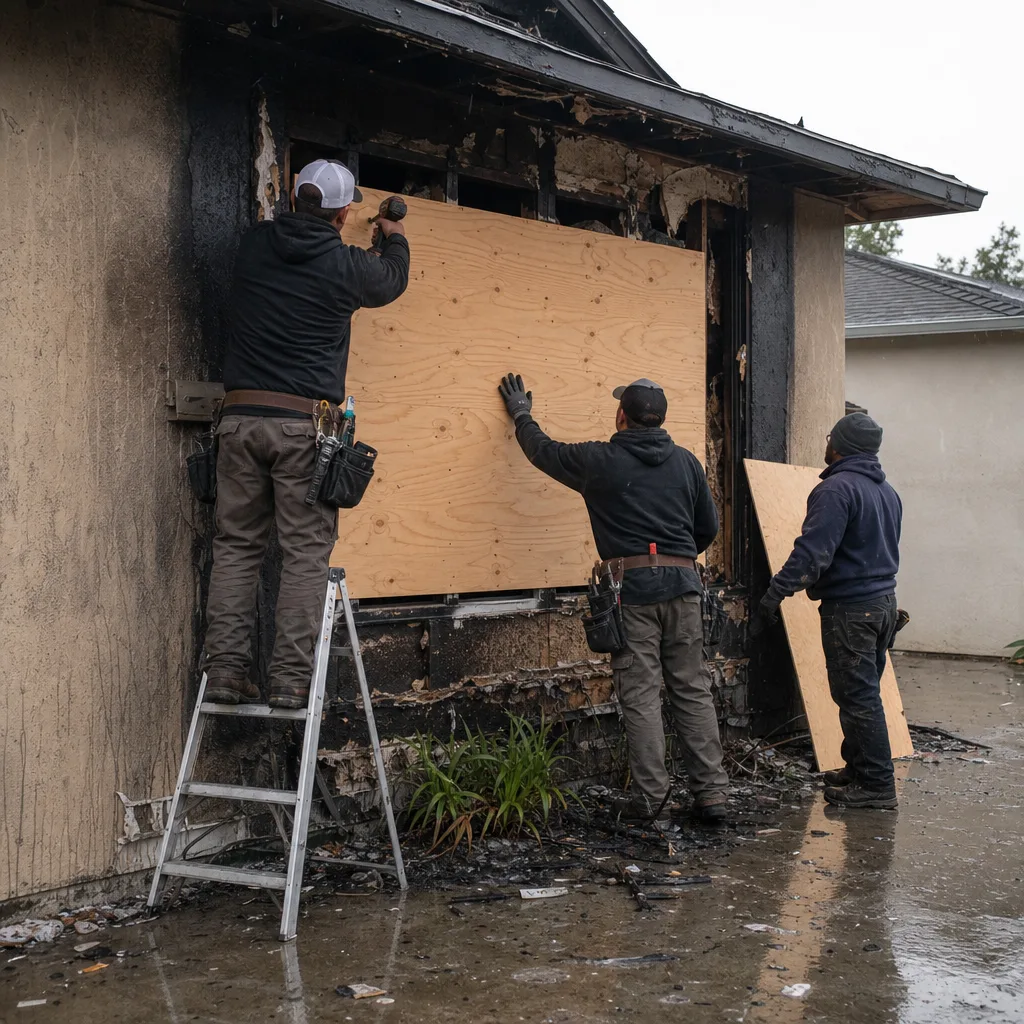
Crawl Space Treatment
Orange’s hillside homes near Santiago Hills and older flatlands properties both suffer crawl space mold fed by groundwater vapor, failed vapor barriers, or leaking supply lines. We install sealed vapor barriers, deploy permanent dehumidification where accessible, and treat structural framing with borate-based mold inhibitors that prevent regrowth.
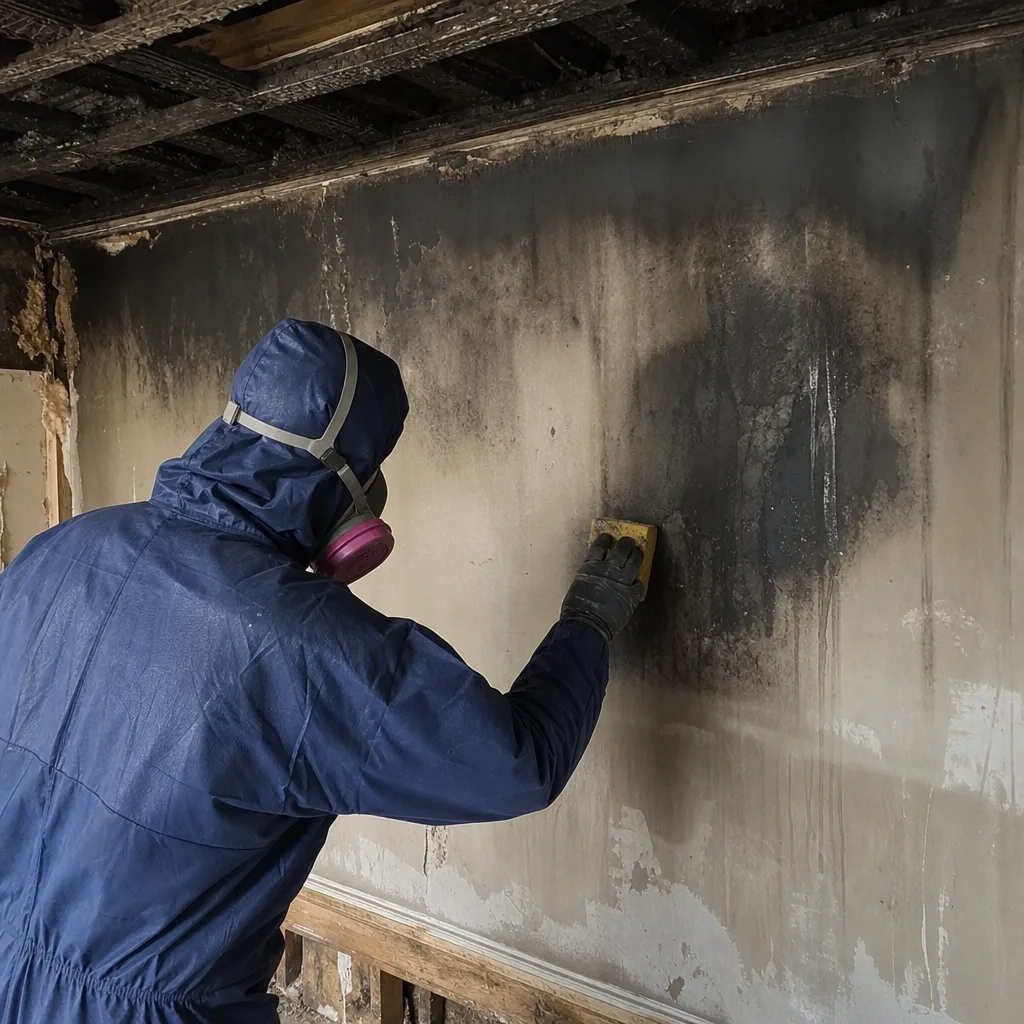
Moisture & Humidity Control
Remediation fails if the moisture source persists. We identify and document the root cause - whether it’s grading, drainage, HVAC imbalance, or plumbing failure - and specify corrective measures in every written scope. For recurring crawl space issues, we design permanent humidity control systems with remote monitoring.
What happens when you call
- 1
A real person answersNo phone trees - you reach a local pro.
- 2
You get an upfront price rangeHonest numbers before anyone is dispatched.
- 3
A background-checked tech heads outLicensed & insured, dispatched right away.
- 4
You approve before work beginsNothing starts until you say go.
Mold Remediation Costs in Orange, CA
A typical mold inspection and testing package in Orange runs $350-$650. Contained, single-room mold removal on standard drywall and framing ranges $1,800-$3,200. Whole-room remediation with substrate replacement in Old Towne historic properties, including preservation-review documentation and plaster-profile matching, typically runs $4,500-$8,500. Extensive crawl space treatment with vapor barrier installation and permanent dehumidification can reach $6,000-$12,000.
What moves the price: affected square footage, material type (drywall removal vs. lath-and-plaster preservation), asbestos abatement requirements, and whether the moisture source requires plumbing or drainage repair. Insurance typically covers mold remediation when it results from a covered water loss, but policies vary on mold caps and secondary damage exclusions. We review your policy language and document the loss origin to support your claim. Haven Standard, Clause 1: your written price is delivered before any work starts, with no exceptions. Call (657) 212-2570 for a free visual inspection and firm scope.
We Also Serve Cities Near Orange
Our crews respond throughout central Orange County, including Orange and neighboring Santa Ana, Villa Park, Tustin, and Irvine. Dispatch and scheduling are coordinated from our Los Angeles office; technicians serve each city locally with the same 45-minute response commitment, live phone coverage, and documentation standards.
Serving Orange, CA - Our Local Coverage Area
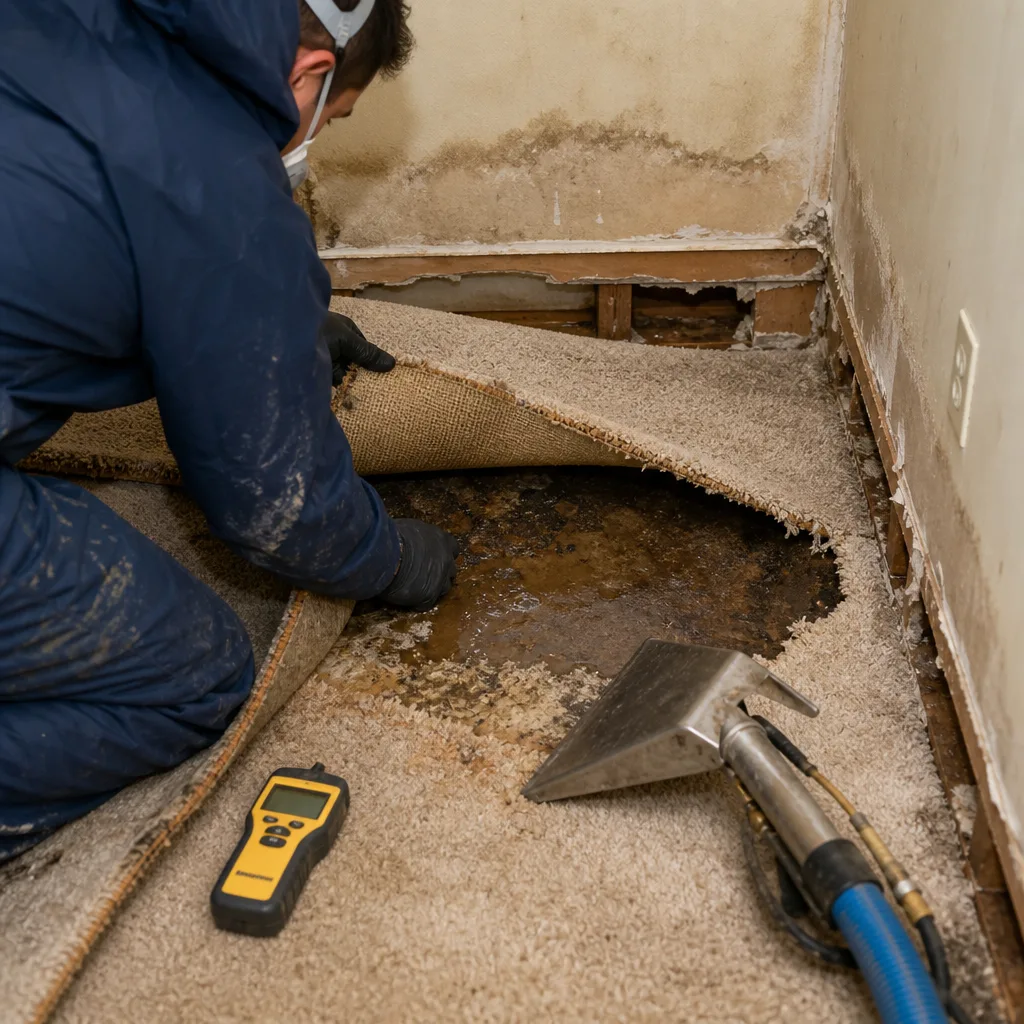
We’re based in the Orange area and know this community well. Use the map below to see our service coverage - if you’re nearby, we can almost certainly help.
Orange Mold Remediation Questions, Answered
Does mold remediation in an Old Towne Historic District bungalow require City historic preservation review before rebuild?
Yes, if the structure is a contributing building to the National Register district. The City of Orange’s Historic Preservation Ordinance requires that replacement materials match the original plaster profile and that documentation be submitted for review before final rebuild. We handle this documentation as part of our standard scope, including daily drying logs and material specifications. Call (657) 212-2570 for a free inspection and written price.
How fast can mold grow in an Orange home after a hidden leak?
Mold can begin colonizing on wet drywall and organic substrates within 24 to 48 hours of moisture intrusion. In eastern Orange during Santa Ana wind events, low humidity desiccates surface moisture while trapping it inside wall cavities, creating hidden conditions where mold grows undetected. Early moisture mapping is the only way to catch it before visible growth appears. Call (657) 212-2570 for same-day inspection.
Do mid-century tract homes in Orange have materials that complicate mold remediation?
Yes. The 1950s-1970s concrete-slab homes across Orange’s flatlands frequently contain asbestos-era floor tiles, mastic adhesives, and insulation that require certified testing and abatement before any invasive remediation or reconstruction work can legally begin. We coordinate this testing in our initial scope so there are no work stoppages mid-job. Call (657) 212-2570 for a free visual inspection.
If a burst pipe in my Old Towne bungalow is Category 2 or 3 water, can the plaster and fir framing be dried in place?
Sometimes, but Category 2 and 3 water introduce contaminants that may make porous substrates like horsehair plaster unsalvageable per IICRC standards. We test moisture content, assess contamination level, and document our recommendation in writing before any demolition decision. When preservation is possible, we use Injectidry mat drying and HEPA-contained cleaning rather than removal. Call (657) 212-2570 for assessment and a written scope.
What mold remediation steps do you use for a crawl space under a Santiago Hills-area home?
We establish containment at the access point, remove contaminated vapor barriers and insulation, HEPA-vacuum and treat framing with antimicrobial, then install a sealed vapor barrier and permanent dehumidification system sized to the crawl space volume. We also identify and repair the moisture source - typically groundwater intrusion or degraded galvanized supply lines - to prevent recurrence. Call (657) 212-2570 for a free crawl space inspection.
Will my insurance cover mold remediation in Orange?
Insurance typically covers mold remediation when it results from a sudden, accidental water loss like a burst pipe or appliance failure, but many policies have mold caps or exclude long-term leaks. We document the loss origin, produce line-item scopes in industry-standard format, and coordinate directly with your adjuster to maximize covered recovery. Call (657) 212-2570 and we’ll review your situation at no charge.
How long does mold remediation take in Orange?
Most contained, single-room jobs complete in 3-5 days including drying time. Old Towne historic properties add 5-10 business days for City preservation review and specialized subcontractor scheduling. Crawl space treatments with permanent dehumidification installation typically run 5-7 days. We provide a written timeline with your written price before work begins, Haven Standard, Clause 1. Call (657) 212-2570 for specifics on your property.
Can my family stay in the home during mold remediation?
For small, contained areas with negative-pressure isolation and HEPA air scrubbing, occupants often remain in unaffected portions of the home. For extensive contamination, toxigenic species, or when HVAC systems cannot be isolated, we recommend temporary relocation until clearance testing confirms safe reoccupancy. We discuss this during the free inspection and specify any relocation need in your written scope. Call (657) 212-2570 to schedule.
We were called to a 1918 Craftsman bungalow near the Plaza in Old Towne after a galvanized supply line let go behind a kitchen wall; moisture mapping and moisture readings showed the water had wicked into horsehair plaster and the original old-growth Douglas fir framing, and the long-running slow leak had already fed visible mold growth on the lath. Because the home is a contributing structure, we set containment, ran antimicrobial treatment and Injectidry mat drying on the plaster cavity instead of demoing to drywall, logged daily drying logs for the City’s preservation review, and matched the plaster profile on the small area we did have to replace so it would pass inspection.
Written by Alicia Brennan, Owner at Back to Dry Restoration, serving Orange since 2011.
Mold Remediation in Nearby Areas