Free visual inspection and a written scope of work before any mitigation begins - photos, moisture readings, and drying logs go in your claim file
The scope we write is the scope we bill. Anything new gets shown to you, in writing, before we touch it.
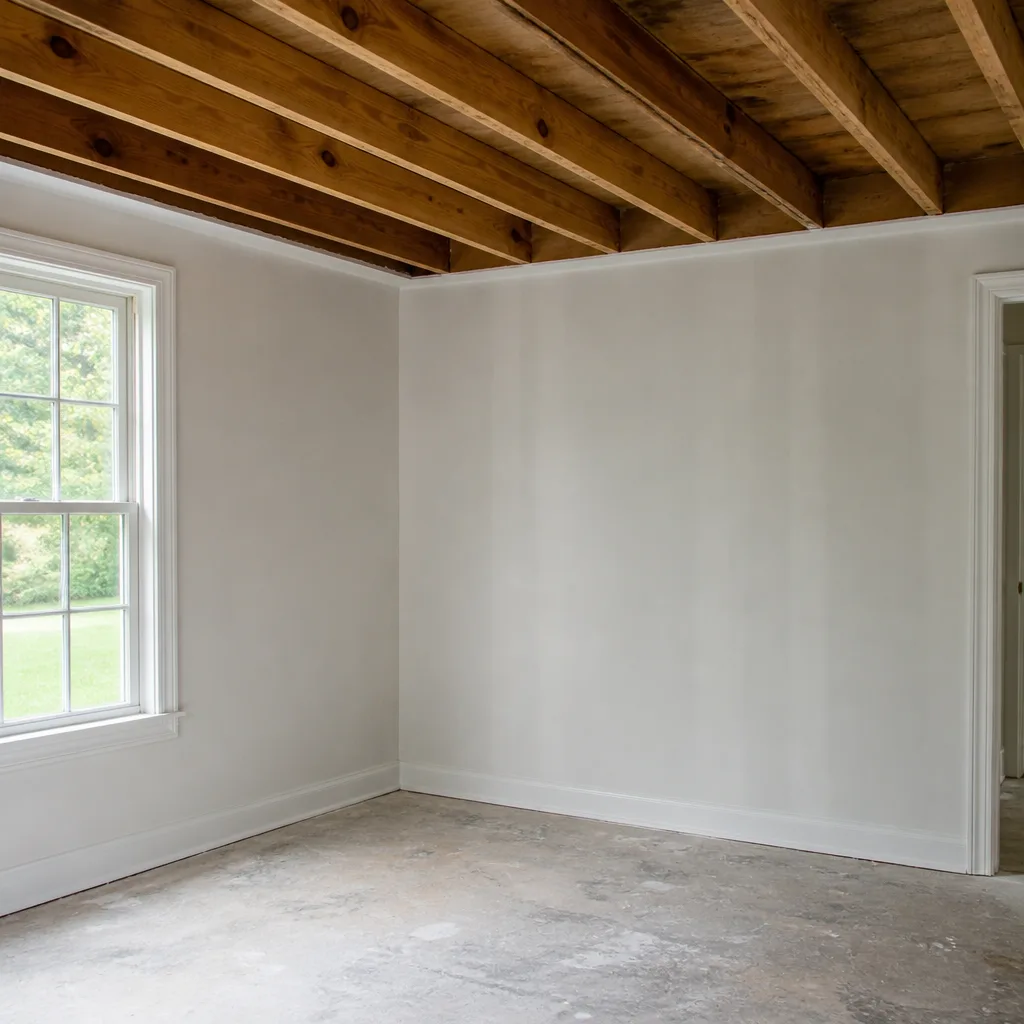
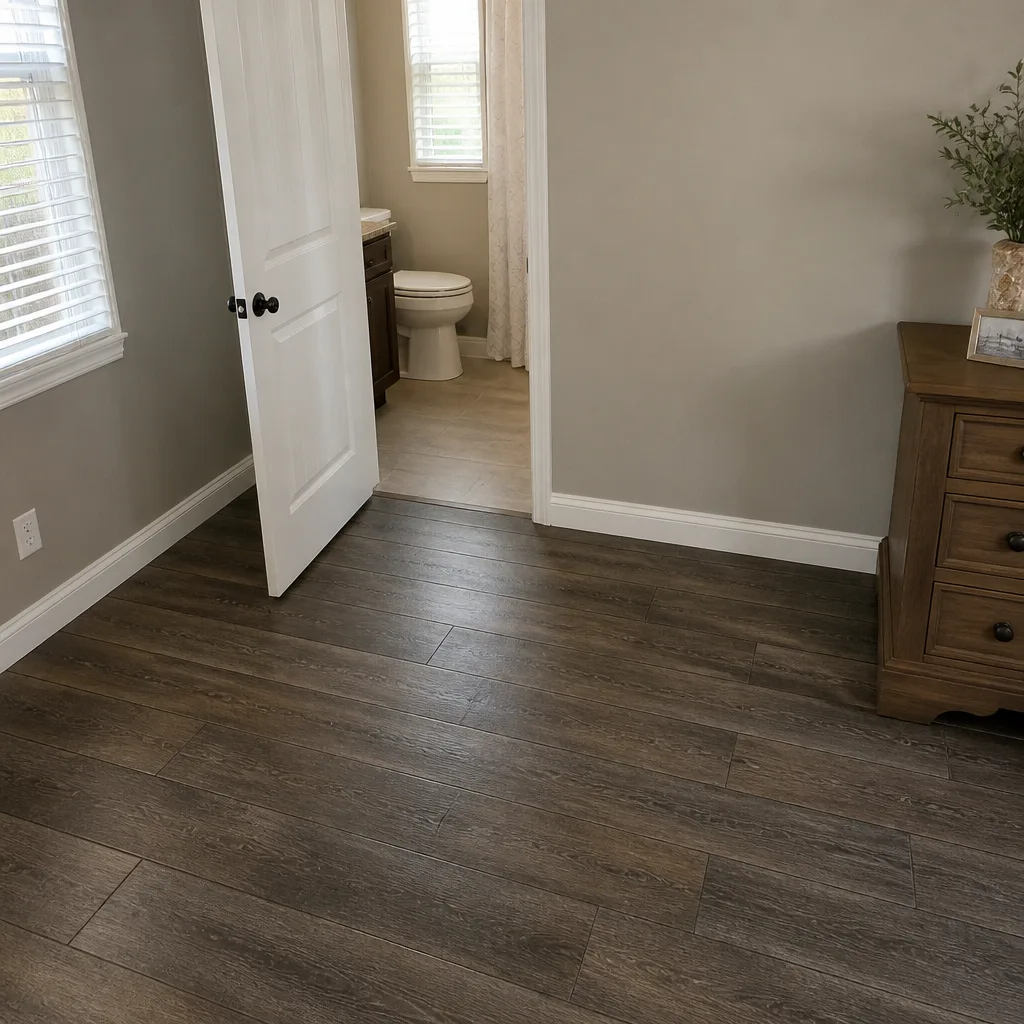

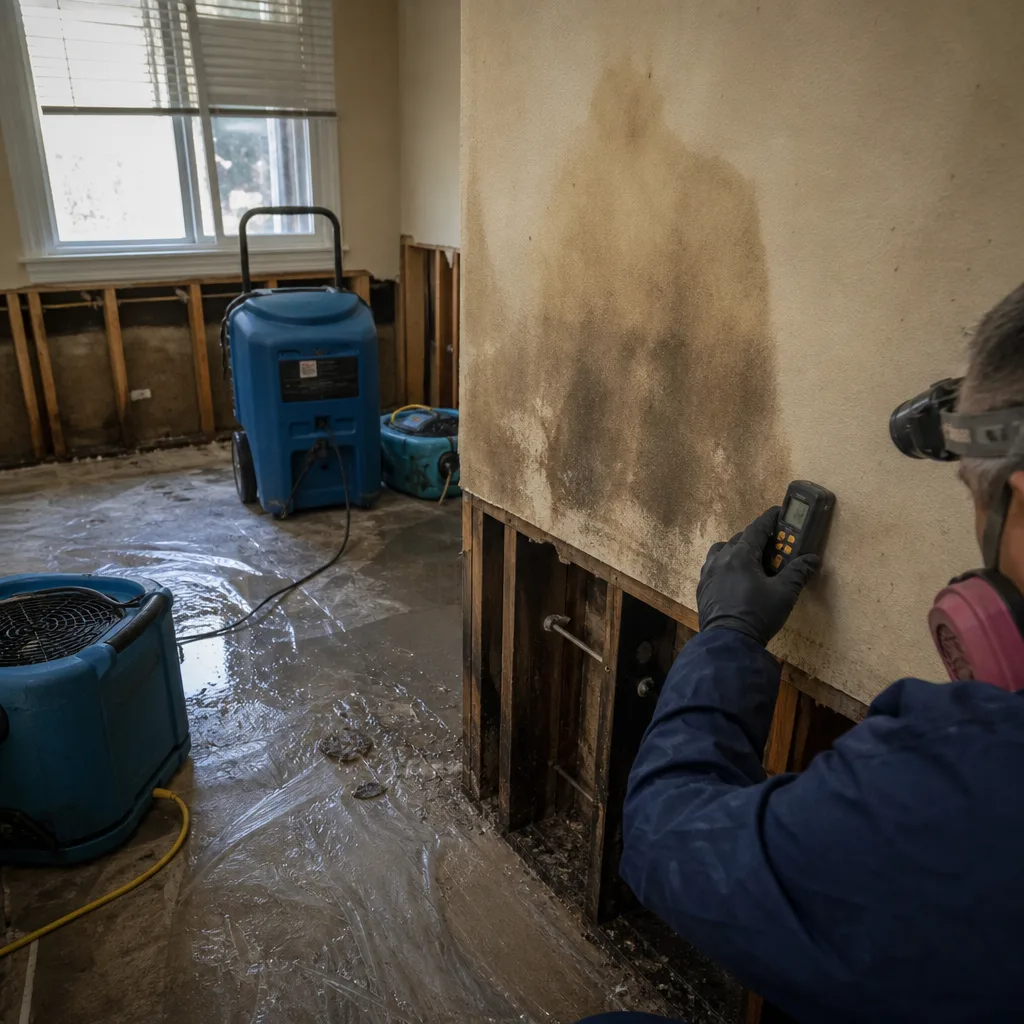 Before
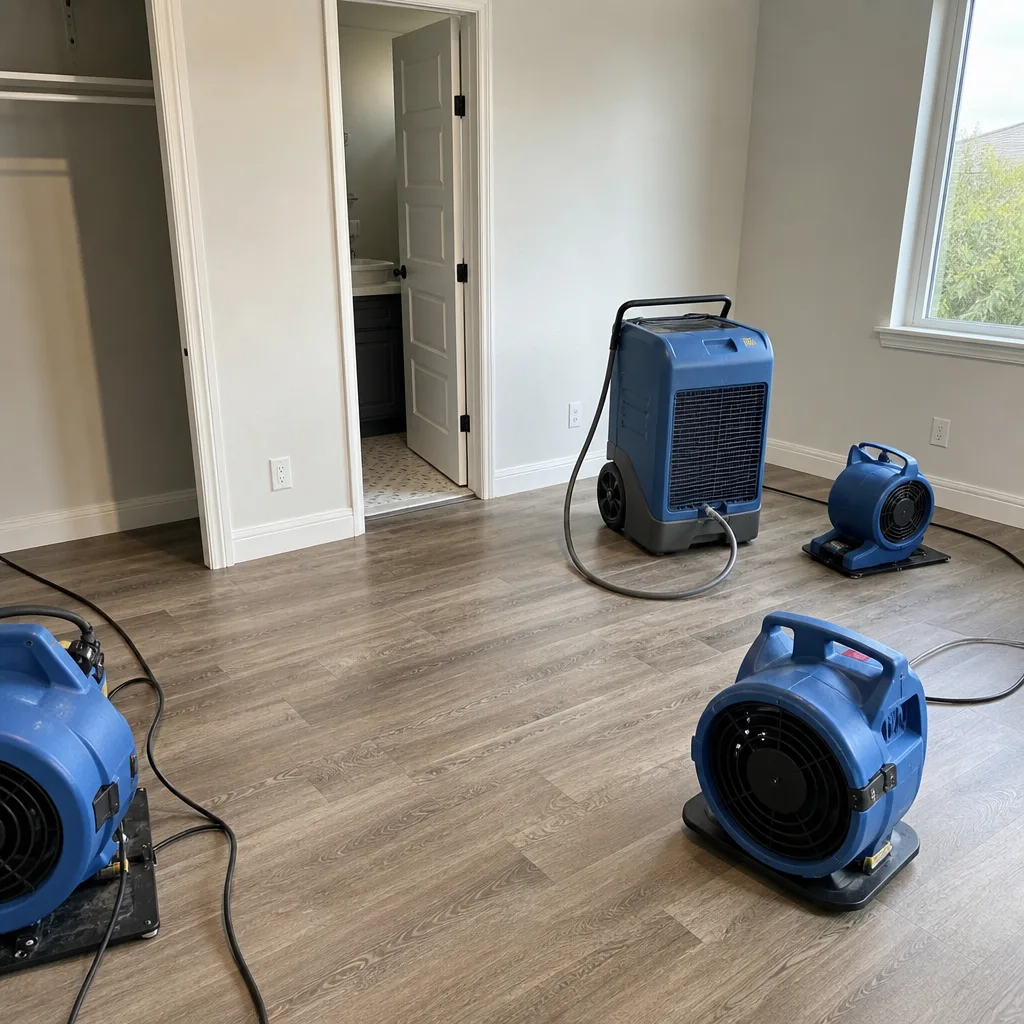 After
After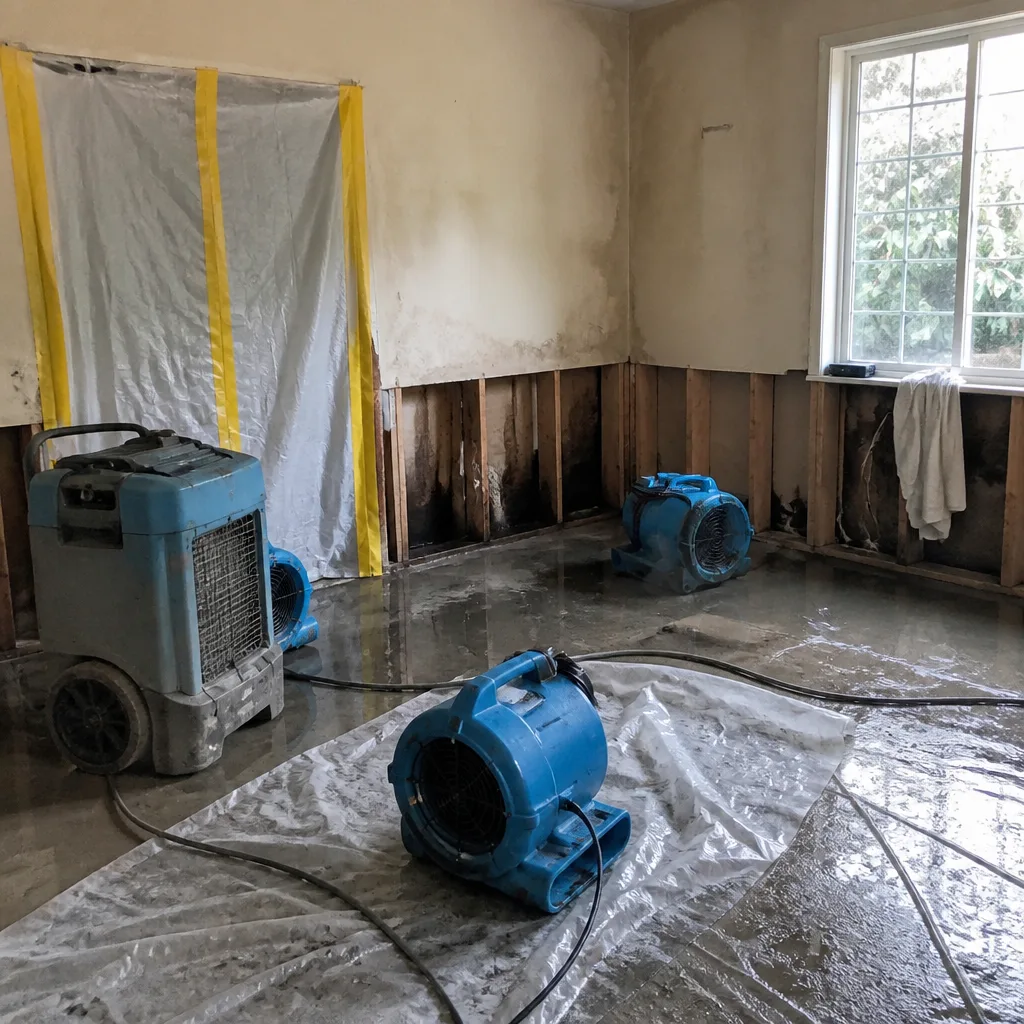 Before
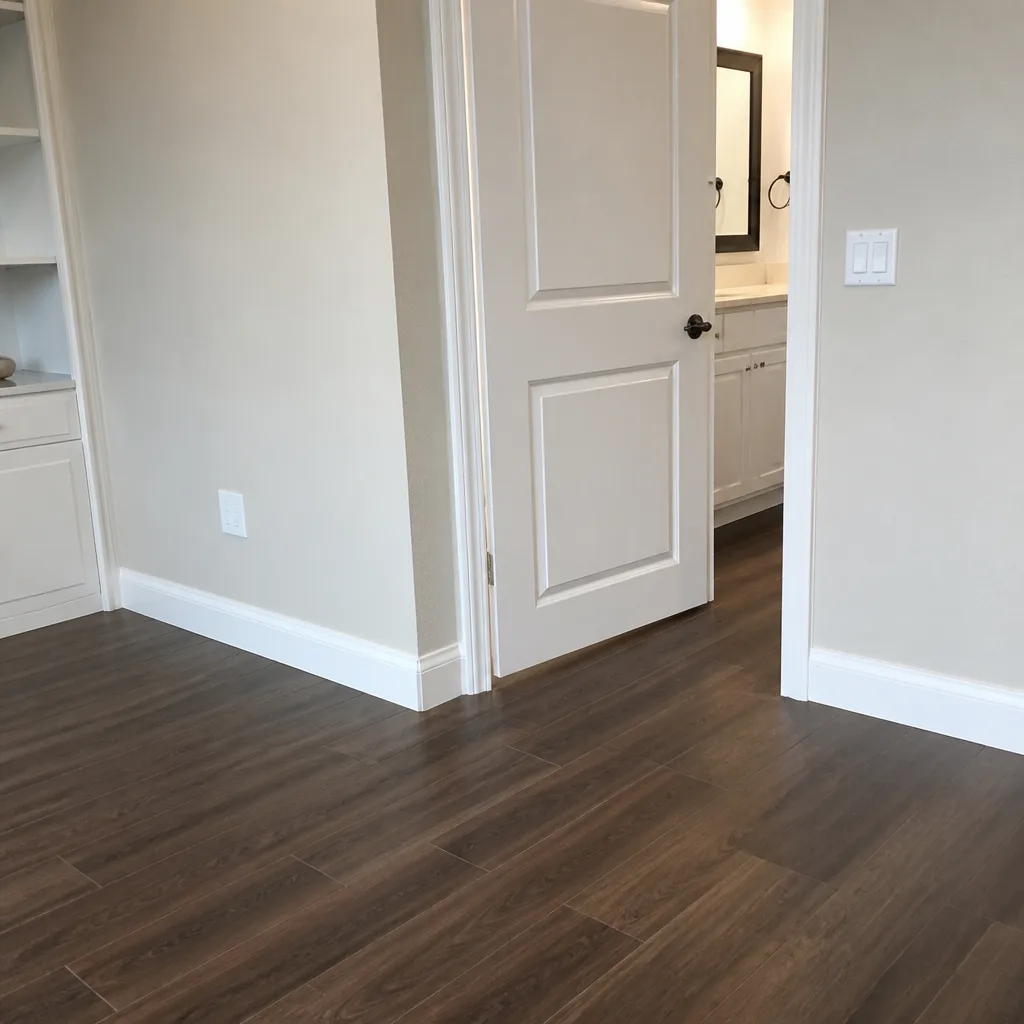 After
After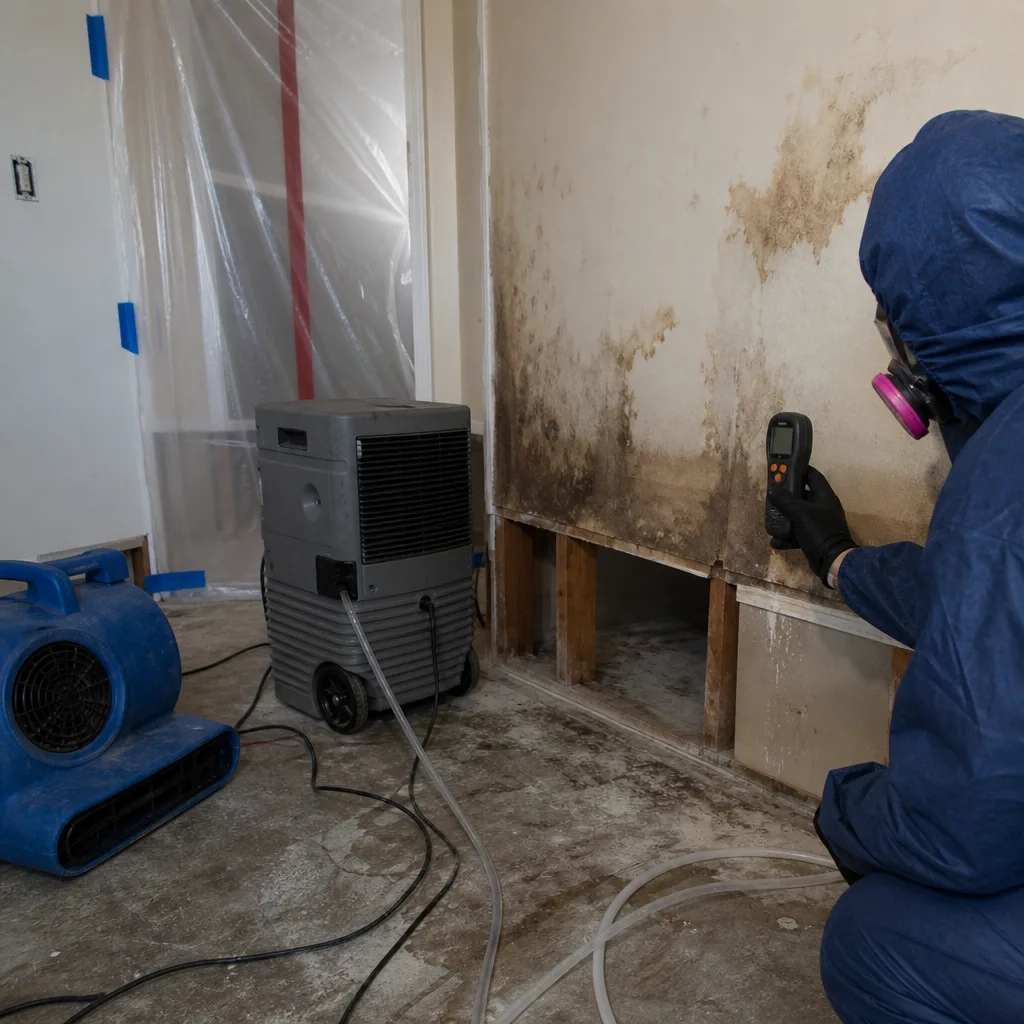 Before
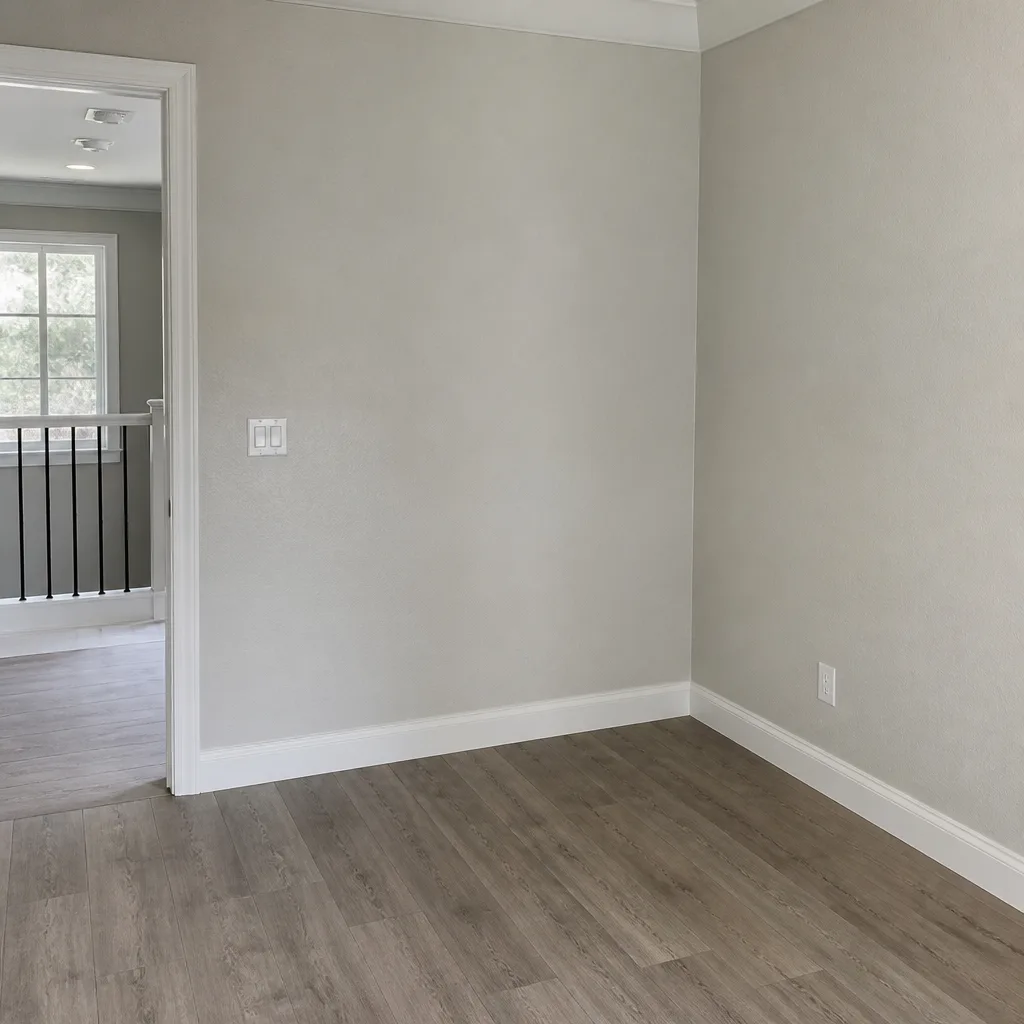 After
After24/7 Emergency Fire & Smoke Damage Restoration in Fountain Valley
Fire damage in a Fountain Valley home rarely ends when the flames go out. Smoke keeps moving, soot keeps settling, and suppression water keeps wicking into materials for hours after the trucks leave. If you’re standing in that aftermath now, call (657) 212-2570. We answer live, 24 hours a day, with no voicemail trees and no next-business-day callbacks while your home keeps absorbing damage.
Our crews dispatch throughout Fountain Valley from our Los Angeles office, typically arriving within 45 minutes of your call. The first hour determines whether smoke residues set permanently into drywall and framing, whether suppression water reaches subflooring, and whether your contents can be restored or must be replaced. We perform a free visual inspection on arrival, document everything with photos, and deliver a written scope and price before any work begins. Haven Standard, Clause 1.
Understanding Fire & Smoke Damage Restoration Severity in Fountain Valley Properties
Fire damage severity in Fountain Valley is shaped by two forces: the fire itself and the water used to stop it. Soot residue types range from dry particle soot (easily wiped from non-porous surfaces) to wet, oily residues that bond with paint and plastics, requiring alkaline-based cleaners and HEPA vacuuming. Protein fires from kitchen grease leave nearly invisible but pungent residues that demand enzyme treatments. Smoke migration follows pressure differentials and HVAC pathways, pushing contaminants into wall cavities, attics, and rooms far from the origin.
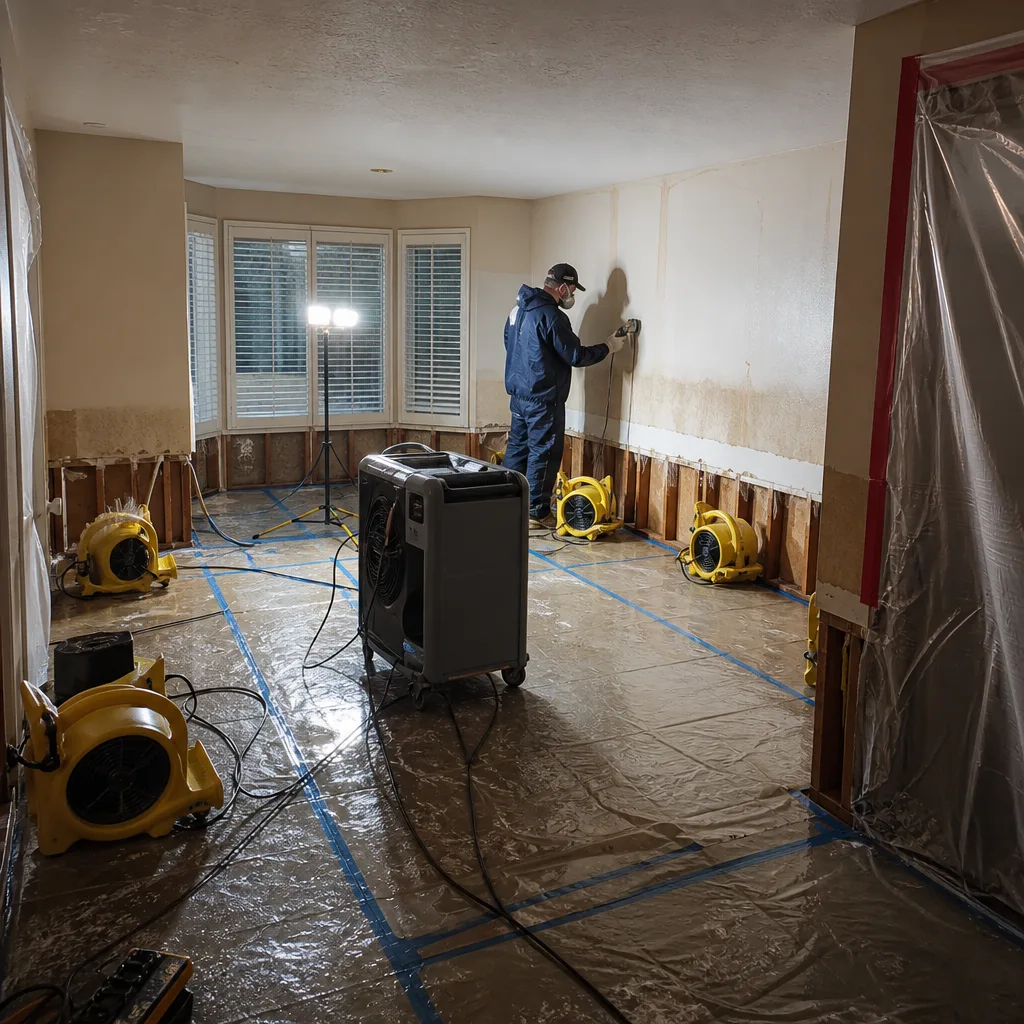
Fountain Valley’s housing stock compounds these challenges. The city’s 1957-1970s slab-on-grade tract homes feature low-slope ceilings, minimal attic ventilation, and original copper supply lines now corroded by decades of hard Colorado River water. Suppression water travels horizontally along slab surfaces and upward through settled hairline cracks, loading wall cavities that appear dry from the outside. Our crews use thermal imaging to map migration paths, then establish containment and negative air pressure with HEPA scrubbers before demolition begins. Without this protocol, hidden moisture triggers secondary mold in 48-72 hours, accelerated by Fountain Valley’s persistent coastal marine layer humidity.
Why Fountain Valley Property Owners Choose DryMark Restoration Irvine
- 45-minute response commitment to Fountain Valley addresses, with crews staged for the Mile Square Park corridor and Slater Avenue corridor.
- 24/7 live answer - a real person, never an automated system, on every call at every hour.
- IICRC-certified crews holding FSRT (Fire & Smoke Restoration Technician) and WRT (Water Damage Restoration Technician) certifications, with AMRT (Applied Microbial Remediation Technician) credentials for secondary mold prevention.
- Free visual inspection with photo documentation before any commitment or contract.
- Direct insurance billing with adjuster coordination and line-item estimates built to Xactimate standards.
- One team from board-up to rebuild - no handoffs between mitigation contractors and reconstruction crews that lose institutional knowledge of your home’s condition.
 Before
 After
AfterOur Fire & Smoke Damage Restoration Process
1. Inspection & Assessment
We document the full loss perimeter with photo records, thermal imaging, and moisture mapping. In Fountain Valley slab homes, we pay particular attention to slab-edge readings and wall-cavity humidity, since suppression water migrates differently here than in raised-foundation properties. You receive a written scope and firm price before any work begins.
2. Emergency Board-Up & Tarping
Broken windows, compromised roofing, and exposed framing get secured immediately to prevent weather intrusion and unauthorized entry. Our board-up materials are rated for Fountain Valley’s coastal wind exposure and marine-layer moisture.
3. Contents Pack-Out & Cleaning
Salvageable contents are inventoried, photographed, and transported to our cleaning facility for ultrasonic, ozone, or dry-cleaning treatment depending on contamination type. Non-salvageable items are documented for insurance replacement with SKU-level detail.
4. Smoke & Soot Removal
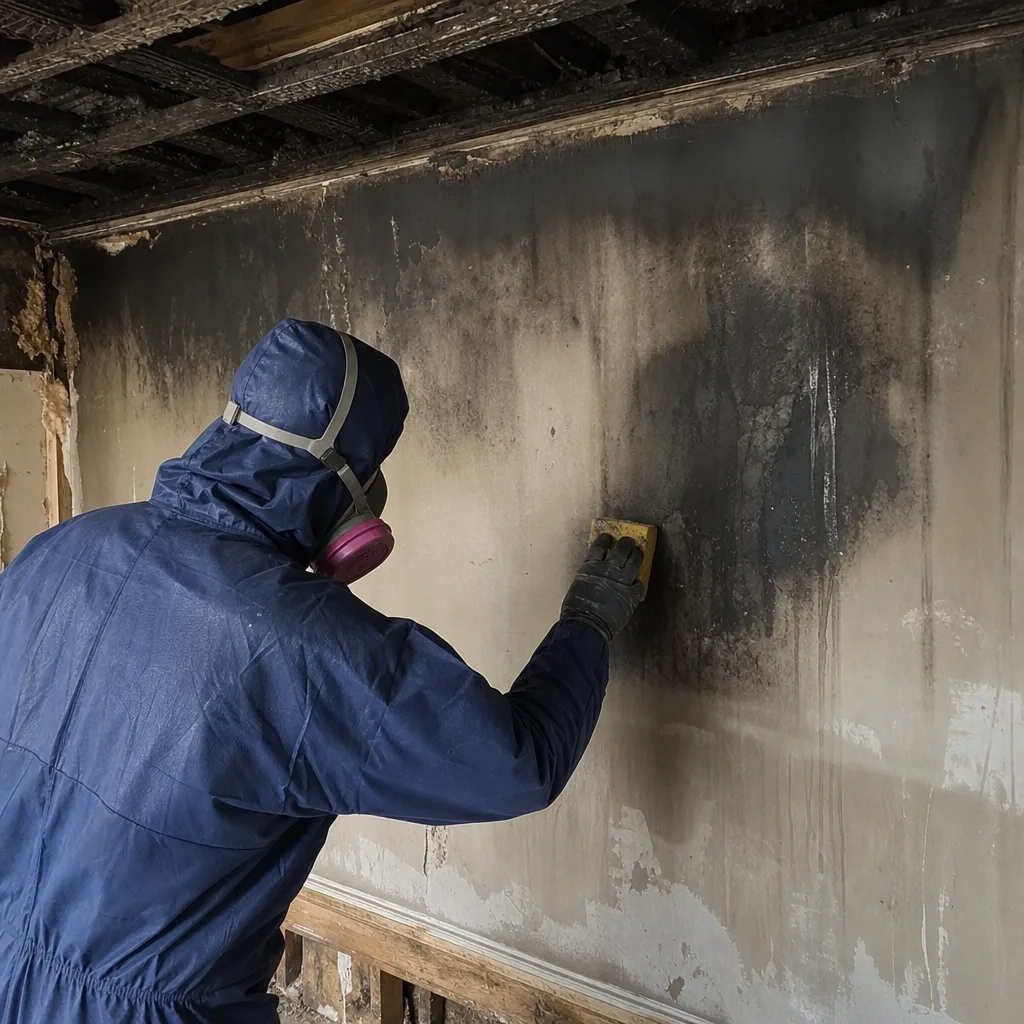
HEPA vacuums, chemical sponges, and alkaline cleaners remove residues by surface type. We deploy Phoenix and Dri-Eaz HEPA air scrubbers to capture airborne particulates during the process. In Fountain Valley’s older homes with original textured ceilings, we test for asbestos before any abrasive cleaning.
5. Structural Drying & Moisture Barrier Treatment
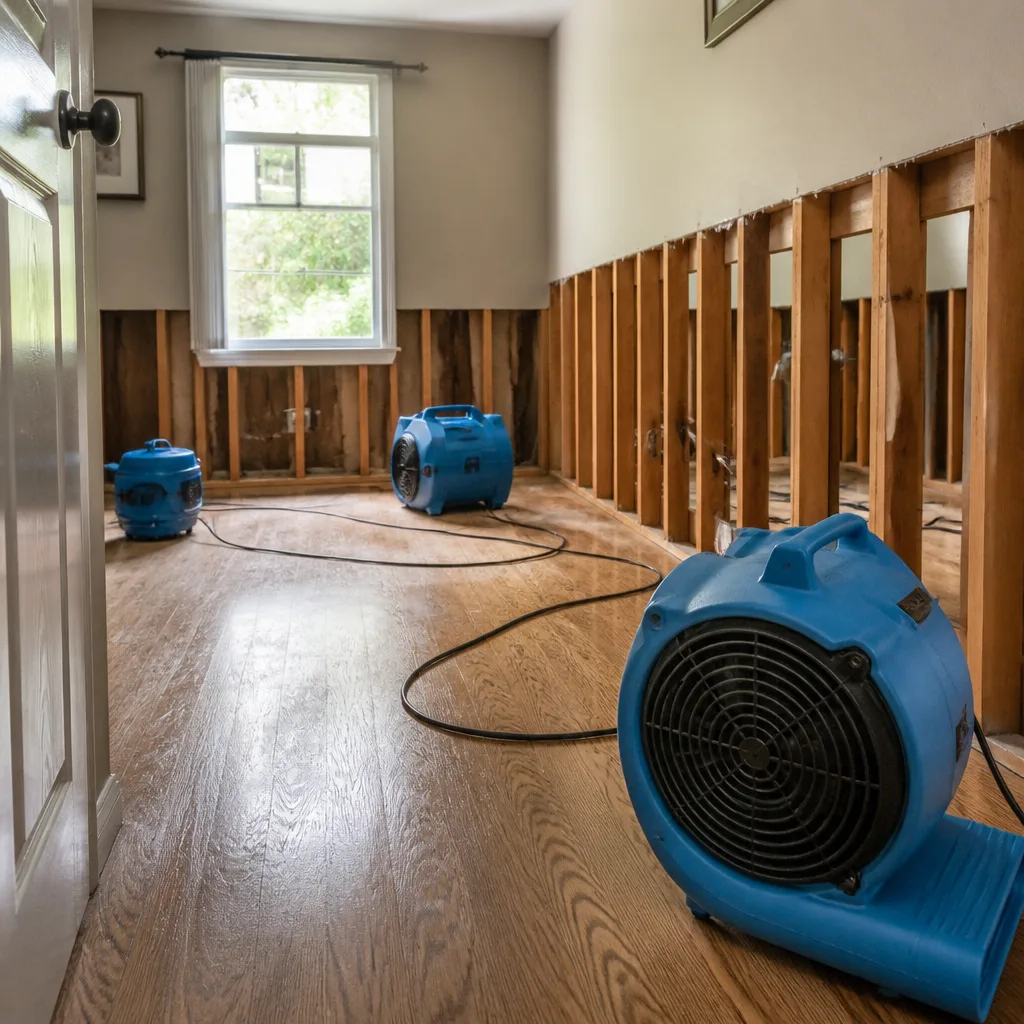
Air movers and dehumidifiers from Dri-Eaz and Phoenix dry framing and subflooring to IICRC standards. Because Fountain Valley’s high water table wicks moisture upward through slab cracks, we monitor with daily moisture logs and add antimicrobial treatment plus a secondary moisture-barrier step before rebuild when readings dictate. Skipping this step is the most common callback trigger in this city.
6. Repairs & Restoration
Our reconstruction crews replace drywall, flooring, cabinetry, and finishes to match pre-loss condition. The 365-Day Done Right Promise applies to all work: if it’s not right, we make it right, documented under The Haven Standard.
Need Emergency Fire & Smoke Damage Restoration in Fountain Valley Now?
Crews minutes away, answering live 24 hours a day. The sooner we start, the less it costs.
Working With Your Insurance Company
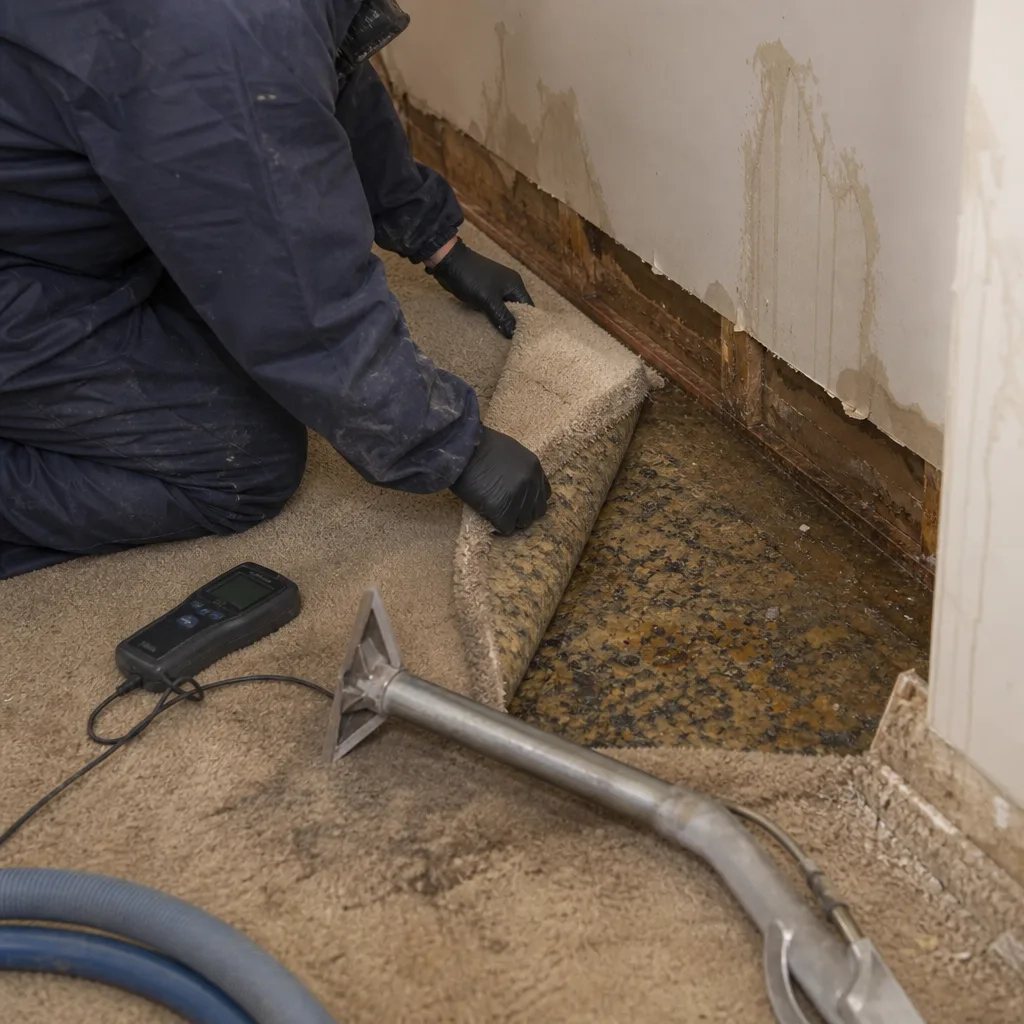
Insurance claims succeed or fail on documentation. We learned this from our founding: Alicia Brennan built Back to Dry in 2011 after years as a claims adjuster watching homeowners lose legitimate payouts to incomplete files. Every Fountain Valley fire job we handle begins with photo documentation in the first hour and continues with daily moisture logs, drying records, and line-item scopes written to industry-standard estimate formats.
We communicate directly with your adjuster, provide room-by-room photo records, and coordinate billing to reduce your out-of-pocket exposure. If you’ve received a competitor’s estimate, our Free Second Opinion service reviews it at no charge. We’ve found that unclear scopes written without Fountain Valley’s slab-and-water-table context frequently underestimate drying time and omit moisture-barrier treatment, leaving homeowners to cover callback costs.
What We Provide Your Insurer
- Thorough documentation of the loss
- Photos of all damage, room by room
- Moisture readings and drying logs
- A detailed, line-item scope of work
- Direct coordination with your carrier
Built for Fountain Valley’s Loss Calendar
Fountain Valley’s fire damage patterns follow distinct seasonal rhythms. Winter brings space-heater and fireplace incidents in original 1960s ranch homes with outdated chimneys and insufficient clearances. The holiday cooking season from November through January produces the year’s highest volume of kitchen grease fires, often in homes with original range hoods vented inadequately for modern high-BTU cooking.
Spring and summer add electrical fire risk as aging aluminum branch circuits in 1960s-1970s panels overheat under air-conditioning load. Santa Ana wind events, typically September through December, drive wildfire ember exposure and power-line ignition risk across Orange County’s wildland-urban interface, though Fountain Valley’s interior location provides more buffer than foothill communities. Year-round, the universal risk remains unattended cooking in the city’s dense concentration of single-family homes with original open-plan kitchens now serving multigenerational households.
Fire & Smoke Damage Restoration Across Fountain Valley’s Neighborhoods
Our Fire & Smoke Damage Restoration crews know Fountain Valley’s neighborhoods by their building eras and typical failure modes.
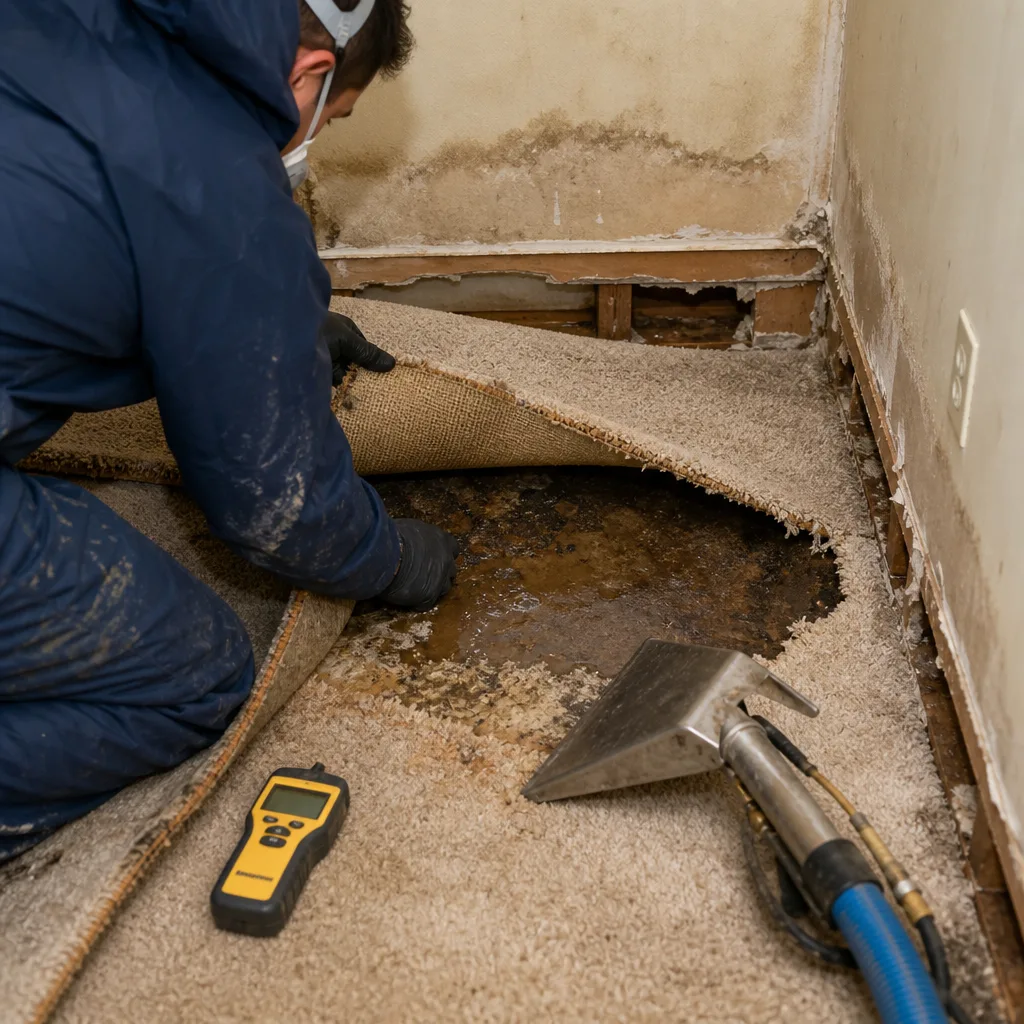
Mile Square Park area (Slater Avenue corridor): The 1960s ranches here show the full range of slab-on-grade fire challenges. At a 1964 home off Slater Avenue near Mile Square Park, a kitchen fire was knocked down fast but left wet char and Category 3 suppression water on a settled slab with hairline cracks. Our crew did emergency board-up, a full pack-out, and HEPA soot removal before setting Dri-Eaz air movers and dehumidification with containment. Even after extended structural drying, moisture mapping logged elevated readings from ground wicking rather than residual water. We added an antimicrobial treatment and moisture-barrier step before rebuild. This slab-and-water-table combination forces us to build that step into every Fountain Valley scope of work.
Green Valley and Newland Street corridors: Slightly newer 1970s tracts with original aluminum wiring and early GFCI-less kitchens. Post-fire inspections here frequently reveal pre-existing electrical deficiencies that must be remedied before occupancy restoration.
Bushard Street commercial corridor edges: Mixed-use properties with residential units above retail, requiring coordinated board-up that addresses both tenant security and business-interruption concerns.
Warner Avenue and Talbert Avenue corridors: Larger 1960s-1970s homes with original cathedral ceilings and minimal attic insulation. Smoke migration into vaulted ceiling cavities demands specialized access and cleaning protocols that standard drywall-ceiling approaches miss entirely.
Specialized Fire & Smoke Damage Restoration Services We Offer in Fountain Valley
Smoke & Soot Removal
Smoke residues vary by fuel source and temperature, and Fountain Valley’s older homes present every type. Dry soot from fast-burning paper and wood wipes from hard surfaces with HEPA vacuuming and chemical sponges. Wet, oily soot from slow, oxygen-starved fires bonds with paint and requires alkaline cleaners followed by thorough rinsing. Protein residues from kitchen fires are nearly invisible but intensely odorous, demanding enzyme digesters and often multiple treatment cycles. We identify residue type before selecting chemistry, then verify removal with surface pH testing.
Contents Cleaning & Pack-Out
Even a contained kitchen fire distributes acidic soot to every room through pressure differentials and HVAC circulation. Our pack-out teams inventory contents room by room with photo documentation, then clean salvageable items at our facility using ultrasonic immersion for non-porous items, ozone treatment for odor-impacted textiles, and specialized dry-cleaning for fine garments. Non-salvageable items receive SKU-level replacement documentation for your insurance claim. In Fountain Valley’s tight 1960s floor plans, pack-out also clears workspace for structural drying and prevents cross-contamination during the restoration process.
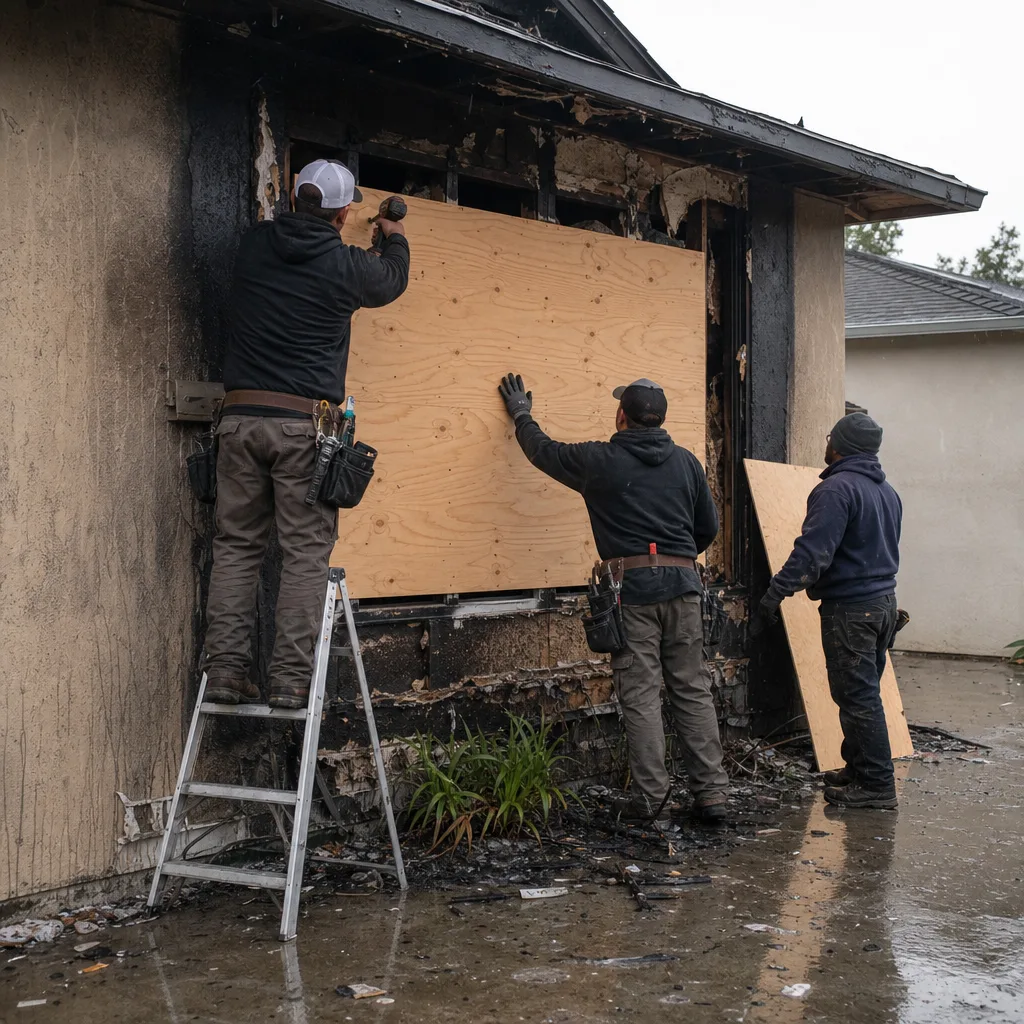
Emergency Board-Up & Tarping
Fire suppression often breaches windows, roofing, or exterior walls. Our board-up crews secure openings with weather-rated materials sized for Fountain Valley’s coastal wind exposure and marine-layer moisture. Temporary roof tarps are heat-sealed, not merely nailed, to withstand the persistent humidity that degrades lesser installations. Every board-up is photographed for insurance documentation and remains in place until permanent repairs are scheduled.
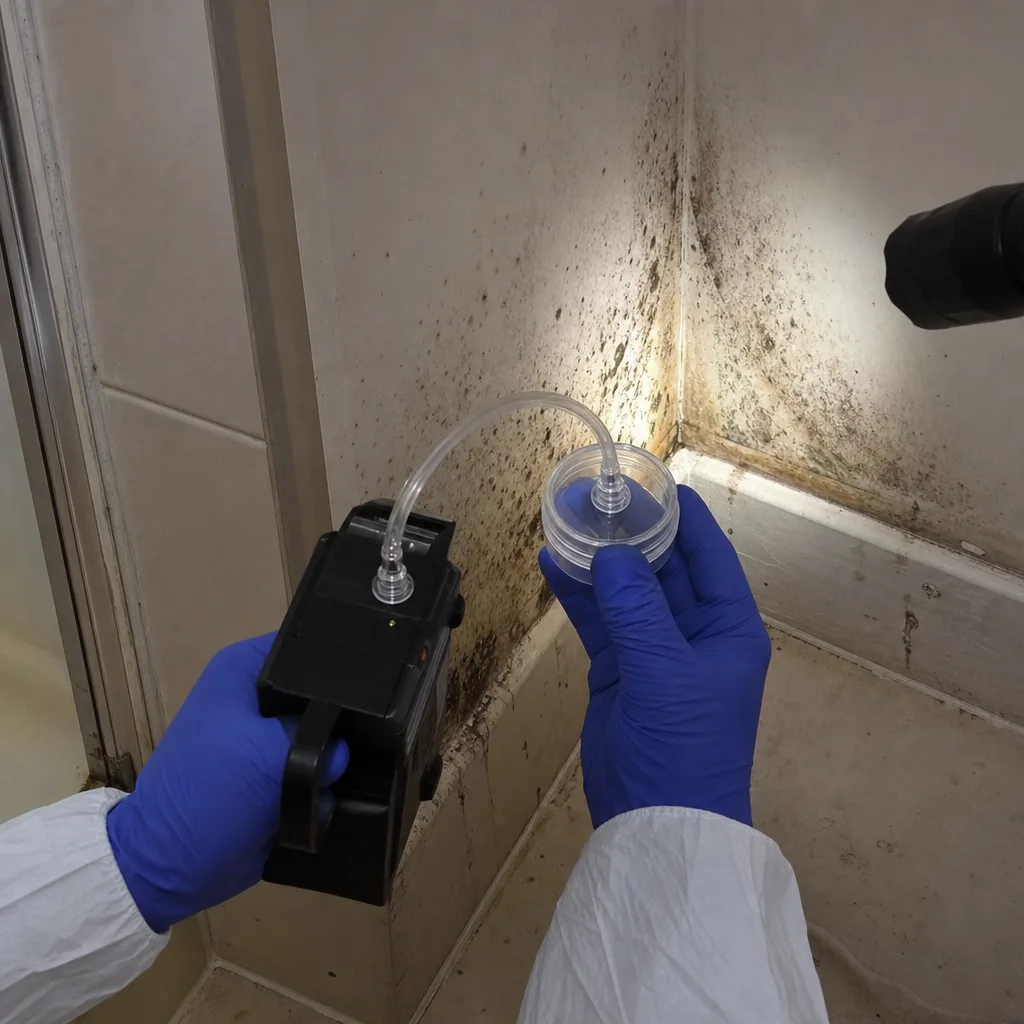
Odor Removal & Deodorization
Smoke odor persists when volatile organic compounds penetrate porous materials beyond surface reach. We deploy thermal fogging, ozone, and hydroxyl generators depending on contamination depth and occupancy status. In Fountain Valley’s older homes with original carpet pad and minimal wall insulation, odor often requires full pad replacement and sealant application to framing before new finishes install.
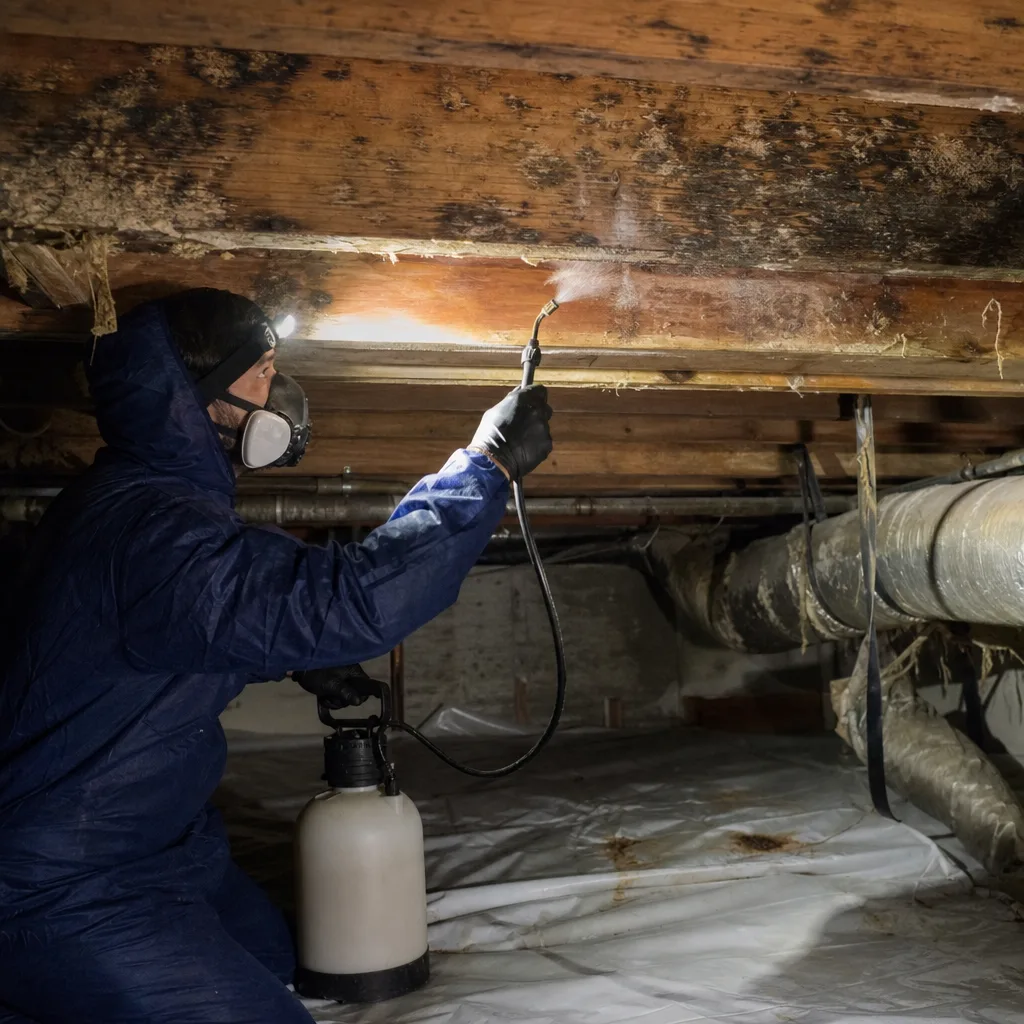
Fire Damage Cleanup
Structural cleanup addresses charred framing, compromised drywall, and damaged flooring. We test for asbestos in pre-1978 textured ceilings and lead in original painted trim before demolition. All debris is documented and disposed per California hazardous waste regulations.
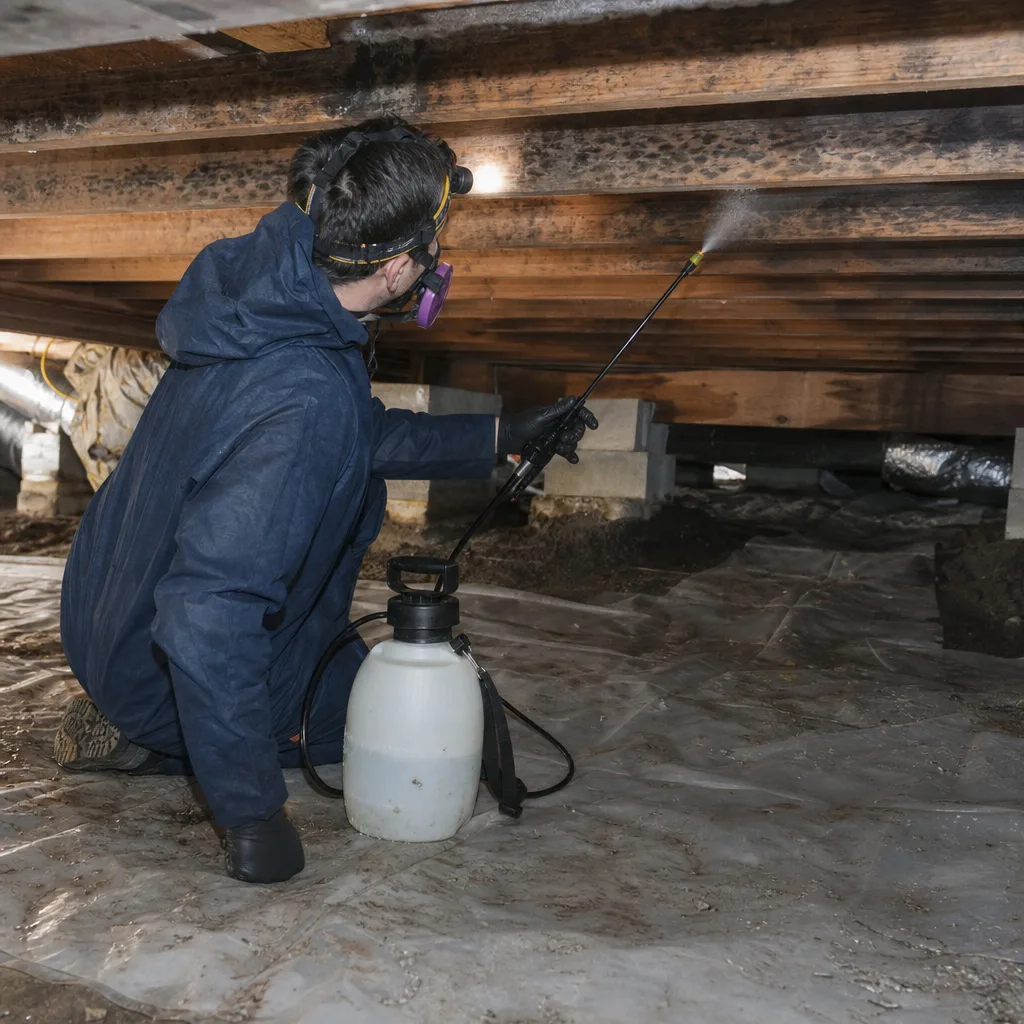
What happens when you call
- 1
A real person answersNo phone trees - you reach a local pro.
- 2
You get an upfront price rangeHonest numbers before anyone is dispatched.
- 3
A background-checked tech heads outLicensed & insured, dispatched right away.
- 4
You approve before work beginsNothing starts until you say go.
Fire & Smoke Damage Restoration Costs in Fountain Valley, CA
Actual pricing for Fire & Smoke Damage Restoration in Fountain Valley depends on fire size, suppression water volume, and the extent of contents affected. Based on our 12,000+ jobs since 2011, here are typical ranges for this market:
| Service | Typical Range in Fountain Valley |
|---|---|
| Emergency board-up & tarping | $800 - $2,400 |
| Contents pack-out (single-family home) | $1,200 - $4,500 |
| Smoke & soot removal (per affected room) | $900 - $2,800 |
| Structural drying with moisture-barrier treatment | $2,500 - $7,500 |
| Odor removal & deodorization (whole house) | $1,500 - $5,000 |
| Contents cleaning & restoration | $800 - $3,500 |
| Full reconstruction (kitchen fire, typical) | $15,000 - $55,000 |
What moves the price: square footage affected, residue type (protein fires cost more to deodorize than dry soot), asbestos or lead abatement requirements, and whether the slab condition requires extended drying plus moisture-barrier treatment. Most homeowner policies cover sudden accidental fire damage, including smoke and water damage from suppression, subject to your deductible. We provide a written price before work starts on every job, with no scope-creep additions once our crew is inside. Haven Standard, Clause 1. Call (657) 212-2570 for a free inspection and exact quote.
We Also Serve Cities Near Fountain Valley
Our crews respond throughout central Orange County, including Costa Mesa to the south, Santa Ana to the northeast, Newport Beach to the southwest, and Tustin to the east. Each city presents distinct construction eras and environmental conditions that shape our restoration approach, but Fountain Valley’s high-water-table slab construction remains uniquely challenging among them.
Serving Fountain Valley, CA - Our Local Coverage Area
We’re based in the Fountain Valley area and know this community well. Use the map below to see our service coverage - if you’re nearby, we can almost certainly help.
Fountain Valley Fire & Smoke Damage Restoration Questions, Answered
Does a fire in a Fountain Valley slab-on-grade home dry out differently than one in a neighboring city?
Yes. Fountain Valley’s water table sits just 2-4 feet below grade, and decades of slab settlement have opened hairline cracks that wick ground moisture upward continuously. A fire scene in Garden Grove or Westminster on similar construction may certify dry in a standard timeline that fails here. Our crews build secondary moisture-barrier treatment into every Fountain Valley scope when slab readings indicate ground wicking. Call (657) 212-2570 for a free inspection.
My Fountain Valley house was built in the early 1960s - is post-fire smoke damage worse in that setup?
Older construction often makes smoke damage harder to remediate, not necessarily worse in volume. Original textured ceilings may contain asbestos, requiring abatement before cleaning. Minimal attic insulation and unsealed wall cavities allow deeper smoke penetration. Original aluminum wiring and corroded copper supply lines may need replacement before occupancy restoration. We test for hazardous materials and document pre-existing deficiencies during initial inspection. Call (657) 212-2570 for a free inspection.
Why would a fire damage job need a pack-out if the fire was only in one room?
Smoke migrates through pressure differentials and HVAC systems far beyond the fire origin. In Fountain Valley’s compact 1960s floor plans with central hallway returns, smoke frequently contaminates bedrooms and living spaces that appear unaffected. Pack-out clears workspace for structural work, prevents cross-contamination during cleaning, and allows contents to be assessed and treated off-site while drying proceeds. Call (657) 212-2570 for a free inspection.
How fast does mold start after fire-suppression water in a Fountain Valley home?
24 to 48 hours. Fountain Valley’s coastal marine layer keeps indoor relative humidity elevated year-round, compressing the mold colonization window compared to drier inland markets. Delayed pack-out, slow containment setup, or incomplete structural drying all risk secondary mold claims that complicate insurance coverage. We establish containment and begin drying within hours of arrival. Call (657) 212-2570 for immediate response.
Does the condition of my Fountain Valley slab affect the fire restoration estimate?
Yes. Settled slabs with visible cracking or a history of slab leaks require extended drying monitoring and often moisture-barrier treatment before flooring reinstall. We measure slab moisture at multiple points during initial assessment and include any necessary treatment in the written scope. Homes with no cracking and favorable readings may avoid this cost. Call (657) 212-2570 for a free inspection and exact quote.
Will my insurance cover fire and smoke damage restoration?
Most standard homeowner policies cover sudden accidental fire damage, including smoke remediation, water damage from suppression, and contents cleaning, subject to your deductible and policy limits. We document the loss thoroughly from the first hour, write line-item scopes to industry standards, and coordinate directly with your adjuster to minimize out-of-pocket exposure. Call (657) 212-2570 to discuss your specific policy.
How long does the full fire restoration process take?
Mitigation (board-up, pack-out, soot removal, drying) typically takes 5-14 days depending on suppression water volume and slab conditions. Reconstruction adds 2-8 weeks based on finish selections and permit requirements. We provide a written timeline with the initial scope and update it as conditions resolve. Call (657) 212-2570 for a free inspection and project-specific estimate.
Can we stay in our home during fire damage restoration?
Often not during initial mitigation. Air quality from soot and demolition debris, plus noise and utility interruptions, make occupancy unsafe or impractical. Once HEPA cleaning is complete and air scrubbers confirm safe particulate levels, limited occupancy may resume in unaffected zones. We communicate clearly at each phase transition. Call (657) 212-2570 to discuss your specific situation.
Fire damage in Fountain Valley demands more than standard restoration protocols. The city’s unique combination of high water table, aging slab-on-grade construction, and coastal humidity creates drying and mold challenges that generic approaches miss. Our crews build local knowledge into every scope, document every step for your insurance claim, and guarantee the result with a written 365-Day Done Right Promise under The Haven Standard.
Call (657) 212-2570 now. We answer live, 24 hours a day, and a crew is typically on-site in Fountain Valley within 45 minutes. Your free inspection includes photo documentation, moisture mapping, and a written price before any work begins.
Written by Alicia Brennan, Owner at Back to Dry Restoration, serving Fountain Valley since 2011.
Fire & Smoke Damage Restoration in Nearby Areas