
Last updated September 23, 2026
Free visual inspection and a written scope of work before any mitigation begins - photos, moisture readings, and drying logs go in your claim file
The scope we write is the scope we bill. Anything new gets shown to you, in writing, before we touch it.
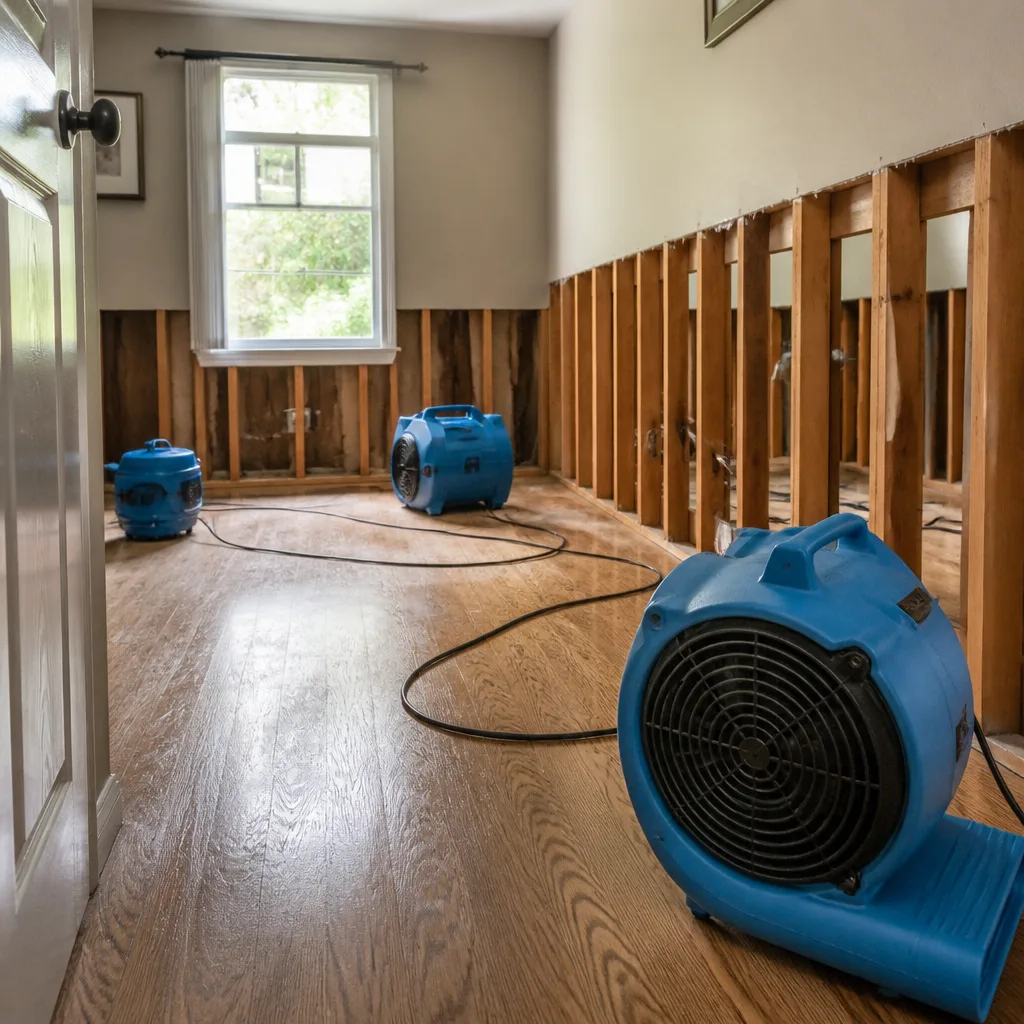
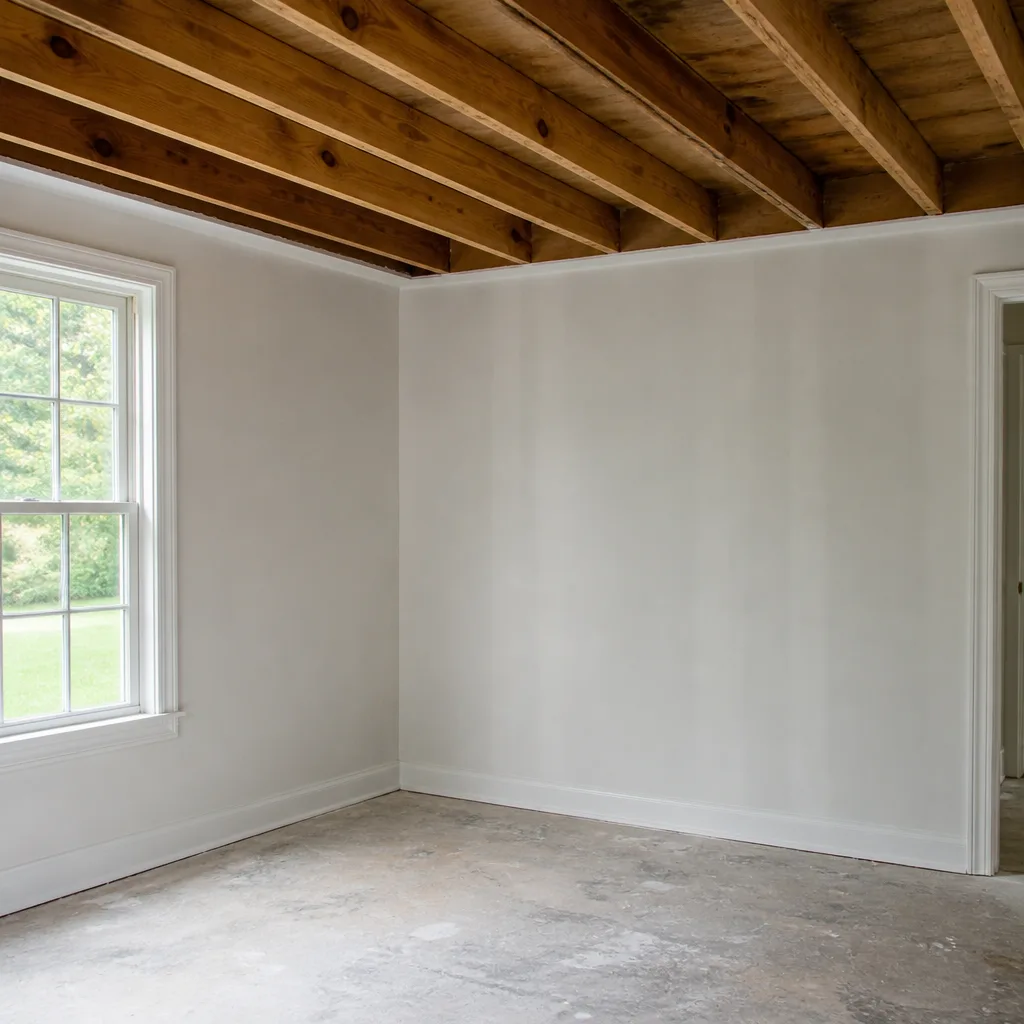
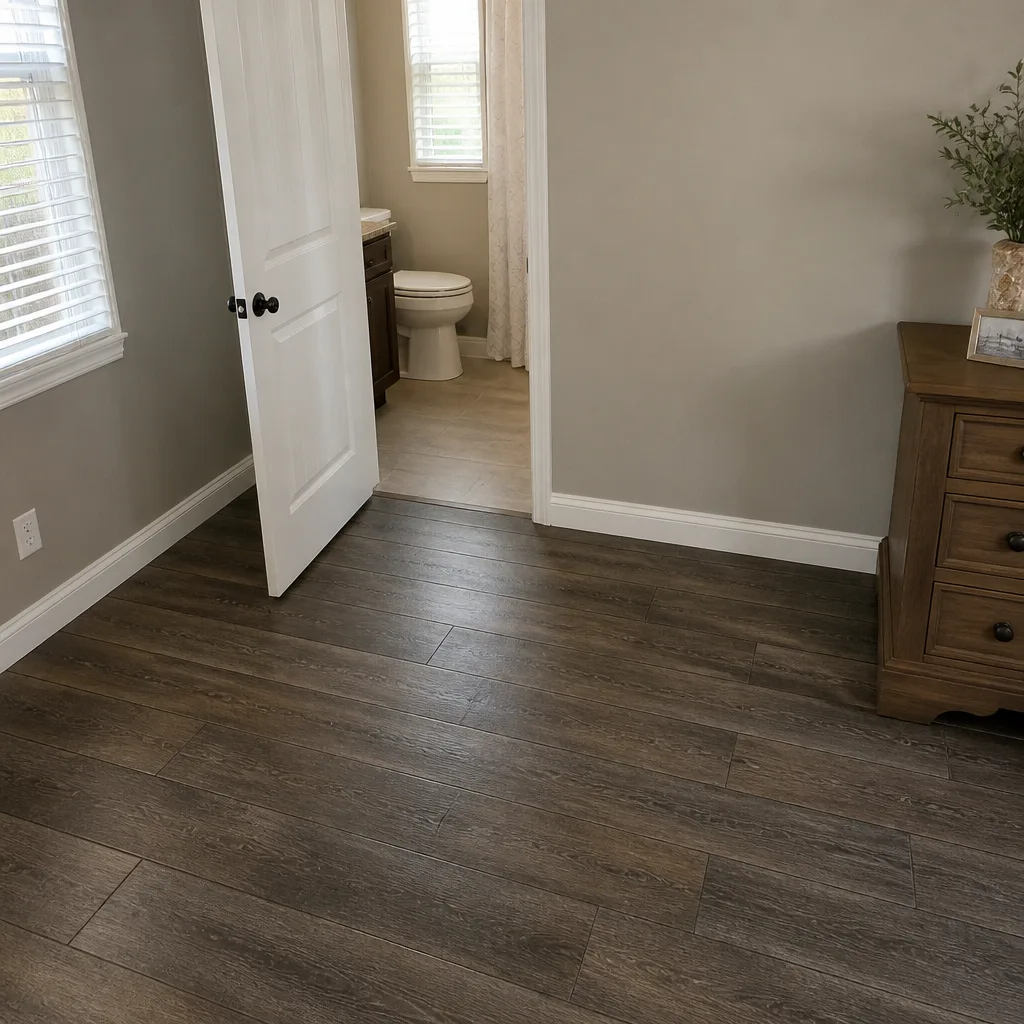
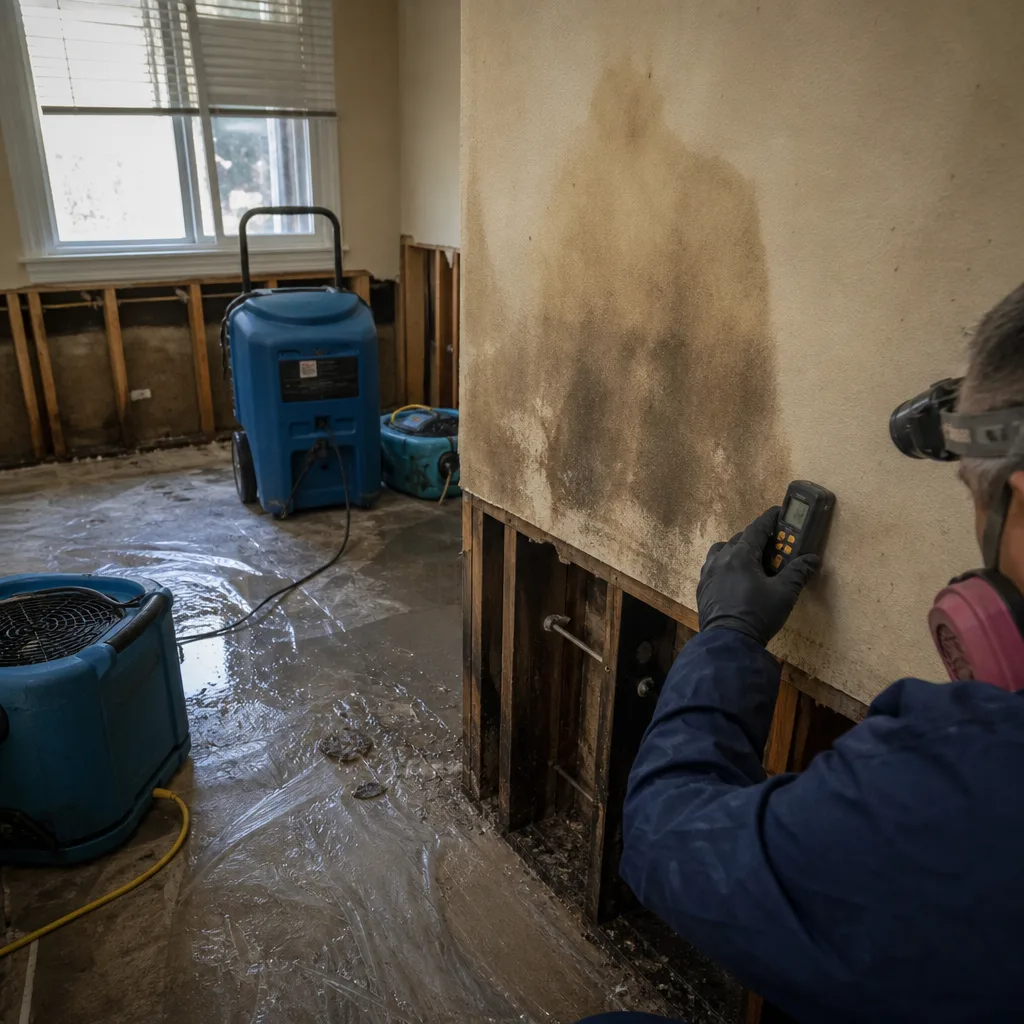 Before
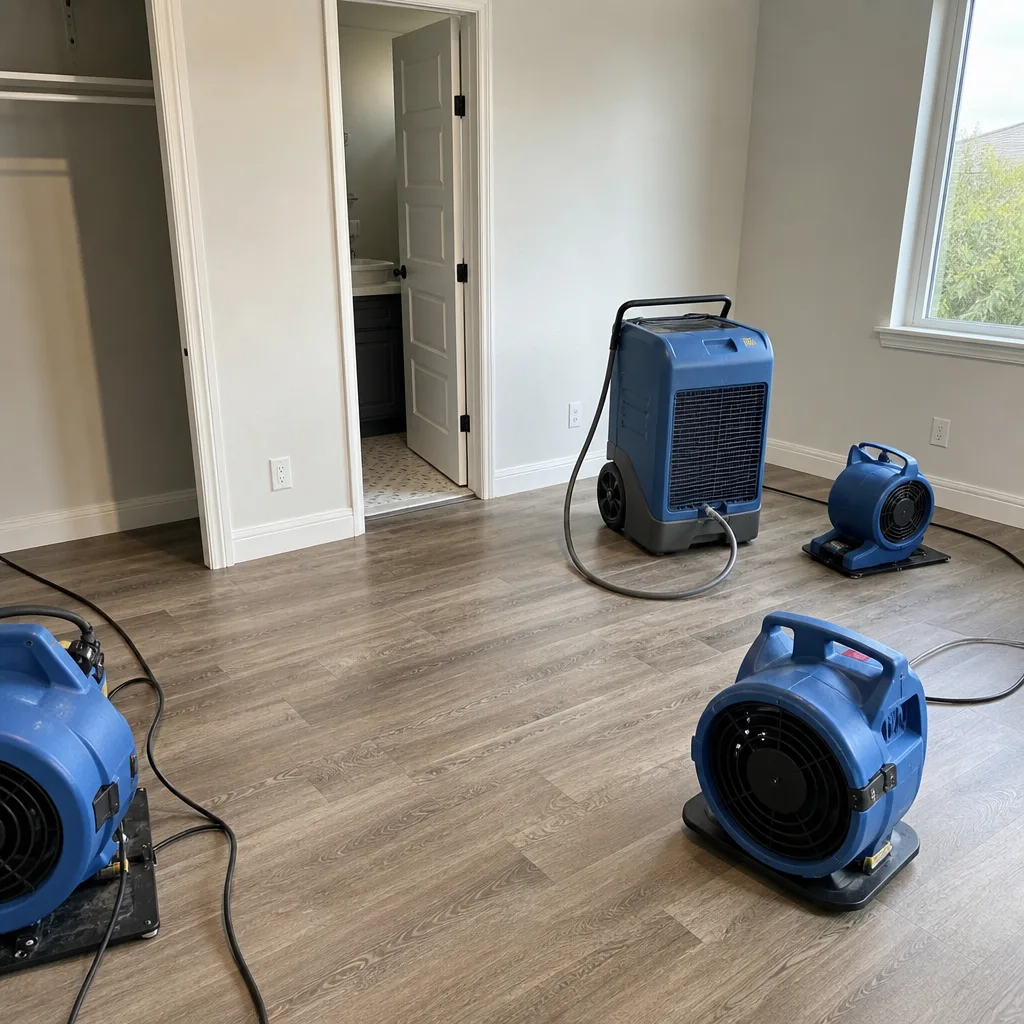 After
After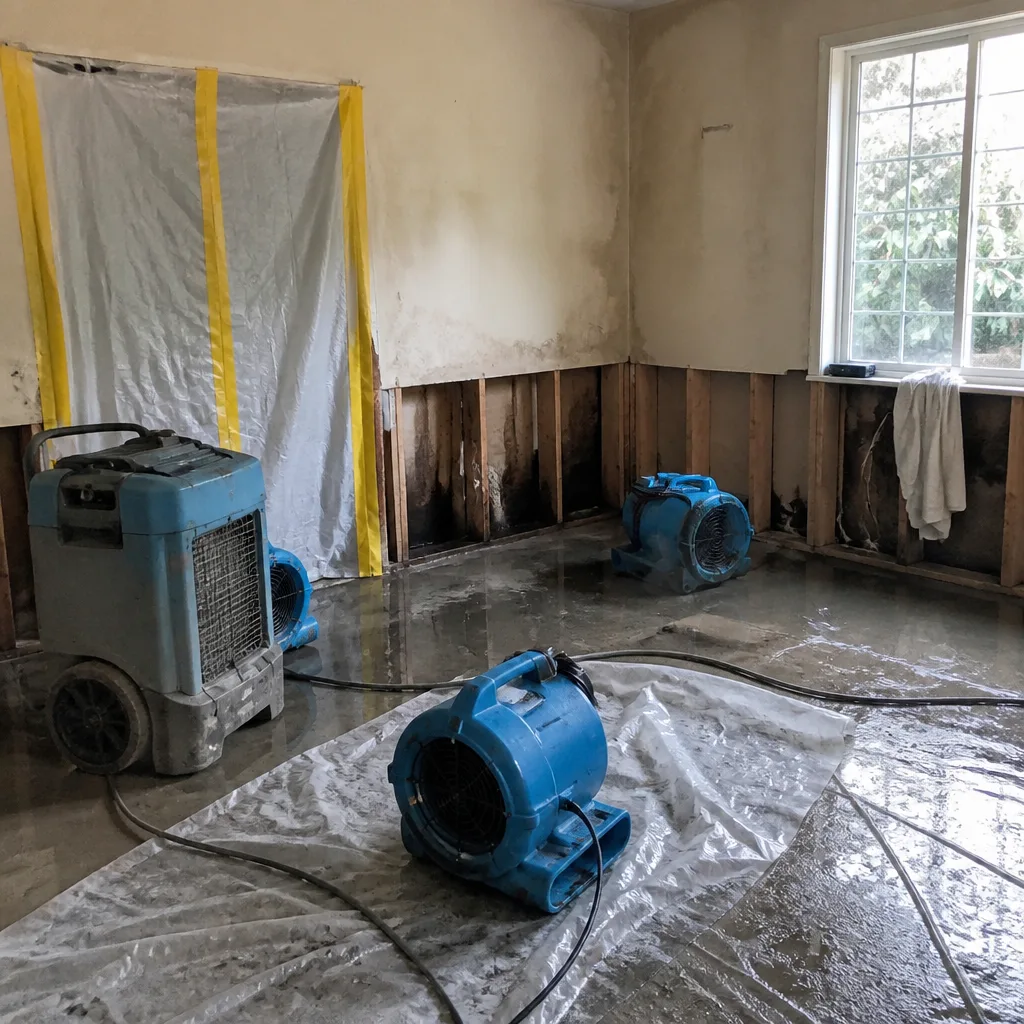 Before
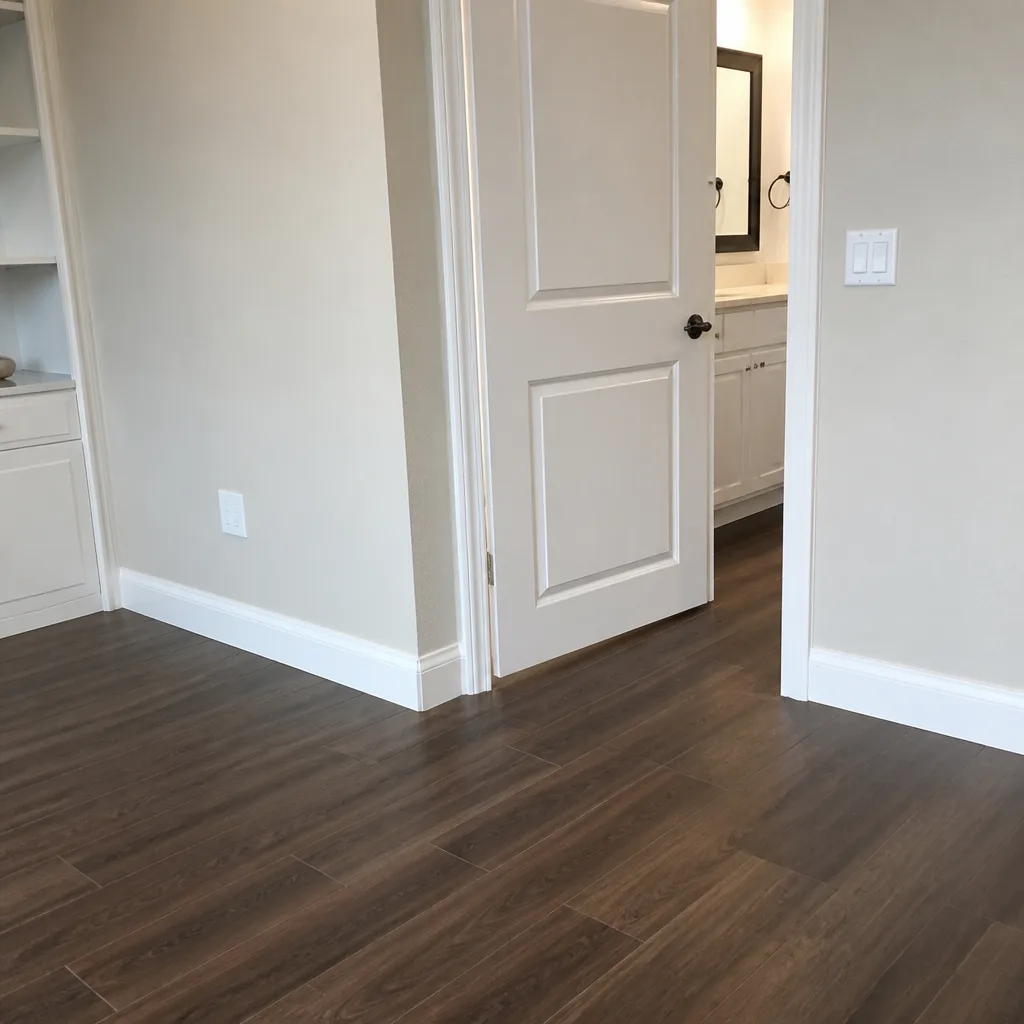 After
After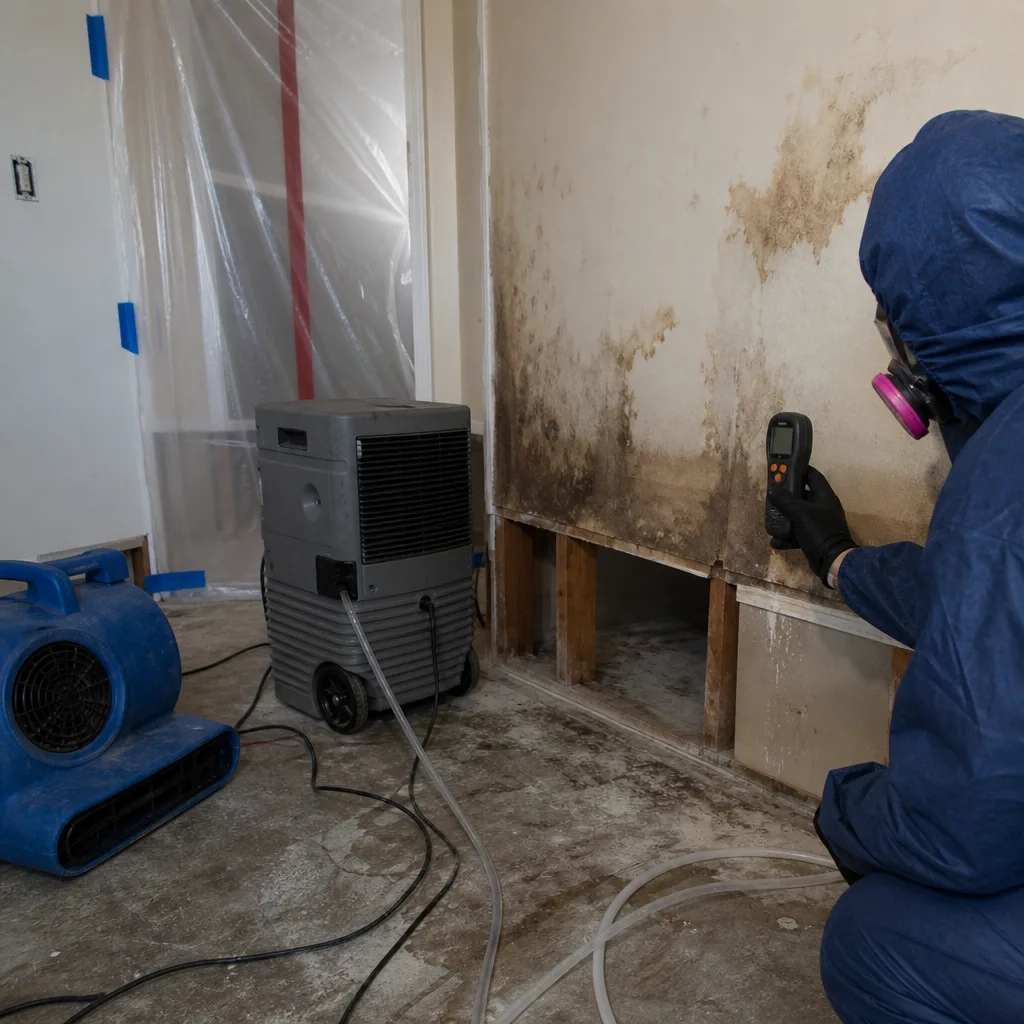 Before
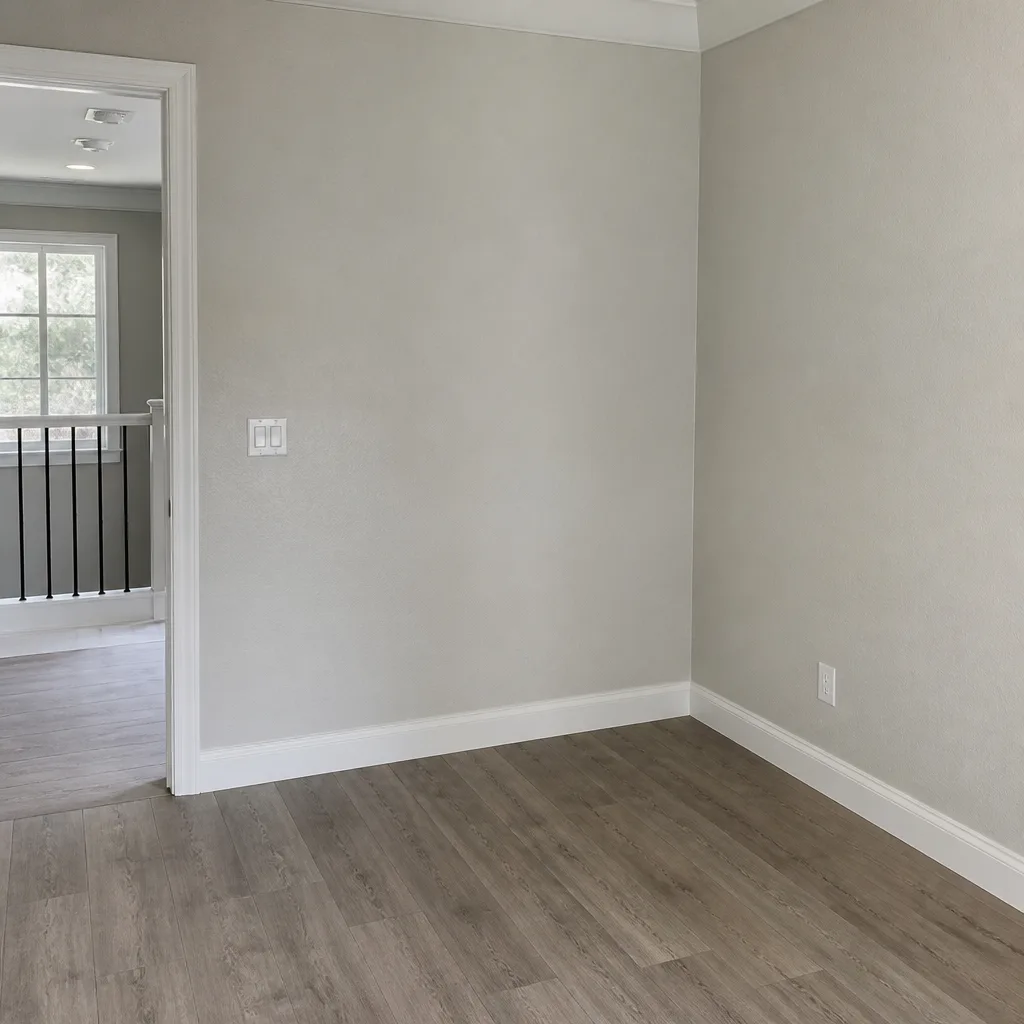 After
AfterHow to Hire a Damage Restoration Contractor in Irvine: A Step-by-Step Guide
An IICRC certification tells you a technician passed a written exam. It does not tell you whether that company will hand you a daily drying log at job close - and that log, not the certification, is what an adjuster reaches for when deciding whether to pay a $14,000 structural drying invoice. In Irvine, where median home values sit well above the Orange County average and HOA master policies add layers of complexity, the wrong contractor doesn’t just do poor work. They create documentation gaps that turn a covered loss into a months-long dispute with your insurer. This guide covers what standard advice misses: the five questions that separate a contractor whose work survives a claims audit from one who creates a dispute you’ll be fighting long after the fans leave. For a broader overview, see our Complete Guide to Damage Restoration in Irvine.
Quick Answer
To hire a damage restoration contractor in Irvine, verify active CSLB licensure for the specific trade, demand a written price before any work begins, and request a sample daily drying log from a completed job to confirm documentation practices that insurers actually pay for. Avoid any contractor who asks you to sign over your insurance proceeds, arrives uninvited after a neighborhood water loss, or resists putting their scope and price in writing.
Table of Contents
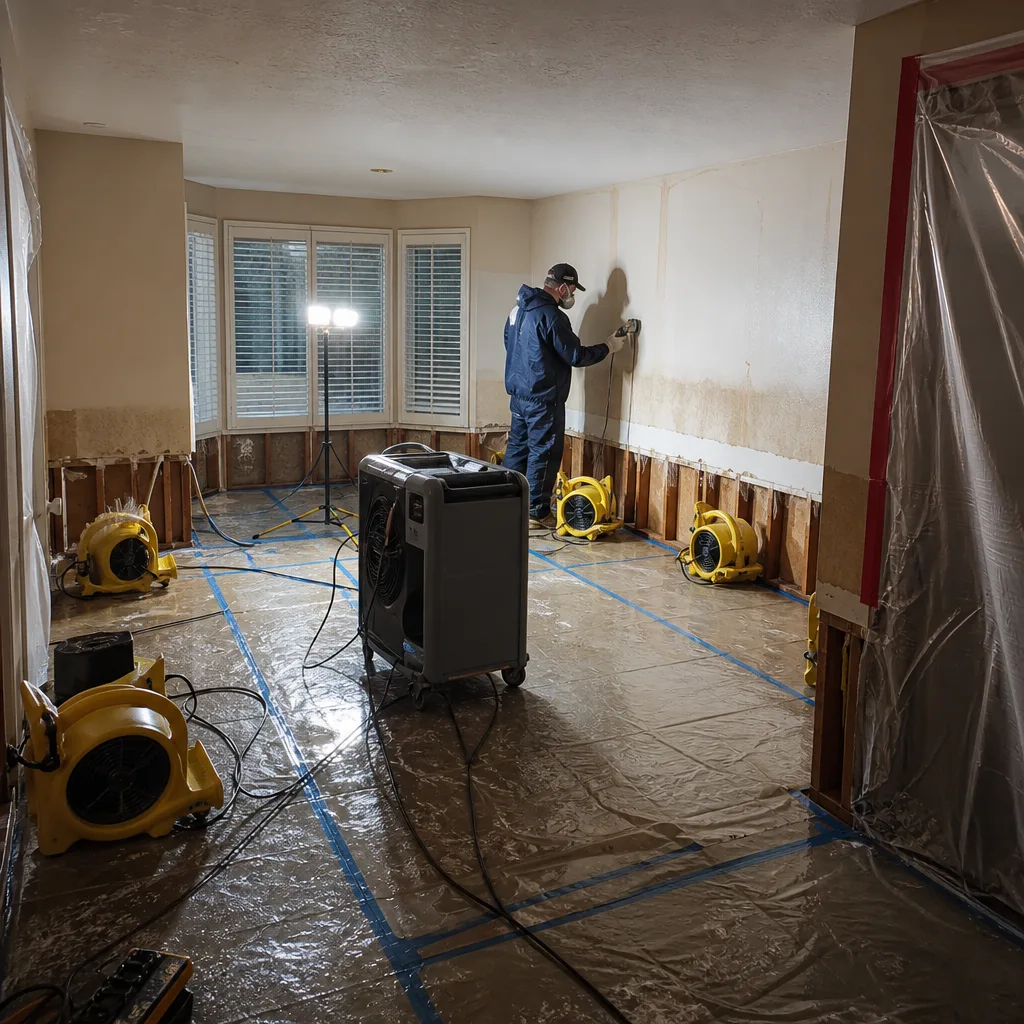
- Why Documentation Beats Certification on an Irvine Claim
- Five Questions to Ask Before Signing Any Authorization
- How to Verify CSLB License Status and What Classification Matters
- Why Written Price Before Work Begins Is Non-Negotiable
- Red Flags: Post-Disaster Contractor Solicitation in Orange County
- How to Structure Your Authorization Document
- What Documentation You Should Receive at Job Close
- Irvine-Specific Considerations: Climate, Codes, and Common Loss Patterns
 Before
 After
AfterWhy Documentation Beats Certification on an Irvine Claim
The restoration industry loves credentials. Walls of certificates, IICRC patches on polo shirts, RIA memberships framed near the reception desk. These matter for baseline competence. They do not matter for claims payment.
Here’s what we’ve learned since 2011, when Alicia Brennan founded this company after years as a claims adjuster: insurers deny invoices for two reasons - documentation failure or scope dispute. Never for lack of a patch. A technician with every available certification who cannot produce psychrometric data (temperature, relative humidity, and vapor pressure readings taken daily) will watch their $8,000 drying invoice get cut to $3,200 because the adjuster has no evidence the equipment ran long enough or was positioned correctly.
Psychrometric data, in plain terms, is the record of how wet your structure was and how it dried over time. Vapor pressure differential measures the force pushing moisture out of materials into the air. Without these readings, documented to IICRC S500 standards, an insurer cannot verify that the 12 air movers and 3 dehumidifiers on the invoice were medically necessary - their term, not ours - for the loss.
In Irvine specifically, this documentation gap hurts homeowners twice. First, because many losses here involve multi-story townhomes in communities like Woodbridge or Northwood, where water travels vertically through shared walls and the scope of work expands beyond what a visual estimate captured. Second, because Irvine’s high property values mean restoration invoices run larger, which triggers more aggressive audit scrutiny from carriers. A $4,000 invoice gets paid with minimal review. A $19,000 invoice with no daily drying log gets sent to a third-party auditor who denies half the line items.
The certification proves someone can pass a test. The daily log proves someone did the work they billed for. Ask for the log, not the patch.
Five Questions to Ask Before Signing Any Authorization
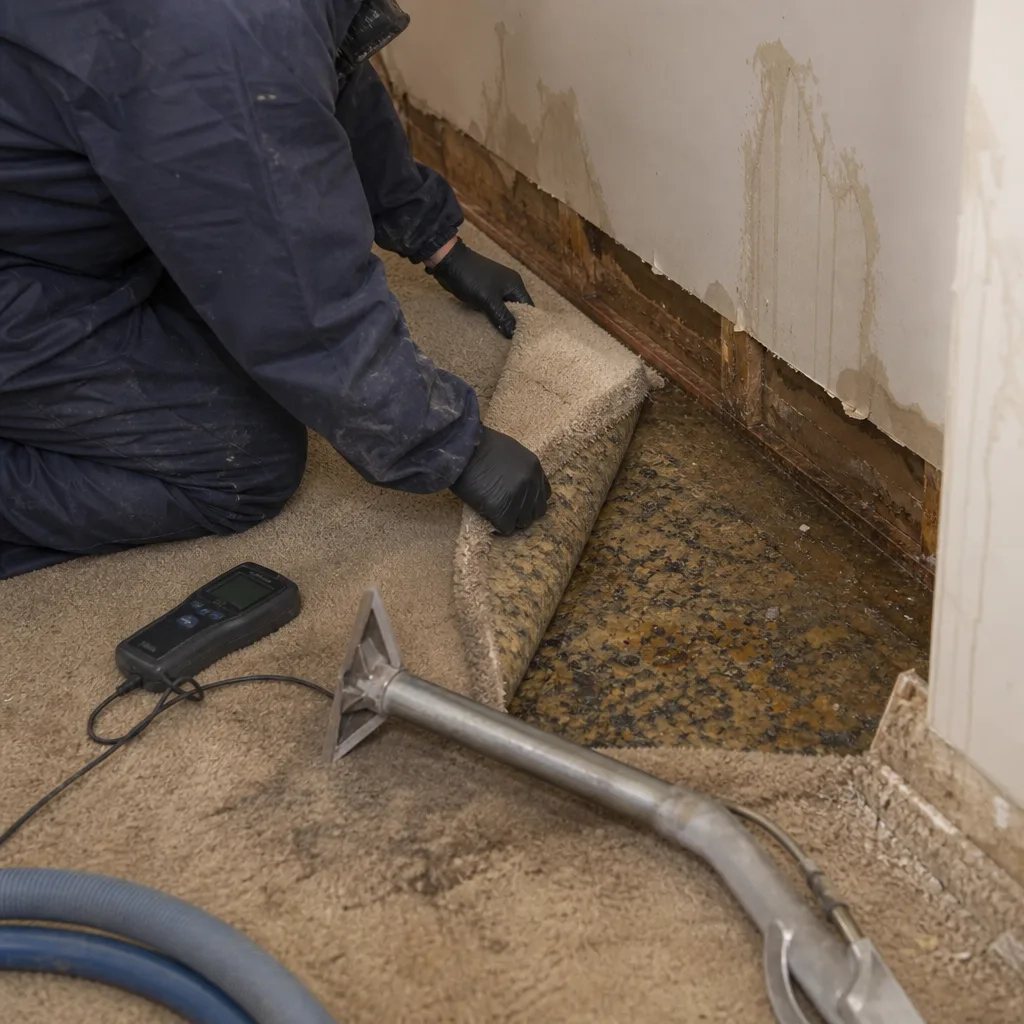
Most guides tell you to check reviews and verify insurance. Do that. Then ask these five questions, which determine whether your claim proceeds smoothly or stalls in dispute. You can also review our Water Damage Restoration Maintenance Checklist for Irvine Homeowners for additional preparation steps.
1. “Can I see a sample daily drying log from a completed job?”
Any restoration company doing structural drying should produce this immediately. The log shows: date and time of each visit, moisture content readings by room and material (drywall, subfloor, framing), equipment inventory and serial numbers, and psychrometric conditions. If they hesitate, if they offer “we’ll provide that at the end,” or if they show you a generic template rather than a completed document, you’re looking at a company that does not document to insurance standards.
At DryMark Restoration Irvine home, every job includes this log as a standard deliverable, never an upsell. It’s how we turn restoration invoices into payable claims.
2. “Will you put the full scope and price in writing before any work begins?”
This is Haven Standard, Clause 1: written price before work begins, every time, with no exceptions. A contractor who says “we need to start emergency mitigation now and we’ll settle up after” is asking you to sign a blank check. Emergency mitigation - extracting standing water, setting initial equipment - can be priced on the spot. If they won’t, ask why. The usual answer involves supplemental billing: low initial estimate, then add-ons once you’re committed.
3. “What is your license classification, and can I verify it on the CSLB website right now?”
California requires specific classifications for different restoration work. A contractor performing structural repairs needs a B-General Building contractor license or an appropriate specialty classification. Equipment-only mitigation - placing fans and dehumidifiers without removing materials - can sometimes be performed under different arrangements, but any reconstruction of walls, flooring, or cabinetry requires proper licensure. We’ll cover verification steps in the next section.
4. “Who will coordinate with my adjuster, and will you provide photo documentation they can access directly?”
The answer should be specific: “Our project manager will upload daily photo records to your claim portal” or “We provide a shared folder link with timestamped images.” Vague assurances like “we work with insurance all the time” mean nothing. In our experience handling Water Damage Restoration in Irvine, adjusters pay fastest when they can see the damage before mitigation, the equipment placement during drying, and the post-mitigation condition without calling anyone.
5. “What warranty or guarantee do you provide, and is it in writing?”
Verbal assurances evaporate when problems appear. The Haven Standard includes a 365-Day Done Right Promise - if it’s not done right, we make it right - as a signed guarantee on every job, not a marketing line. Any contractor unwilling to put their warranty in writing is unlikely to honor it verbally.
How to Verify CSLB License Status and What Classification Matters
California’s Contractors State License Board maintains a public database at cslb.ca.gov. Verification takes under two minutes and should be non-negotiable before any contractor enters your Irvine home.
Step-by-Step Verification
- Navigate to the CSLB “Check License” portal and enter the contractor’s license number.
- Confirm the status reads “Active” - not suspended, expired, or pending disciplinary action.
- Verify the license classification matches the work proposed. For structural restoration, look for B-General Building. Specialty trades (electrical, plumbing) require C-class licenses if those systems are affected.
- Check the “Workers’ Compensation” section - an active policy must be on file if the company employs anyone. Sole proprietors without employees may file an exemption, but this increases your liability exposure if a worker is injured on your property.
- Review the “Bond History” - a $25,000 contractor’s bond must be current. This is your financial protection if the contractor abandons the job or damages your property.
Classification Specifics for Restoration Work
Water damage restoration in California occupies a regulatory gray zone that confuses many homeowners. Mitigation - water extraction, drying equipment placement, moisture monitoring - does not always require a contractor’s license if no structural materials are removed. But in practice, meaningful mitigation almost always involves removing baseboards, drilling drywall for wall cavity drying, or lifting flooring. These activities trigger B-General Building requirements.
Reconstruction - replacing drywall, flooring, cabinetry, or structural elements - always requires proper licensure. A company performing both mitigation and reconstruction should hold the B classification and employ or subcontract appropriately licensed trades for electrical, plumbing, or HVAC work.
In Irvine’s master-planned communities, particularly in villages like Woodbury or Portola Springs, HOA architectural review boards add another layer. Many require proof of licensure and insurance before approving exterior work or common-area access. A contractor unfamiliar with Irvine’s HOA landscape will delay your project while you sort out their paperwork.
Why Written Price Before Work Begins Is Non-Negotiable
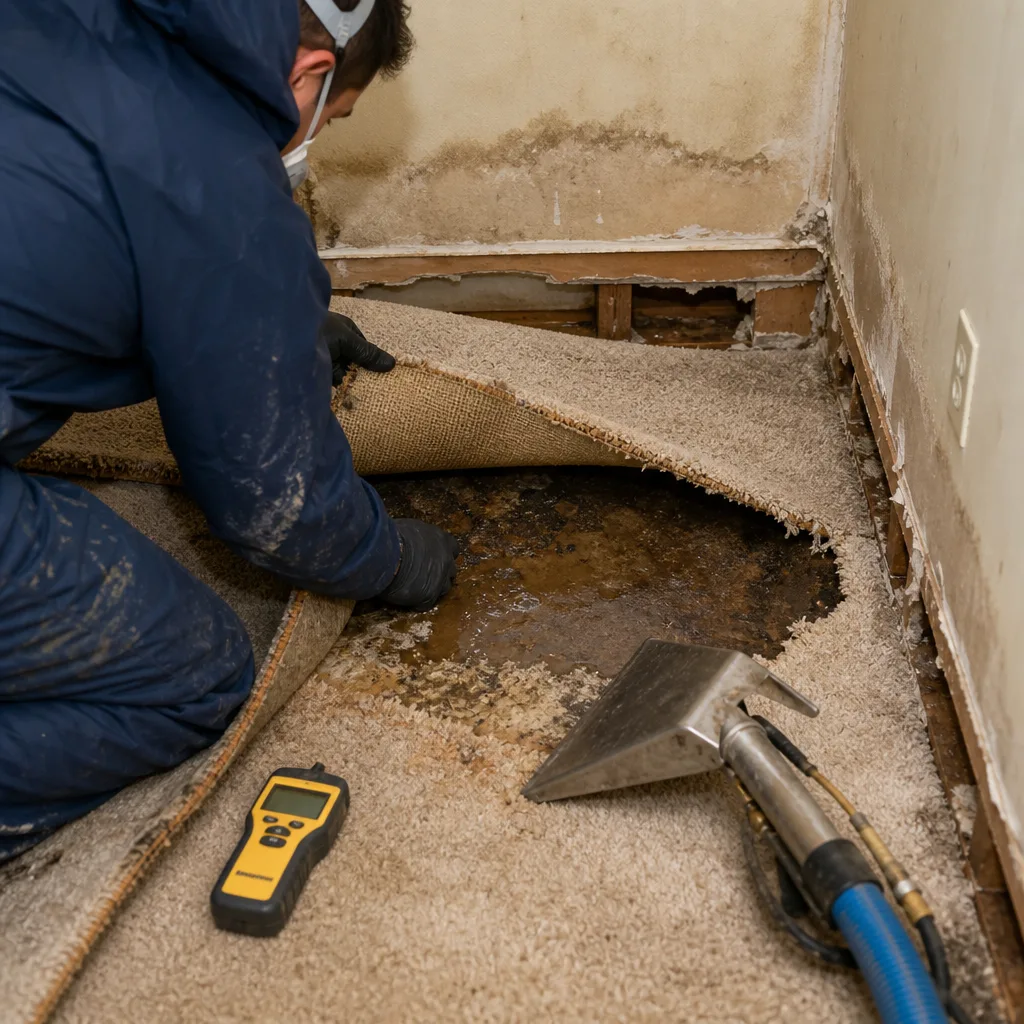
The restoration industry runs on two pricing models: time-and-materials with a “not-to-exceed” ceiling, and fixed written scope with line-item pricing. The first model is where most claims disputes originate.
Under time-and-materials, a contractor bills equipment rental days, labor hours, and materials as they accumulate. The homeowner sees a running total that often exceeds initial estimates by 40% or more. The insurer sees an invoice with no fixed reference point and begins scrutinizing every line item. The result: the homeowner pays the difference, or the contractor places a mechanic’s lien, or both.
Haven Standard, Clause 1 exists to end this practice. A written price before work begins means:
- The scope is defined: which rooms, which materials, which equipment, for how many days.
- The price is fixed: $X for mitigation, $Y for reconstruction, with change orders requiring written authorization.
- The documentation requirement is clear: daily logs, photo records, and moisture readings as specified deliverables.
A contractor’s resistance to written pricing signals one of three problems. They may lack the estimating competence to scope accurately. They may intend to use supplemental billing to increase revenue after you’re committed. Or they may be accustomed to invoice-padding that won’t survive audit scrutiny, and they need the ambiguity to hide it.
In our 12,000+ jobs since 2011, every one began with a written price. The few times we’ve encountered scope changes - hidden mold behind a water heater in an Irvine Ranch townhome, for example - we document the finding with photos, present a written change order, and obtain signature before proceeding. No surprises. No invoice shock. No disputed claims.
Red Flags: Post-Disaster Contractor Solicitation in Orange County
Irvine’s climate and infrastructure create predictable contractor surges after specific events. Knowing the patterns helps you identify legitimate operators from opportunists.
The Santa Ana Wind Pattern
When Santa Ana winds exceed 60 mph, typically October through January, Irvine sees concentrated roof damage in exposed areas like Northpark and the hills above Turtle Rock. Within 48 hours, door-knockers appear offering “free roof inspections” and claiming to have “just finished your neighbor’s house.” Legitimate restoration companies in Irvine do not canvas neighborhoods after wind events. They respond to direct calls, dispatch from established offices, and do not request immediate authorization at your doorstep.
The HOA Pipe Failure Surge
Irvine’s older master associations, particularly those with original copper piping in 1980s and 1990s developments, experience periodic slab leaks and riser failures. When these affect multiple units, contractors monitor Nextdoor and community Facebook groups, then contact affected homeowners with cut-rate bids. The common pitch: “We can do all the units together for less.” This aggregation rarely produces proper individual documentation, and insurers reject claims that lack room-specific moisture readings and photo records.
The Winter Rain Pattern
January and February atmospheric rivers overwhelm drainage systems in lower-lying Irvine villages, particularly near the San Diego Creek channel. Water intrusion through foundation vents and garage doors creates clustered losses. After these events, out-of-area contractors with no Irvine presence rent temporary office space, run Google ads with local phone numbers forwarded to call centers, and dispatch crews who don’t know local codes or HOA requirements.
Specific Red Flags to Reject
- Pressure to sign an authorization before you’ve verified their CSLB license status.
- Requests to sign over your insurance check or benefits - this is illegal in California under Insurance Code 1871.4, but still attempted.
- Claims of being “preferred vendor” for your insurer without providing a written designation letter you can verify.
- Refusal to provide a physical Irvine address - a PO box or “servicing Irvine” without a local office suggests storm-chasing operations.
- Demands for large upfront deposits before work begins. California limits down payments to $1,000 or 10% of contract price, whichever is less.
How to Structure Your Authorization Document
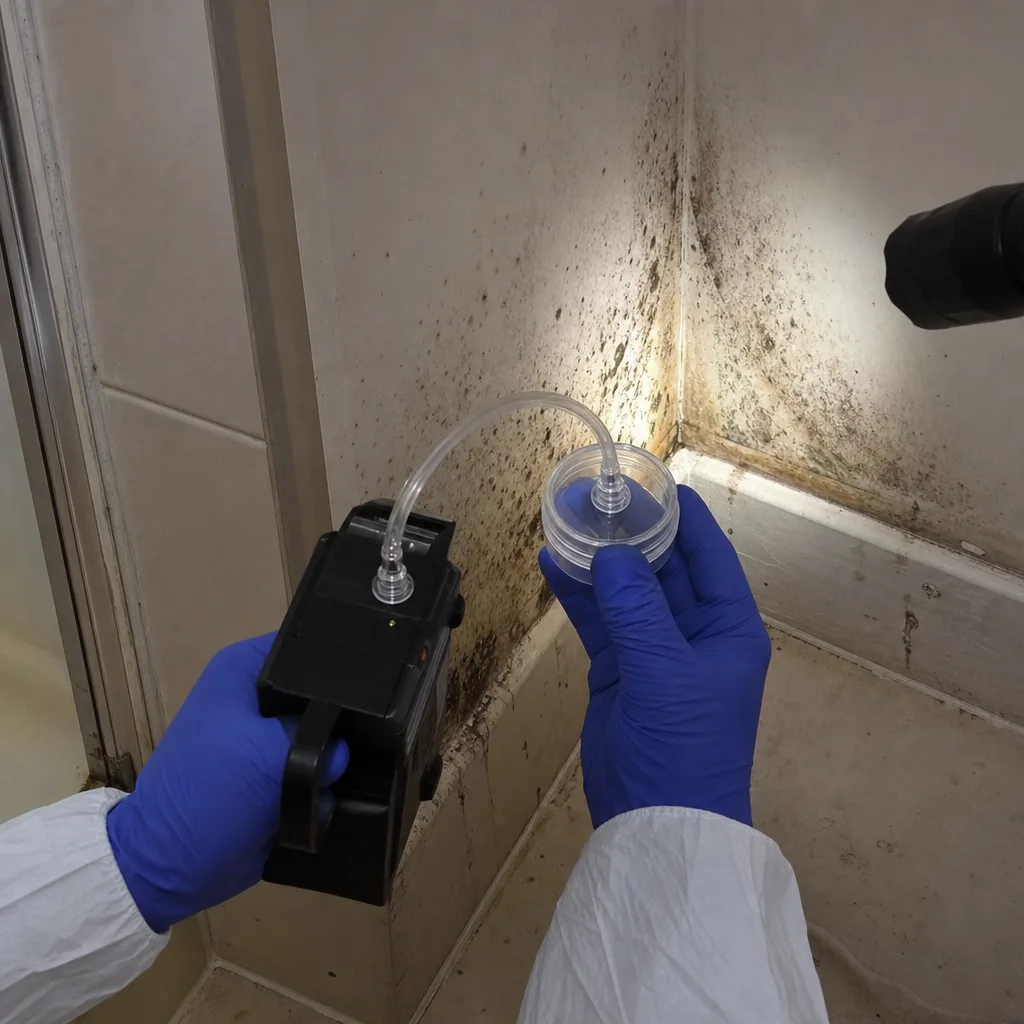
The authorization you sign is a legal document. Its language determines whether you retain control of your insurance claim or inadvertently assign it to your contractor.
What to Include
- Limited scope description: “Authorize [Company Name] to perform water extraction and structural drying at [address] for the loss dated [date].”
- Price or pricing method: “Total not to exceed $[amount]” or “Per attached written estimate dated [date].”
- Documentation requirements: “Contractor shall provide daily moisture logs, photo records, and equipment inventory.”
- Insurance coordination clause: “Contractor may communicate with [Insurer Name] regarding scope and documentation only. No assignment of benefits or proceeds is granted.”
- Termination right: “Homeowner may terminate this authorization with 24 hours’ written notice, paying only for work completed to date.”
What to Reject
Never sign a document containing “assignment of benefits,” “assignment of proceeds,” “I direct all insurance payments to,” or any language making the contractor the payee on your claim. In California, this practice is restricted but still attempted through creative wording. If your contractor insists on payment flow-through, this indicates cash-flow problems or intent to inflate the claim beyond what you authorized.
Similarly, reject “direction to pay” clauses that require your mortgage company to release insurance funds to the contractor. These create delays of weeks or months while you chase signatures from lenders who have no direct relationship with your restoration company.
At DryMark Restoration Irvine, our authorization is two pages. It specifies the work, the price, the documentation deliverables, and your rights. No hidden clauses. No benefit assignments. Haven Standard, Clause 1 in plain language.
What Documentation You Should Receive at Job Close
The job isn’t done when the equipment leaves. It’s done when you hold documentation that proves the work was necessary, performed correctly, and priced accurately. Here’s what complete documentation looks like.
The Daily Drying Log
This is the core document. Each page represents one site visit, with:
- Date, time, and technician name
- Ambient readings: temperature in Fahrenheit, relative humidity percentage, and dew point
- Moisture content readings by location and material: “Living room, north wall, drywall at 12 inches above baseboard: 18.2% moisture content” - with target dry standard noted (typically 12% or below for drywall in Irvine’s climate)
- Equipment inventory: serial numbers, placement locations, and operating status
- Psychrometric calculations: grain depression, vapor pressure differential, and equipment capacity versus affected cubic footage
Grain depression, in plain terms, is the difference between moisture in the affected air and moisture in outside air. It tells us whether our dehumidifiers are sized correctly for the space. A log without these calculations is a diary, not a technical record.
The Photo Record
Every visit should produce timestamped, geotagged images showing: pre-mitigation damage, equipment placement, moisture meter readings with the meter visible in frame, and post-mitigation condition. These photos belong to you, not the contractor. At DryMark Restoration Irvine, we provide a download link within 24 hours of job close.
The Written Scope and Final Invoice
The scope describes what was done, room by room, with material classifications by trade name. “Removed 24 linear feet of 1/2-inch USG Sheetrock, 8 feet high, from living room north wall” - not “repaired wall damage.” Specificity matters for claims payment and for your records if problems emerge later.
The Warranty Documentation
The Haven Standard’s 365-Day Done Right Promise produces a signed, dated warranty document with the specific coverage terms. Not a verbal “call us if anything comes up.” A document with an address and a response commitment.
Irvine-Specific Considerations: Climate, Codes, and Common Loss Patterns
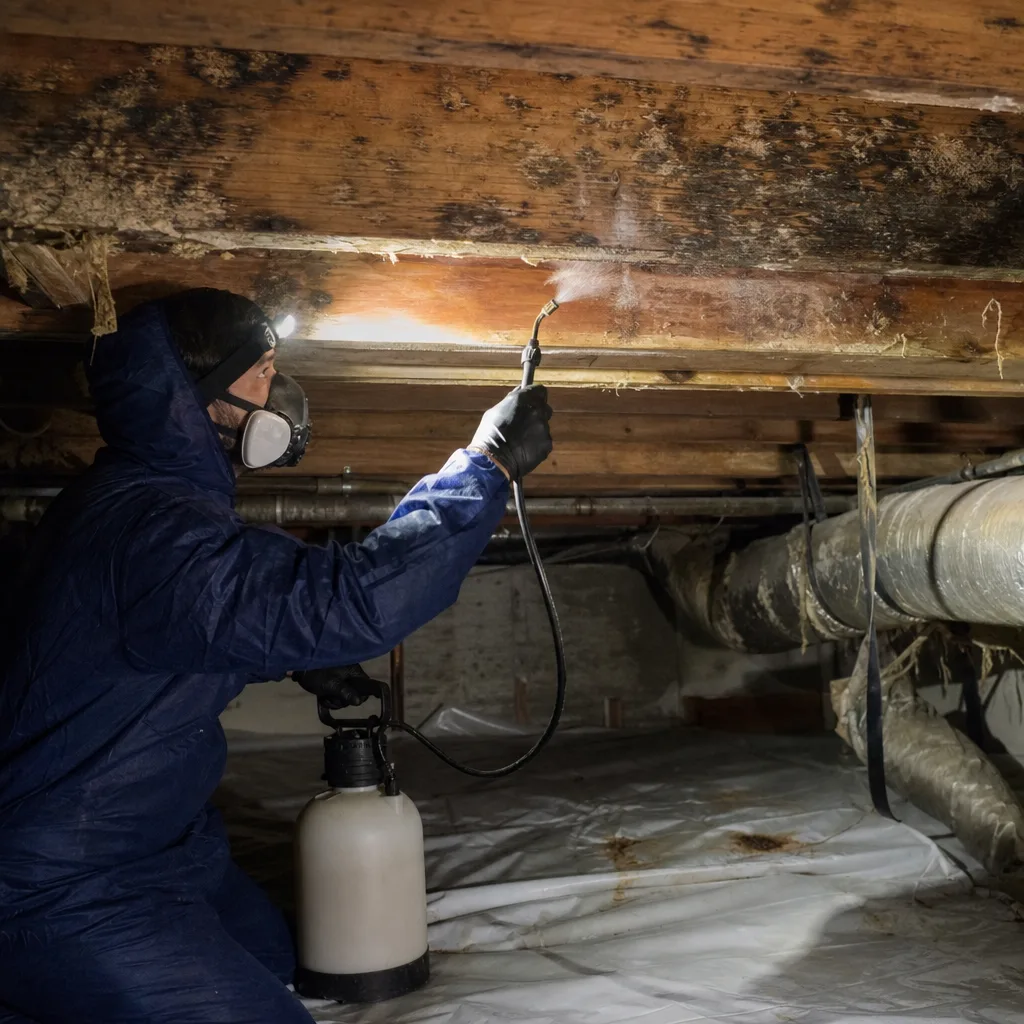
Restoration in Irvine differs from coastal Orange County and inland Riverside County in ways that affect contractor selection. For more guides & resources on protecting your home, explore our blog.
Climate and Drying Dynamics
Irvine’s Mediterranean climate means mild, wet winters and warm, dry summers. This sounds simple, but winter humidity spikes - particularly during January atmospheric rivers - slow natural drying and extend equipment rental periods. A contractor quoting based on summer drying rates will underestimate your job by 30-40% in winter, then supplement later. Our estimates account for seasonal psychrometric conditions specific to central Orange County.
Soil and Foundation Patterns
Expansive clay soils in Irvine’s northern villages - Northwood, Orchard Hills, parts of Woodbury - create foundation movement that cracks slab plumbing and foundation seals. The resulting water intrusion often appears as “mystery” moisture with no obvious source. Contractors unfamiliar with this pattern waste days chasing roof leaks while the actual source continues pumping water into wall cavities. Our documentation includes soil-type assessment when foundation-related moisture is suspected.
HOA and Master Association Complexity
Irvine’s village system means your home may fall under a master association, a village association, and a sub-association, each with different insurance responsibilities and notification requirements. A contractor who doesn’t understand this hierarchy may perform work in common areas without authorization, creating liability exposure or claim denial. We’ve worked with Irvine’s major associations since 2011 and understand their documentation requirements.
Local Permit Requirements
The City of Irvine requires permits for structural repairs exceeding specific thresholds, including electrical or plumbing modifications and drywall replacement exceeding 200 square feet in a single room. A contractor performing reconstruction without proper permits creates code violations that complicate resale and may void insurance coverage for future losses. We pull permits as standard practice, with documentation included in your job file.
Common Mistakes to Avoid
- Choosing based on response speed alone. The contractor who arrives fastest after an Irvine water damage loss may be the one with the least current workload, not the best qualifications. Verify documentation practices before authorizing work.
- Accepting verbal estimates. California law requires written contracts for home improvement work exceeding $500. More importantly, verbal estimates cannot be audited, compared, or enforced. Haven Standard, Clause 1 exists because verbal pricing destroys claims.
- Neglecting to photograph pre-existing conditions. Before any contractor touches your property, document undamaged areas. This protects against disputes about whether scratches, stains, or misaligned fixtures existed before the loss.
- Signing blanket authorizations. An authorization that reads “perform all necessary restoration work” gives unlimited scope. Insist on room-by-room specificity with line-item pricing.
- Ignoring mold risks in winter losses. Irvine’s January humidity means mold can establish within 48-72 hours of water intrusion. A contractor who extracts visible water but skips moisture mapping behind cabinets or under flooring leaves active colonization. Our Mold Remediation in Irvine service addresses these hidden moisture reservoirs.
- Failing to verify adjuster coordination. Some contractors promise to “handle everything with insurance” but lack established adjuster relationships or proper documentation practices. Ask specifically how they’ve worked with your carrier on past claims.
When to Call a Professional
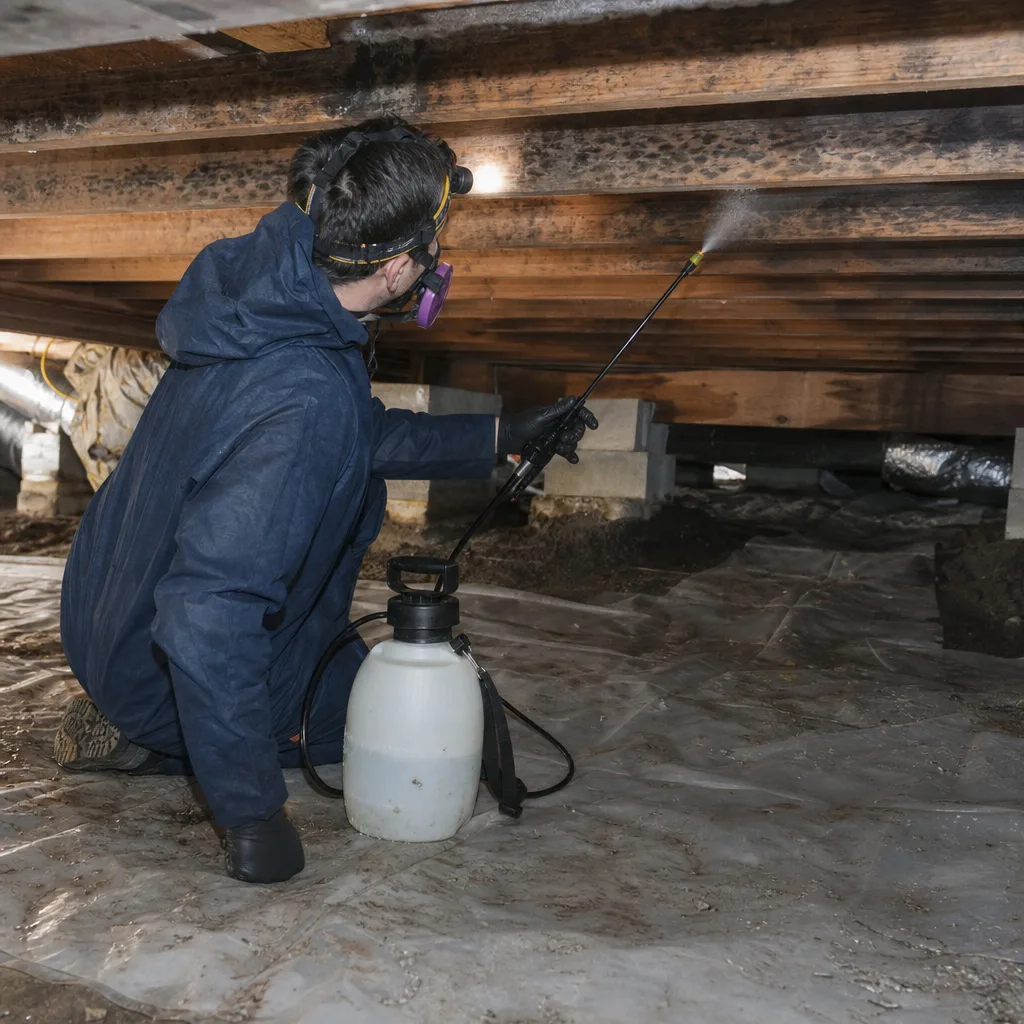
Some situations demand immediate professional response regardless of your research timeline. Category 3 water - sewage backup or groundwater flooding - carries bacterial and viral contamination requiring specialized PPE and disposal protocols. Fire and smoke damage involves acidic residues that etch surfaces within hours and require specific cleaning agents by material type. Any water loss affecting electrical panels, gas lines, or HVAC systems presents genuine safety hazards that untrained handling can worsen.
For these scenarios, speed and documentation both matter. DryMark Restoration Irvine offers free estimates in Irvine - call (657) 212-2570. Our live dispatch answers 24 hours a day, 7 days a week with no voicemail trees, and we provide a written price before any work begins, every time, with no exceptions.
Frequently Asked Questions
Verify their CSLB license number at cslb.ca.gov, confirm “Active” status, and ensure their classification matches the proposed work - B-General Building for structural repairs, with appropriate specialty licenses for electrical or plumbing. Check that workers’ compensation insurance is on file if they employ anyone. The verification takes two minutes and should be done before any contractor enters your home.
A proper estimate specifies affected rooms, materials to be removed or dried by trade name, equipment type and quantity, labor hours or days, and total fixed price with change-order procedures. It should reference documentation deliverables: daily drying logs, photo records, and moisture readings. At DryMark Restoration Irvine, every estimate meets Haven Standard, Clause 1: written price before work begins, with no exceptions.
Coverage depends on your policy terms, the cause of loss, and - critically - the documentation your contractor provides. Insurers pay claims with proper moisture logs, photo records, and scoped estimates. They dispute or deny claims with vague invoices and no evidence of work performed. We coordinate directly with adjusters and provide documentation formatted for their review. Call (657) 212-2570 for a free estimate we can also review with your carrier.
For emergency mitigation - standing water, active leaks, sewage backup - legitimate Irvine contractors dispatch within hours, not days. Reconstruction work is scheduled, not dispatched, and should never be promised same-day. Be wary of contractors who promise immediate reconstruction; this indicates either desperation for work or intent to perform rushed, undocumented repairs.
Visible mold growth exceeding 10 square feet, mold resulting from Category 2 or 3 water, or mold in HVAC systems requires professional remediation per IICRC S520 standards. Surface cleaning without addressing moisture source and airborne spore load is temporary and may spread contamination. Our mold assessments include air sampling and moisture mapping to determine appropriate scope.
Your contractor should coordinate scope and documentation with your adjuster while you retain control of the claim and payment. Never sign over benefits or proceeds. At DryMark Restoration Irvine, we provide adjusters direct access to photo records and drying logs, but all payment flows to you - the policyholder - for your authorization and disbursement.
The Bottom Line
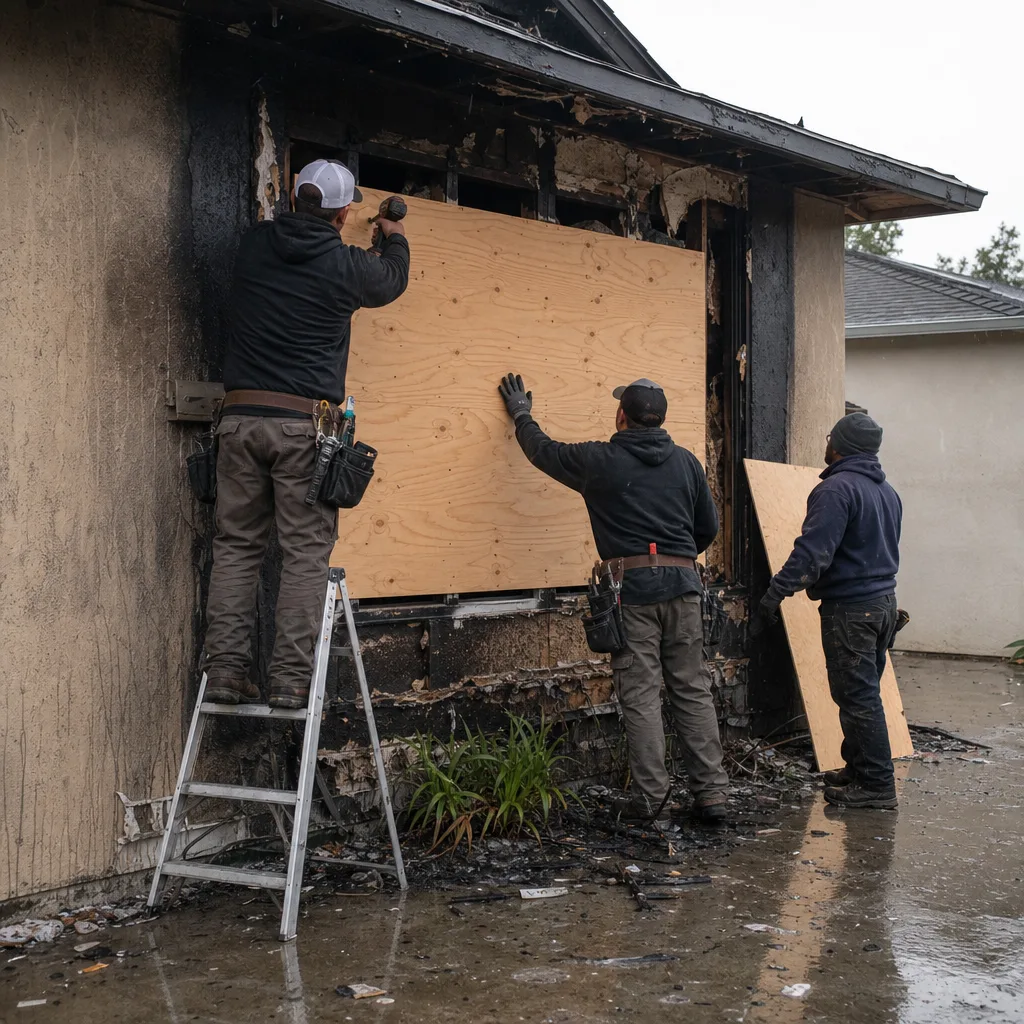
Hiring a damage restoration contractor in Irvine requires more than checking reviews and verifying insurance. The contractors who survive claims audits separate from those who create disputes through five practices: daily drying logs with psychrometric data, written prices before work begins, proper CSLB licensure, structured authorizations that preserve your claim rights, and complete documentation delivered at job close. Ask the five questions. Verify the license. Read the authorization before signing. The documentation you receive at the end determines whether your insurer pays without a fight - and whether your home is actually restored, or merely dried and forgotten.
Written by Alicia Brennan, Owner at DryMark Restoration Irvine, serving Irvine since 2011.