
Last updated September 23, 2026
Free visual inspection and a written scope of work before any mitigation begins - photos, moisture readings, and drying logs go in your claim file
The scope we write is the scope we bill. Anything new gets shown to you, in writing, before we touch it.
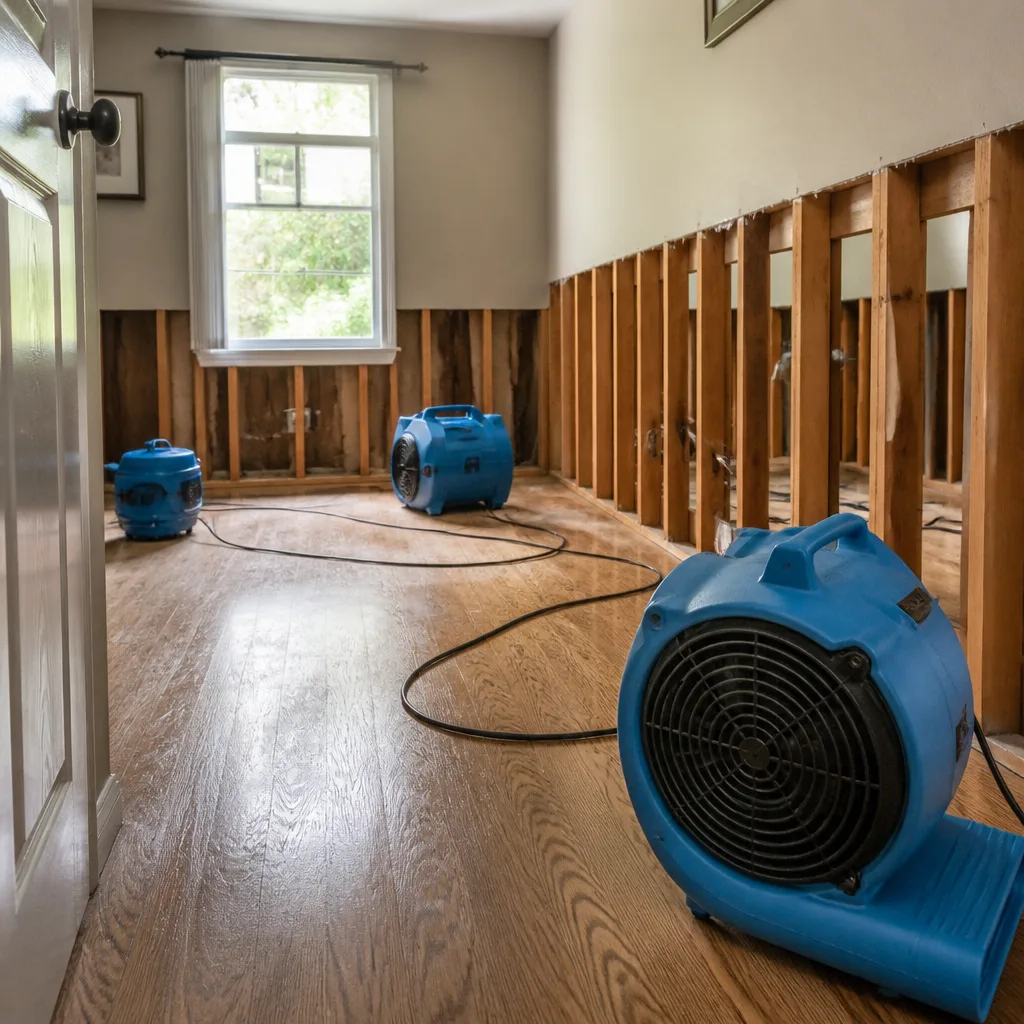

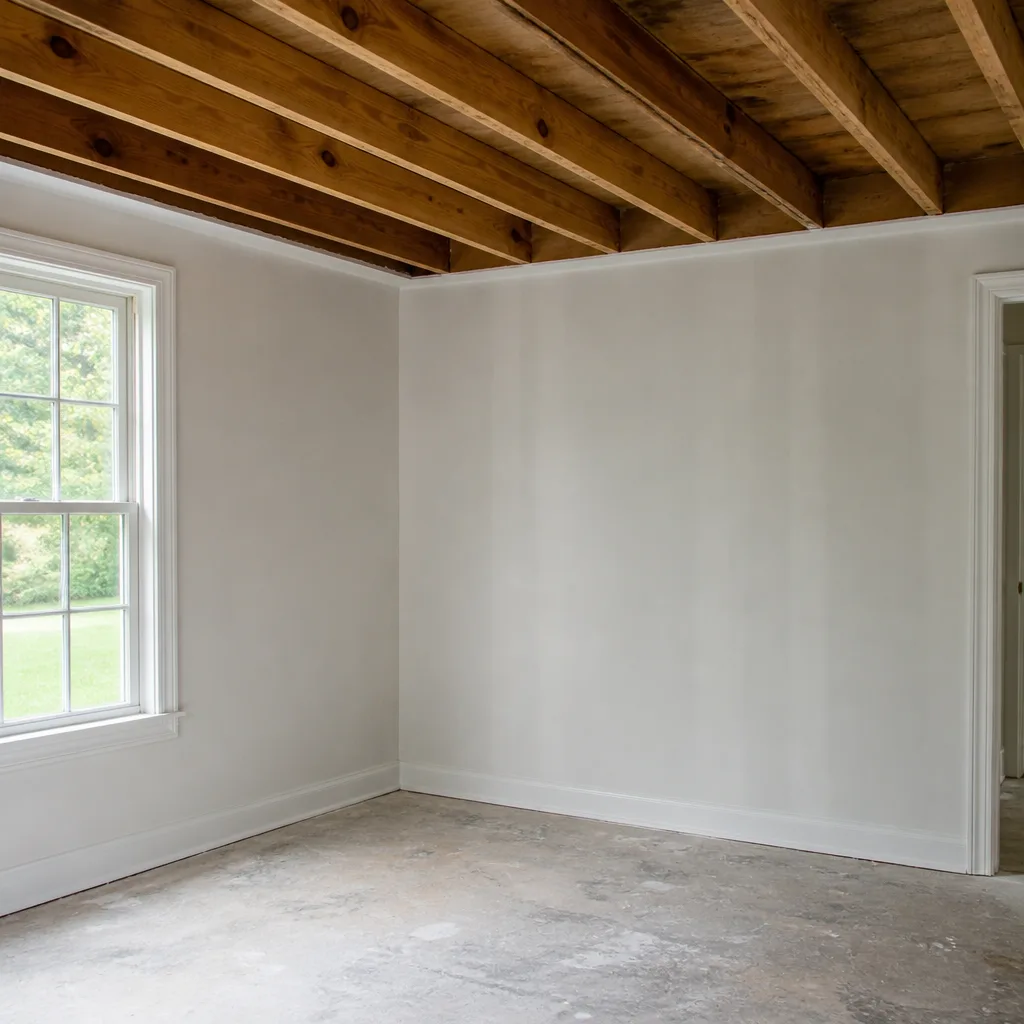
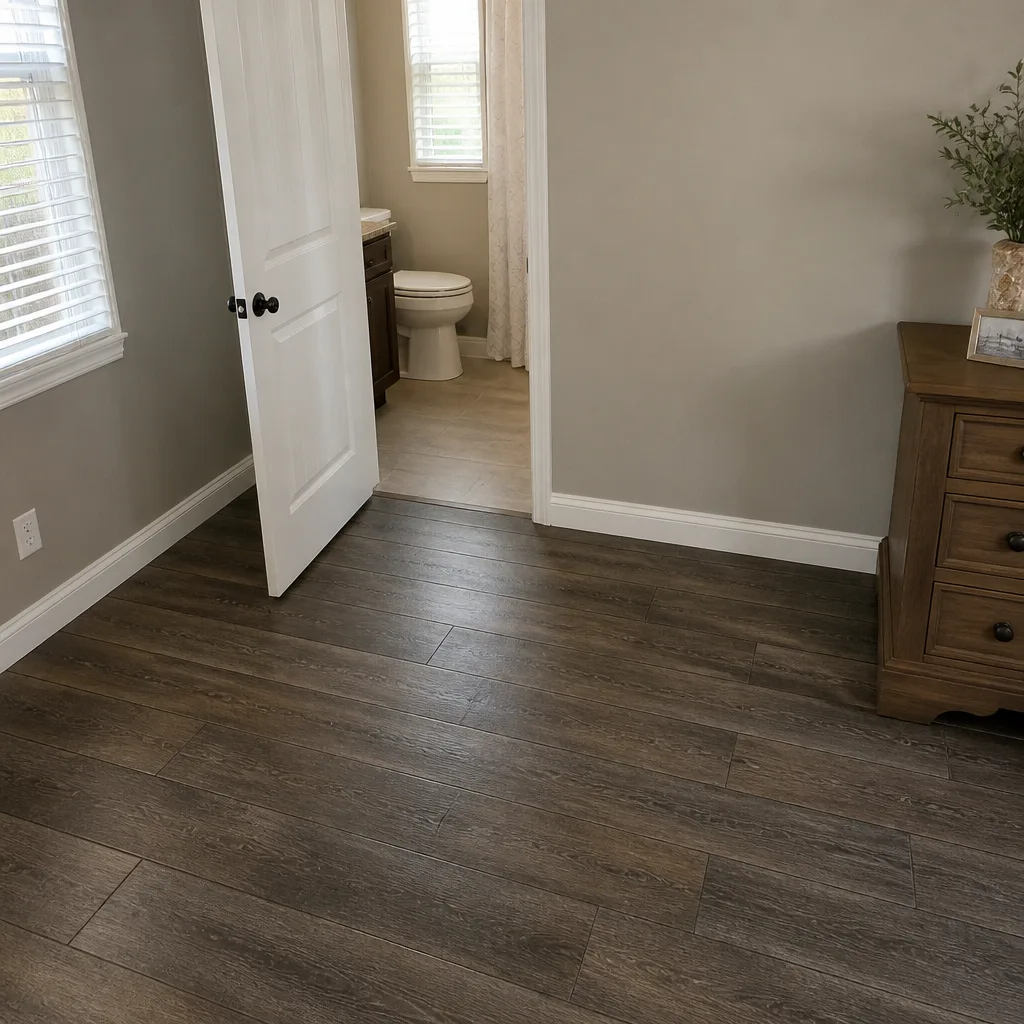

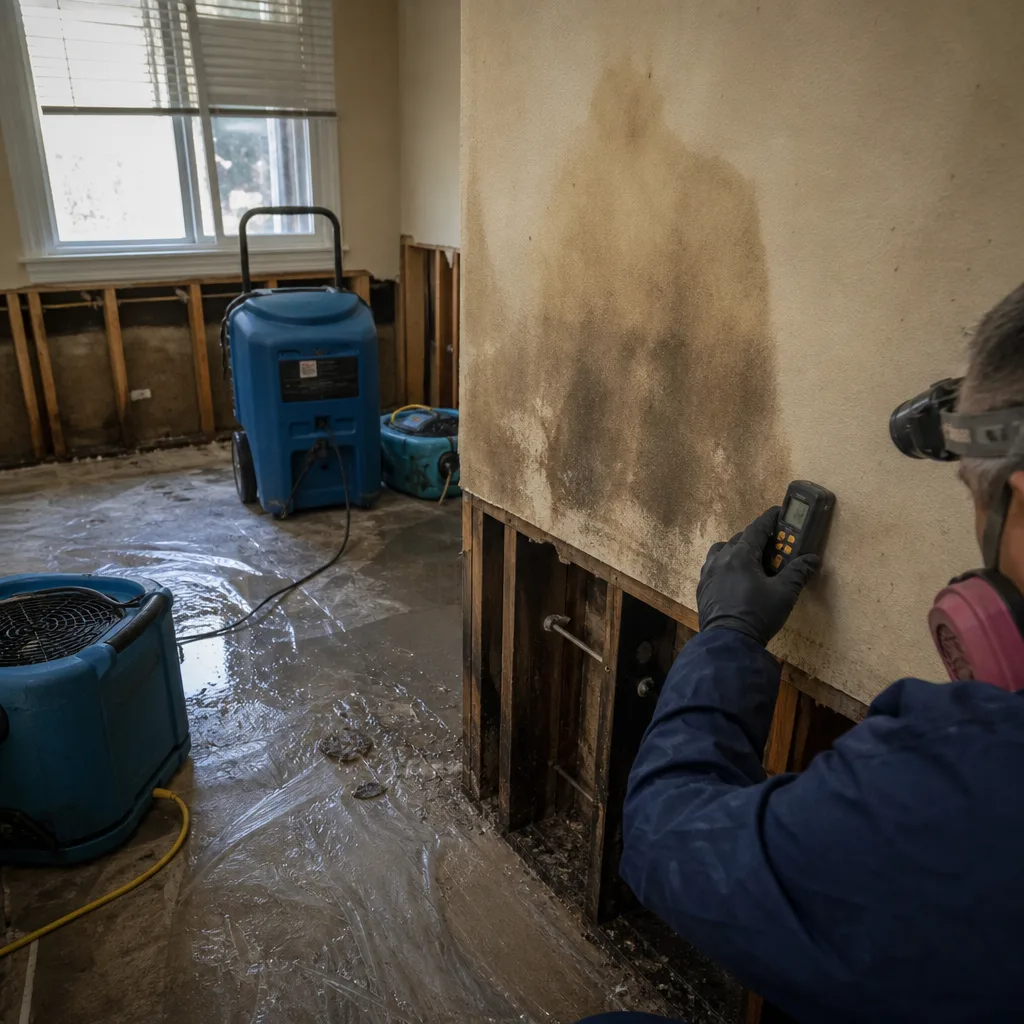 Before
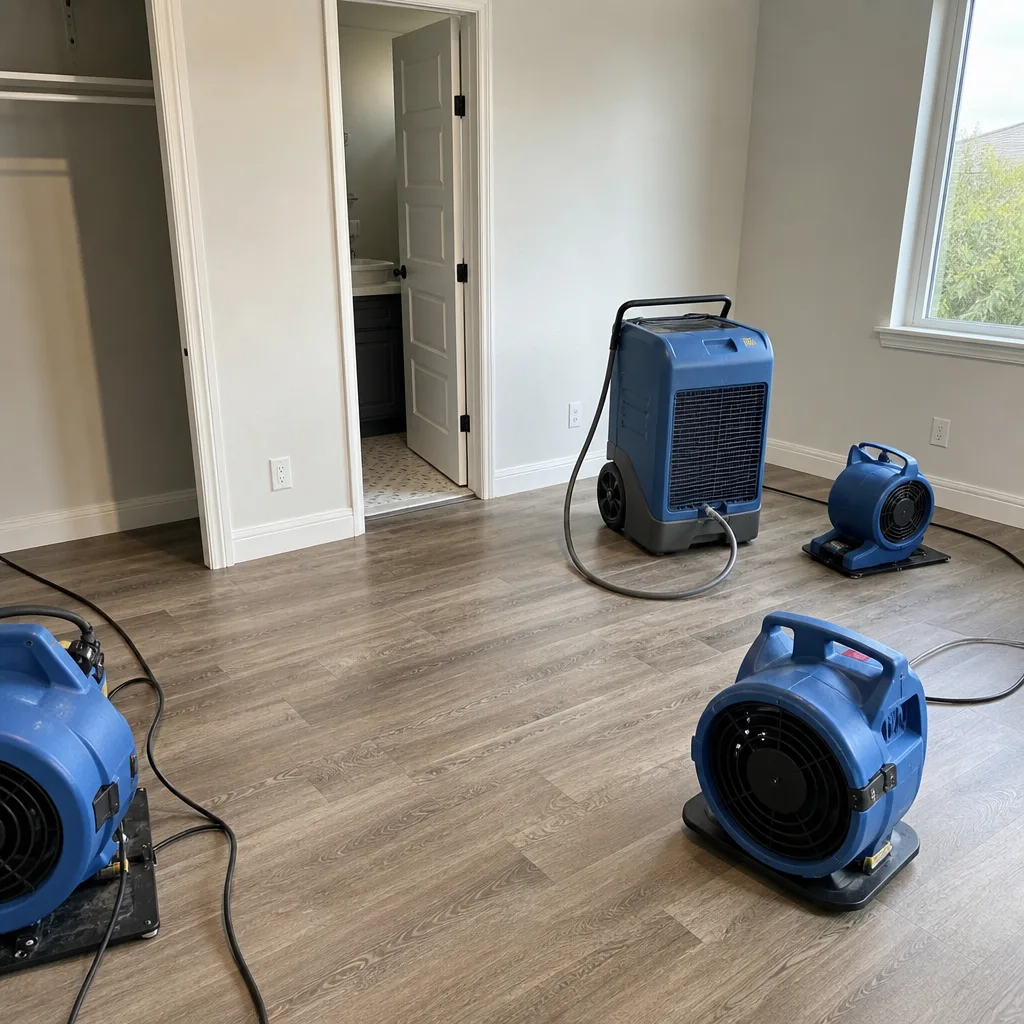 After
After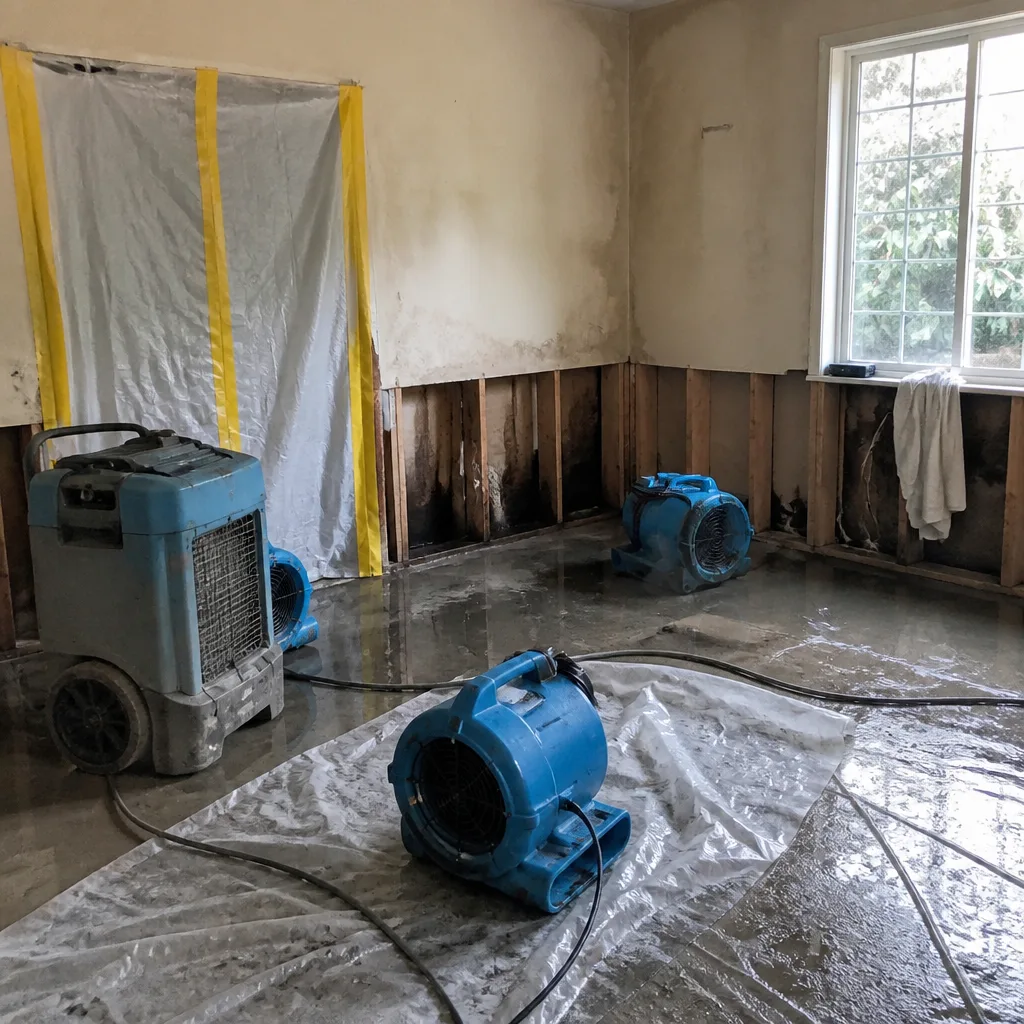 Before
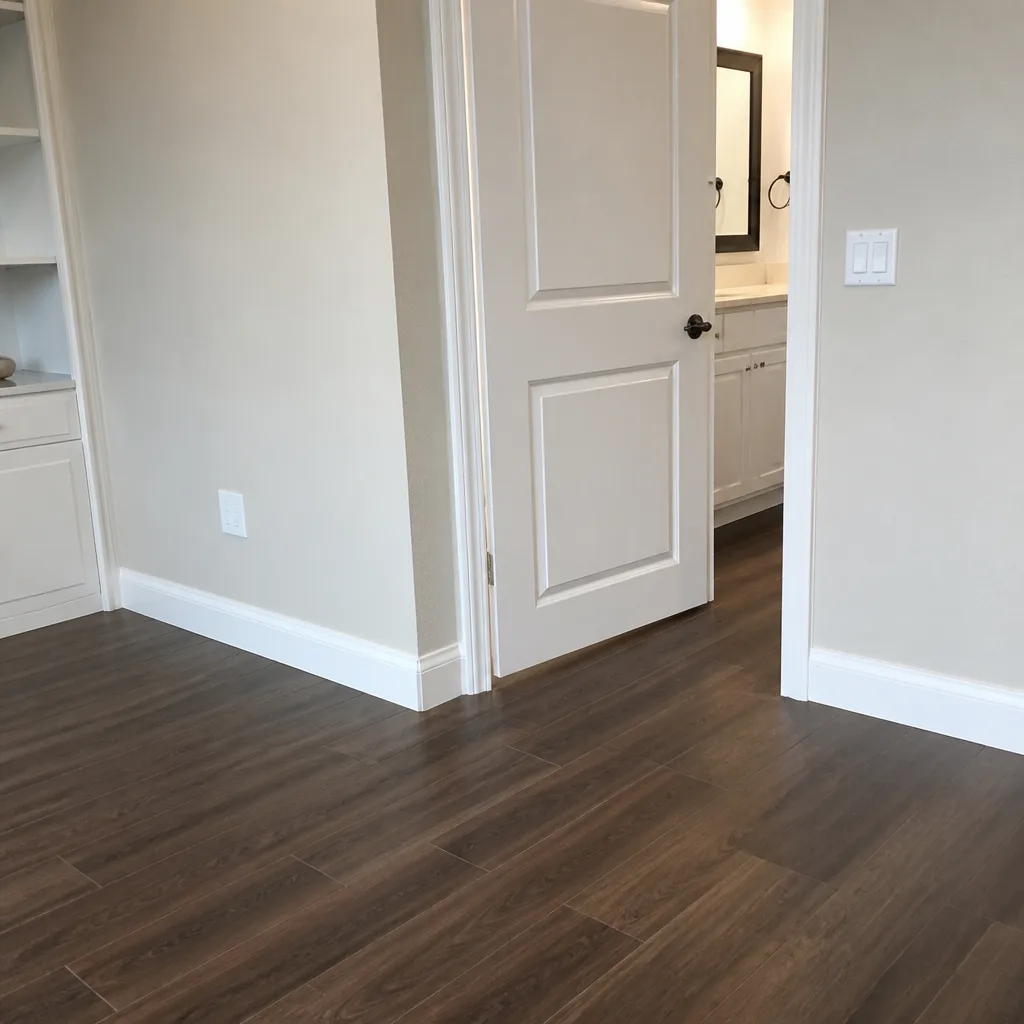 After
After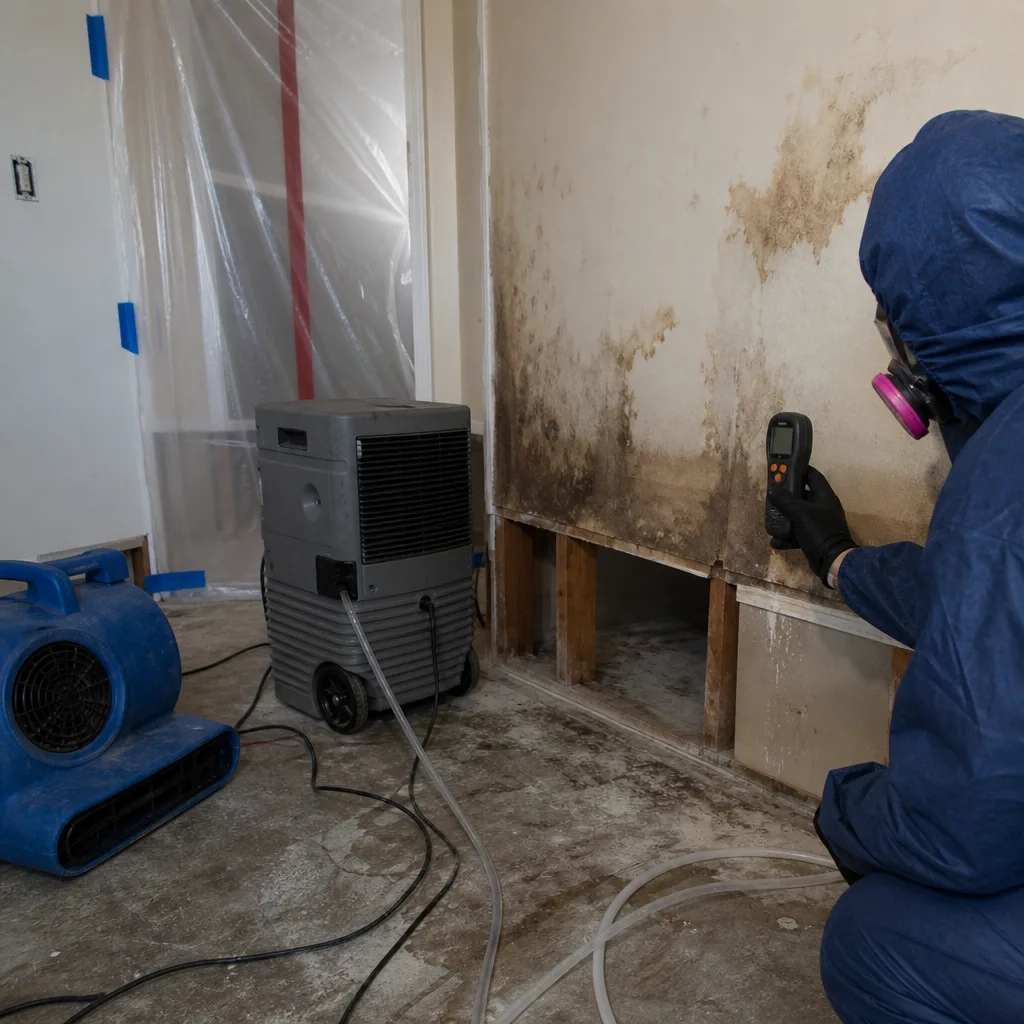 Before
 After
AfterWater Damage Restoration Maintenance Checklist for Irvine Homeowners
Irvine’s water pressure routinely runs 80-100 PSI in older Woodbridge and Northwood tracts - 25 PSI above the threshold where supply line fittings begin to fatigue. That single number explains a disproportionate share of the city’s under-sink and washing-machine losses. In this guide - a companion to The Complete Guide to Damage Restoration in Irvine - we’ll give you the specific thresholds, dates, and product specifications that turn vague “inspect annually” advice into a documented maintenance record an adjuster will accept as proof of due diligence. You’ll learn exact PSI targets, normal versus abnormal moisture readings for slab-adjacent spaces, irrigation timing tied to Irvine’s seasonal evapotranspiration rates, and how to photograph and log each checklist pass so it holds up if a claim ever goes to review.
Quick Answer
A water damage restoration maintenance checklist for Irvine homeowners should include monthly pressure-regulator verification (target 60-80 PSI), quarterly moisture baseline readings for slab-adjacent spaces (below 15% wood moisture equivalent is normal), seasonal irrigation timing adjustments tied to ET rates, and date-stamped photo documentation of every inspection. For professional help, see our Water Damage Restoration services. These four elements, logged in a format with dates, readings, and locations, create a record that satisfies most insurance adjusters’ due-diligence requirements.
Table of Contents
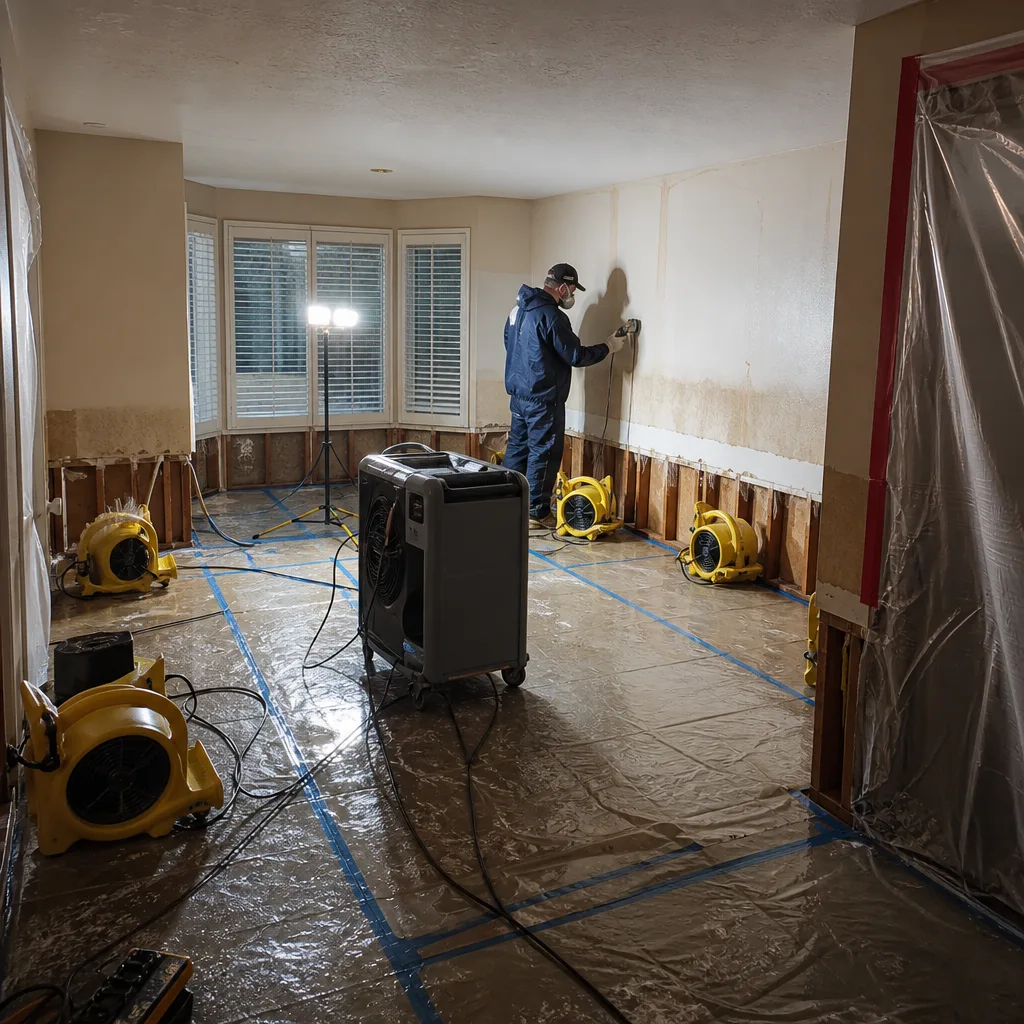
- Pressure-Regulator Inspection and PSI Targets
- Quarterly Moisture Baseline Readings
- Irrigation System Timing for Irvine’s Climate
- Appliance Supply Lines and Fitting Inspection
- Roof Drainage and Gutter Maintenance
- How to Document Your Checklist for Claims
- Common Mistakes to Avoid
- When to Call a Professional
- Frequently Asked Questions
 Before
 After
AfterPressure-Regulator Inspection and PSI Targets
Start here. Nothing on this checklist matters more, and nothing is more commonly skipped.
Irvine’s municipal supply enters most homes at 80-120 PSI. The pressure regulator, typically located where the main line enters the house or just after the meter, should step that down to 60-80 PSI. Above 80 PSI, the risk of supply-line failure rises sharply. At 100 PSI, the flexible braided hoses on washing machines and the compression fittings under sinks begin to fatigue at rates we’ve measured in the field.
Here’s what to check and when:
- Buy a dial-type pressure gauge with a hose bib adapter. A $15 gauge from any hardware store is sufficient. Digital gauges drift; dial gauges stay accurate for years if stored dry.
- Attach to an exterior hose bib or the washing-machine cold tap. Record the reading with no water running anywhere in the house. This is your static pressure.
- Run two fixtures simultaneously inside. Record the pressure again. This is your residual pressure. A drop of more than 15 PSI between static and residual indicates a restriction, often a failing regulator or a partially closed valve.
- Check the regulator’s manufacture date. Most brass-body regulators have a service life of 7-10 years in Irvine’s water chemistry, which runs moderately hard (140-180 ppm calcium carbonate). If the date is unreadable or the regulator is older than 10 years, replace it. The cost of a regulator is $40-$80; the cost of a failed fitting at 2 AM is $3,000-$15,000 in water damage.
The two fittings most likely to fail first in Irvine’s tract housing stock are the 3/8-inch compression angle stops under kitchen and bathroom sinks, and the hot-side braided hose on washing machines. Both see thermal cycling, and both are often original equipment in 1980s-1990s Woodbridge and Northwood homes. When pressure runs high, these are the failure points we document most often in water damage restoration in Irvine.
Log each reading: date, static PSI, residual PSI, regulator condition, next check date. Photograph the gauge face with the reading visible, and photograph the regulator label.
Quarterly Moisture Baseline Readings
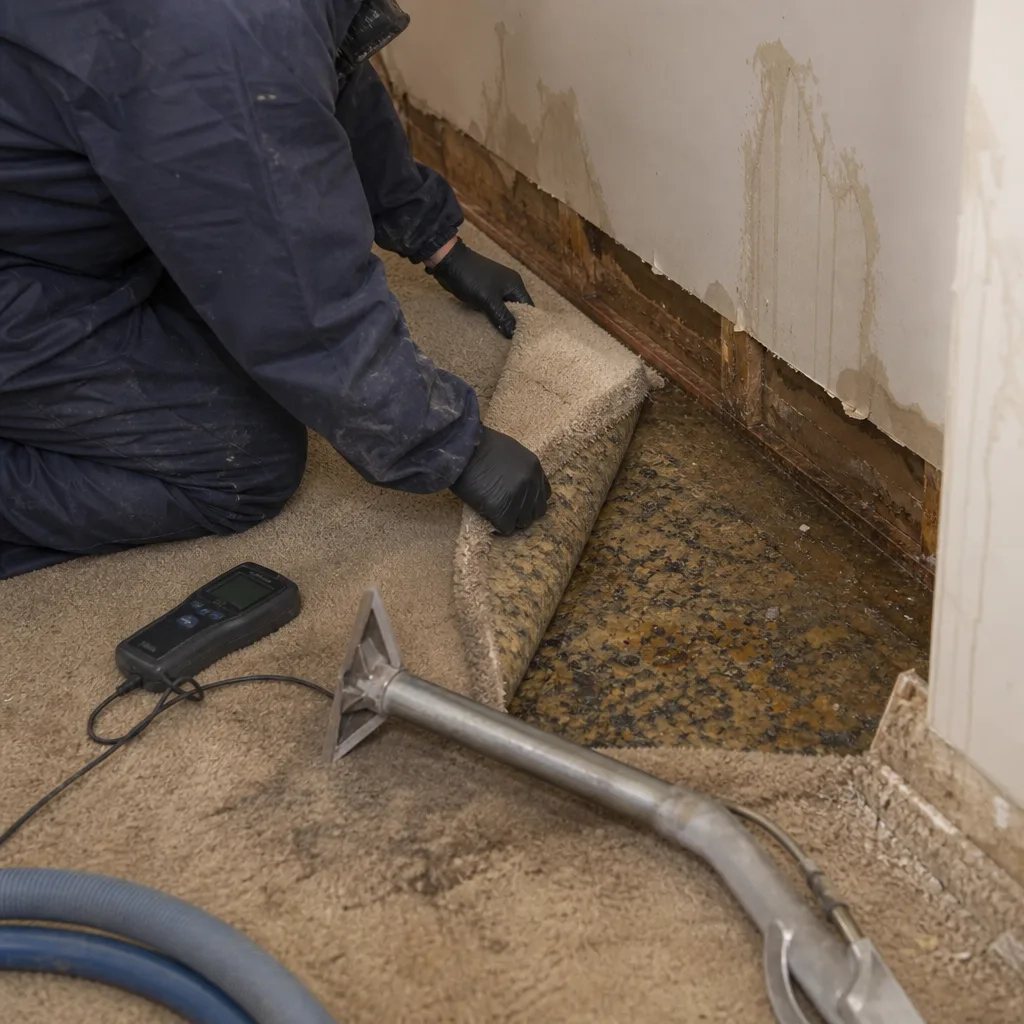
Slab-adjacent spaces in Irvine - the 6-12 inches of wall above concrete slab, utility closets with water heaters, and any room with a concrete floor - need quarterly moisture readings. Basements are rare here, but slab-on-grade construction is universal, and capillary moisture migration through slab edges is a persistent issue, especially in older tracts with compromised vapor barriers.
A normal reading depends on the meter and the material. Here’s the practical standard we use on every DryMark Restoration Irvine home inspection:
- Pin-type meter on drywall above slab: Below 12% moisture content is normal. 12-16% warrants investigation. Above 16% indicates active moisture intrusion.
- Pinless meter on baseplate or sill plate: Below 15% wood moisture equivalent is normal. 15-20% indicates elevated risk. Above 20% means water is present.
- Concrete slab relative humidity (in-situ probe): Below 75% RH per ASTM F2170 is acceptable for flooring installation. For maintenance purposes, a reading above 80% with no recent spill or cleaning indicates a sub-slab moisture issue.
The pinless meters sold at hardware stores ($50-$150) are adequate for homeowner monitoring. Calibrate them annually on a known-dry piece of lumber. In our experience, readings taken in March and September catch the seasonal swings: March after winter rains have percolated, September after peak irrigation season.
Where to measure:
- Utility closet with water heater, 6 inches above slab on the wall least exposed to the heater itself
- Kick-space under kitchen sink, on the base cabinet wall
- Any wall sharing a bathroom wet wall, 4 inches above floor
- Garage interior wall adjacent to living space, 6 inches above slab
- Exterior wall in any room with a history of sprinkler overspray
Document each reading with the meter type, exact location, date, and reading. A spike of 5 percentage points from your baseline is your threshold for calling a professional. Not a stain. Not a smell. A number.
Irrigation System Timing for Irvine’s Climate
Irvine sits in a Mediterranean climate zone with reference evapotranspiration (ETo) rates that swing from 0.05 inches per day in December to 0.25 inches per day in July. Most homeowners set their timers once and forget them. That single error accounts for a measurable share of the exterior-wall and foundation moisture issues we see in Turtle Rock, University Park, and the older Woodbridge tracts.
The Metropolitan Water District of Southern California publishes monthly ETo data for the Irvine area. Use it. Here’s the practical translation:
| Month | Irvine ETo (in/day) | Recommended Irrigation | Oversaturation Risk |
|---|---|---|---|
| January-February | 0.05-0.07 | 1x weekly, 8-10 min per station | Low |
| March-April | 0.10-0.14 | 2x weekly, 10-12 min | Moderate (spring rains + irrigation) |
| May-June | 0.18-0.22 | 3x weekly, 12-15 min | Low |
| July-August | 0.23-0.27 | 3x weekly, 15-18 min | Low |
| September-October | 0.15-0.20 | 2x weekly, 12-15 min | High (ET drops, timers don’t) |
| November-December | 0.06-0.08 | 1x weekly, 8-10 min | Moderate |
September and October are the danger months. Homeowners who set timers in July leave them running into October, when ETo has dropped by 30-40%. The excess water percolates near foundations, especially in the clay-heavy soils of lower-lying Irvine tracts. We’ve documented moisture intrusion in slab perimeters directly traceable to irrigation timers that hadn’t been adjusted since June.
Specific checklist items:
- Adjust timers monthly, not seasonally. The 5-minute investment prevents thousand-dollar problems.
- Verify spray heads throw away from the structure, not against it. A head misaligned by 10 degrees can saturate a foundation corner in one cycle.
- Check for broken heads after any landscaping work. We’ve seen drip lines severed by aeration, flooding planter beds against stucco for weeks before detection.
- Install a rain sensor if you don’t have one. Irvine’s winter rain events are brief but intense; a sensor prevents the absurdity of irrigating during a downpour.
Photograph your timer settings each time you adjust them. Date-stamp the photo. If a foundation moisture claim ever arises, this is your evidence of reasonable care.
Appliance Supply Lines and Fitting Inspection
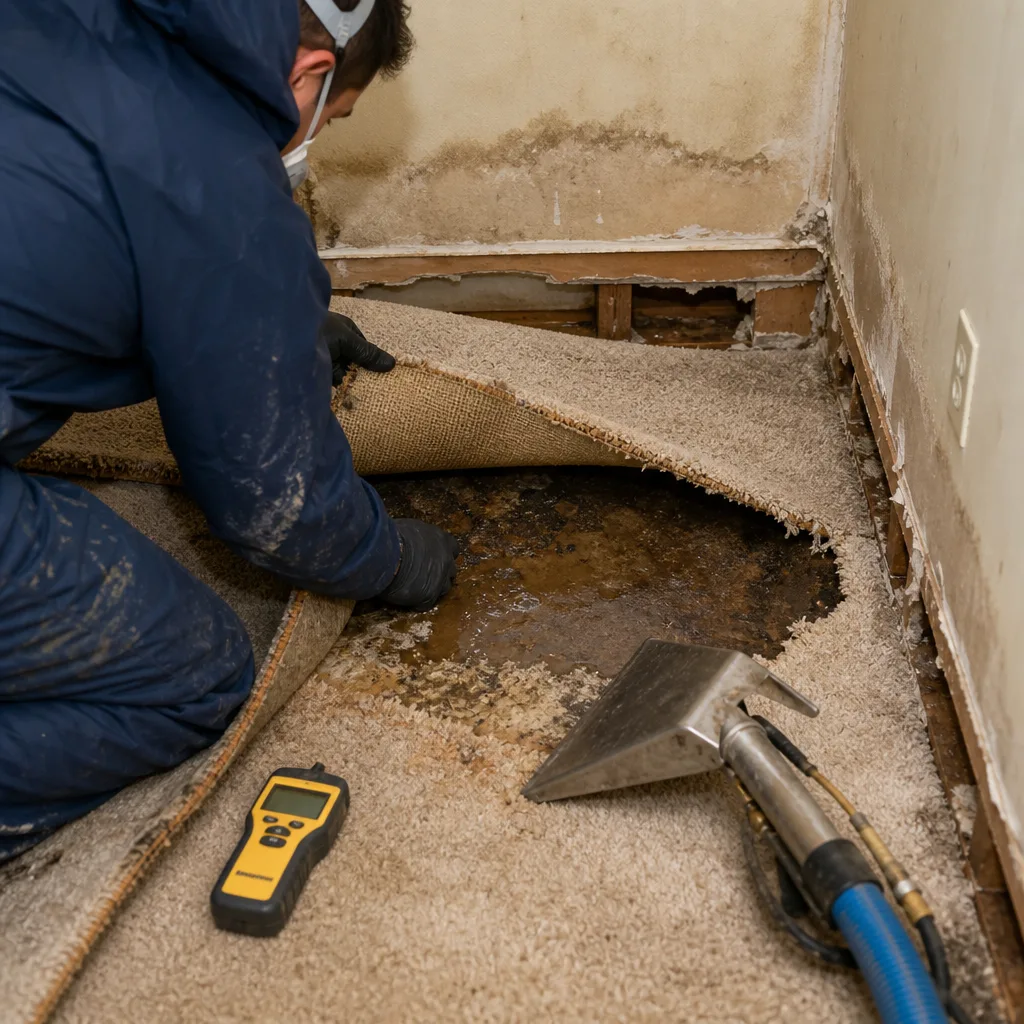
Refrigerator icemaker lines, dishwasher supplies, and washing-machine hoses are the most common point-of-origin for residential water losses in Irvine. They’re also the easiest to inspect and the cheapest to upgrade.
Replace any rubber or braided-rubber washing-machine hose every 5 years, regardless of appearance. The burst pressure on a new rubber hose is 800 PSI; after 5 years of thermal cycling and chlorine exposure in Irvine’s municipal supply, that can drop below 200 PSI. Burst-resistant braided stainless steel hoses cost $20-$30 per pair and last 10+ years. This is not a place to save money.
Refrigerator icemaker lines are a special case. The 1/4-inch plastic tubing (often polypropylene or polyethylene) becomes brittle with age and can crack if the refrigerator is moved for cleaning. In homes with hard flooring and no flexibility in the line, even minor vibration can fatigue the connection. We recommend:
- Inspect the visible portion of the line annually for discoloration, kinking, or stiffness
- Replace plastic lines with braided stainless or copper tubing at any sign of wear
- Install a saddle valve shutoff behind the refrigerator, and verify it operates freely - many are seized after years of disuse
Dishwasher supply lines run hot water and see the most thermal stress. The 3/8-inch compression fitting at the dishwasher inlet is a common leak point. Tighten only to hand-tight plus 1/4 turn with a wrench; over-tightening deforms the ferrule and creates a leak path. If you see corrosion on the fitting, replace the entire line - corrosion indicates the ferrule has already begun to fail.
Under-sink angle stops in Irvine’s older tracts deserve particular attention. The multi-turn valves common in 1980s construction use a rubber washer that hardens and cracks. Quarter-turn ball valves are the modern standard and should replace any multi-turn valve that feels stiff or drips at the stem. A licensed plumber can replace three angle stops in under an hour; the cost is $150-$250 versus the $5,000-$20,000 we’ve seen from a failed valve that ran undetected during a weekend away.
Log each inspection: appliance, line type, date installed or replaced, condition, next check date. Photograph the label on any new hose or valve.
Roof Drainage and Gutter Maintenance
Irvine’s rainfall is concentrated and intense when it comes. A typical February storm can drop 2-3 inches in 24 hours, and the city’s flat-roof commercial buildings and low-slope residential sections are not designed for sustained ponding. Even pitched roofs in Turtle Ridge and Shady Canyon can overwhelm gutters if debris has accumulated since the previous winter.
The maintenance threshold is functional, not cosmetic:
- Gutters: Water should flow freely through downspouts during a rain event. Any overflow at the gutter edge indicates blockage or insufficient capacity. Clean gutters twice yearly: once in late October before the rainy season, and once in March after the last storms.
- Downspout extensions: Terminate 6 feet from the foundation on a slope that carries water away. In the heavy clay soils common in North Irvine, water dumped at the foundation perimeter can percolate laterally and saturate slab edges.
- Flat or low-slope roofs: Inspect drains and scuppers before each rainy season. A single leaf clog in a roof drain can create a pond that exceeds the design load and forces water through membrane seams. We’ve documented interior damage from roof drains clogged by one season’s debris accumulation.
- Valley flashing: In tile roof sections, the valley flashing is the most common intrusion point. Look for displaced tiles, exposed underlayment, or granule accumulation in the valley that indicates wear. Irvine’s Santa Ana wind events can dislodge tiles; a visual check after any significant wind event is prudent.
Document with date-stamped photographs of clean gutters, functional downspouts, and clear roof drains. If wind or storm damage ever becomes a claim, these photographs establish pre-event condition.
How to Document Your Checklist for Claims
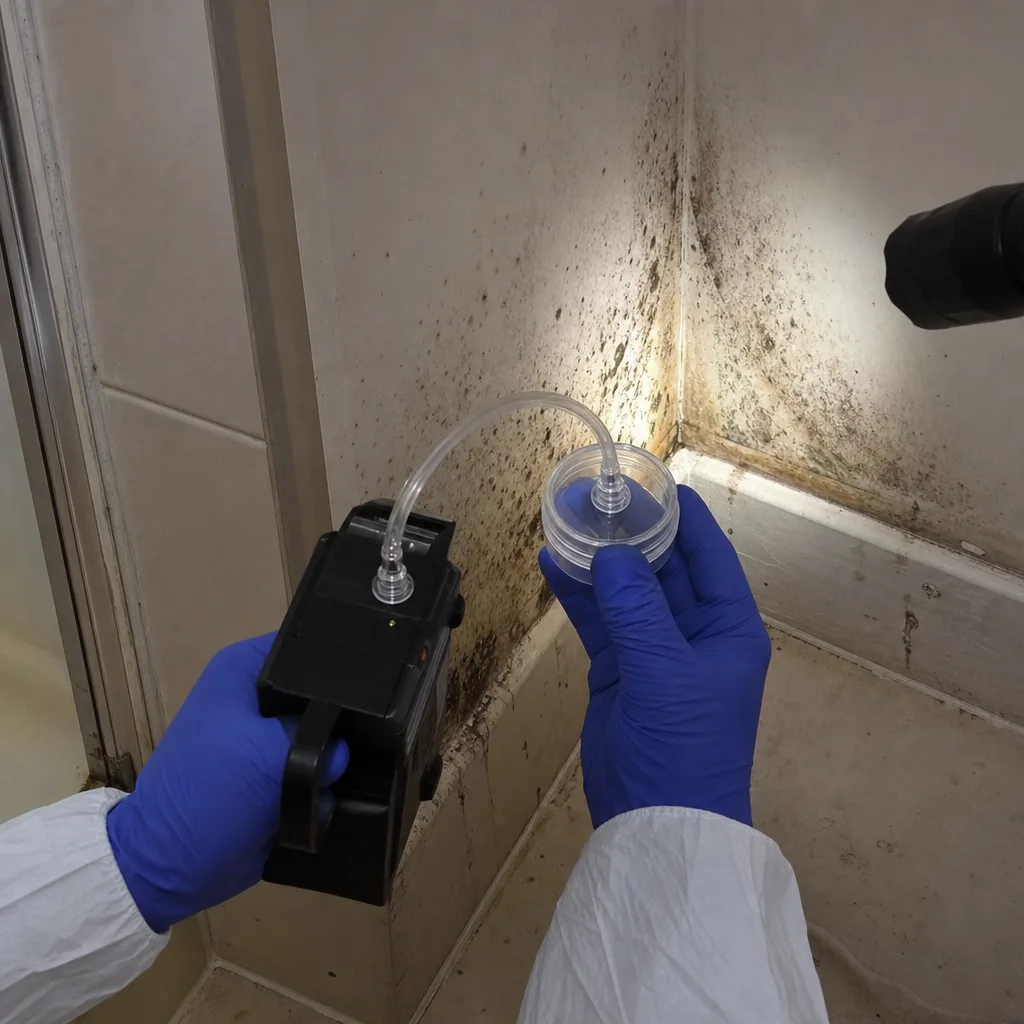
A checklist in your phone’s notes app is better than nothing. But it is not evidence an adjuster will accept as proof of due diligence. The documentation standard that holds up is specific, consistent, and reproducible.
We structure every water damage restoration in Irvine job around documentation because we’ve seen what happens when it’s absent: claims delayed, coverage disputed, homeowners paying out of pocket for losses that should have been covered. The same standard applies to your maintenance records.
Here’s the format we recommend, derived from the daily drying logs we produce on every job:
| Element | What to Record | Example |
|---|---|---|
| Date and time | Exact date and approximate time of inspection | 2024-03-15, 10:30 AM |
| Location | Room, appliance, or system inspected | Kitchen sink, cold angle stop |
| Reading or observation | Number, condition, or status | Static pressure 72 PSI, residual 68 PSI |
| Threshold check | Whether reading is within normal range | Within 60-80 PSI target: YES |
| Action taken | What you did, or “none required” | None required; next check scheduled 2024-06-15 |
| Photo reference | File name or cloud storage location | IMG_20240315_103045.jpg |
Store records in a cloud folder with automatic backup. Google Drive, iCloud, Dropbox - the platform matters less than the consistency. Create a folder per year, subfolder per quarter, and name each file with date and location. A file named “2024-Q1_PressureRegulator_72PSI.jpg” is self-documenting; a file named “IMG_1234.jpg” is not.
If a loss occurs, print the relevant records and attach them to your claim submission. Adjusters are required to evaluate evidence of maintenance; a documented history of quarterly moisture readings and annual pressure checks supports the position that the loss was sudden and accidental, not the result of long-term neglect.
The mold remediation in Irvine cases we handle often turn on this distinction. Mold resulting from a sudden leak is typically covered; mold from a maintenance issue that went unaddressed for months is not. Your documentation is the difference.
Common Mistakes to Avoid
- Inspecting without measuring. “Looks fine” is not a maintenance record. A pressure regulator can appear intact while failing to regulate. Take the number.
- Using the same photo repeatedly. Adjusters compare metadata. A single photo with a 2022 date submitted for a 2024 claim damages credibility more than no photo at all.
- Ignoring September irrigation adjustment. This is the single most common seasonal error in Irvine. ET rates drop; timers stay set for July. Foundation moisture spikes follow.
- Replacing a failed fitting with the same type. A braided-rubber hose that failed under pressure should be replaced with braided stainless, not another rubber hose that will fail the same way.
- Storing records only on a phone. Phones are lost, damaged, replaced. Cloud backup with date-stamped filenames is the standard.
- Waiting for visible damage. By the time drywall stains appear, moisture has been present for days or weeks. The checklist exists to catch conditions before they become visible.
When to Call a Professional
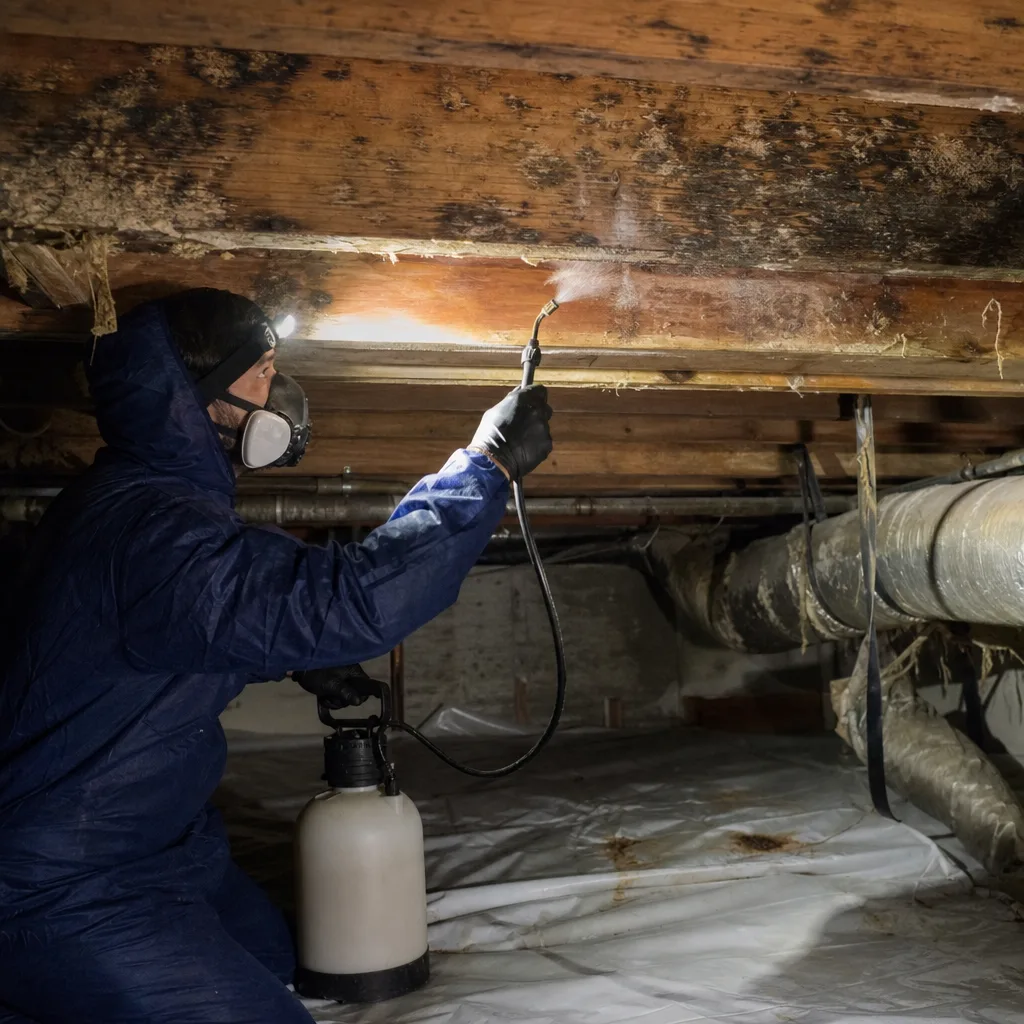
Call a licensed restoration professional when any of the following conditions appear: moisture meter readings above 16% on drywall or 20% on wood with no identifiable source; pressure readings above 80 PSI static or a residual drop exceeding 20 PSI; any water intrusion that has affected multiple rooms, reached wall insulation, or been present for more than 24 hours; or mold growth visible on any surface larger than 10 square feet. These thresholds indicate conditions beyond homeowner remediation.
DryMark Restoration Irvine offers free estimates in Irvine - call (657) 212-2570. Every estimate includes a written scope and price before any work begins, documented moisture readings, and a photo record of conditions found. Our fire and smoke damage restoration in Irvine follows the same documentation standard, as does every service we provide.
Frequently Asked Questions
Check static and residual pressure monthly using a dial-type gauge. Irvine’s municipal supply pressure fluctuates with demand and infrastructure work, and pressure regulators degrade gradually. Monthly checks catch regulator drift before it reaches the 80 PSI threshold where fitting failure risk rises sharply. Log each reading with date and photo. Call (657) 212-2570 if your static pressure exceeds 80 PSI - a regulator replacement is typically under $200 installed.
On drywall above slab, above 12% moisture content warrants investigation and above 16% indicates active intrusion. On wood framing or baseplates, above 15% wood moisture equivalent is elevated risk and above 20% means water is present. These thresholds are based on IICRC standards and our field measurements across thousands of Irvine homes. A single elevated reading should be confirmed 24 hours later; a sustained elevation requires professional assessment.
Coverage depends on whether the loss was sudden and accidental versus the result of long-term neglect. Insurers deny claims where maintenance records show a known condition was left unaddressed - a documented pressure reading of 95 PSI with no regulator replacement, for instance. Conversely, documented quarterly maintenance supports coverage by demonstrating due diligence. This is why we emphasize date-stamped photo records with specific readings, not vague checklists.
Our live dispatch answers every call 24 hours a day, 7 days a week with no voicemail on emergency lines. For active water losses - water currently moving or recently stopped - we dispatch immediately and arrive with professional-grade drying systems from Dri-Eaz, Phoenix, and Injectidry. For non-emergency assessments, we schedule within 24 hours. Every job begins with a written price before work starts, documented moisture readings, and a photo record of conditions.
Surface water can be extracted with a wet/dry vacuum, but structural drying requires controlled airflow, temperature, and humidity - psychrometric conditions that consumer equipment cannot achieve. Water wicks into wall cavities, under baseplates, and through slab joints within hours. Professional-grade dehumidifiers and air movers, monitored with daily moisture logs, are necessary to reach dry standard and prevent secondary damage. We document every drying job to IICRC, RIA, and IFA standards with daily logs that support insurance claims.
DryMark Restoration Irvine provides free estimates that include documented moisture readings, a written scope, and a firm price before any work begins - Haven Standard, Clause 1. For homeowners who have received a competitor’s estimate, we offer a free second opinion with no obligation. Call (657) 212-2570 to schedule. If you choose to proceed, every job carries our 365-Day Done Right Promise: if it’s not done right, we make it right, in writing under The Haven Standard.
The Bottom Line
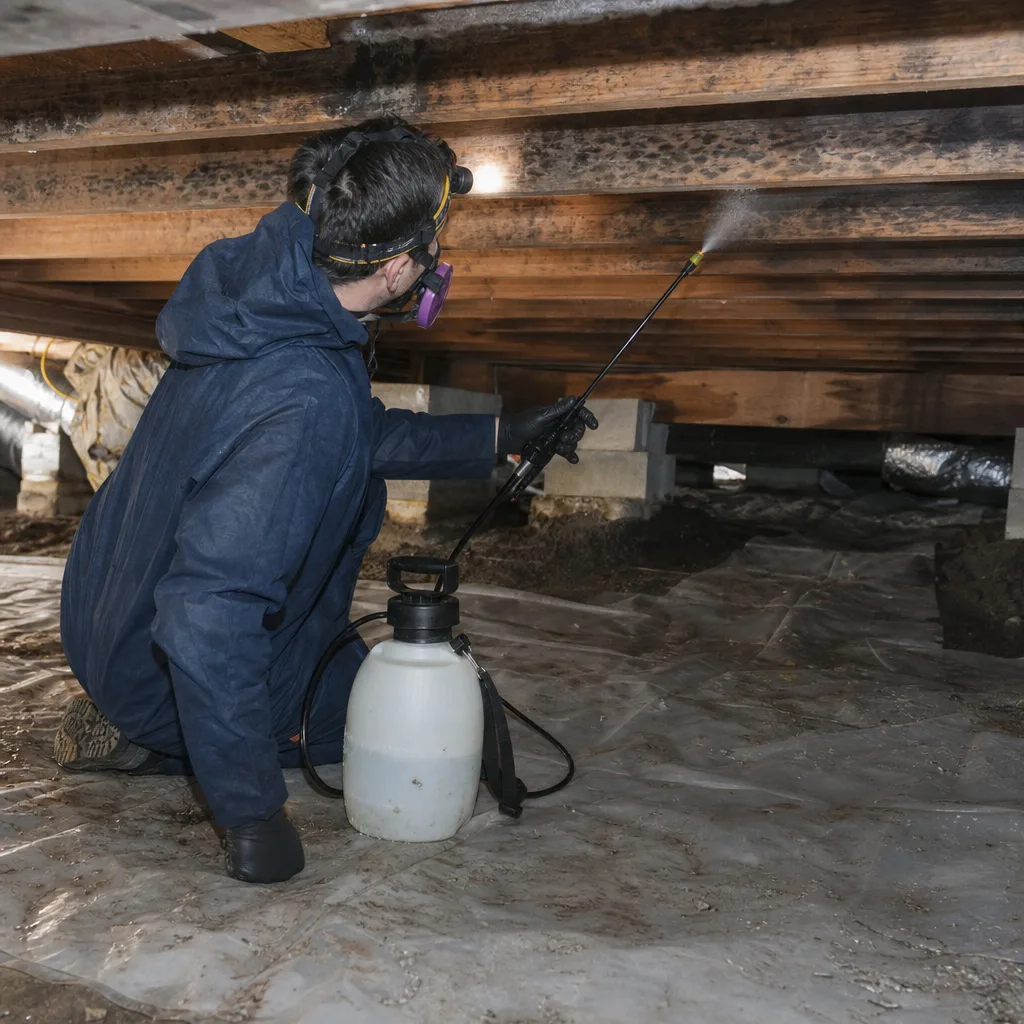
A maintenance checklist is only as good as the numbers it produces. For Irvine homeowners, the critical thresholds are 60-80 PSI water pressure, below 15% wood moisture equivalent in slab-adjacent spaces, and irrigation timing adjusted to monthly ET rates. Document every check with date, reading, location, and photograph. Store records in a consistent cloud format. These practices transform vague good intentions into evidence that protects your property value and your insurance coverage. Explore more guides & resources for year-round maintenance strategies. The 30 minutes per quarter this checklist requires is the cheapest water damage prevention available.
Written by Alicia Brennan, Owner at DryMark Restoration Irvine, serving Irvine since 2011.