
Last updated September 23, 2026
Free visual inspection and a written scope of work before any mitigation begins - photos, moisture readings, and drying logs go in your claim file
The scope we write is the scope we bill. Anything new gets shown to you, in writing, before we touch it.
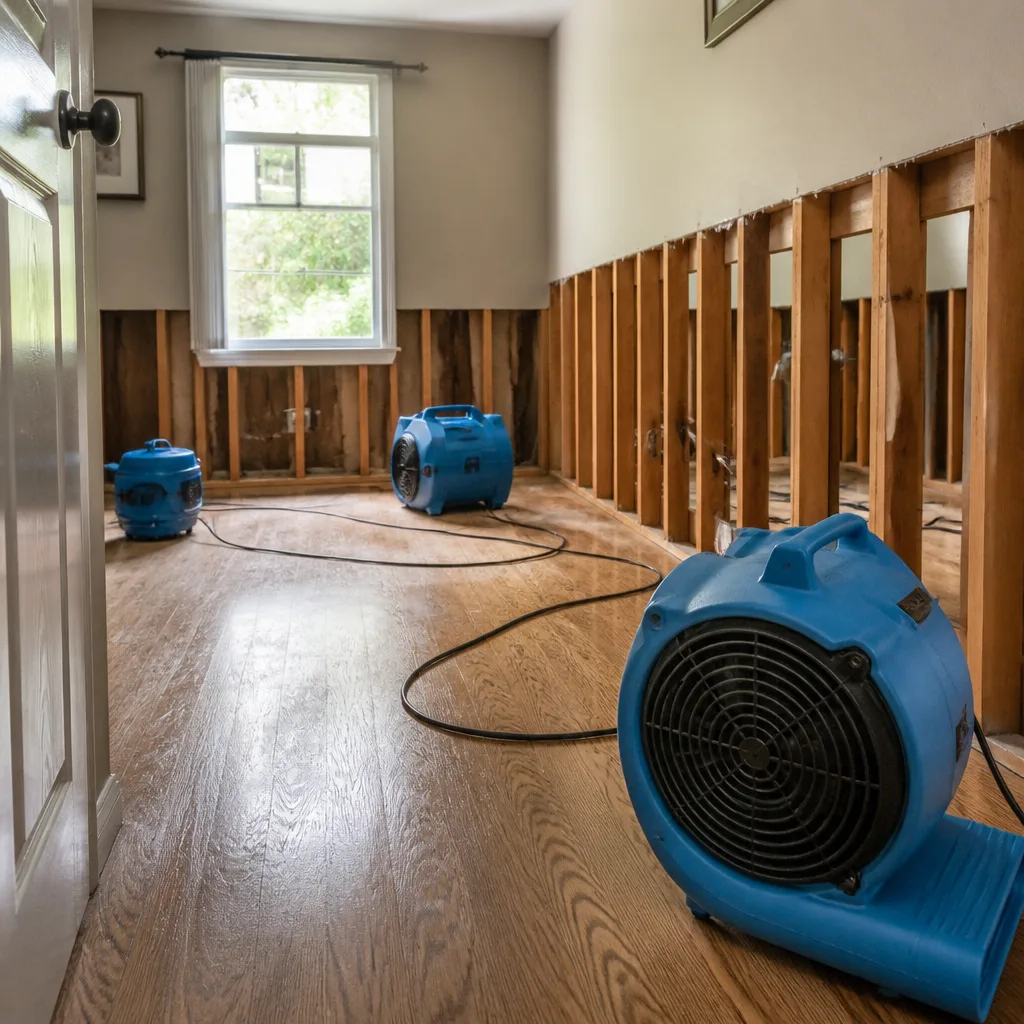

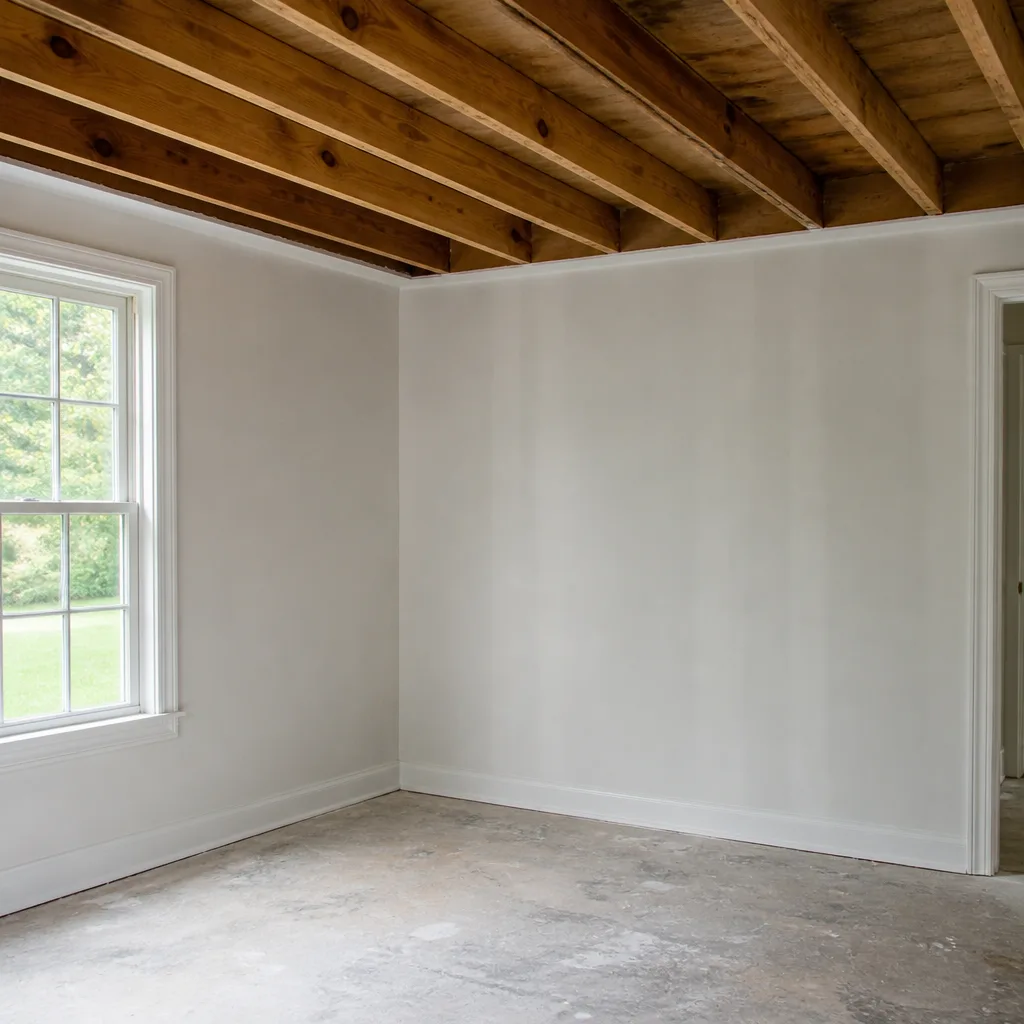
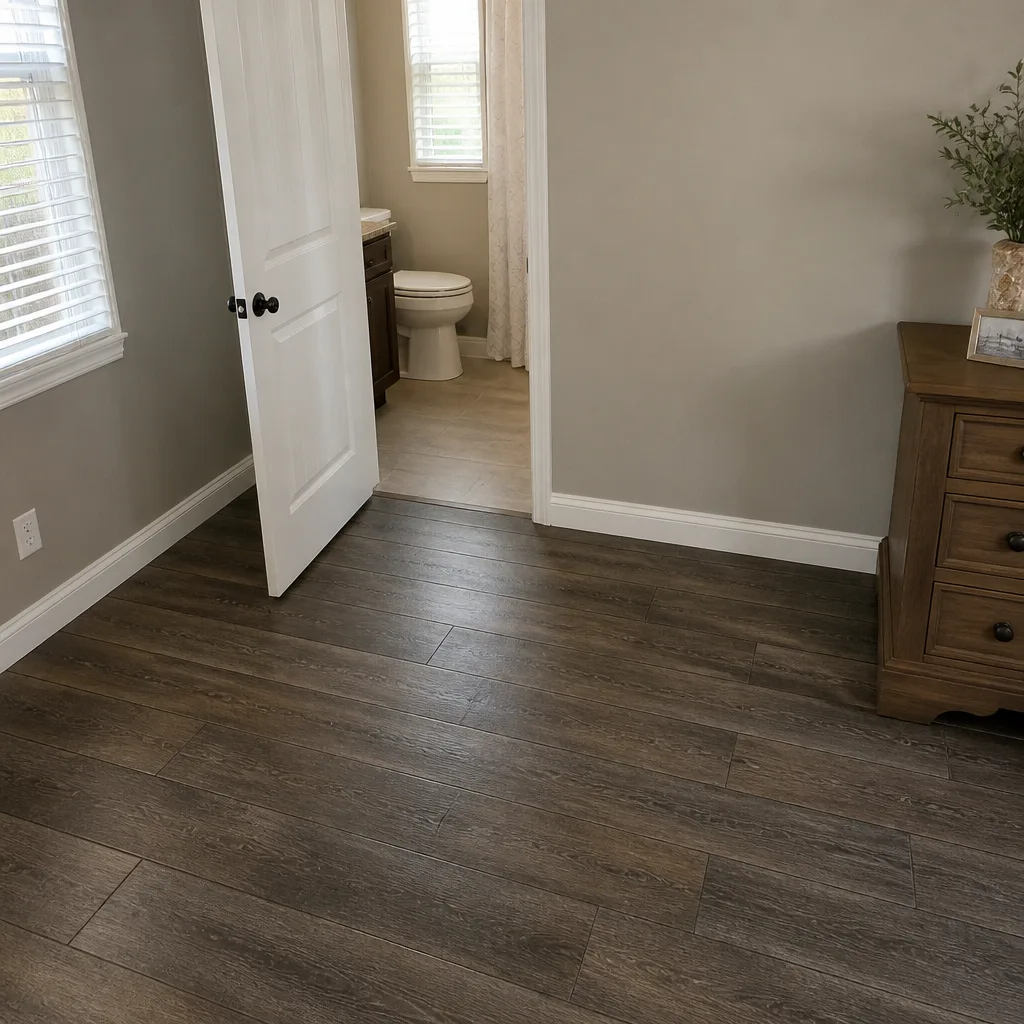

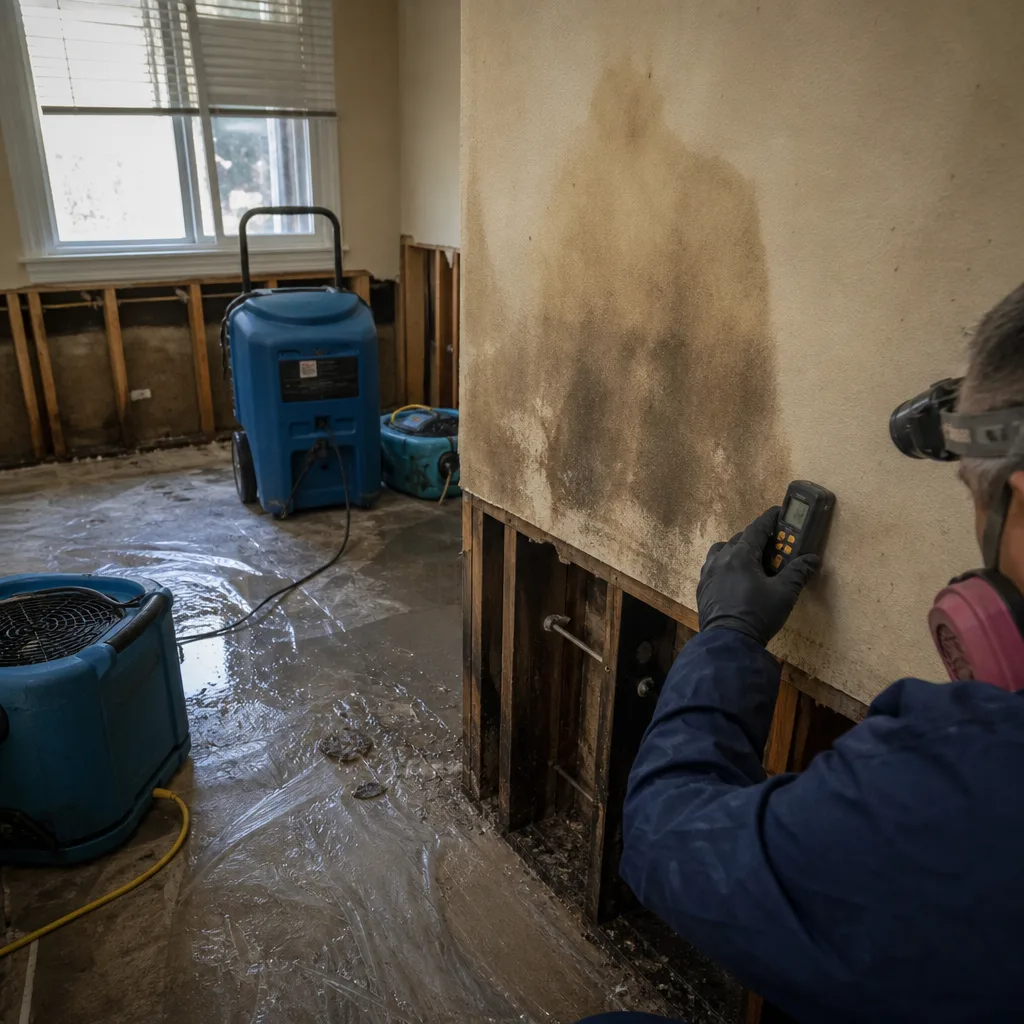 Before
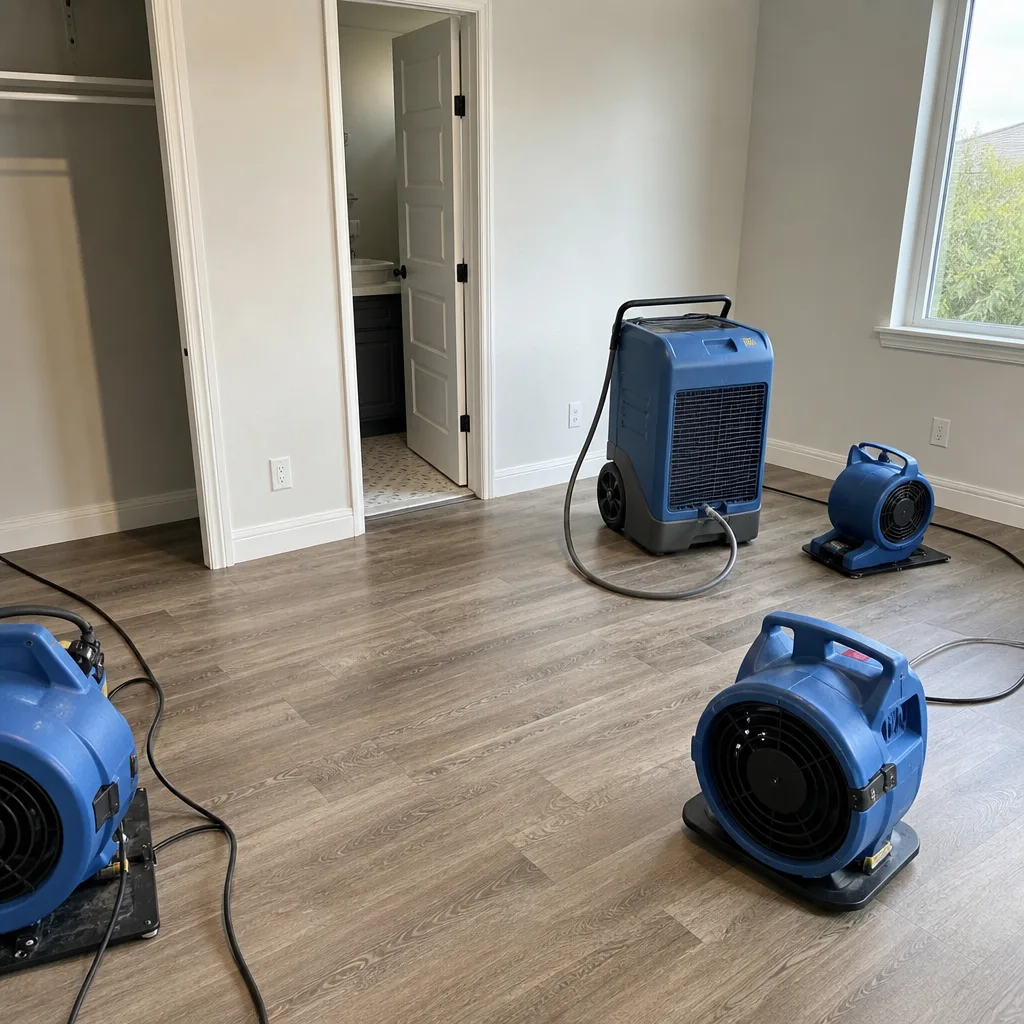 After
After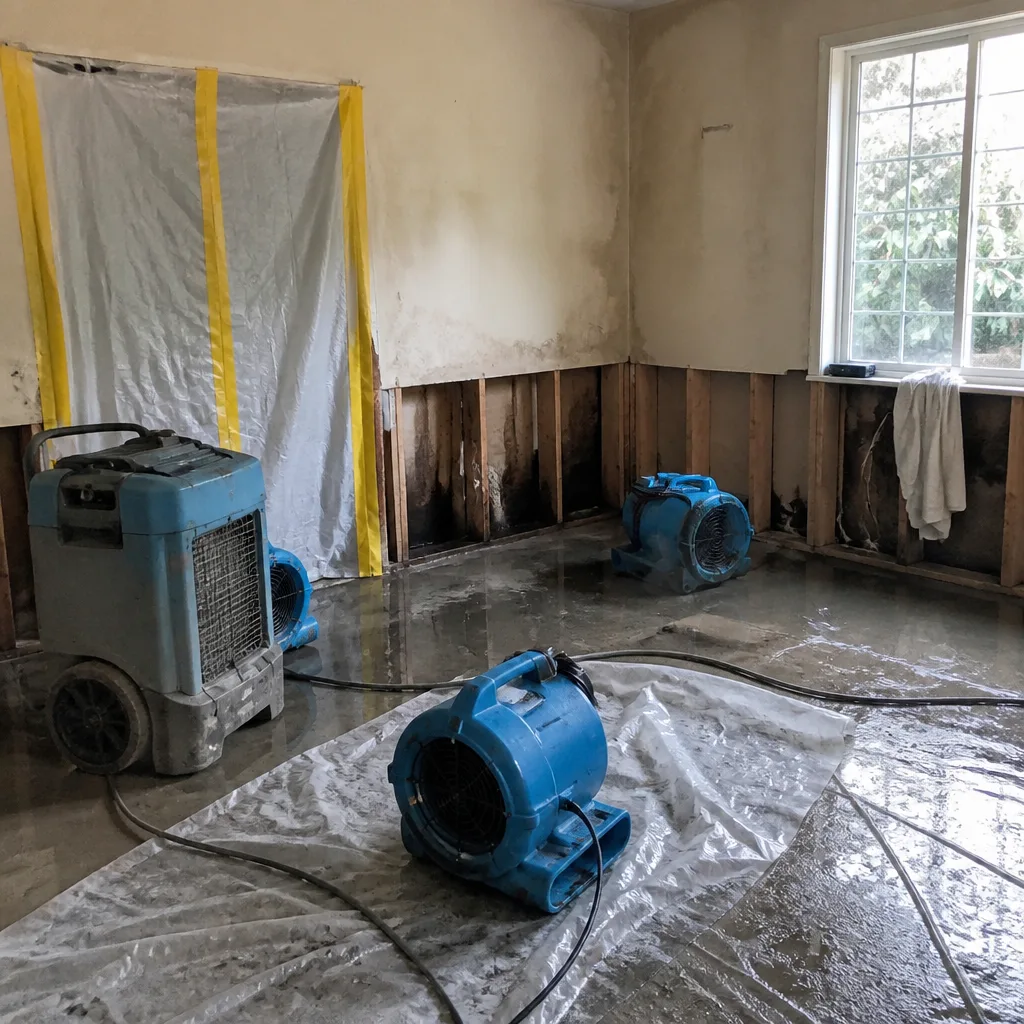 Before
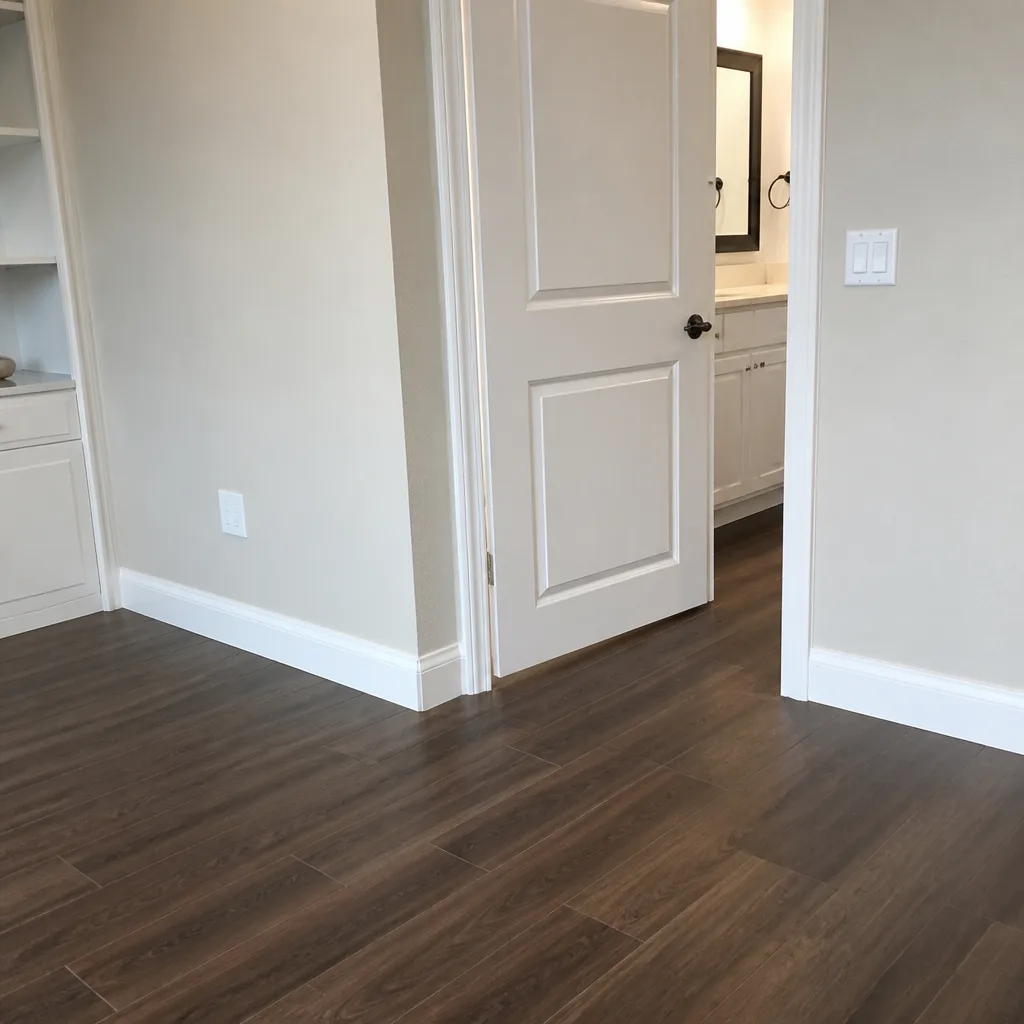 After
After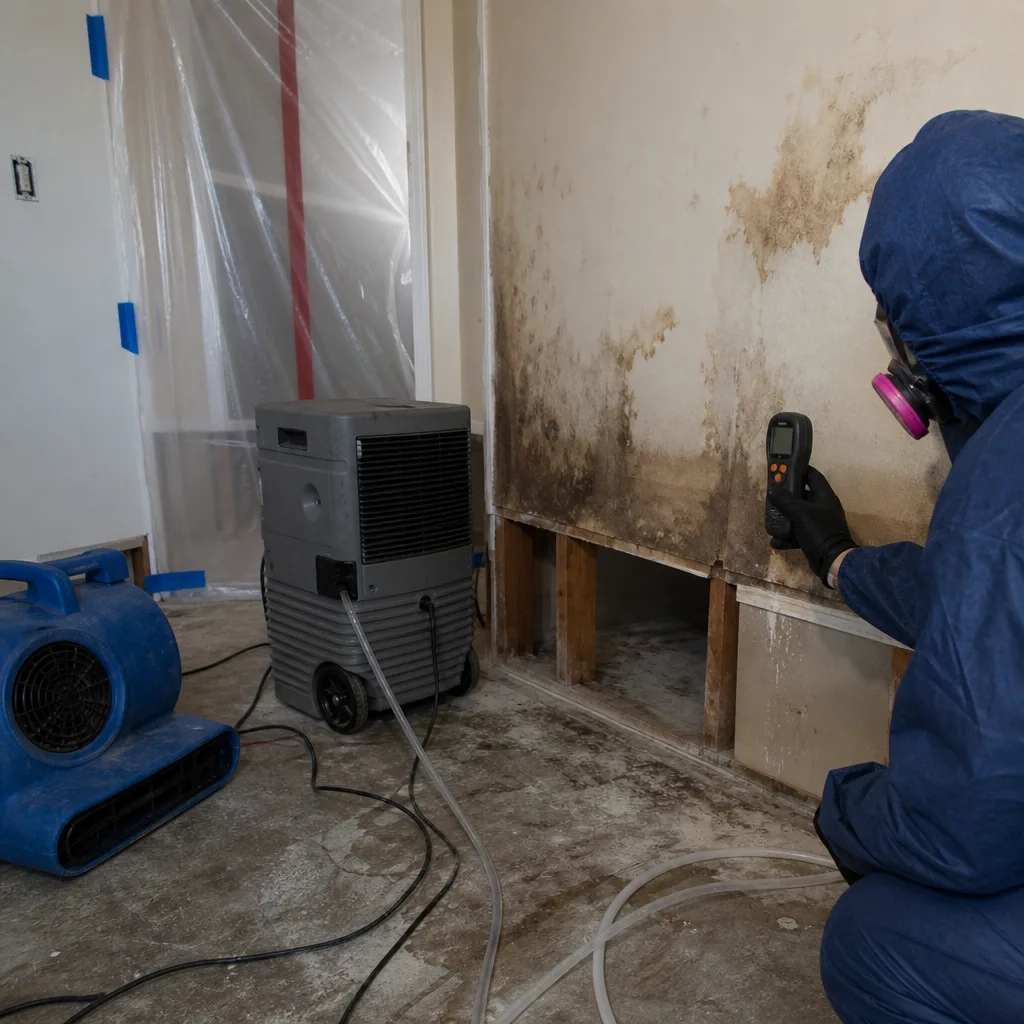 Before
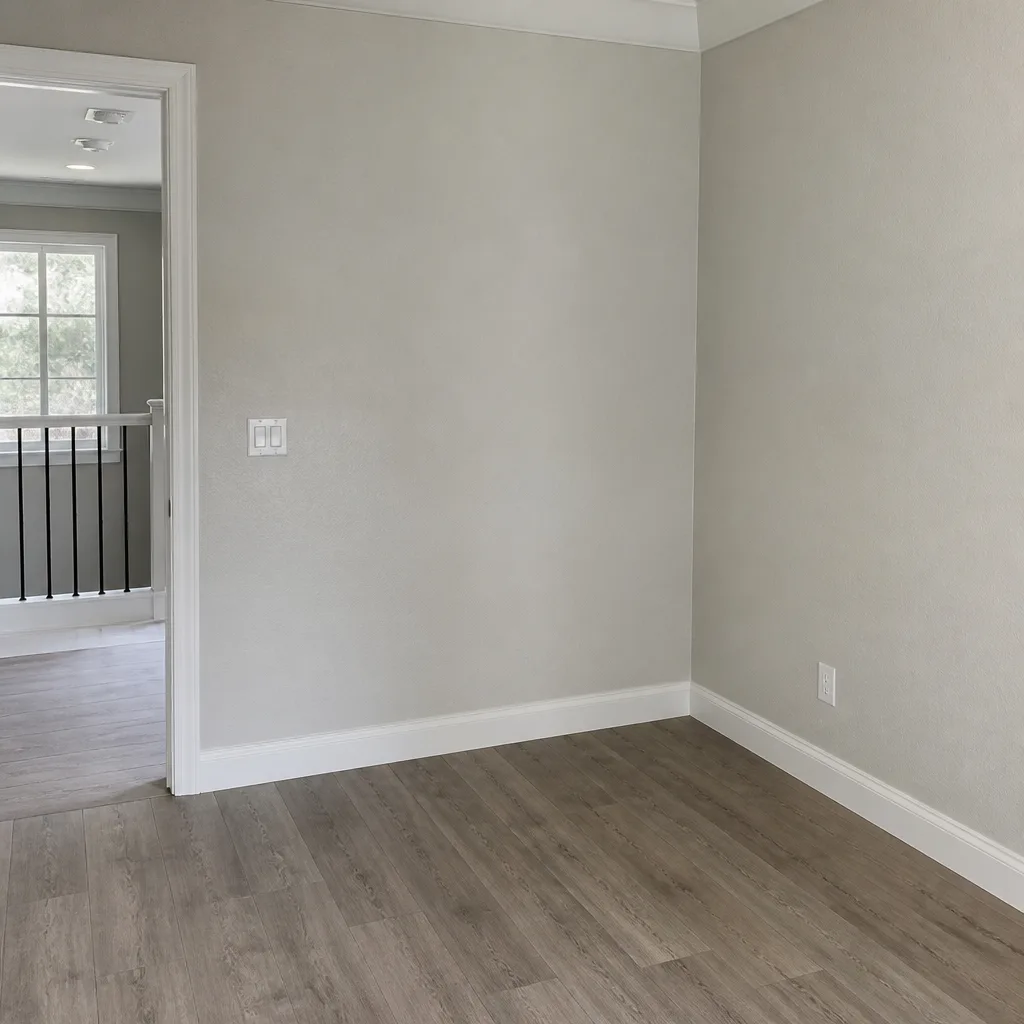 After
AfterSeasonal Damage Restoration Care for Irvine: Year-Round Homeowner’s Guide
Irvine receives roughly 13 inches of rain annually, but over 80 percent of it falls between November and March. That compresses a full year’s moisture exposure into 18 weeks, which means October is the single most valuable month for damage prevention in this city. Homeowners who treat every month the same usually end up calling for emergency extraction in January, when saturated soil meets concrete perimeter foundations and vapor pressure readings spike inside crawl spaces. This guide maps the four distinct chapters of Irvine’s damage calendar and schedules the right inspection against the right risk, month by month.
Quick Answer
Seasonal damage restoration care in Irvine means preventing compressed winter moisture from entering through six exterior failure points in October, monitoring slab-adjacent vapor transmission in January and February, and checking for thermal-expansion leaks in supply lines and roof membranes during the May through September Santa Ana and heat cycle. A documented inspection log created now becomes evidence in future insurance filings.
Table of Contents
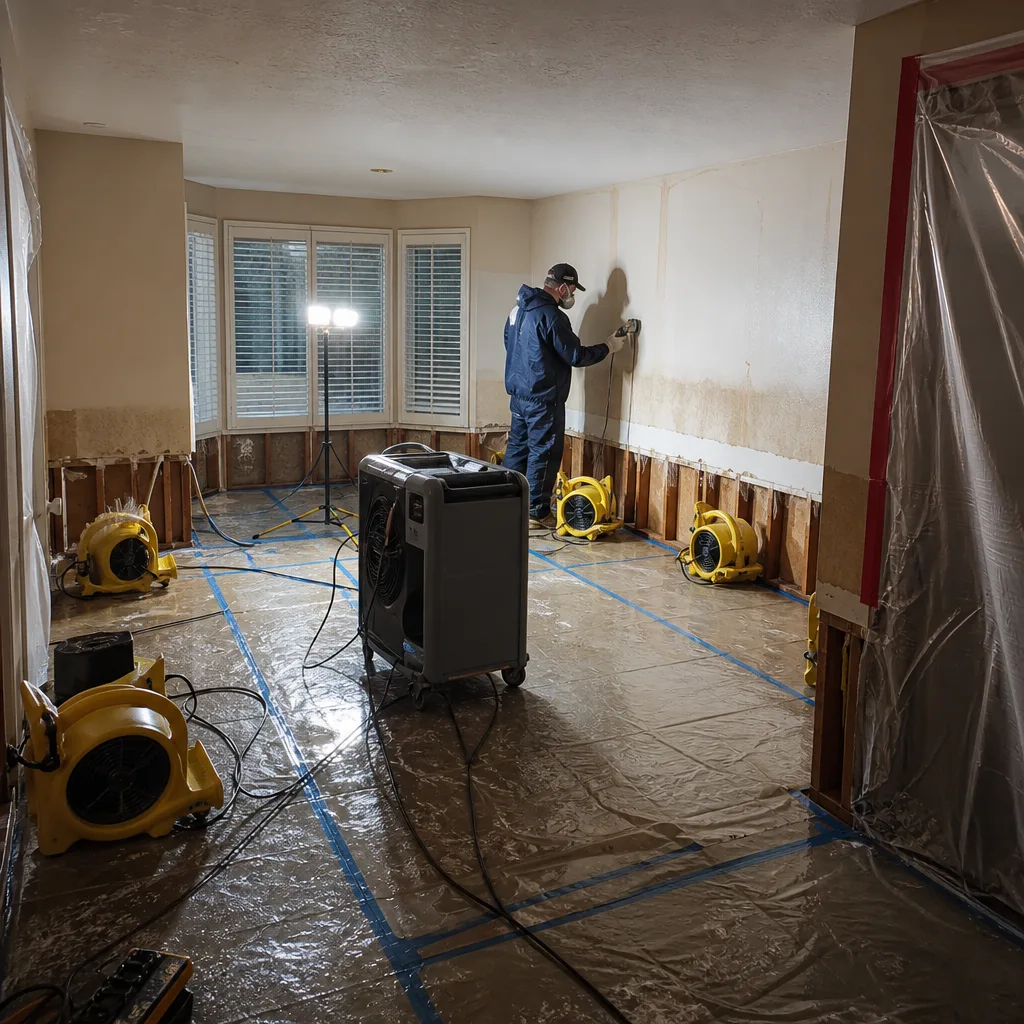
- October Pre-Rain Protocol: The Six Exterior Inspection Points
- November-March: Compressed Moisture and Foundation Risk
- January-February: Reading Vapor Transmission at the Slab Edge
- May-September: Thermal Expansion and Summer Leak Patterns
- How to Read Your Own Moisture Meter at Seasonal Transitions
- A Dated Inspection Log Template for Insurance Documentation
- Common Mistakes to Avoid
- When to Call a Professional
- Frequently Asked Questions
 Before
 After
AfterOctober Pre-Rain Protocol: The Six Exterior Inspection Points
October is the control month in Irvine. The soil is dry, the Santa Ana winds haven’t arrived with full force, and you can still walk a roof without scheduling around a weather window. Every exterior inspection we perform in October follows six points, and the documentation from that visit becomes the baseline photo record if a winter claim develops.
Point 1: Downspout extensions and splash blocks. In Irvine’s clay-heavy soils, water that pools within 24 inches of the foundation will migrate toward the slab through capillary action. We look for extensions that carry roof runoff at least 36 inches from the wall, and we photograph the distance. If an extension is missing or crushed, we note it with a date stamp. In neighborhoods like Northwood and Woodbridge, where lots were graded for drainage in the 1970s and 1980s, original concrete splash blocks have often settled below grade and now trap water against the stem wall.
Point 2: HVAC condensate lines. Secondary condensate lines in Irvine attic installations commonly terminate at roof eaves or exterior walls. A line that drips onto stucco or into a soffit vent in October will saturate that cavity through 40 or 50 winter nights. We trace the full line path, check for cracks in PVC where it exits the roofline, and verify the primary pan has a float switch. No float switch gets written up as a finding.
Point 3: Window weep holes. Modern vinyl and aluminum windows in Irvine’s tract housing stock have weep channels that clog with stucco dust, paint, and pollen. Blocked weep holes force rainwater into the rough opening, where it encounters paper-backed lath that degrades after repeated wetting. We clear weep holes with a piece of 14-gauge wire and photograph the drainage test. This takes four minutes per window and prevents the hidden rot that shows up as a water damage restoration call in March.
Point 4: Roof membrane seams and pipe boots. Thermal cycling in Irvine’s inland valleys, particularly around Portola Springs and Orchard Hills, degrades TPO and modified bitumen seams faster than coastal zones. We walk the roof, note any alligatoring at membrane edges, and check pipe boots for UV cracking. A boot that splits in January will admit water directly into insulation with no visible interior sign until the ceiling sags.
Point 5: Deck-to-wall flashing. Second-story decks in Irvine’s newer construction, especially in Great Park neighborhoods, often have inadequate or reverse-lapped flashing. October is dry enough to remove a few deck boards and inspect the ledger connection. We document the fastener pattern and any staining on the rim joist. Staining here in October predicts structural decay by the following fall.
Point 6: Irrigation backflow and valve box drainage. Automatic irrigation systems run through winter in most Irvine homes. A valve box that fills with groundwater after the first heavy rain will submerge solenoid connections and backflow preventers, causing seepage into adjacent planter beds and, from there, toward the foundation. We lift lids, check for standing water, and verify valve box bottoms are gravel-bedded to grade.
Each of these six points gets a dated photo, a written note, and a moisture reading at the adjacent interior wall. The full October inspection takes 90 minutes for a typical 2,400-square-foot Irvine home and produces a baseline document that has supported dozens of insurance claims we’ve handled since 2011.
November-March: Compressed Moisture and Foundation Risk
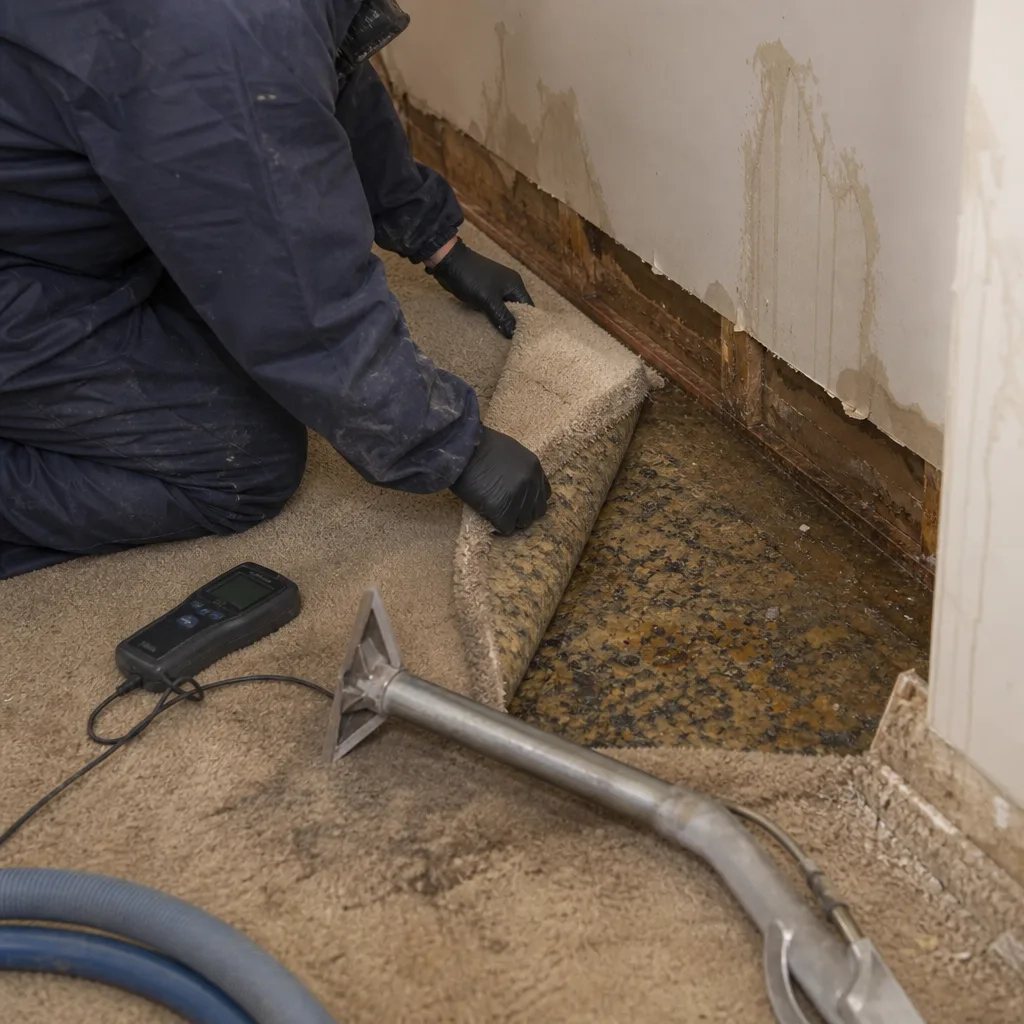
From November through March, Irvine receives its annual rainfall in concentrated pulses. A typical winter storm pattern delivers 1.5 to 2.5 inches over 48 hours, followed by a week of dry Santa Ana conditions that evaporate surface water but leave subsurface soil saturated. This cycle creates the conditions we see most often in DryMark Restoration Irvine home emergency calls: not flooding from standing water, but vapor transmission through concrete perimeter foundations that were never sealed to modern standards.
Irvine’s housing stock includes three foundation types with distinct moisture behaviors. Slab-on-grade construction from the 1960s through 1980s, common in University Park and Turtle Rock, has no subsurface moisture barrier. Post-tensioned slabs from the 1990s onward, found in Westpark and Northwood Pointe, have a polyethylene membrane beneath the slab but often lack perimeter flashing where the slab meets the stem wall. Raised foundation homes in older pockets of El Camino Real and Greentree have crawl spaces that become vapor reservoirs when perimeter grading fails.
The critical measurement in this season is not rainfall total but soil saturation duration. When soil remains above field capacity for more than 72 hours, vapor pressure at the slab edge exceeds the interior vapor pressure differential, and moisture migrates inward through capillary pores in the concrete. We’ve measured slab moisture content at 18 percent by weight in January, with interior relative humidity at 35 percent. That differential drives continuous vapor flow that dehumidifiers cannot address at the source.
Homeowners can monitor this risk with two simple indicators. First, check the soil line at the foundation perimeter after each storm. If soil remains dark and cohesive (smears when rolled between fingers) for more than three days, saturation is persistent. Second, place a piece of aluminum foil, taped at all edges, on the garage floor slab for 48 hours. Condensation on the underside indicates vapor transmission that warrants professional assessment.
Our water damage restoration crews in Irvine see the consequences of ignored winter vapor transmission every February: efflorescence on garage slabs, musty odors in closet cavities over slab edges, and the first visible mold growth on baseboards in rooms with north-facing walls. Each of these calls begins with a moisture mapping survey that documents affected square footage, material classifications by trade name (drywall, baseboard, tack strip, carpet pad), and psychrometric data - temperature, relative humidity, and vapor pressure differential - that explains why the damage occurred and what drying protocol will resolve it.
Psychrometric data, for homeowners unfamiliar with the term, is simply the measurement of air’s capacity to hold moisture. Restoration drying is not about running fans; it’s about creating conditions where evaporation exceeds absorption. In winter, that often means heated, dehumidified air delivered through containment rather than whole-house ventilation, which would introduce more moist outdoor air.
January-February: Reading Vapor Transmission at the Slab Edge
January and February represent the peak risk window for foundation-adjacent moisture damage in Irvine. Soil temperatures have dropped to their annual minimum, slowing evaporation, while rainfall frequency remains high. The combination produces the standing water conditions adjacent to concrete perimeter foundations that we monitor with vapor transmission readings over 72-hour periods.
Here’s what happens at the material level. Concrete has a porosity of 10 to 15 percent by volume in typical residential slabs. When exterior soil at the stem wall maintains 100 percent relative humidity, the concrete pore network becomes a wick. Vapor moves from high to low vapor pressure, and the heated interior of an Irvine home in January, typically 68 to 72 degrees Fahrenheit, creates the low-pressure zone that draws moisture inward. We’ve documented vapor transmission rates of 3 to 5 pounds per 1,000 square feet per 24 hours in these conditions. That is enough moisture to elevate interior relative humidity above 60 percent in a 1,200-square-foot footprint, which is the threshold where mold spores germinate on cellulose materials.
The 72-hour reading protocol we use is straightforward and replicable. We place calcium chloride test kits (available from flooring supply stores) on clean, dry slab surfaces at three locations: within 12 inches of an exterior wall, at the center of the slab, and near any visible crack or joint. The kits are sealed to the slab with impermeable tape and left undisturbed for 72 hours. Results are expressed in pounds of moisture vapor emitted per 1,000 square feet per 24 hours.
For Irvine’s climate and construction types, we interpret results as follows:
- Below 3 pounds: acceptable for most floor coverings; monitor annually
- 3 to 5 pounds: elevated transmission; inspect exterior drainage and consider vapor barrier retrofit before flooring installation
- Above 5 pounds: active moisture drive; professional assessment warranted to identify source and document for insurance if damage has occurred
In our experience, readings above 5 pounds in January correlate strongly with three conditions: downspout discharge within 18 inches of the foundation, negative grade toward the house, or a failed or missing dampproof coating on the exterior of the stem wall. Each of these is correctable, but correction requires knowing which condition exists. We document the finding with photos, moisture logs, and a written scope of remediation before any work begins, under Haven Standard, Clause 1.
One Irvine-specific factor: the city’s expansive clay soils, particularly in the northern planning areas around Portola Springs, create seasonal soil movement that cracks slab edges and provides direct vapor pathways. We’ve seen 1/8-inch cracks at the slab perimeter that produced interior readings of 7 pounds. The crack is the symptom; the soil moisture is the cause. Repairing the crack without addressing drainage simply guarantees recurrence.
May-September: Thermal Expansion and Summer Leak Patterns
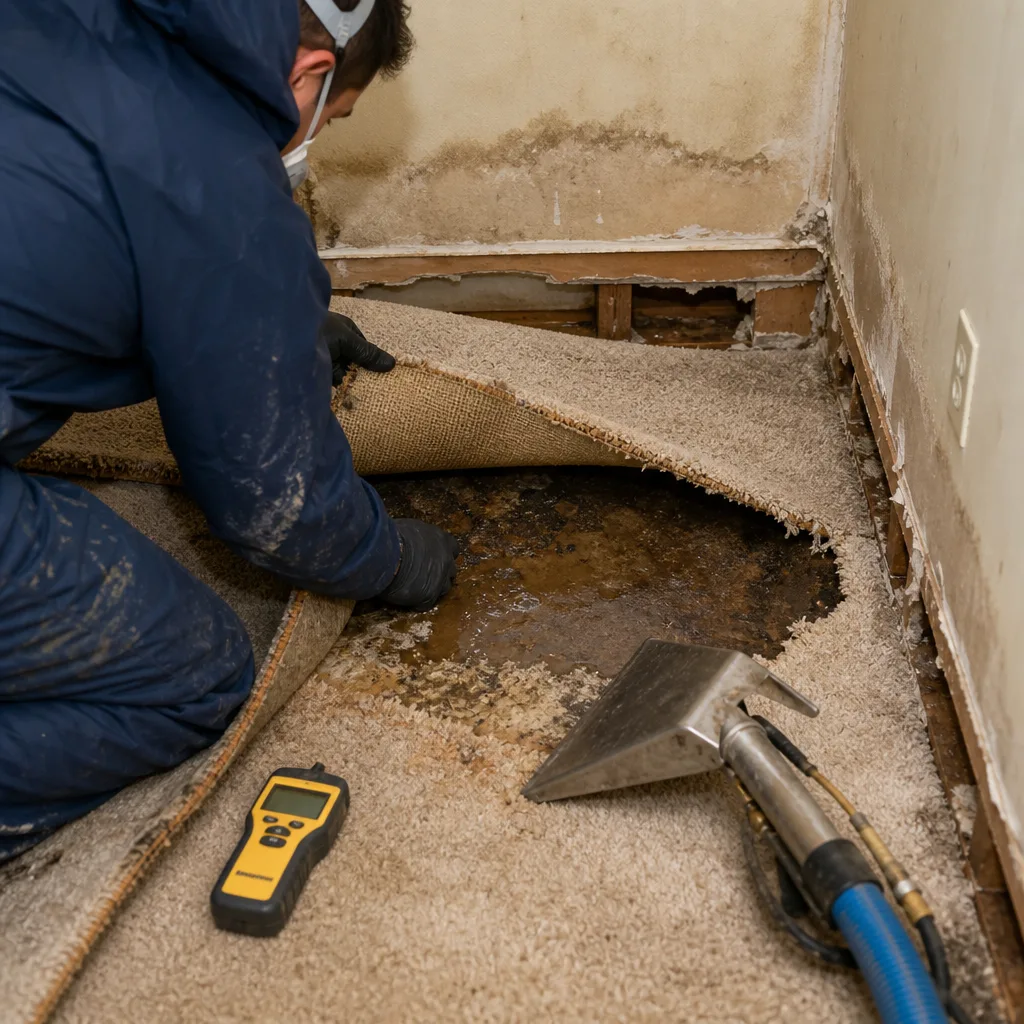
From May through September, Irvine’s damage profile shifts from moisture intrusion to thermal expansion failure. The Santa Ana wind cycle and inland heat create temperature swings of 30 to 40 degrees Fahrenheit within 24 hours, and sustained periods above 90 degrees stress materials that were installed for milder conditions.
The most common summer service call we receive is not storm damage. It is supply line failure at compression fittings, particularly in homes with original copper-to-PEX transitions installed during 2005 to 2015 renovations. Copper expands at 9.3 microinches per inch per degree Fahrenheit; PEX expands at 72. The differential creates cyclic stress at the fitting, and after 10 to 15 years of seasonal cycling, the compression ring work-hardens and cracks. The leak is small, often a mist that evaporates before pooling, and the first sign is a water bill increase or a moisture meter reading at an interior wall.
Roof membrane thermal expansion produces a parallel pattern. TPO membranes expand and contract across their width with daily temperature change. In Irvine, where summer roof surface temperatures reach 160 degrees Fahrenheit, a 40-foot membrane section can move 1.5 inches seasonally. Seams and flashing details that were adequate at installation become stress concentrators. We see the results in September: separated seams at HVAC curbs, split pipe boots, and the characteristic “alligator” pattern at membrane edges where repeated flexing has fatigued the material.
The inspection protocol for summer is different from October. We focus on movement-prone interfaces rather than water paths. Check these three areas in late May, before the sustained heat arrives:
- Visible supply lines in garages and attics. Look for green corrosion at copper-to-brass fittings, white stress cracking at PEX compression rings, and any evidence of prior seepage: mineral staining, disturbed dust patterns, or rust on pipe hangers. In attics, check during morning hours before heat makes the space unsafe to enter.
- Roof penetrations from the interior. Access the attic on a sunny afternoon and look for daylight at pipe boot edges, around chimney flashing, and at HVAC curb seams. Daylight means gap; gap means potential leak when wind-driven rain arrives, which it does in Irvine’s summer monsoon bursts even during drought years.
- Exterior hose bibs and irrigation valves. Thermal cycling of brass and PVC components produces the slow seepage that saturates planter beds and, through failed backflow preventers, creates the cross-connection hazards that trigger municipal water quality notices. A hose bib that weeps 0.1 gallon per day will deposit 36 gallons against a foundation over a summer.
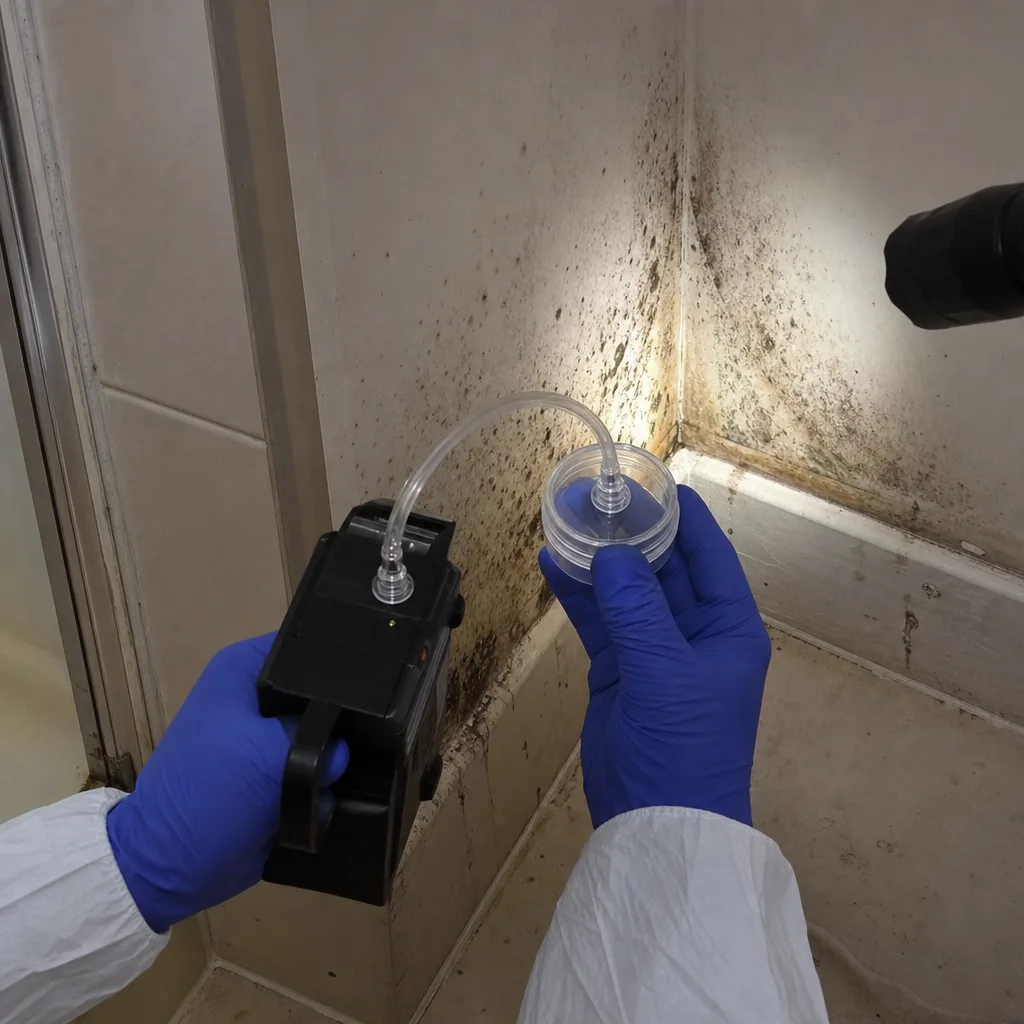
Summer is also the season for mold remediation calls that originated in winter but were masked by heating system operation. Forced-air heating lowers relative humidity at the thermostat location but creates localized cold spots at exterior walls where condensation occurs. In summer, when occupants notice musty odors with air conditioning running, the underlying mold growth is often six months established. Our mold remediation protocol includes air sampling, surface sampling, and moisture mapping to distinguish active growth from historical staining, with documentation to IICRC standards that supports insurance filing if the origin was a covered winter leak.
How to Read Your Own Moisture Meter at Seasonal Transitions
A pin-type moisture meter is the most cost-effective damage prevention tool an Irvine homeowner can own. We recommend models that read wood moisture content on a 0 to 30 percent scale and have a reference scale for non-wood materials. The investment is $50 to $150, and the skill takes 20 minutes to learn.
The key is establishing baseline readings for your specific home, not relying on generic “normal” values. Here’s the protocol we teach at every pre-season inspection:
- Select reference locations. Choose two interior walls that are unlikely to be affected by plumbing leaks: an interior partition wall in a hallway, and an exterior wall that has no plumbing fixtures within 8 feet. Mark these locations with painter’s tape at 12 inches above floor level.
- Record seasonal baselines. Take readings at these locations four times per year: mid-October (before rains), mid-January (peak soil saturation), mid-May (before heat), and mid-September (end of thermal cycling). Record date, time, indoor temperature, and reading. A simple spreadsheet or dated notebook page suffices.
- Understand your numbers. In Irvine’s climate, with typical indoor relative humidity of 45 to 55 percent, wood framing and drywall should read 8 to 12 percent moisture content. Readings consistently above 14 percent indicate elevated humidity that may support mold growth. Readings above 18 percent indicate active water intrusion requiring investigation.
- Check suspect areas against baseline. When you notice a stain, odor, or temperature anomaly, take readings at the suspect location and compare to your reference. A difference of 4 percentage points or more is significant. Document with photos before disturbing anything.
- Know when to call. A reading that increases between two consecutive seasonal checks, or any reading above 18 percent, warrants professional moisture mapping. The meter tells you where; we determine how and why, with the documented photo record and written scope that Haven Standard, Clause 1 requires.
One common error: measuring only visible drywall. Drywall is hygroscopic and will show elevated readings from high humidity alone. We always verify with readings at the baseplate and, where accessible, the subfloor or slab. The baseplate reading tells you whether the moisture source is airborne (uniform elevation) or groundwater (baseplate higher than drywall).
For non-wood materials, use the reference scale (typically 0 to 100) and track relative change rather than absolute value. A garage slab that reads 25 in October and 65 in January has experienced significant moisture gain even if both numbers seem “low” in isolation.
A Dated Inspection Log Template for Insurance Documentation
Insurance claims for water damage are denied or underpaid most often not because the damage is excluded, but because the homeowner cannot establish when the loss began and whether it was sudden or gradual. A maintained inspection log solves this problem. It transforms a disputed gradual leak into a documented sudden event with a discoverable date.
The log we recommend is a single page per quarter, with these fields:
- Property address and policy number (top of each page, every quarter)
- Inspection date and weather conditions (temperature, rainfall in prior 7 days, any Santa Ana wind event)
- Exterior inspection checklist (the six points from October protocol, with Y/N/NA and photo reference numbers)
- Interior moisture readings (reference locations and any suspect locations, with meter model and calibration date)
- Findings and actions taken (specific, dated: “Cleared weep holes at south bedroom window, 10/14/24, photos IMG_2041-2043”)
- Professional assessments (date, company, scope summary, report reference)
- Signature and date
Store completed logs with your insurance policy documents, not in a file that could be damaged with the house. Cloud backup is advisable. The log’s value increases with each entry; a five-year record of quarterly inspections with no findings strongly supports a claim that a new moisture pattern represents a sudden, insurable event rather than long-term maintenance neglect.
We have used client inspection logs in claim negotiations where the adjuster initially attributed damage to “long-term seepage.” The dated photos showing dry conditions at the same location 90 days prior shifted the burden of proof and resulted in full coverage. Documentation is not obsessive; it is the difference between a paid claim and a denied one.
For homeowners who want professional baseline documentation, DryMark Restoration Irvine offers a seasonal inspection service that produces the full photo record, moisture log, and written condition report that meets Haven Standard documentation requirements. The report is yours to keep, with no obligation for remediation services.
Common Mistakes to Avoid
- Waiting for visible water before acting. By the time water stains appear on drywall, the damage behind it typically involves saturated insulation, corroded electrical boxes, and mold growth on the cavity side of the board. Moisture meters catch problems 30 to 60 days earlier.
- Assuming Irvine’s mild climate eliminates freeze risk. While rare, Irvine does experience overnight lows below 32 degrees, particularly in inland valleys and canyon-adjacent lots. Hose bibs and irrigation backflows without frost protection have cracked in these events, producing the slow leaks that go undetected for weeks.
- Power-washing stucco annually. High-pressure water at stucco surfaces drives moisture through hairline cracks and degrades the water-resistive barrier behind. We see more moisture damage from improper cleaning than from weather. Use low-pressure application and immediate rinsing.
- Ignoring HOA maintenance schedules. In Irvine’s master-planned communities, roof maintenance, tree trimming, and drainage maintenance are often HOA responsibilities. A homeowner who fails to report visible deterioration to the HOA may share liability for resulting damage. Document your reports.
- Running bathroom exhaust fans into attics. This was common in 1970s and 1980s Irvine construction. The moisture load from a single shower, approximately 0.5 pounds per minute, deposits directly onto attic insulation and roof sheathing. Retrofit to exterior venting is essential.
- Storing materials against exterior walls in garages. Cardboard boxes, firewood, and even dense furniture create cold spots that drop below dew point in winter. The resulting condensation is often mistaken for slab seepage. Maintain 4-inch clearance for air circulation.
- Accepting “mold-resistant” drywall as permanent protection. Mold-resistant drywall has fiberglass facing rather than paper, but it is not mold-proof. Prolonged moisture exposure above 18 percent content will support growth on any organic material, including dust and debris on the board surface.
When to Call a Professional
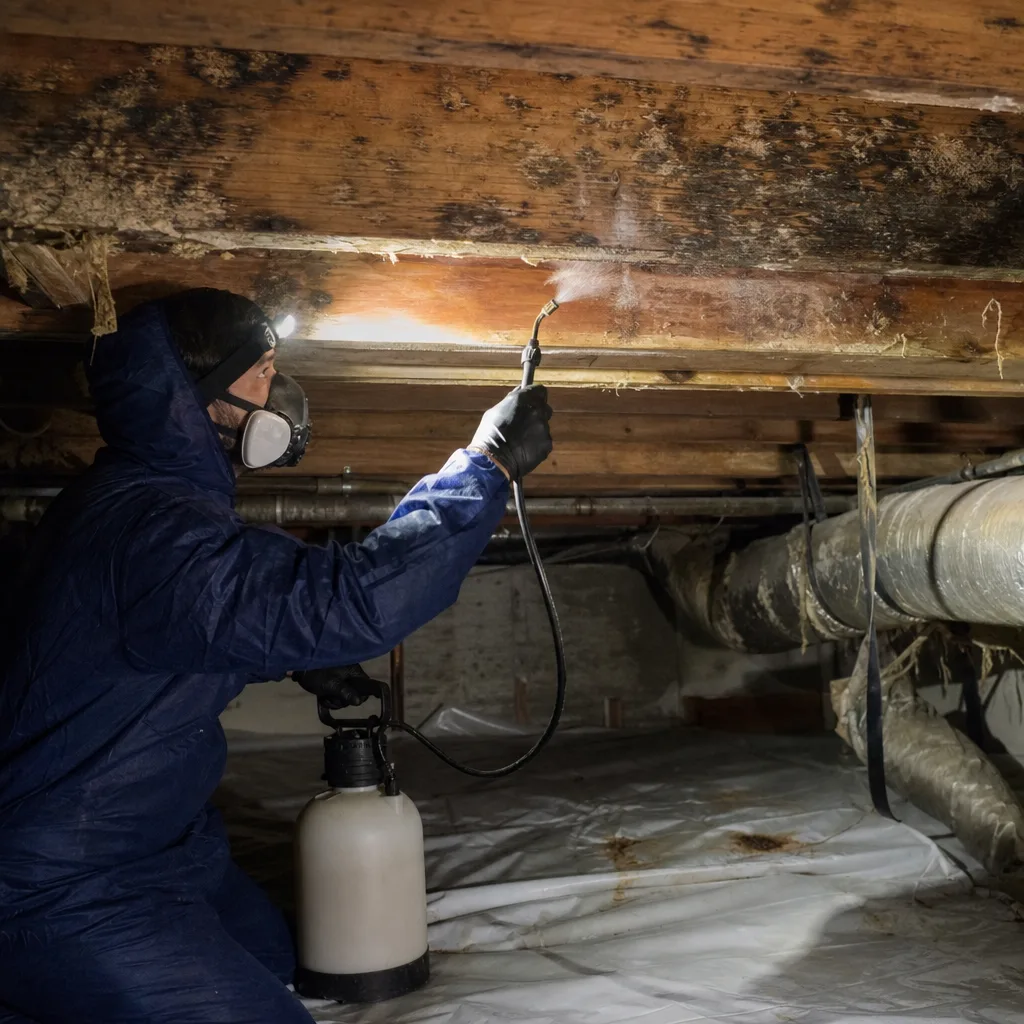
Call for professional assessment when moisture meter readings exceed 18 percent at any location, when you detect musty odors that persist after ventilation, when visible mold exceeds 10 square feet, or when any water event involves Category 2 or 3 contamination (dishwasher discharge, washing machine overflow, or sewage backup). For fire and smoke damage, professional intervention is warranted for any structural involvement or when odor persists after initial cleaning.
DryMark Restoration Irvine offers free estimates in Irvine. Our assessments include documented photo records, moisture mapping with readings to IICRC standards, and a written scope with price before any work begins, per Haven Standard, Clause 1. Call (657) 212-2570 to schedule. For emergencies, live phone coverage is available 24 hours a day, 7 days a week with no voicemail on emergency lines.
Frequently Asked Questions
A professional seasonal inspection with full documentation runs $200 to $400, while the six-point October protocol performed by a homeowner costs only time and a $50 moisture meter. The average water damage restoration we perform in Irvine, by contrast, ranges from $3,500 for contained slab drying to $18,000+ for whole-house decontamination with reconstruction. Call (657) 212-2570 for an exact quote on inspection or remediation - estimates are free.
Maybe, if you can document that the damage was sudden and accidental rather than gradual. Insurance policies exclude long-term maintenance issues but cover sudden leaks that were not reasonably discoverable. A dated inspection log showing dry conditions before the event is your strongest evidence. We coordinate directly with adjusters and provide the documented photo records and moisture logs that support covered claims.
For active water damage, we dispatch a crew with equipment typically within 60 to 90 minutes of your call, 24 hours a day, 7 days a week. For scheduled seasonal inspections, we typically offer appointments within 48 hours. Reconstruction and non-emergency remediation are scoped, scheduled, and priced in writing before work begins, not dispatched for same-day service.
Surface cleaning of less than 10 square feet on non-porous materials may be appropriate for DIY if the moisture source is identified and corrected. However, mold on porous materials (drywall, carpet, ceiling tile) or any growth exceeding 10 square feet requires professional remediation under IICRC S520 standards to prevent spore dispersal and ensure complete removal. We provide a free second opinion on any competitor’s written estimate to help you evaluate the scope you’ve been quoted.
We do. Every DryMark Restoration Irvine job includes direct adjuster coordination, with daily drying logs and photo documentation delivered in the format adjusters require for claim processing. Our documentation-first approach, developed from founder Alicia Brennan’s background in claims adjustment, means we speak the adjuster’s language and resolve documentation gaps before they delay payment.
We deploy professional-grade drying systems from Dri-Eaz, Phoenix, XPOWER, B-Air, and Injectidry, selected for the specific material and moisture load of each job. All work is documented to IICRC, RIA, and IFA standards, with daily moisture logs that track psychrometric conditions and drying progress. This documentation is included as a standard deliverable, never an upsell.
Northwood and Woodbridge have aging infrastructure and original grading that has settled below design. Portola Springs and Orchard Hills have expansive clay soils that stress slab edges. Older pockets of El Camino Real and Greentree have raised foundations with crawl space ventilation issues. However, every Irvine neighborhood has specific risk factors, and the October inspection protocol applies universally.
The Bottom Line
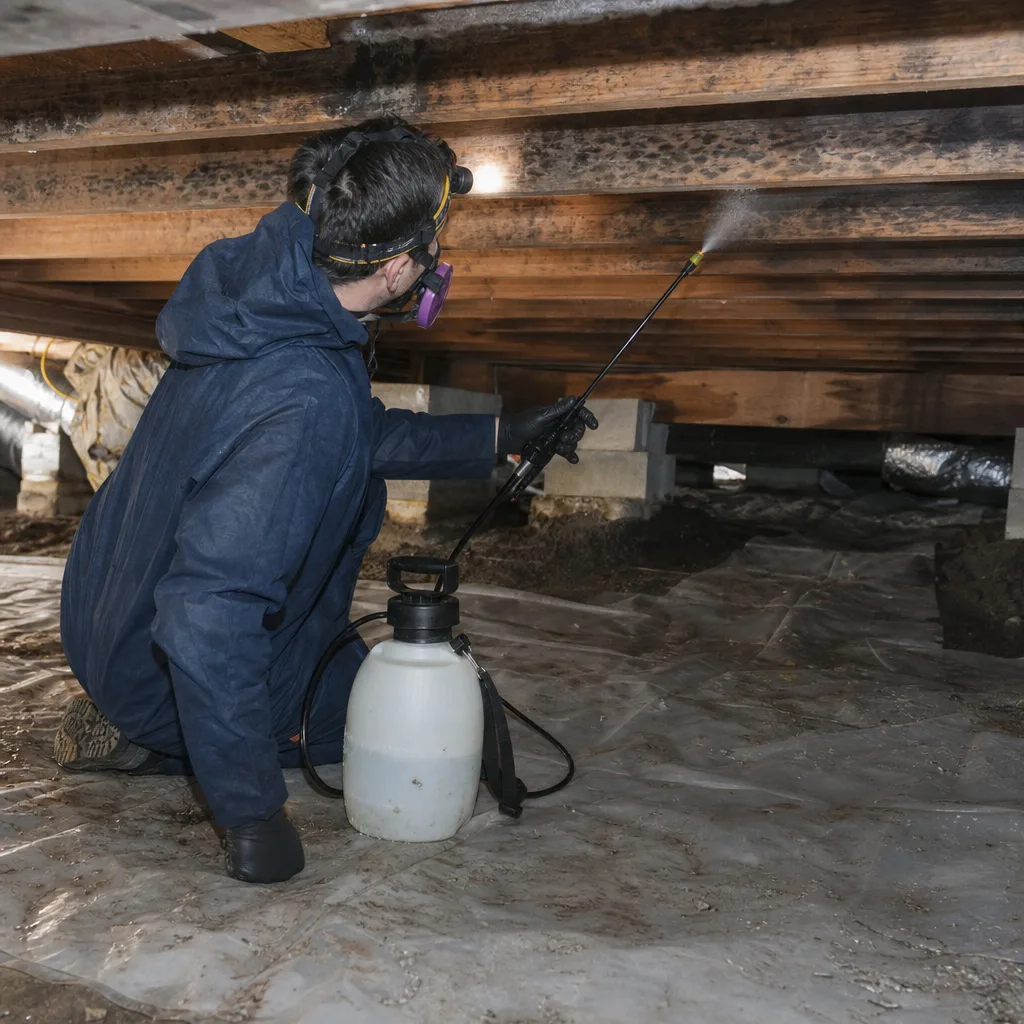
Irvine’s damage calendar has four distinct chapters, and the homeowner who reads it correctly prevents the emergency calls that others make in January and September. October’s six-point exterior inspection, winter vapor transmission monitoring at the slab edge, summer thermal expansion checks, and year-round moisture meter baselines form a prevention system that costs little and documents much. The inspection log you maintain becomes evidence if a claim ever arises, and the professional assessment you schedule when readings exceed 18 percent catches damage before it spreads. Seasonal care is not about eliminating risk; it is about making risk discoverable, measurable, and addressable on your schedule rather than on water’s.
Written by Alicia Brennan, Owner at DryMark Restoration Irvine, serving Irvine since 2011.