
Last updated September 23, 2026
Free visual inspection and a written scope of work before any mitigation begins - photos, moisture readings, and drying logs go in your claim file
The scope we write is the scope we bill. Anything new gets shown to you, in writing, before we touch it.
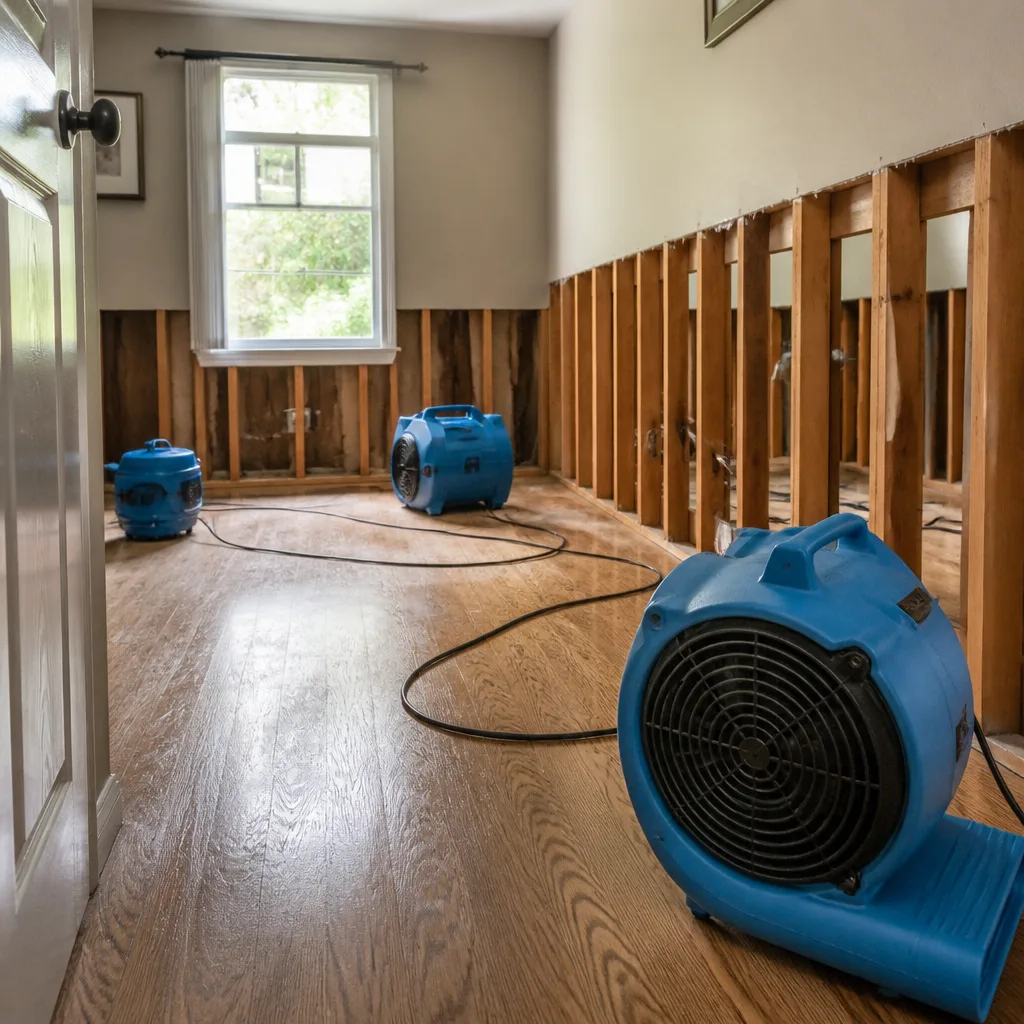
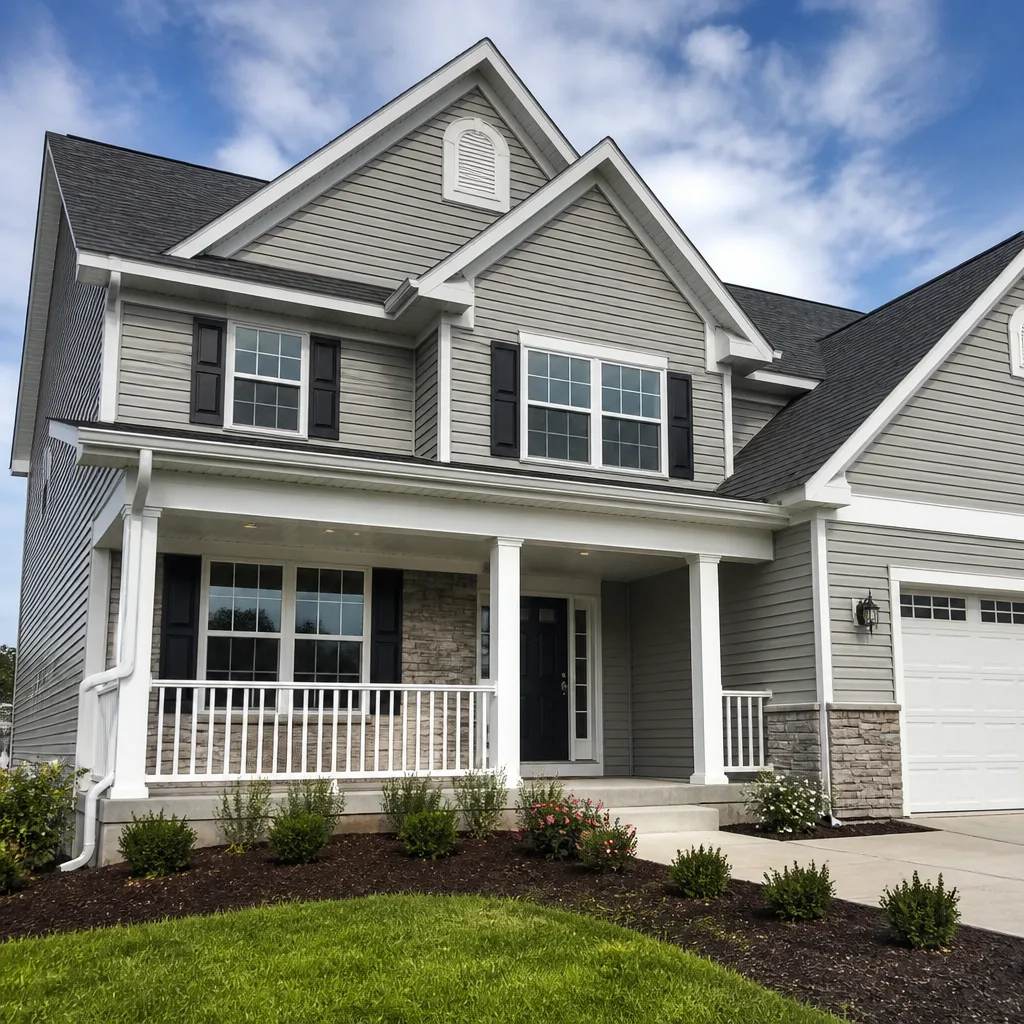
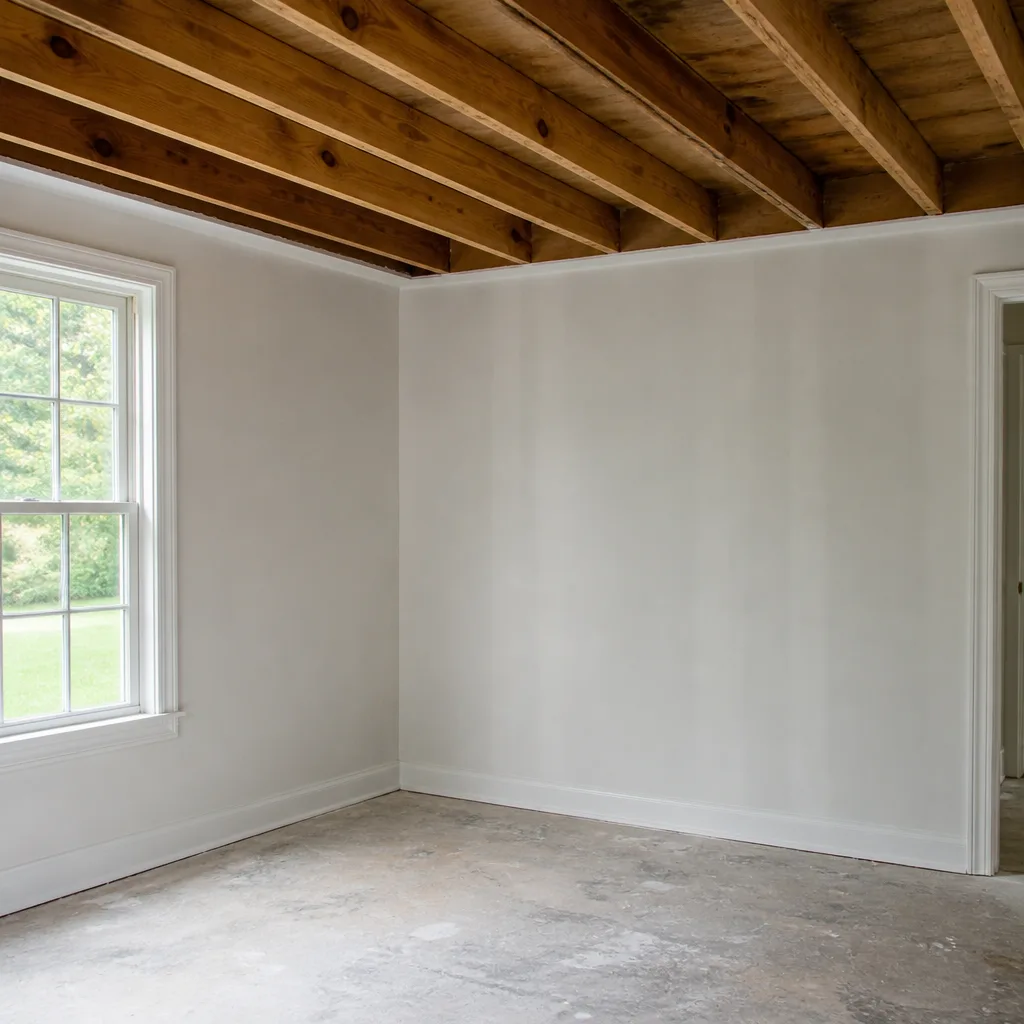
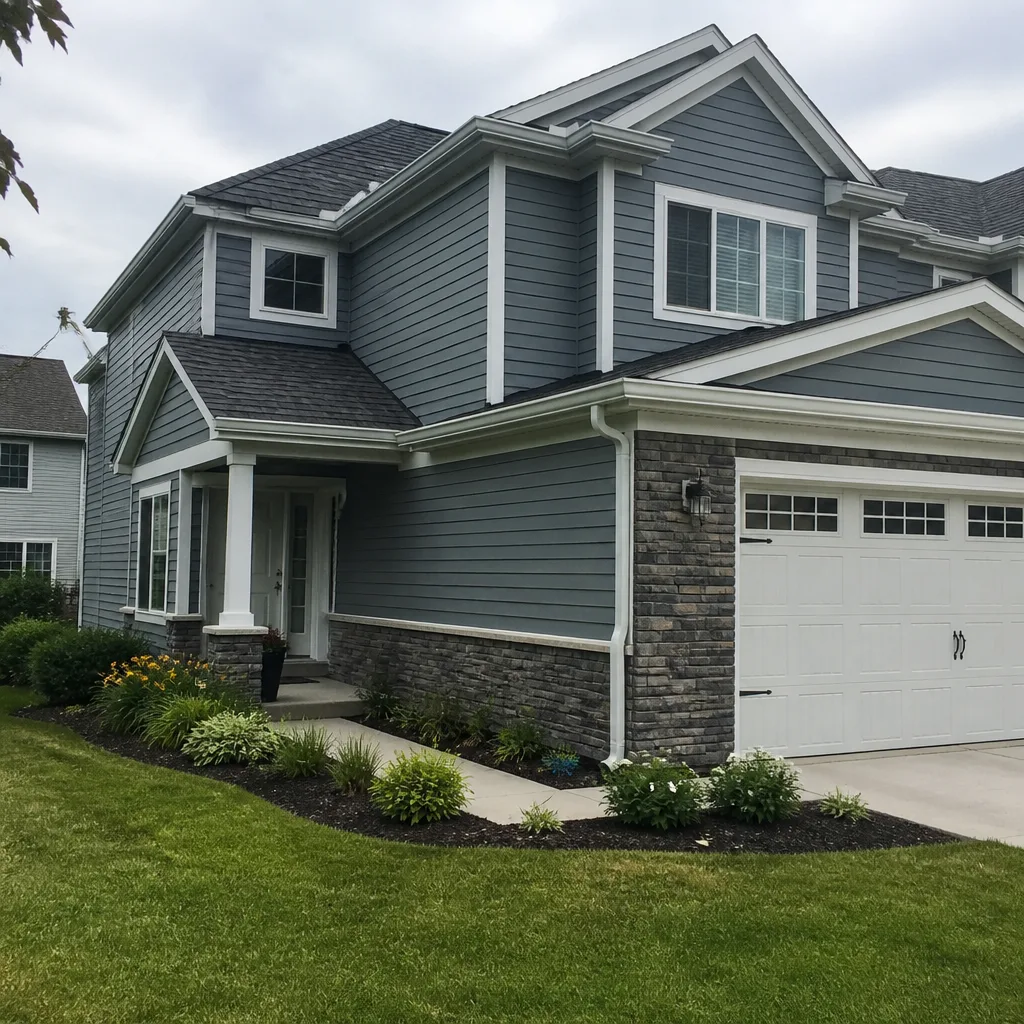
 Before
 After
After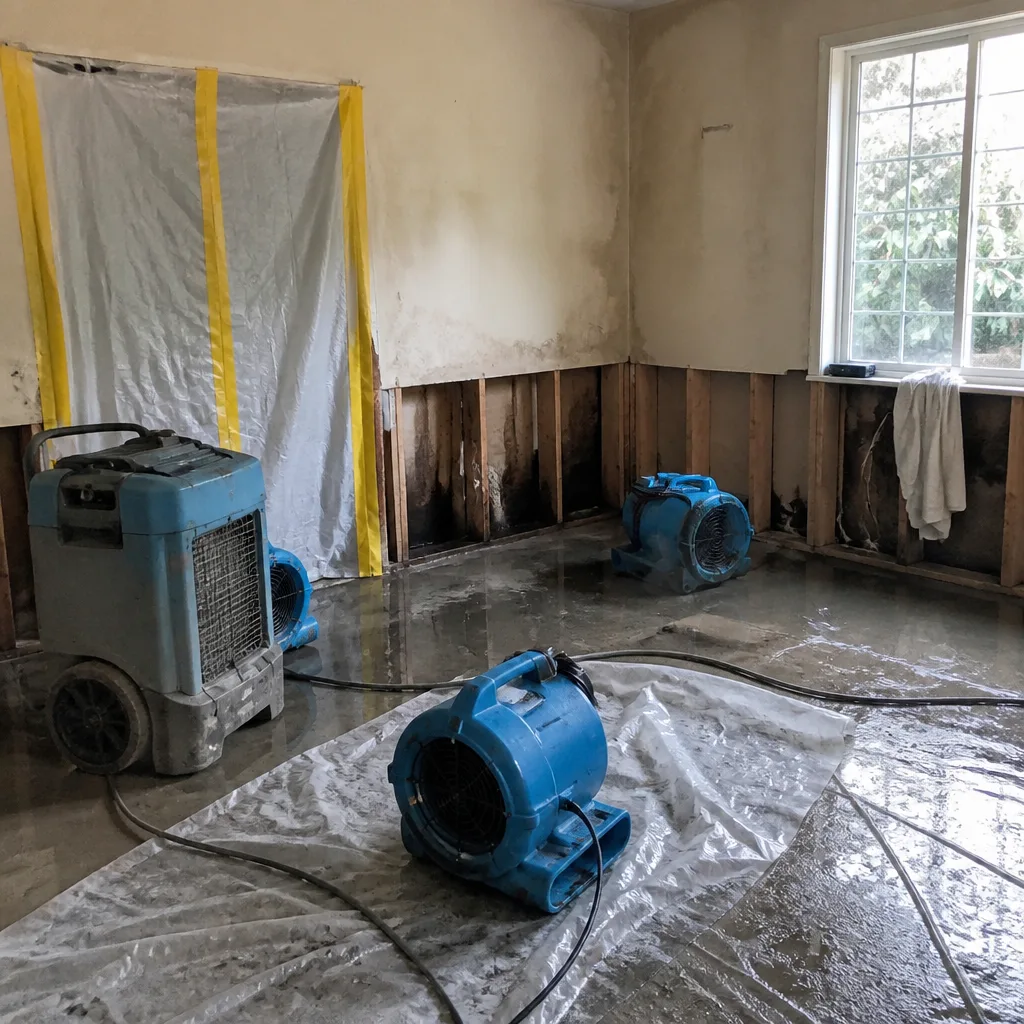 Before
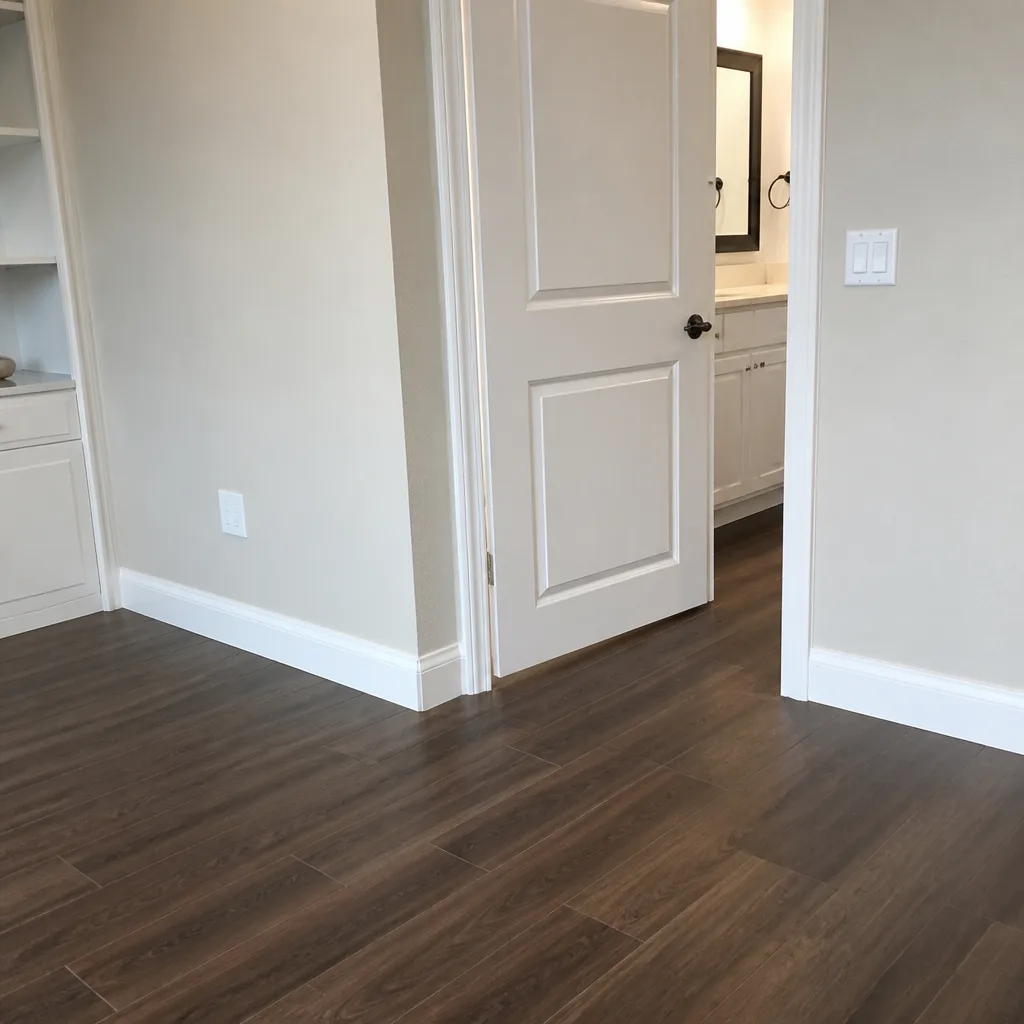 After
After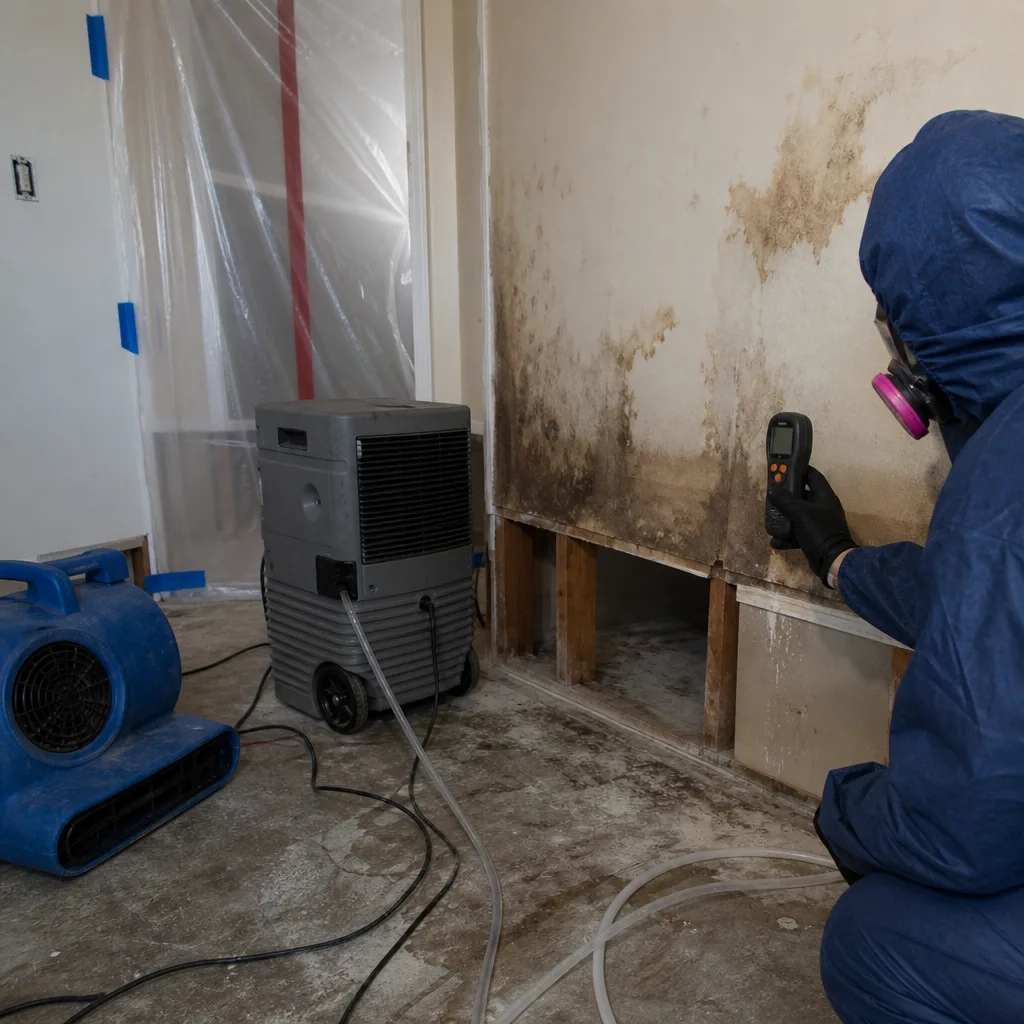 Before
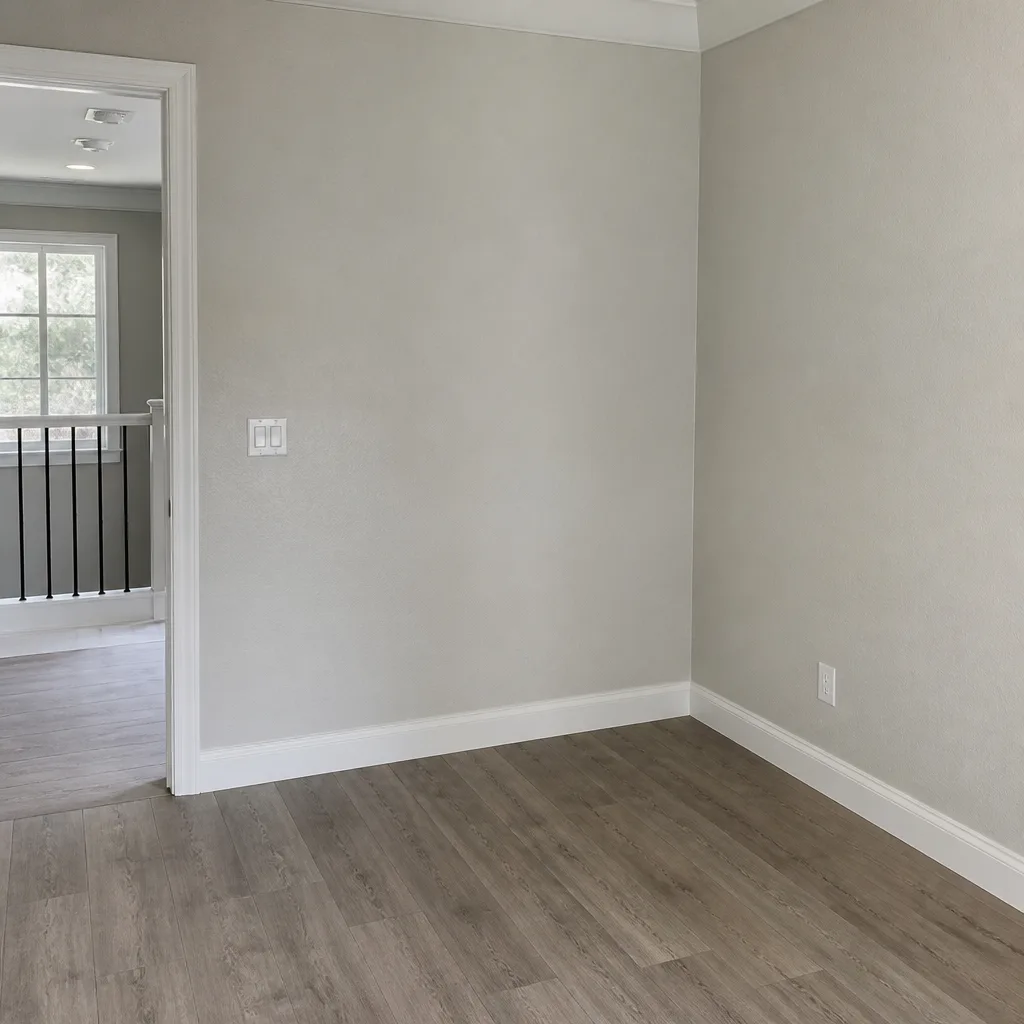 After
AfterDIY vs Professional Damage Restoration: The Irvine Homeowner’s Decision Guide
Here’s the counterintuitive truth we’ve learned from 12,000 homes since 2011: the homeowners who lose the most money aren’t the ones who paid for professional restoration. They’re the ones who DIY’d the mitigation, then filed a claim for secondary damage six months later and couldn’t produce the moisture documentation their insurer required to prove causation. In Irvine’s climate, where coastal humidity can keep wall cavities damp for weeks after visible water disappears, that documentation gap is expensive. This guide will show you which losses you can legally self-remediate in California, what records you must keep to preserve your claim rights, and when calling a professional is the only financially rational choice. For more guidance, see our step-by-step guide to hiring a damage restoration contractor in Irvine.
Quick Answer
Most Irvine homeowners can safely handle Category 1 water losses under 10 square feet on hard surfaces with no insurance claim involved. For anything involving Category 2 or 3 water, mold, fire damage, or an insurance claim, professional restoration is required under California contractor licensing rules and IICRC standards to preserve coverage and avoid personal liability for future health claims.
Table of Contents
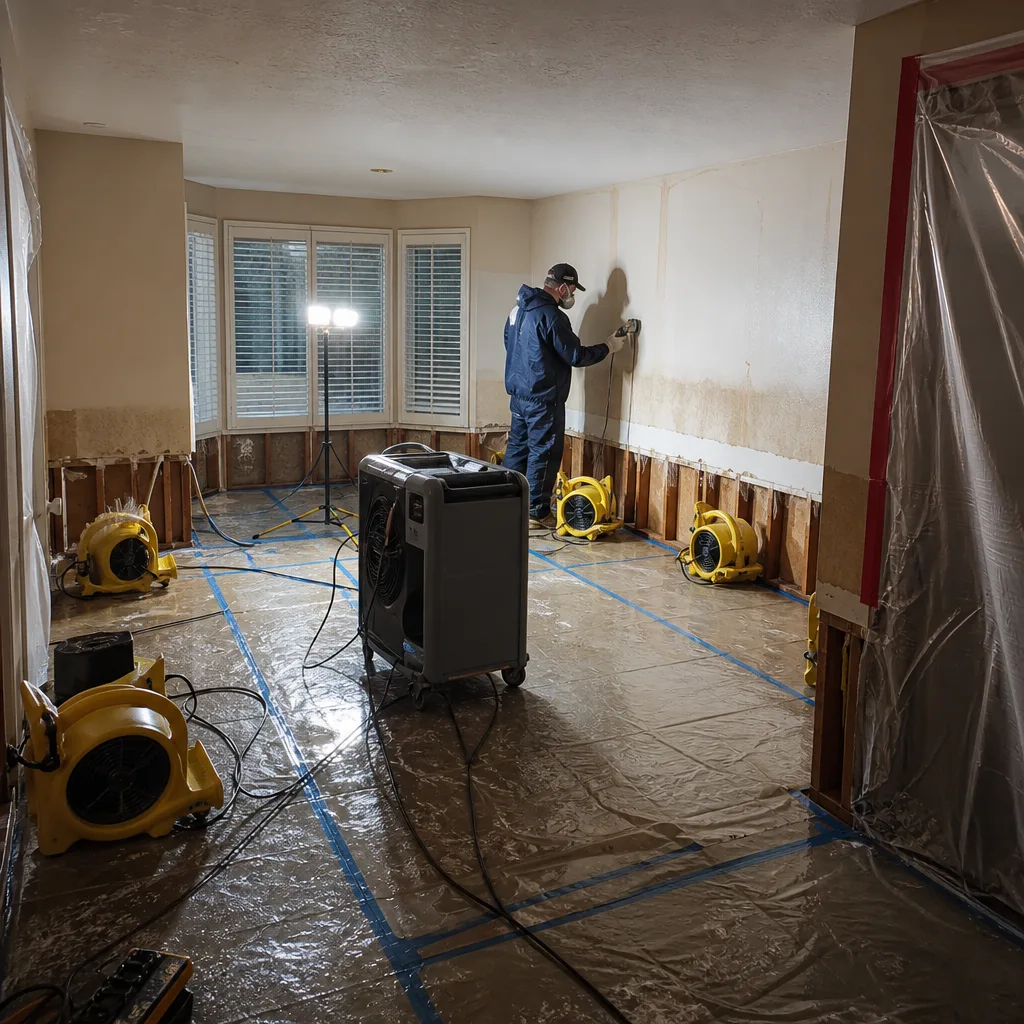
- The Three Loss Categories and What California Law Allows You to Handle
- DIY Documentation Requirements: The Records That Preserve Your Claim Rights
- The Hidden Cost of DIY: Secondary Damage Rates in Unmonitored Jobs
- California Contractor Licensing Rules and Your Liability Exposure
- A Four-Variable Decision Matrix for Irvine Homeowners
- When DIY Actually Makes Sense (And How to Do It Right)
- When Professional Restoration Is Non-Negotiable
- Common Mistakes to Avoid
- When to Call a Professional
- Frequently Asked Questions
 Before
 After
AfterThe Three Loss Categories and What California Law Allows You to Handle
The water damage restoration in Irvine industry operates under IICRC S500, the standard that defines water by contamination level, not by how wet something looks. Understanding these categories is the first step in knowing whether you can legally and safely self-remediate.
Category 1: Clean Water - This is water from a broken supply line, tub overflow with no contaminants, or rainwater intrusion. It’s the only category California homeowners can legally self-remediate without contractor licensing, provided the affected area is under 10 square feet and involves no structural materials. In our experience across Irvine neighborhoods from Woodbridge to Northwood, Category 1 losses that stay on hard surfaces (tile, sealed concrete) and are addressed within 24 hours have the lowest secondary damage rate.
Category 2: Gray Water - This includes dishwasher discharge, washing machine overflow, or sump pump failures. It contains enough contamination to require antimicrobial treatment and specialized extraction equipment. California Business and Professions Code Section 7026.1 requires a contractor’s license for any structural drying involving Category 2 or 3 water. The reason: gray water carries bacterial loads that can escalate to Category 3 if not properly treated within 48 hours, and improper handling creates liability for future occupants.
Category 3: Black Water - Sewage, seawater flooding, or any water that has passed through the ground. This requires full containment, negative air pressure, and HEPA filtration. In Irvine, where some older neighborhoods near the San Diego Creek watershed experience seasonal flooding, Category 3 losses are more common than inland cities. No homeowner should attempt Category 3 remediation. The health liability exposure extends years into the future, and California courts have held unlicensed remediators personally liable for subsequent occupant illness claims.
Here’s what most guides miss - and what our water damage restoration maintenance checklist for Irvine homeowners addresses: your insurance policy likely contains a “reasonable care” clause that requires mitigation efforts “consistent with industry standards.” If you self-remediate a Category 2 loss without IICRC-standard documentation and mold develops later, your insurer can deny the mold claim as resulting from negligent mitigation, not the original water event.
DIY Documentation Requirements: The Records That Preserve Your Claim Rights
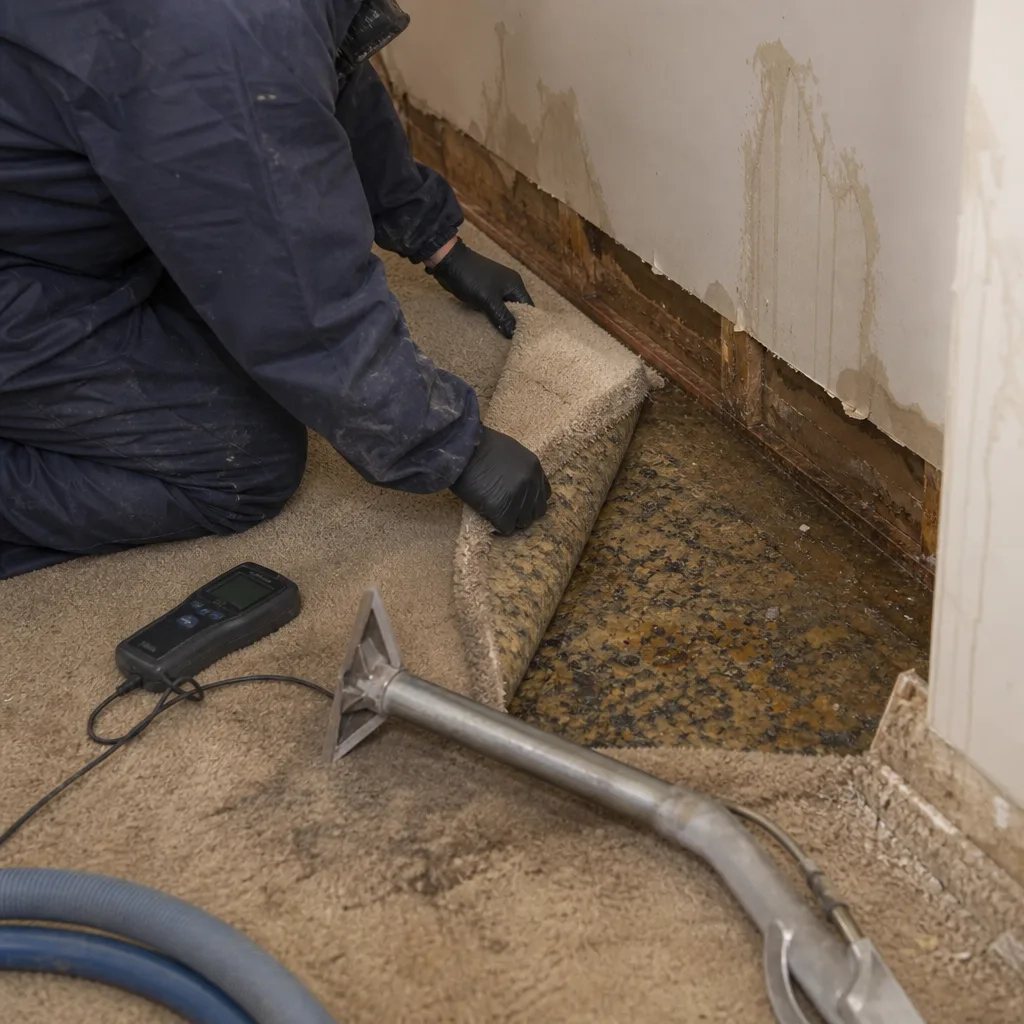
If you’re handling a Category 1 loss yourself and intend to file any insurance claim, you must generate documentation that matches what a professional would produce. We’ve reviewed thousands of denied claims at DryMark Restoration Irvine home, and the pattern is consistent: the denial isn’t about whether water damage occurred, but whether the homeowner can prove the secondary damage resulted from the original event.
Here’s what California insurers require for proof-of-loss continuity:
- Timestamped photographs of the original loss. Every affected surface, every angle, with metadata preserved. Photograph the water source, the spread pattern, and all affected materials before any drying begins.
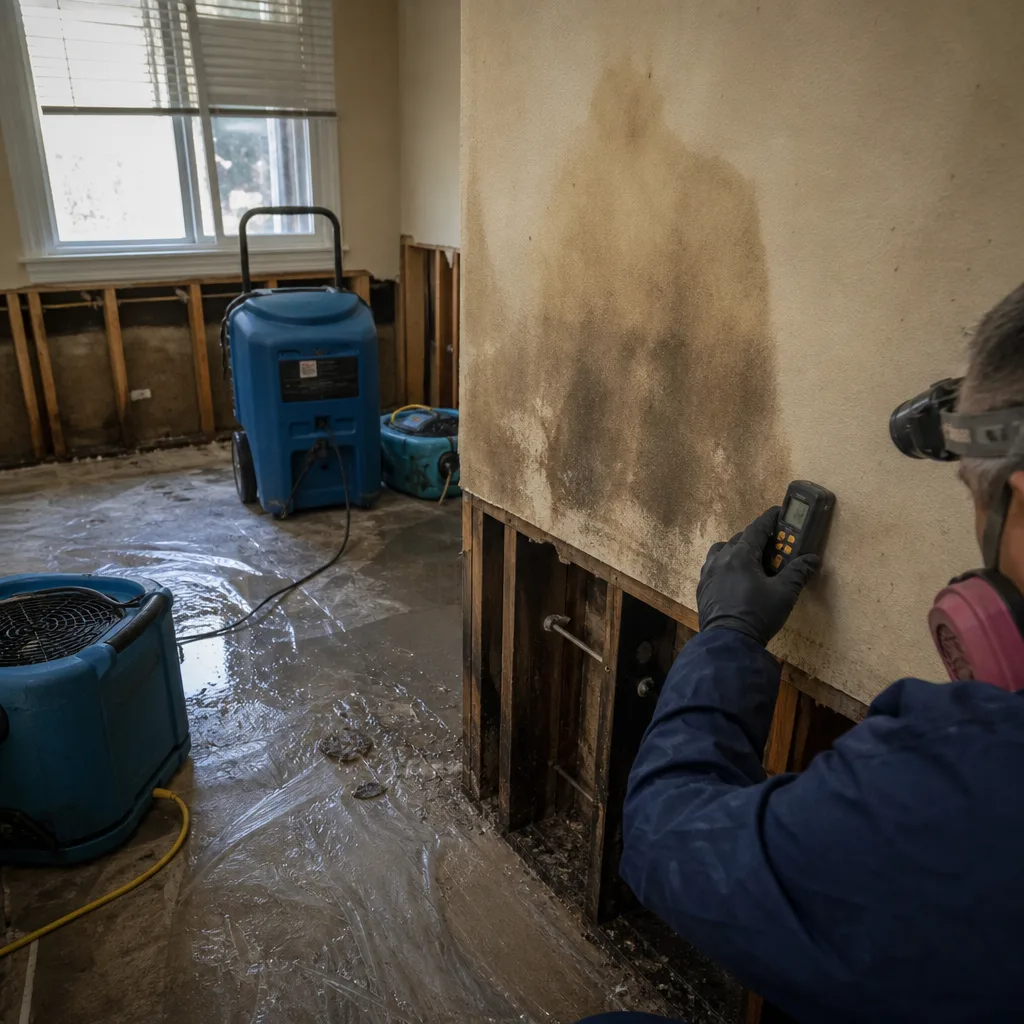
- Moisture readings with device identification. If you own or borrow a pinless moisture meter, record readings every 24 hours for at least 72 hours. Note the device brand and model. Insurers accept homeowner-generated readings if the device is a recognized brand and readings are logged with dates, times, and locations.
- Material classification list. Document every affected material by trade name: “3/4-inch oak hardwood, pre-finished, floating installation” or “5/8-inch drywall, paper-faced, painted with latex primer.” This matters because different materials have different permeance ratings and drying curves.
- Drying method and duration log. Record equipment used (box fan model, dehumidifier capacity in pints per day), runtime hours, and when each piece of equipment was moved or adjusted.
- Psychrometric data if possible. This is the measurement of temperature and relative humidity that professionals use to calculate vapor pressure differential - the force that actually drives moisture out of materials. Even a basic hygrometer reading logged daily helps establish you monitored conditions, not just surface appearance.
- Final moisture verification. Readings at completion that show affected materials returned to within 2-4% of dry standard for that material type in Irvine’s climate.
Without this documentation, a mold claim filed six months later faces the insurer’s standard response: prove the mold resulted from this specific water event and not from ambient humidity, plumbing leaks, or inadequate ventilation. In Irvine’s coastal climate, where ambient humidity averages 65-75% year-round, that proof burden is nearly impossible without a documented drying record.
Our water damage restoration in Irvine crews produce all of this as standard deliverables, not upsells. The daily drying log, the photo record on every visit, the written scope with material specifications - these are Haven Standard requirements, not extras.
The Hidden Cost of DIY: Secondary Damage Rates in Unmonitored Jobs
We’ve tracked secondary damage rates across our 12,000 jobs since 2011, and the pattern for DIY mitigation is stark. Homeowners who self-remediate water losses without professional moisture monitoring experience secondary damage - mold, structural decay, or material failure - at rates that make the original professional quote look like a bargain.
Here’s the data we see in Irvine specifically:
- Category 1 losses on hard surfaces, DIY with box fans: Approximately 15% develop secondary mold in wall cavities or subfloors within 3-6 months, typically in winter when Irvine’s cooler temperatures slow evaporation.
- Category 1 losses involving carpet or pad, DIY extraction: Approximately 40% develop odor, delamination, or subfloor mold. Residential carpet extractors leave 70-80% more moisture than truck-mounted systems.
- Category 2 losses, any DIY attempt: Approximately 60% require professional remediation within 90 days, often at 2-3x the original mitigation quote because contamination has spread to unaffected areas.
The cost comparison is what surprises homeowners. A typical Category 1 water loss in an Irvine home - say, a supply line leak in a Northwood kitchen - might run $1,800-$3,400 for professional mitigation with full documentation. The same loss, DIY’d with inadequate drying, that develops secondary mold in wall cavities typically costs $8,500-$15,000 to remediate, with no guarantee of insurance coverage because the mold is attributed to negligent mitigation.
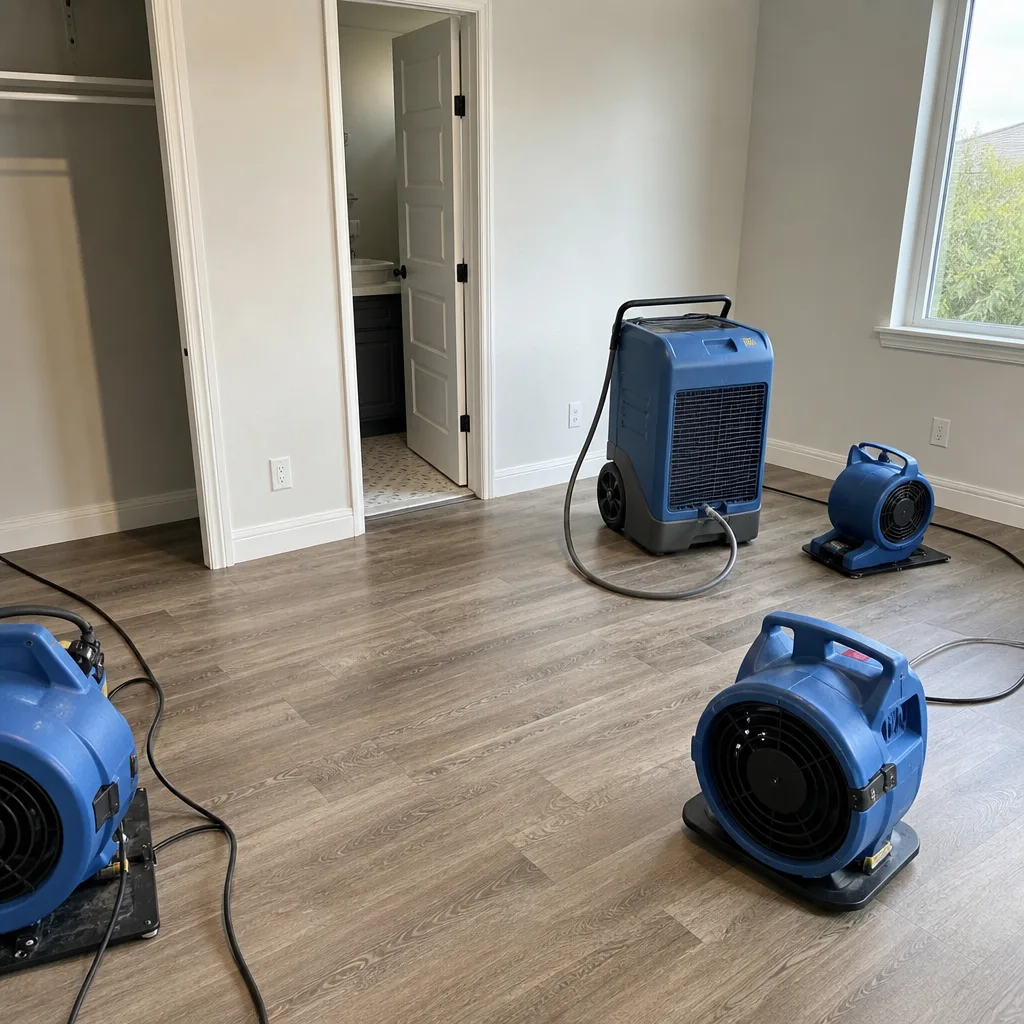
Professional-grade drying equipment makes the difference. Our crews deploy Dri-Eaz and Phoenix dehumidifiers rated at 130-270 pints per day, with Injectidry systems for wall cavity drying and air filtration devices with HEPA and activated carbon stages. A homeowner’s residential dehumidifier, typically 30-50 pints per day, cannot achieve the vapor pressure differential needed to pull moisture from structural materials in Irvine’s humid climate.
Tertiary drying - the phase where bound water is removed from deep within materials - is where most DIY efforts fail. Surface drying looks complete. The moisture meter tells a different story. And six months later, the mold tells the final story.
California Contractor Licensing Rules and Your Liability Exposure
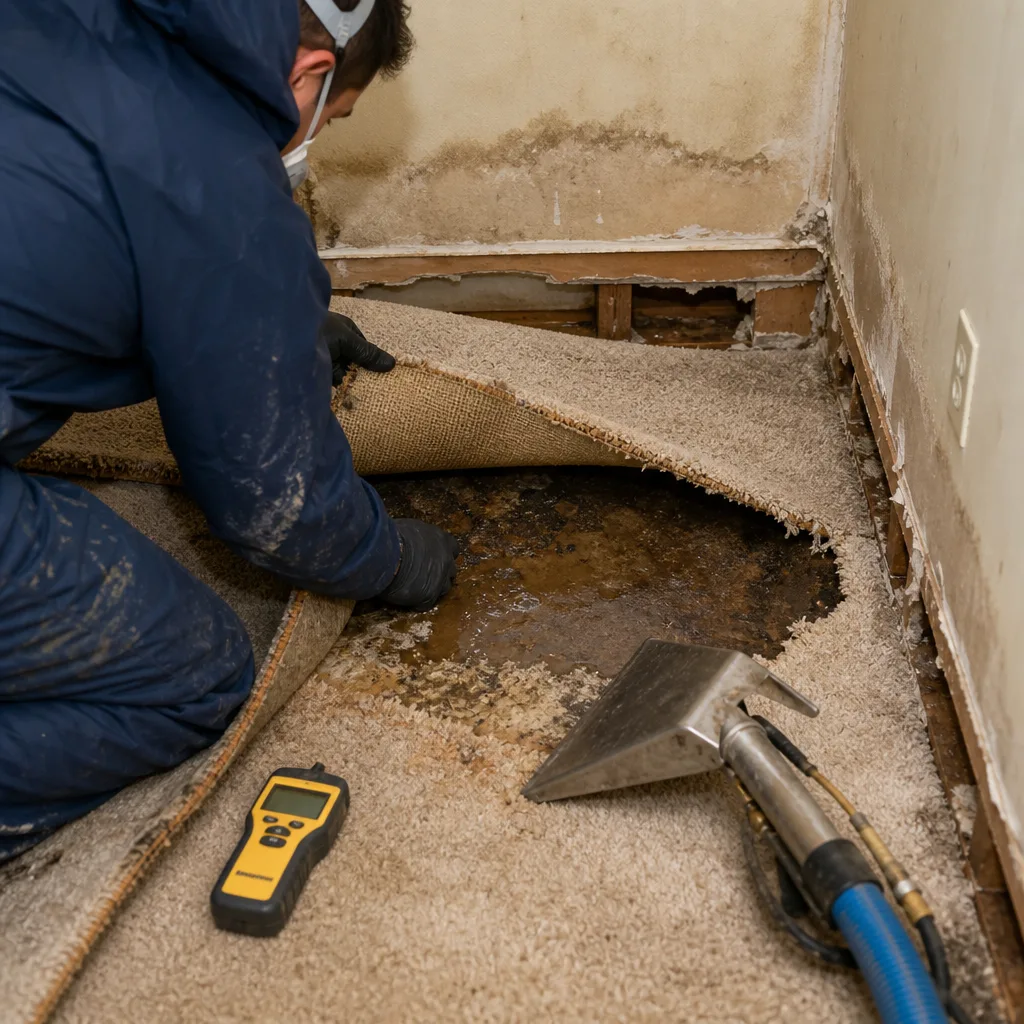
California draws a sharp line between what a homeowner can do on their own property and what requires a licensed contractor. That line matters for restoration work because the liability exposure extends beyond your ownership of the home.
Water damage mitigation requiring a C-61/D-49 license: Any structural drying involving Category 2 or 3 water, any demolition of wet structural materials, any application of antimicrobial agents in occupied spaces. The C-61/D-49 (Sanitation Contractor) specialty license is required for water damage and mold remediation work that disturbs building materials.
Mold remediation requiring a C-61/D-49 or C-36 license: California Senate Bill 655 (2015) and subsequent Department of Public Health guidance require licensed contractors for mold remediation exceeding 10 square feet in area. The C-36 (Plumbing) license applies when mold remediation involves plumbing system repair or replacement.
Fire and smoke damage requiring a B-General or C-61 license: Structural repairs, HVAC system cleaning, and odor mitigation in fire-damaged properties require appropriate licensing based on the scope.
The liability exposure most homeowners don’t consider: future occupant claims. If you DIY mold remediation in an Irvine home, sell the property, and a subsequent occupant develops health issues attributed to residual mold, you face personal liability as the unlicensed remediator who created the condition. California courts have upheld claims against prior owners for negligent remediation, particularly where documentation shows the work fell below IICRC standards.
Professional restoration companies carry general liability and pollution liability insurance specifically covering this exposure. Mold remediation in Irvine by licensed contractors includes documented clearance testing, creating a defensible record that the property was returned to acceptable condition.
The Haven Standard, Clause 1, requires a written price before work begins specifically so homeowners understand the full scope of licensed, insured work and can compare it against the true cost of DIY - including the liability they’re assuming.
A Four-Variable Decision Matrix for Irvine Homeowners
After 12,000 jobs, we’ve distilled the DIY-or-professional question into four variables that produce a clear recommendation. Rate your situation on each, then apply the matrix.
Variable 1: Loss Category
- Category 1, hard surface only: +1 DIY point
- Category 1, porous materials involved: 0 points
- Category 2 or 3: +3 professional points (automatic professional recommendation)
Variable 2: Affected Materials
- Tile, sealed concrete, non-porous only: +1 DIY point
- Carpet, pad, engineered wood: 0 points
- Drywall, plaster, insulation, structural wood: +2 professional points
Variable 3: Insurance Coverage Type
- No insurance involved, no future sale planned: +1 DIY point
- Insurance claim anticipated or filed: +2 professional points
- HOA master policy or multi-unit building: +3 professional points (documentation requirements multiply)
Variable 4: Time Elapsed
- Water discovered and addressed within 4 hours: +1 DIY point
- 4-24 hours: 0 points
- 24-72 hours: +2 professional points
- Over 72 hours: +3 professional points (mold growth likely initiated)
Scoring:
- 0-2 points total: DIY viable with full documentation protocol
- 3-4 points: Borderline - consider professional for documentation alone
- 5+ points: Professional restoration required for legal, financial, and health protection
Most Irvine homeowners we assess fall into the 3-4 point range on their first self-evaluation. The combination of insurance involvement and time elapsed pushes even simple-appearing losses toward professional handling. In Turtle Rock and Shady Canyon, where homes often have complex HVAC systems and extensive built-in millwork, Variable 2 (affected materials) alone often triggers professional recommendation.
When DIY Actually Makes Sense (And How to Do It Right)
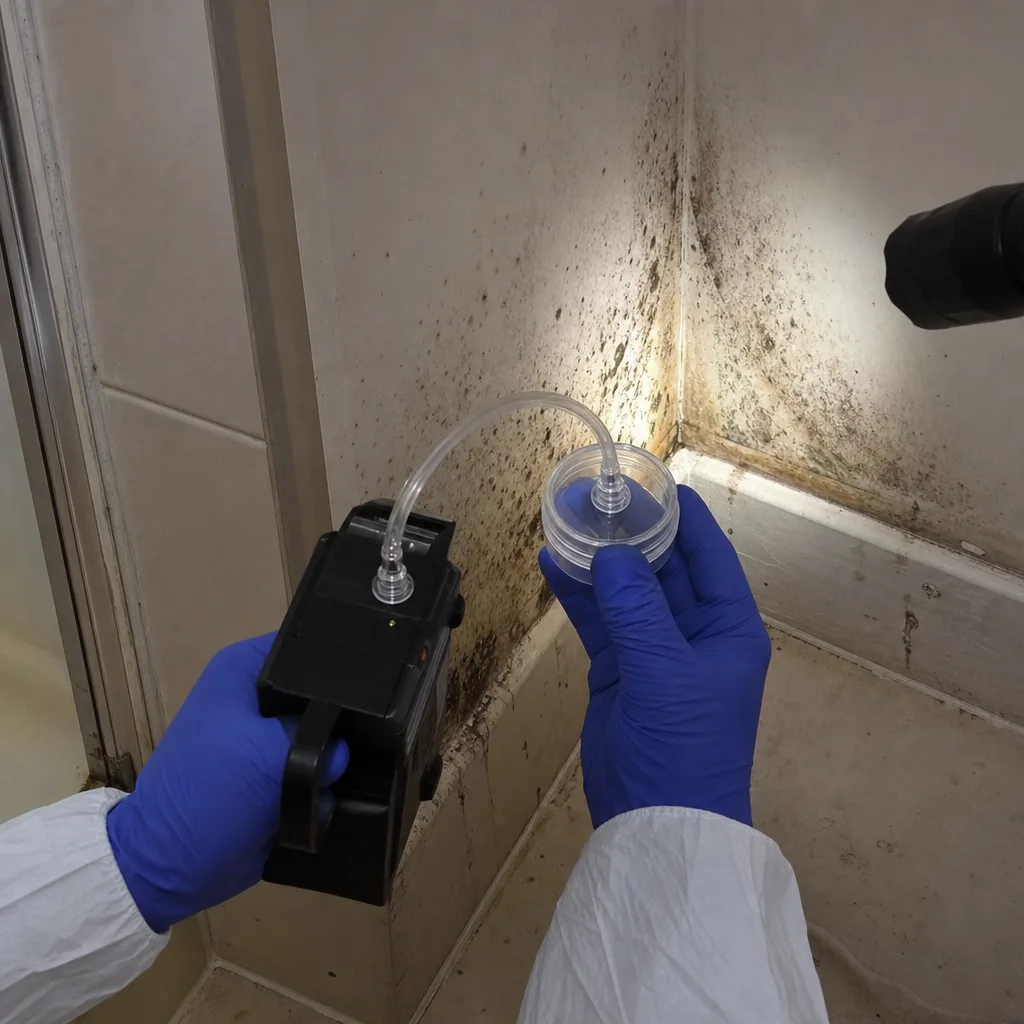
DIY mitigation is the rational choice in a narrow set of circumstances. Here’s when we’ve advised homeowners to handle it themselves, and what we told them to do.
The viable DIY scenario: Category 1 supply line leak, caught within 4 hours, confined to tile or sealed concrete in a single room, no insurance claim, homeowner owns professional-grade moisture detection equipment or can rent it, and homeowner can dedicate 3-5 days to active monitoring.
Step-by-step protocol:
- Stop the source and verify it’s stopped. Turn off the supply valve, run a faucet to depressurize, and confirm no continued flow.
- Extract all standing water immediately. A wet/dry vacuum is minimum. A carpet extractor if carpet is involved, though carpet and pad should be removed and discarded if water has reached the subfloor.
- Establish airflow across all affected surfaces. Air movers every 10-12 linear feet, directed at 15-45 degree angles to create turbulent airflow. Box fans are inadequate for anything beyond very small areas.
- Dehumidify aggressively. Calculate the cubic footage of the affected space and the adjacent spaces you’re using as drying chambers. A 70-pint residential dehumidifier handles approximately 1,200 square feet at normal ceiling height. In Irvine’s humidity, oversize by 50%.
- Monitor with actual numbers. Take moisture readings every 24 hours. Log temperature and relative humidity. Target: relative humidity below 40%, moisture content of wood materials below 12%, drywall below 0.5% above dry standard for your neighborhood.
- Continue 24-48 hours after surfaces appear dry. This is where most DIY fails. Bound water doesn’t evaporate on surface-drying timelines.
- Document everything. See the documentation requirements section above. Without this, you’ve performed unverified drying, not documented mitigation.
Even in this narrow scenario, we offer our Free Second Opinion on any written estimate. Bring us a competitor’s quote, or your own material list and equipment rental receipts, and we’ll review your plan at no charge. Haven Standard, Clause 1 applies: you’ll get a written price before any work begins if you choose to engage us.
When Professional Restoration Is Non-Negotiable
Some situations exclude DIY by law, by insurance policy, or by basic safety. These are not judgment calls.
Fire and smoke damage. The combustion byproducts in modern materials - synthetic carpets, engineered wood, plastics - create toxic residues that require specialized cleaning agents and HEPA-containment work. Fire & smoke damage restoration in Irvine also involves hidden damage to electrical systems and structural members that only trained assessment can identify. Our crews document fire damage with photo records on every visit, creating the claim file that proves extent of loss to insurers who initially underestimate combustion damage.
Sewage and biohazard. Category 3 water carries bloodborne pathogens, enteric bacteria, and parasites. California OSHA regulations require specific training, PPE, and disposal protocols. The liability for improper handling extends to anyone who enters the space during or after remediation.
Mold exceeding 10 square feet. California’s mold remediation requirements trigger at this threshold. More importantly, visible mold represents colony growth; the full extent typically extends 2-3 times the visible area within wall cavities. Professional containment prevents spore dispersal during remediation.
Any loss with insurance involvement where secondary damage is possible. This is the documentation imperative. If you might file a claim for any resulting condition, you need professional documentation of the original event and mitigation. Period.
Homes with HVAC contamination. Water or smoke entering ductwork creates distribution pathways that DIY cannot address. Professional duct cleaning with negative air containment is required to prevent cross-contamination.
In Irvine specifically, homes in the Quail Hill and Portola Springs areas - newer construction with tighter building envelopes - experience slower natural drying and higher indoor humidity retention. The same water loss that might dry adequately in an older, draftier home becomes a mold risk in these conditions. Professional psychrometric monitoring accounts for building-specific drying curves.
Common Mistakes to Avoid
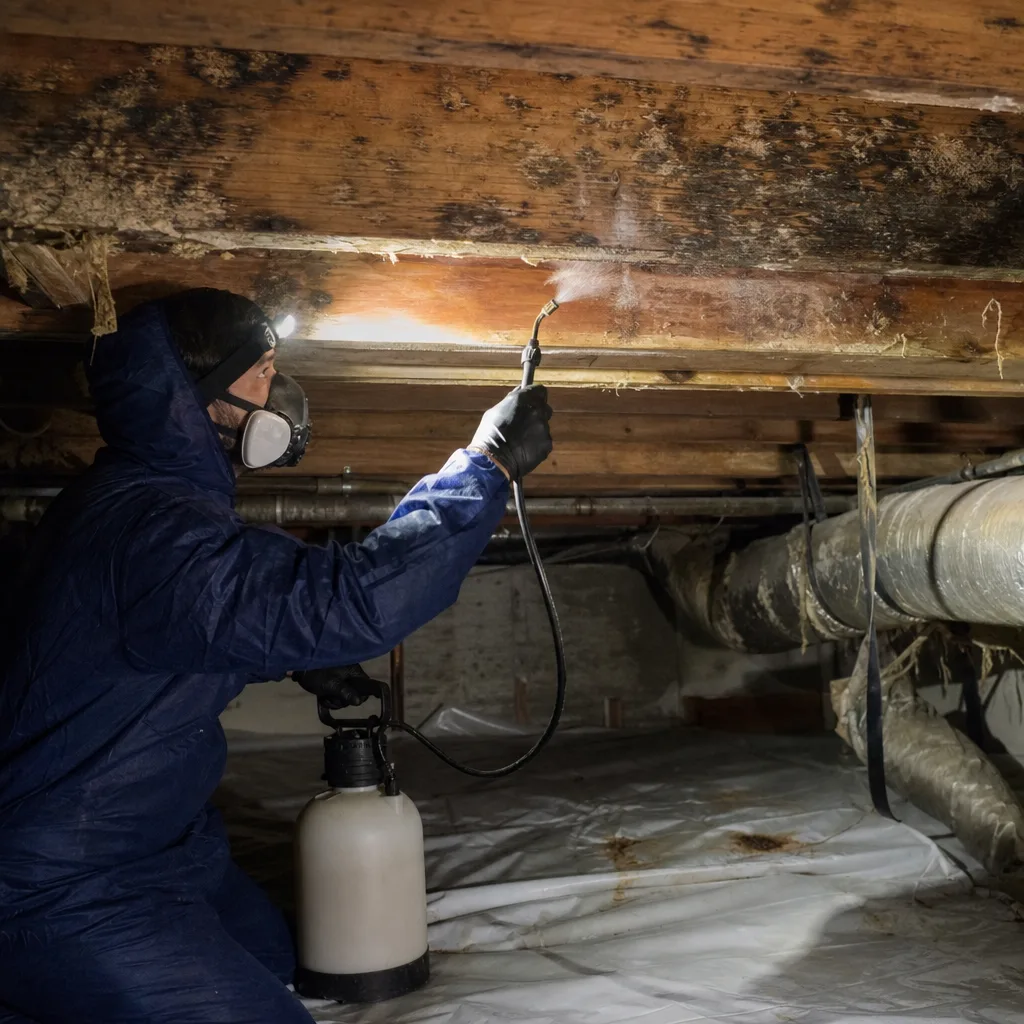
- Relying on visible dryness as proof of complete drying. In Irvine’s climate, a wall can feel dry to touch while maintaining 18% moisture content in the stud cavity - well above the 12% threshold where mold initiates growth on wood materials.
- Using household bleach on mold. Bleach doesn’t penetrate porous materials and leaves water behind that feeds deeper mold growth. It also produces chlorinated byproducts that irritate airways. This mistake is particularly common in Irvine’s older Woodbridge condos where homeowners attempt bathroom mold cleanup.
- Removing carpet pad without addressing the subfloor. The pad is the reservoir; the subfloor is where long-term damage occurs. We’ve replaced subfloors in University Park homes where three prior DIY pad removals failed to address OSB subfloor saturation.
- Failing to photograph the original loss before any cleanup. Insurance adjusters need to see the event, not the aftermath. The most common reason for claim reduction is inadequate proof of original extent.
- Running dehumidifiers without adequate air movement. Dehumidifiers reduce atmospheric moisture, but vapor pressure differential - the actual force that pulls water from materials - requires turbulent airflow across wet surfaces. Still air with low humidity dries materials slowly enough that mold outpaces evaporation.
- Ignoring HOA notification requirements. Many Irvine HOAs, particularly in gated communities like Turtle Ridge and Laguna Altura, require immediate notification of water losses affecting common walls or plumbing. Failure to notify can void HOA master policy coverage and create personal liability for downstream unit damage.
- Accepting the first insurance adjuster estimate without professional review. Initial estimates often miss hidden damage and necessary code upgrades. Our Free Second Opinion on any written estimate includes review of insurer scopes for completeness against IICRC standards.
When to Call a Professional
Call a professional when any of these apply: the water is Category 2 or 3; affected area exceeds 10 square feet; materials include drywall, insulation, or structural wood; time elapsed exceeds 24 hours; insurance coverage is involved; mold is visible or suspected; or you cannot produce the documentation protocol described in this guide.
DryMark Restoration Irvine offers free estimates in Irvine - call (657) 212-2570. Every estimate includes a written price before work begins, Haven Standard, Clause 1. Our live dispatch answers every call, 24 hours a day, 7 days a week, with no voicemail on emergency lines. Background-checked, uniformed technicians arrive with documented credentials, professional-grade Dri-Eaz, Phoenix, and Injectidry equipment, and the photo-documentation systems that turn restoration invoices into payable insurance claims.
Frequently Asked Questions
Category 1 water mitigation in Irvine typically ranges from $1,800 to $3,400 for standard residential losses, with Category 2 and 3 losses running $3,200 to $8,500 depending on contamination level and affected square footage. Reconstruction costs are additional and scoped separately. Call (657) 212-2570 for an exact quote - estimates are free, and Haven Standard, Clause 1 requires a written price before any work begins.
Your policy may reimburse reasonable mitigation expenses, but coverage for secondary damage depends on proving your DIY efforts met industry standards. Most insurers require IICRC-standard documentation - moisture logs, photo records, equipment specifications - that homeowners rarely produce. Without it, secondary mold or structural claims are frequently denied as resulting from negligent mitigation rather than the original event.
DryMark Restoration Irvine maintains live phone coverage 24 hours a day, 7 days a week with no voicemail on emergency lines. Dispatch times vary by current call volume and your location within Irvine, but our standard is active response initiation on every emergency call. For active water losses, speed of response directly correlates with mitigation cost - every hour of delay increases the affected area and material replacement requirements.
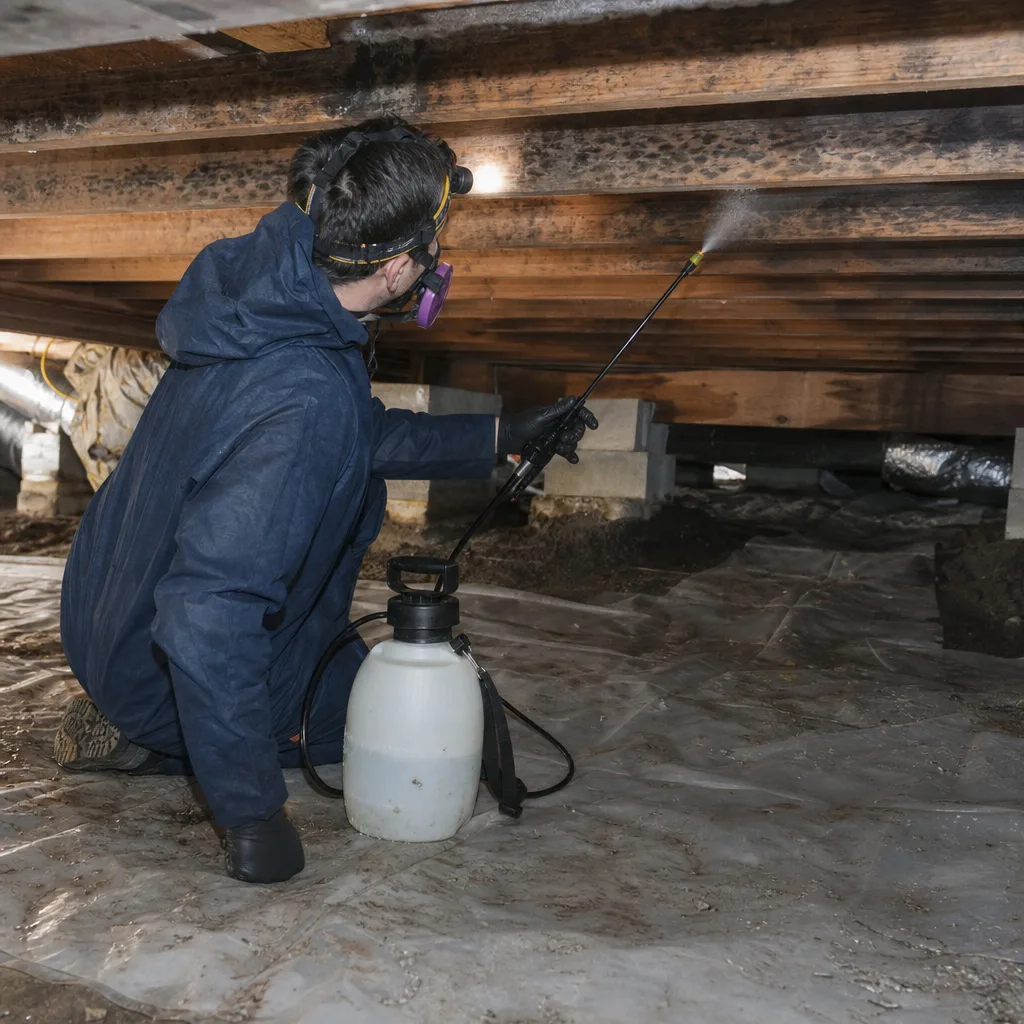
Visible mold on a surface typically indicates colony growth extending 2-3 times that area within the material and cavity behind it. Cleaning visible mold without addressing the hidden growth and moisture source guarantees recurrence. California requires licensed contractors for mold remediation exceeding 10 square feet, and proper remediation includes containment, negative air pressure, HEPA filtration, and post-remediation verification testing - none of which are achievable with surface cleaning.
At DryMark Restoration Irvine, we coordinate directly with your adjuster, providing the documented photo record, daily drying logs, and written scopes that satisfy proof-of-loss requirements. Our documentation systems were designed by a former claims adjuster specifically to close the documentation gap that delays or denies claims. We do not require you to mediate between our crew and your insurer.
Irvine’s coastal proximity produces year-round relative humidity averaging 65-75%, significantly higher than inland California cities. Cooler winter temperatures slow evaporation rates, and newer homes with tight building envelopes reduce natural air exchange. These factors extend drying timelines and increase mold risk in unmonitored jobs. Professional psychrometric monitoring accounts for these local conditions with equipment sizing and drying chamber configuration specific to your home’s construction era and neighborhood microclimate.
The Bottom Line
The DIY-versus-professional question isn’t primarily about cost. It’s about liability documentation and whether your mitigation record will satisfy California insurance standards if secondary damage develops. For Category 1 losses under 10 square feet on hard surfaces, with no insurance claim and full documentation discipline, DIY is viable. For everything else - Category 2 or 3 water, mold, fire damage, structural materials, insurance involvement, or any loss beyond 24 hours - professional restoration is the only choice that protects your claim rights, your property value, and your personal liability exposure. The homeowner who pays for professional documentation today avoids the denied claim and uncovered remediation cost tomorrow. Explore more guides & resources to protect your home and your claim rights.
Written by Alicia Brennan, Owner at DryMark Restoration Irvine, serving Irvine since 2011.